April 27, 2025
With a tight project schedule, the manufacturer delivered on time, and on-site technical personnel provided guidance throughout the entire installation and commissioning process; the collaboration was highly efficient and hassle-free.
Sep 17, 2026
When it comes to powering a modern industrial manufacturing plant, few components carry as much operational weight as the medium voltage transformer. An MV transformer steps voltages typically between 1 kV and 35 kV up or down to match the specific demands of industrial equipment, acting as the electrical backbone of your entire facility. Whether you run a steel mill, a chemical plant, or a mining operation, the right medium voltage power solution directly determines your uptime, energy costs, and long-term safety margins.
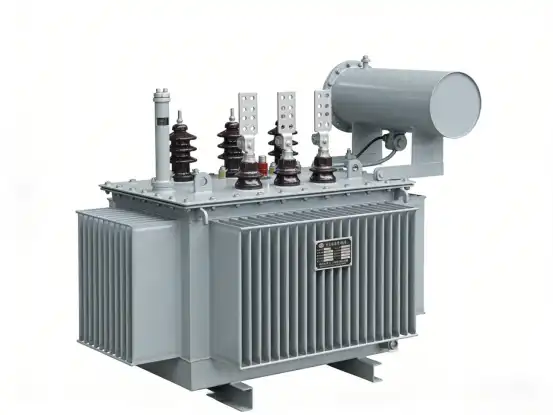
Transformers that handle medium voltage connect the power lines to your plant to the machines that are running it. They change the voltage, protect against galvanic interference, and keep the quality of the supply stable over hard load cycles that can last for decades.
Cast resin insulation and air cooling make dry-type transformers perfect for use indoors in chemical factories and other places where fire safety is very important. Oil-immersed transformers that are cooled by ONAN or ONAF systems using mineral or biodegradable fluid have a higher thermal capacity and are chosen in heavy industry areas like steel plants and mines as well as outdoor substations. Each design takes into account a different set of load and weather conditions.
Specialized transformer designs are used in many processes in industrial manufacturing plants. Here are the main applications you should know about:
All of these different types have one thing in common: they all work to keep your production line running smoothly. If you pick the wrong type, you could damage your equipment and also break rules that cost a lot of money and cause unplanned shutdowns.
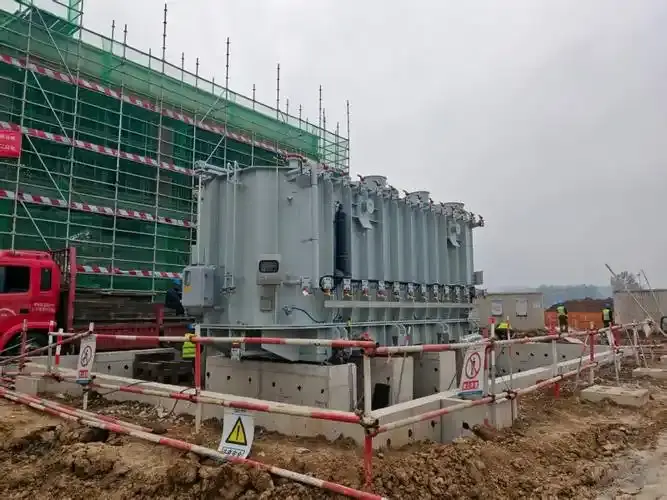
Turntable faces wear out over time, even the strongest ones. In industrial settings, MV transformer equipment can also experience several common failure conditions, including temperature cycling, moisture ingress that degrades the dielectric system, and harmonic heating caused by non-linear loads such as variable frequency drives. Regular inspection and proper maintenance of an MV transformer can help identify these issues early and reduce the risk of unexpected equipment failure. For demanding industrial applications, monitoring an MV transformer for thermal, moisture, and harmonic-related stress is an important part of maintaining reliable electrical performance.
IEEE C57.104 says that oil-immersed units should have dissolved gas analysis (DGA) testing at least once a year to find early faults before they get worse. Using infrared thermography in live operation can find hotspots in wires and links that can't be seen with the naked eye. Load management, which means making sure transformers work at between 50% and 80% of their maximum capacity, greatly lowers heat stress and increases insulation life, bringing it closer to the 25–30-year design lifespan.
During routine maintenance, U.S. industrial plants must follow NFPA 70 (NEC) and OSHA 1910.303 rules without fail. Following the right lockout/tagout methods, making sure there are enough clearances, and keeping written inspection logs will protect both your employees and your insurance company. Maintenance discipline is not an extra cost; it is an investment in keeping operations running.
At this level, decisions about purchases are based on more factors than a spec sheet can show. In the end, the design standard takes into account things like short-circuit current rates, harmonic content from inverter loads, ambient temperature ranges, and altitude corrections.
At a large scale, efficiency standards are very important. The U.S. Department of Energy's 2016 efficiency standards for distribution transformers set minimum performance standards. Many modern industrial buyers now ask for units that perform better than those standards to save energy over the course of their lifetime. Cooling classification, a BIL rating between 60 kV and 200 kV, and compliance with IEEE C57.12.00 or IEC 60076 are all technical requirements that can't be skipped.
When it comes to suppliers, major names like ABB, Siemens, Schneider Electric, and Eaton have strong brand recognition in the MV transformer market. ABB is known for its ONAN-cooled distribution portfolio and its integration of digital monitoring technologies. Siemens has extensive experience in industrial power technology, while Schneider Electric focuses heavily on energy-efficient solutions and more compact substation designs. However, purchasing managers are increasingly evaluating total lifecycle cost, lead times, customization capabilities, and after-sales responsiveness when selecting an MV transformer supplier. In these areas, certified manufacturers with direct factory partnerships can offer significant advantages over global brands that rely heavily on distribution networks. For buyers comparing an MV transformer supplier, these practical factors can have a major impact on long-term project performance and procurement efficiency.
The ability to buy in bulk, the dependability of delivery schedules, and long-term framework agreements are all procurement levers that have a big impact on the profitability of large-scale industrial builds.
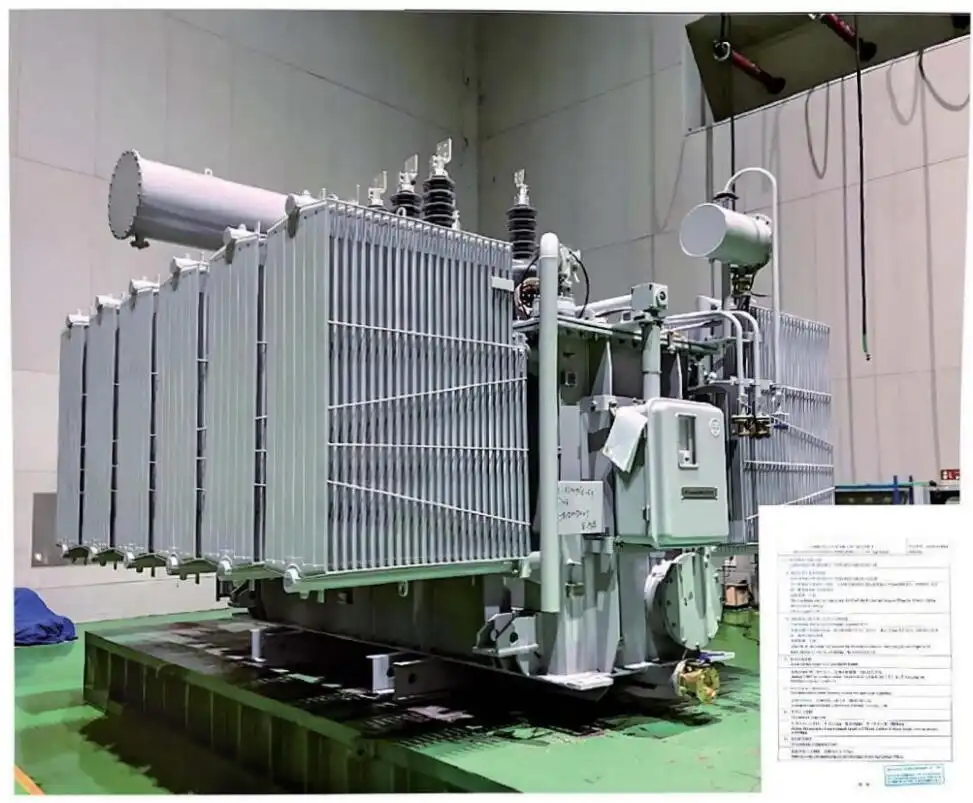
To get the most out of a generator, it needs to be actively managed, not passively installed. Unbalanced loads on different phases speed up core saturation and raise no-load losses. In places with high ambient temperatures, advanced cooling methods like directed airflow systems or forced oil movement can increase operating margins by 15 to 20 percent.
Monitoring systems for transformers that are connected to the Internet of Things (IoT) can now send continuous data to plant SCADA systems about winding temperature, load current, oil quality, and insulation resistance. The Electric Power Research Institute (EPRI) studied a steel plant case and found that condition-based tracking of its medium-voltage distribution fleet cut unexpected downtime by 12%. That directly means more time for production and less money spent on maintenance that isn't needed.
The latest performance breakthrough is the use of grain-oriented silicon steel cores that have very low no-load loss characteristics, which are in line with DOE 2016 and EU Ecodesign Tier 2 requirements. Green energy programs are increasing the need for transformer designs that work with harmonic-rich renewable energy sources. This is forcing manufacturers to make units that come standard with K-factor ratings and shielded winding configurations.
When specifications are either met or missed, the quality of an MV transformer system is ultimately realized or lost during installation. For site preparation, the installation team needs to ensure that the grounding system has a resistance of less than 5 ohms according to IEEE 80, provide sufficient airflow or cooling infrastructure for the specific type of MV transformer, and consider appropriate earthquake restraints in regions of the United States where seismic protection is required. Proper installation planning for an MV transformer is essential for achieving reliable performance, protecting equipment, and maintaining safe long-term operation.
When installing a transformer in the U.S. market, it must follow ANSI/IEEE C57.12.00, NEC Article 450, and any other OSHA electrical safety rules that apply. Under the Low Voltage Directive, European exports also need to have a CE mark. Before starting up, post-installation acceptance testing must be recorded. This includes insulation resistance testing (Megger testing), turns ratio verification, and no-load loss measurement. These tests show that the unit arrived and was installed without any damage, and that it works within the approved limits set by the manufacturer.
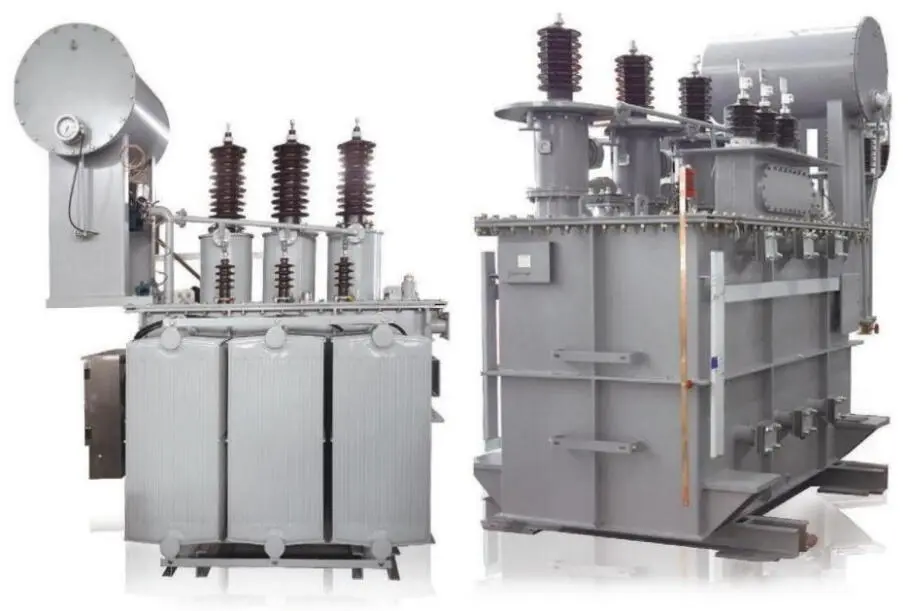
Choosing, maintaining, and installing an MV transformer is not something that should be handled only in the back office; it is essential to the safety, energy efficiency, and continuity of plant operations. Whether a facility needs electric furnace transformers for mining processes or small substations for industrial parks in cities, the results over the next 25 years will depend on selecting the right transformer solution and working with a trusted manufacturing partner. A reliable MV transformer should match the facility's electrical requirements while supporting safe and efficient operation over its service life. There are four key factors that distinguish a good procurement decision from an expensive one: technical compatibility, certification compliance, customization capabilities, and strong after-sales support. Evaluating each MV transformer against these criteria can help purchasing teams reduce long-term risks and achieve better overall value.
Quality of the core materials and control of load are the two main factors that affect effectiveness. No-load losses are much lower in units made of high-permeability grain-oriented silicon steel. Maintaining a steady level of operation between 50% and 80% of rated capacity lowers both copper losses and thermal stress, keeping efficiency numbers close to the original values for the entire life of the transformer.
The standard in the business is to do infrared thermography scans every other year and dissolved gas analyzes once a year for oil-immersed units. Plants that are constantly under a lot of stress or that are in an environment with a lot of harmonics should increase the number of inspections they do. Most places in the U.S. also need repair logs that are written down for insurance compliance and governmental audits.
Dry-type cast resin units are best for places inside that are worried about fire, moisture, or not having enough airflow, like basement substations or chemical processing buildings. Oil-immersed units work better with heat and are more cost-effective for outdoor or open industrial yard installations that need to handle higher KVA ratings.
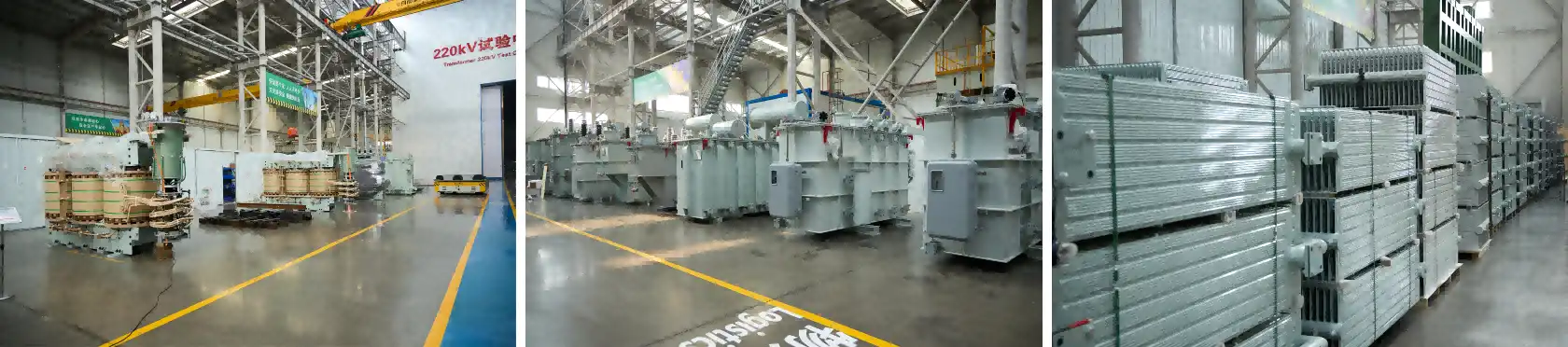
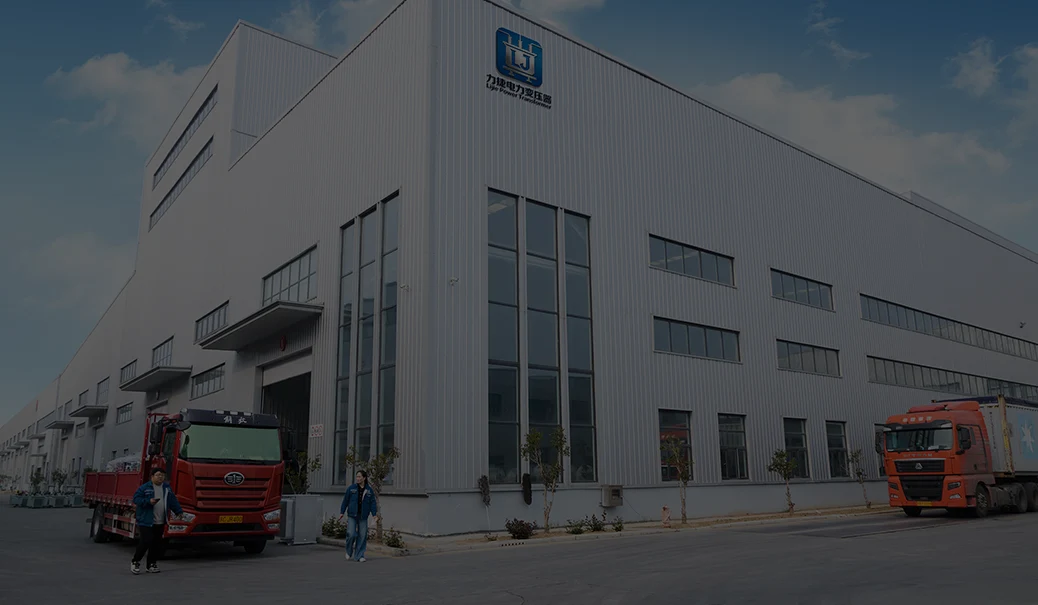
The Lijie Electric Power Technology Group makes a wide range of medium voltage transformers that are approved by ISO 9001:2015, IEC, CE, and UL. These include electric furnace transformers, rectifier transformers, and mine transformers. We offer big supply, deep customization, and quick after-sales support. Our yearly sales approach 5 billion RMB, and we have more than 2,000 skilled workers. As a reliable MV Transformer maker, you can get in touch with our technical team at lijieelectrical@gmail.com or visit lijie-electrical.com to talk about your project needs.
1. IEEE Standard C57.12.00 – General Requirements for Liquid-Immersed Distribution, Power, and Regulating Transformers, IEEE, 2021.
2. IEC 60076-1 – Power Transformers: General, International Electrotechnical Commission, 2011.
3. U.S. Department of Energy – Energy Conservation Standards for Distribution Transformers, Federal Register, 2016.
4. Electric Power Research Institute (EPRI) – Condition-Based Monitoring of Power Transformers in Industrial Applications, EPRI Technical Report, 2019.
5. National Fire Protection Association – NFPA 70: National Electrical Code, Article 450, NFPA, 2023.
6. IEEE C57.104 – Guide for the Interpretation of Gases Generated in Oil-Immersed Transformers, IEEE, 2019.
April 27, 2025
With a tight project schedule, the manufacturer delivered on time, and on-site technical personnel provided guidance throughout the entire installation and commissioning process; the collaboration was highly efficient and hassle-free.
July 2, 2025
During the preliminary phase, a selection plan was custom-tailored based on the actual site load requirements, resulting in a high degree of parameter compatibility. After-sales support responds within two hours, and ongoing technical support for operation and maintenance is comprehensive; we feel completely confident in a long-term partnership.
November 18, 2025
Deployed as a supporting component for a 35kV grid-connection project at a photovoltaic power station, the equipment operates for an average of 16 hours daily. It demonstrates excellent control over no-load losses, ensures smooth power generation and grid integration, and effectively reduces the station's overall energy consumption.
January 30, 2026
Under the continuous, high-load operating conditions of a factory production line, the equipment maintains stable electrical parameters and exhibits strong overload resistance, thereby guaranteeing an uninterrupted power supply for industrial production.
April 3, 2026
Integrated as a supporting component for a new energy photovoltaic grid-connection system, the manufacturer provided professional technical coordination and timely after-sales support, ensuring seamless adaptation to the specific electrical operating conditions required for grid integration.