April 27, 2025
With a tight project schedule, the manufacturer delivered on time, and on-site technical personnel provided guidance throughout the entire installation and commissioning process; the collaboration was highly efficient and hassle-free.
Sep 21, 2026
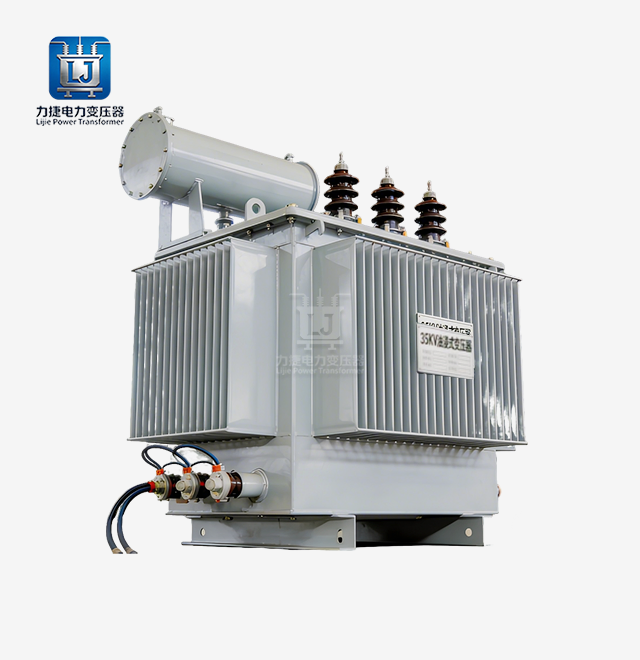
Oil-immersed transformers improve cooling performance by using insulating oil as both a dielectric barrier and a thermal transfer medium. As heat builds up in the core and windings during operation, the oil absorbs that thermal energy and carries it away through natural convection or mechanical circulation toward external radiators. This fluid-based heat exchange mechanism allows an oil-immersed transformer to handle significantly higher thermal loads than air-cooled alternatives, sustaining operational temperatures within safe limits and extending equipment lifespan well beyond 25 years in heavy-duty grid and industrial environments.
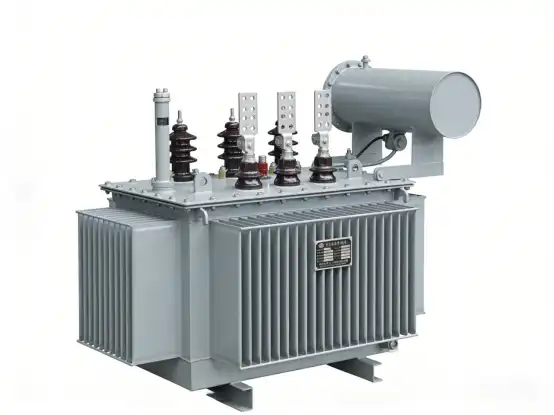
Most people don't realize that liquid-filled transformers have more than one layer of cooling. There is more to insulating oil than just sitting in the tank; it moves heat away from the hot spots and lets it out through the radiator fins and tank wall.
It is standard for moderate load applications to use ONAN (Oil Natural, Air Natural). The heat makes the oil near the core less viscous, which makes it rise naturally toward the heaters. There are no extra pumps or fans needed, which makes upkeep easier. IEC 60076-2 says that the average winding temperature rise limit under ONAN conditions is 65 K above ambient. Grid operators and distribution utilities use this as a standard.
Forced cooling kicks in when the load does. ONAF (Oil Natural, Air Forced) adds cooling fans to speed up the exchange of heat at the surface. When OFAF (Oil Forced, Air Forced) is added, oil circulation pumps are used to move the fluid through the radiator system. Based on data from IEC 60076-7, OFAF systems can boost the maximum capacity of the same transformer by 25–40% compared to the ONAN baseline in high-capacity transmission substations or industrial furnace transformer setups.
These cooling modes can work together or separately. Many new oil-immersed transformer units use switchable multi-stage cooling, which means that fans and pumps only operate when sensors detect that oil temperatures are rising. This is a smart way for an oil-immersed transformer to save energy while reducing thermal stress and extending its service life. With intelligent cooling control, an oil-immersed transformer can maintain stable operating temperatures under varying load conditions while improving overall efficiency and reliability.
The way oil-filled transformers handle heat is affected by the shape of the inside as well as the oil itself. Engineers at places like Lijie Electric's factories in Xuzhou and Nantong put a lot of work into making these structural parts work better.
Between the layers of coils, spacing tubes are built in to direct oil flow straight through the hot spots. This keeps "hot spots" from forming, which are areas of high temperature that can damage cellulose insulation over time. According to research mentioned in IEEE C57.91, the life span of transformer insulation drops by about half for every 6°C rise above the rated hot-spot temperature.
It matters what kind of oil you use. With a flash point usually above 135°C, mineral oil is still the most popular choice. Natural ester fluids have flash points higher than 300°C and can handle more moisture than other fluids. They are used in installations that are sensitive to the environment. In heavy industrial settings, like steel plant rectifier transformers or large arc furnace transformers, oil-to-water heat exchangers are used in hybrid cooling circuits when air cooling alone isn't enough.
Here are the main structural benefits that set well-designed liquid-filled transformers apart in tough situations:
These benefits directly lead to fewer unplanned shutdowns, lower maintenance costs, and a measurably longer service life. These are the outcomes that procurement managers and project engineers always aim for in large-scale industrial and utility projects.
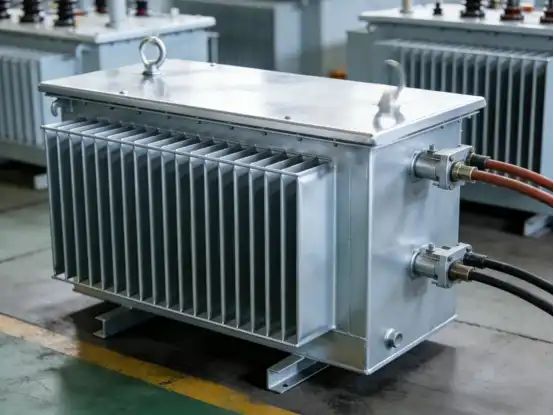
Over time, even a well-designed liquid-filled transformer can have problems with how it handles heat. Failures that cost a lot of money must be avoided by spotting the early warning signs.
One of the most common reasons why cooling doesn't work well in an oil-immersed transformer is oil degradation. Moisture entering the oil, oxidation byproducts, and particulate contamination can all weaken the oil's ability to provide electrical insulation and transfer heat effectively. For an oil-immersed transformer, regular oil condition monitoring is therefore important for maintaining reliable cooling and insulation performance. At least every two years, IEC 60422 recommends that transformers rated 110 kV or higher undergo dissolved gas analysis (DGA) and dielectric breakdown tests, helping operators identify oil-related problems before they affect the performance of an oil-immersed transformer.
Blockages in the radiator, broken circulation pumps, and cooling fans that don't work are common types of problems. Thermal imaging under load can show uneven surface temperatures, and winding temperature indicators (WTI) give a close approximation of hot spots in real time. Maintenance teams should also check that the oil amounts stay within the working range of the conservator, since low oil volume directly blocks convective flow routes.
By actively filtering the oil, usually through vacuum drying or Fuller's earth treatment, the moisture levels are restored, and the insulating fluid's service interval is increased. This protects both the cooling function and the long-term insulation state of the winding paper.
When there is a lot of load, liquid-filled units are much cooler than dry-type and cast plastic transformers. The volumetric heat capacity of oil is about 1,700 times higher than that of air. This is why designs that use oil cooling can handle continuous overloads that would cause an equivalent-rated dry-type unit to overheat.
That being said, dry-type transformers have a place in indoor, fire-sensitive, or urban distribution settings, like commercial buildings or data centers, where flammable liquid is not an acceptable risk. But for power companies, green energy substations, mines, and large factories, liquid-filled technology is still the best when it comes to thermal capacity and operating lifespan. Ljie Electric's product line includes both technologies, so customers can choose the best one for their needs based on site conditions and load profiles without having to sacrifice performance.
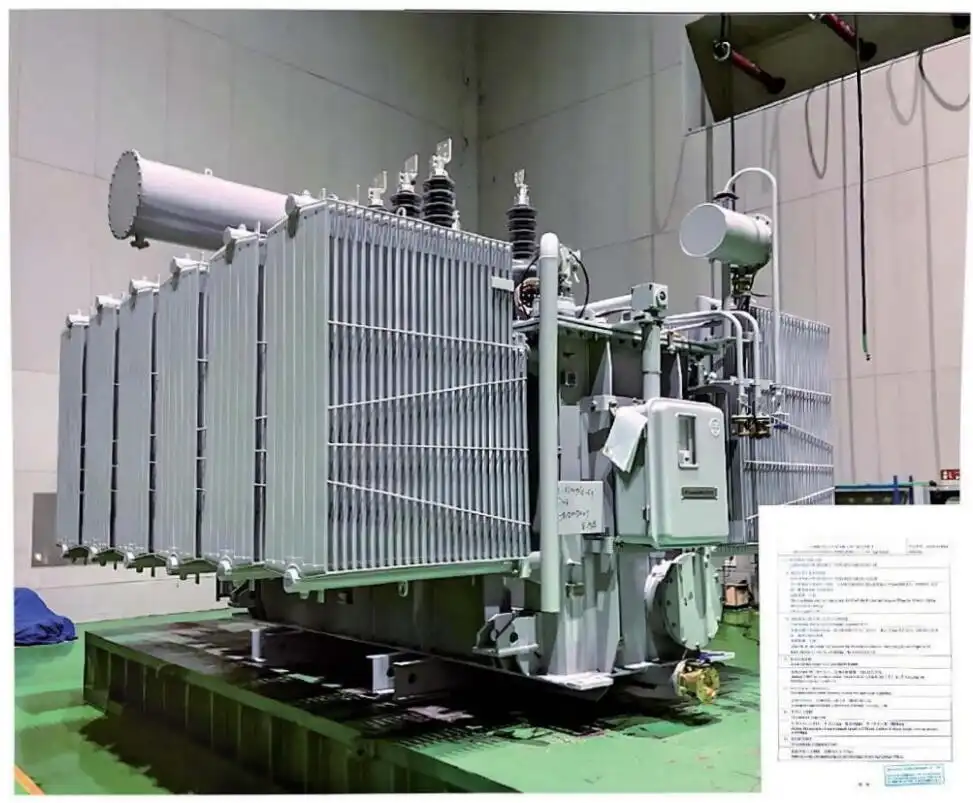
Choosing the right cooling configuration isn't just an engineering choice; it's also a procurement choice. In bid papers, buyers should clearly ask for the following specifications:
Test results from recognized labs should be provided by suppliers. The oil-immersed transformers made by Lijie Electric have passed regular, type, and special tests at the National Transformer Quality Supervision and Inspection Center. They also have ISO 9001:2015, CE, UL, and IEC certifications, which give procurement teams the proof they need for both U.S. projects and international EPC contracts.
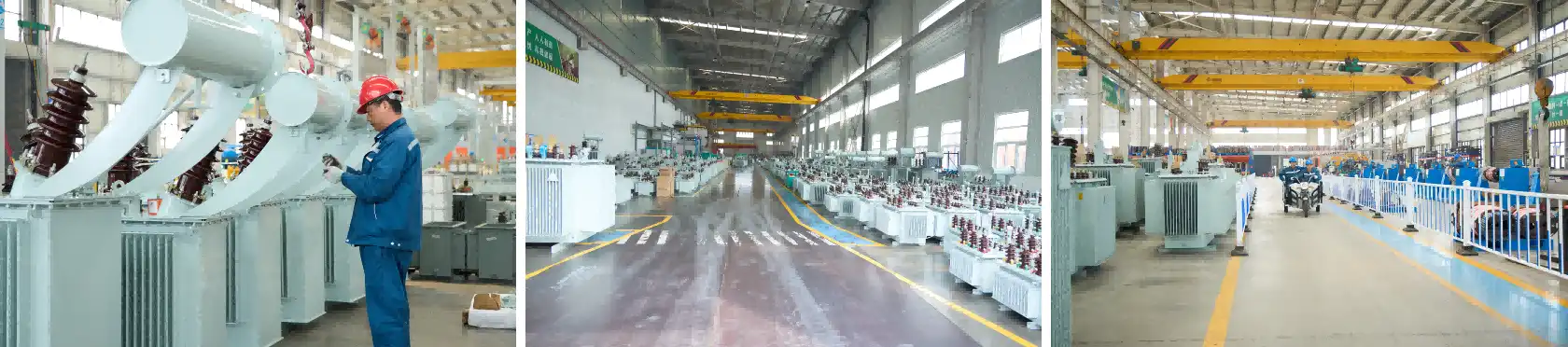
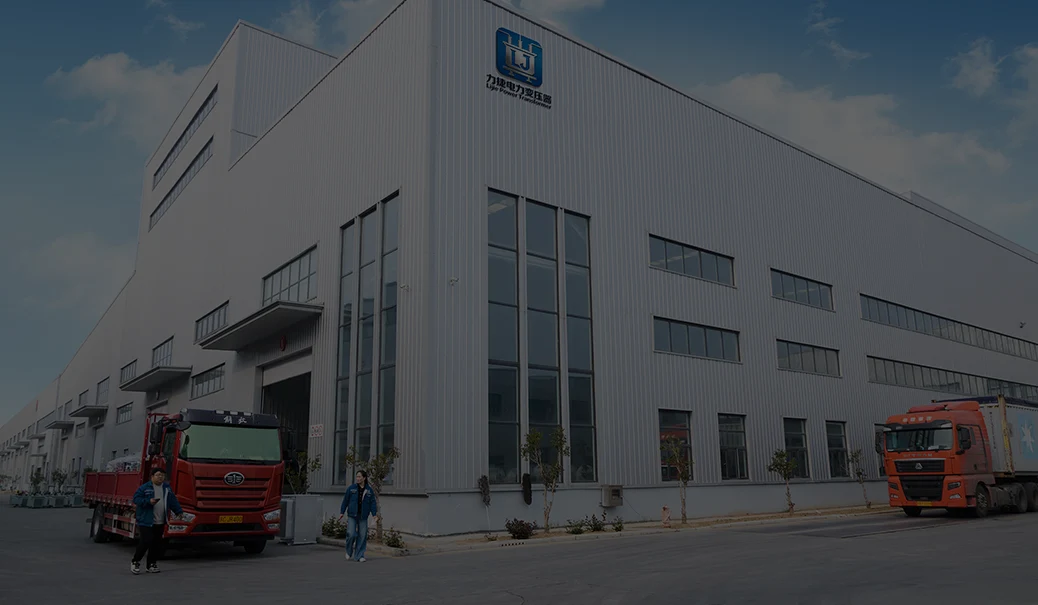
It's just as important to confirm the manufacturer's production capacity and delivery schedule when buying in bulk for big infrastructure or renewable energy projects. Lijie Electric has over 2,000 workers working in 500,000 square meters of production space to meet dependable schedules for delivering large amounts of goods.
The ability of an oil-immersed transformer to cool effectively is not an extra feature; it is a key factor that determines how long and reliably the transformer performs its intended function. Each type of cooling system serves a different purpose, such as natural oil convection in ONAN-rated distribution units or forced-circulation OFAF systems in heavy industrial substations. For an oil-immersed transformer, three important factors to consider when buying are matching the thermal design to the actual load profile, checking the oil regularly to maintain its quality, and purchasing from a manufacturer with a proven history of production and certification. Selecting the right cooling system and maintaining oil quality can help an oil-immersed transformer deliver stable performance, efficient heat dissipation, and long service life.
IEC 60422 says that dissolved gas analysis should be done every one to two years on transformers with a rating of 110 kV or more. The tests for breakdown voltage and moisture level should happen at the same time. Condition, not time, determines when oil needs to be replaced. Mineral oil that is well taken care of can last for 20 years or more with regular filtering.
Most distribution transformers that work with modest, regular loads can be cooled naturally by ONAN. When an appliance consistently reaches or goes over 80% of its maximum thermal capacity, or when the temperature outside regularly rises above 40°C, it needs to be cooled by force. Almost all transmission-level transformers above 110 kV need at least ONAF staging.
Mineral oil can be burned. Installation locations should have oil containment bunds and meet the headroom standards of NFPA 70. Sudden pressure relays and pressure relief devices should work and be tested once a year. NFPA 70E says that people who work near energized units should follow arc flash safety rules and not open inspection covers while the unit is under load.
Lijie Electric sells high-performance oil-immersed transformers that are approved and made for use in utility, industrial, and green energy settings. As a reliable oil-immersed transformer maker, we help customers in the U.S. and around the world with units that are IEC, CE, and UL-certified, can be fully customized, and come with quick service after the sale. To get a quote right away, email our technical team at lijieelectrical@gmail.com or visit lijie-electrical.com to see all of our products.
1. International Electrotechnical Commission. IEC 60076-2: Temperature Rise for Liquid-Immersed Transformers. IEC, 2011.
2. International Electrotechnical Commission. IEC 60076-7: Loading Guide for Oil-Immersed Power Transformers. IEC, 2018.
3. International Electrotechnical Commission. IEC 60422: Supervision and Maintenance Guide for Insulating Oil in Service. IEC, 2013.
4. IEEE Power and Energy Society. IEEE C57.91: Guide for Loading Mineral-Oil-Immersed Transformers and Step-Voltage Regulators. IEEE, 2011.
5. Kulkarni, S. V., & Khaparde, S. A. Transformer Engineering: Design, Technology, and Diagnostics. CRC Press, 2013.
6. Prevost, T. A., & Oommen, T. V. "Cellulose Insulation in Oil-Filled Power Transformers: Part I — History and Development." IEEE Electrical Insulation Magazine, 2006.
YOU MAY LIKE
12%20type%2035kV%20distribution%20transformer.webp)

18%20type%20epoxy%20resin%20cast%20transformer.webp)


April 27, 2025
With a tight project schedule, the manufacturer delivered on time, and on-site technical personnel provided guidance throughout the entire installation and commissioning process; the collaboration was highly efficient and hassle-free.
July 2, 2025
During the preliminary phase, a selection plan was custom-tailored based on the actual site load requirements, resulting in a high degree of parameter compatibility. After-sales support responds within two hours, and ongoing technical support for operation and maintenance is comprehensive; we feel completely confident in a long-term partnership.
November 18, 2025
Deployed as a supporting component for a 35kV grid-connection project at a photovoltaic power station, the equipment operates for an average of 16 hours daily. It demonstrates excellent control over no-load losses, ensures smooth power generation and grid integration, and effectively reduces the station's overall energy consumption.
January 30, 2026
Under the continuous, high-load operating conditions of a factory production line, the equipment maintains stable electrical parameters and exhibits strong overload resistance, thereby guaranteeing an uninterrupted power supply for industrial production.
April 3, 2026
Integrated as a supporting component for a new energy photovoltaic grid-connection system, the manufacturer provided professional technical coordination and timely after-sales support, ensuring seamless adaptation to the specific electrical operating conditions required for grid integration.