April 27, 2025
With a tight project schedule, the manufacturer delivered on time, and on-site technical personnel provided guidance throughout the entire installation and commissioning process; the collaboration was highly efficient and hassle-free.
Sep 20, 2026
MV transformers are the unsung backbone of every serious EV charging deployment. As charging networks scale from single-site depots to highway corridor hubs, a medium voltage transformer — typically rated between 1 kV and 35 kV — steps grid supply down to levels that fast chargers and ultra-fast chargers can actually use. Without a properly sized, certified step-down transformer in the chain, no amount of smart charging software or battery storage can compensate. Understanding how these devices work, where they fit, and how to procure them wisely can make or break a charging infrastructure project.
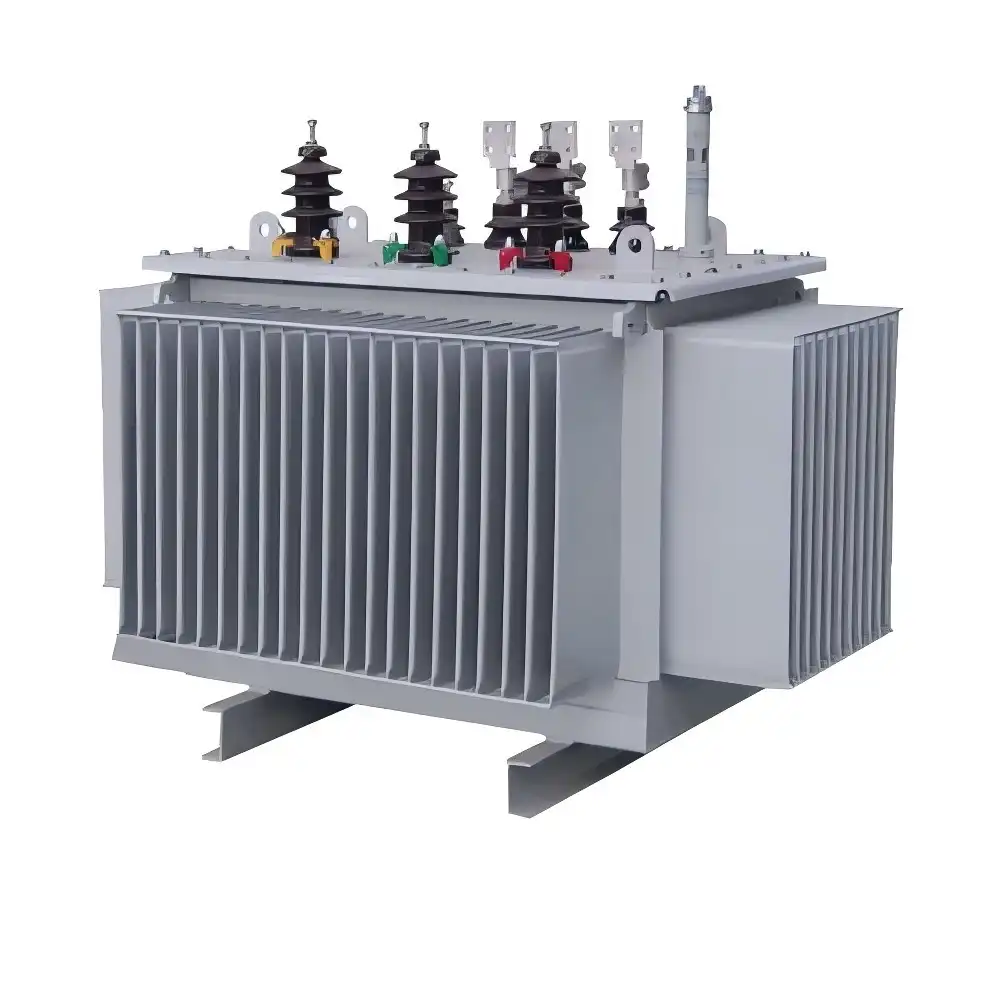
Between high-voltage transmission lines and the low-voltage (below 1 kV) equipment that chargers use is a medium-voltage transformer, which works in the 1 kV–35 kV range. In a charger cabinet, the last step is done by low-voltage transformers. At the substation level, MV units are in charge of conditioning bulk power, which is a much bigger job. They have higher Basic Insulation Level (BIL) levels, usually between 60 kV and 150 kV. This provides galvanic isolation that keeps sensitive power devices safe from grid-borne transients.
EV charging stations are mostly built around two main types of transformer construction. Cast-resin dry-type MV transformer units can be self-extinguishing, produce very little noise, and do not require an oil containment bund, making them well suited for protected parking garages and urban charging hubs. Oil-immersed MV transformer units use mineral or biodegradable ester fluid for cooling under ONAN/ONAF classifications per IEC 60076, can handle higher continuous loads, and usually offer a lower cost per kVA as capacity increases. This makes an oil-immersed MV transformer a good choice for substations along highways or at large fleet bases. Ultimately, the choice between transformer designs will depend on site limitations, fire codes, and projected long-term load requirements.
The U.S. Department of Energy says that about 1.2 million public and workplace chargers will be needed to meet the 2030 goals for EV usage. Each 150 kW–350 kW DC fast charger creates load surges that distribution grids were not made to handle without special step-down equipment. This is directly addressed by medium-voltage transformers.
Here are some of the most common situations in which these gadgets are essential:
These uses show that there isn't a single transformer setup that works in all situations. The first step in good engineering is to make sure that the device fits the load profile, site layout, and grid connection agreement.
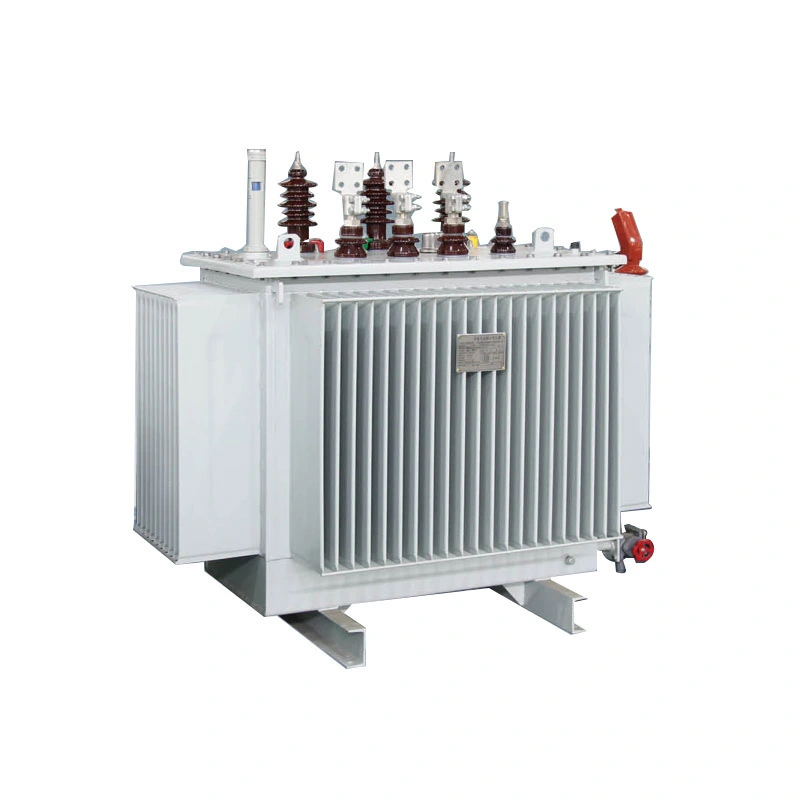
First, make a map of the highest demand at the same time, the expected duty cycle, and the temperature range in the room. If a transformer is running at 80% of its rated capacity in a hot climate that is 40 °C, it needs a higher thermal class than if it were in a mild coastal climate. IEC 60076-1 rules also say that derating is needed for heights above 1,000 m.
When rated above 1,000 kVA, oil-immersed MV transformer units usually have lower lifecycle costs per kVA and can handle overloads better. Dry cast-resin MV transformer units have Class F or Class H insulation, can handle dirty environments better, and meet fire rules in enclosed buildings where additional containment is not practical. In a parking lot or building basement, a dry-type MV transformer is almost always the best choice because it avoids the need for oil containment while providing reliable power distribution. For these applications, selecting the appropriate MV transformer design should take into account capacity, installation conditions, fire requirements, and long-term operating costs.
Check that a potential provider has more than just nameplate values. Make sure they also have ISO 9001:2015 certification, IEC 60076 type-test certificates, and, for U.S. projects, UL and DOE 2016 efficiency certification. When dozens of similar units need to come on time at multiple sites, delivery dependability and batch consistency are very important. Suppliers who have shown they can make a lot of things and have a quality management system that can be tracked lower procurement risk by a large amount.
Clear price comparison is the first step to efficient buying. Commodity values that are made public for electrical-grade silicon steel and copper wire give buyers a good starting point for negotiating unit prices before they sign framework agreements. Ordering in bulk for a whole rollout phase almost always gets you better lead times and per-unit prices than buying one item at a time for each site.
The supplier's credibility should be judged on more than just the product datasheet. Make sure the maker can give you results from routine, type, and special tests that were done by a recognized national laboratory. To get a clear picture of the real total cost of ownership for a 20- to 30-year asset, you should specifically ask about the availability of spare parts, the time it takes for warranty responses, and the availability of on-site commissioning support.
At the design stage, you should think about scalability. Choosing a transformer with 20–30% headroom above the current peak load costs a little more up front, but it saves a lot of money in the long run because it won't need to be replaced as the charging network grows. It's easier to add more capacity in the future with prefabricated small substations that have the transformer, medium voltage switchgear, and low voltage distribution board all in one factory-tested container.
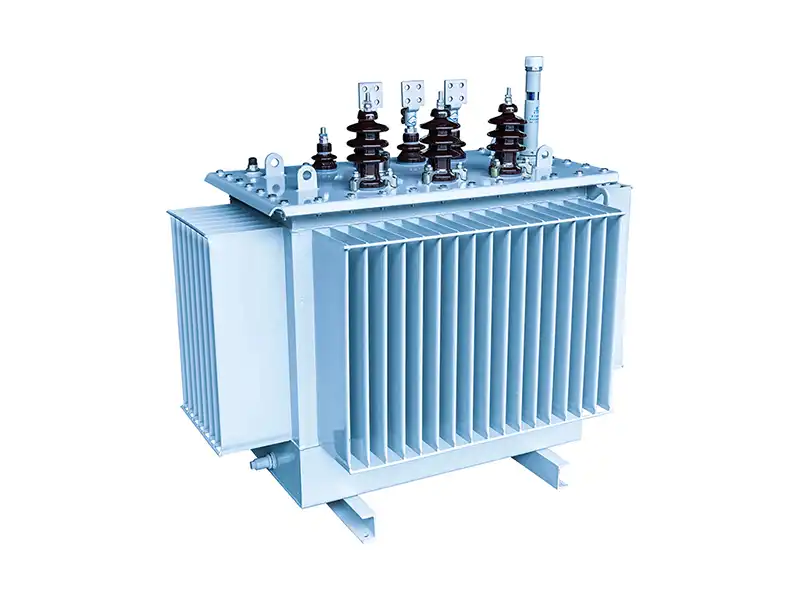
Every year, thermal imaging of the bushings and tap-changer contacts on an MV transformer can help identify hot spots early, before they develop into more serious problems. Every two years, insulation resistance testing (Megger testing) can be performed on an MV transformer to check the condition of the coils and insulation system. For oil-immersed MV transformer units, dissolved gas analysis (DGA) of the insulating fluid can help detect faults such as arcing, overheating, and partial discharge months before they cause a major failure. Regular monitoring of an MV transformer in this way allows maintenance teams to identify developing problems earlier and plan corrective work before unexpected downtime occurs.
Overheating is the main reason why insulation wears out too quickly. Cooling ducts that are blocked, ONAF units that don't have working cooling fans, and constant overloading all cause drive winding temperatures to rise above the safe limits. Oil leaks at gasket joints are a sign of mechanical stress or old sealing materials that need to be fixed before water gets into the insulating fluid and ruins it. Unusual humming or shaking at charging stations for electric vehicles that have a lot of harmonics is often a sign of loose core laminations or resonance with frequencies made by the charger.
Engaging the original manufacturer's service team, especially one with an official after-sales service standard like GB/T 27922-2021, protects the warranty and makes sure repairs are done according to the original design purpose when symptoms are too complex for the facility team to diagnose.
Medium voltage transformers are not a commodity line item in EV charging infrastructure—they are load-bearing components that determine grid compatibility, operational safety, and long-term cost efficiency. Selecting the right MV transformer construction type, verifying certifications, establishing reliable bulk supply, and maintaining assets proactively all translate directly into uptime and return on investment. As EV adoption accelerates across the United States, procurement teams and electrical engineers who treat MV transformer selection as a strategic decision—rather than a last-minute purchase—will deliver infrastructure that performs reliably for decades. A properly specified MV transformer can also help ensure that charging infrastructure is matched to site capacity, operating conditions, and future load growth. For large-scale deployments, evaluating each MV transformer based on technical requirements, compliance, supply reliability, and lifecycle cost is essential for long-term performance.
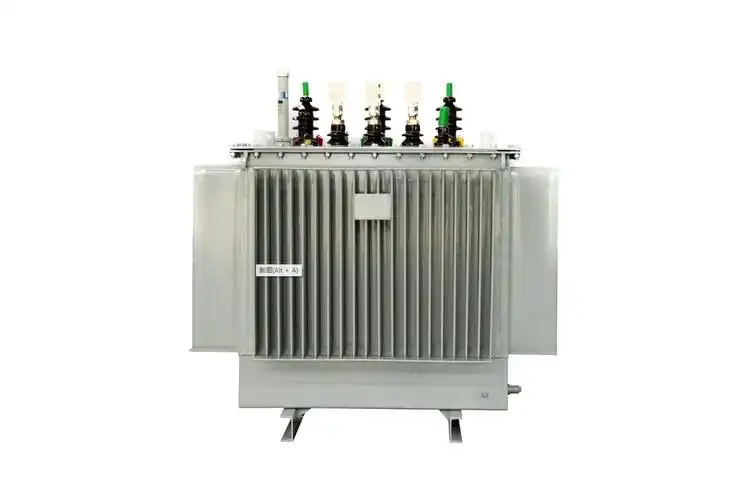
Most EV charging deployments in the U.S. use medium voltage transformers rated between 4.16 kV and 35 kV on the primary side, stepping down to 480 V or 208 V for charger arrays. The specific primary voltage depends on the local utility's distribution system.
An MV unit operates at 1 kV–35 kV and handles bulk power conditioning at the substation or service entrance level. An LV transformer operates below 1 kV and manages the final voltage conversion inside charger enclosures or building panels.
Yes. Manufacturers with dedicated engineering teams can configure dual-winding or three-winding units, specify harmonic-mitigating winding arrangements, or supply complete prefabricated substations that integrate solar inverter output, battery storage, and EV charging loads on a single MV bus.
With proper maintenance, a well-specified unit routinely achieves 25–30 years of service life. Harmonic loading from charger rectifiers accelerates insulation aging if the transformer is not rated for that duty, making K-rated or harmonic-mitigating designs the prudent choice.
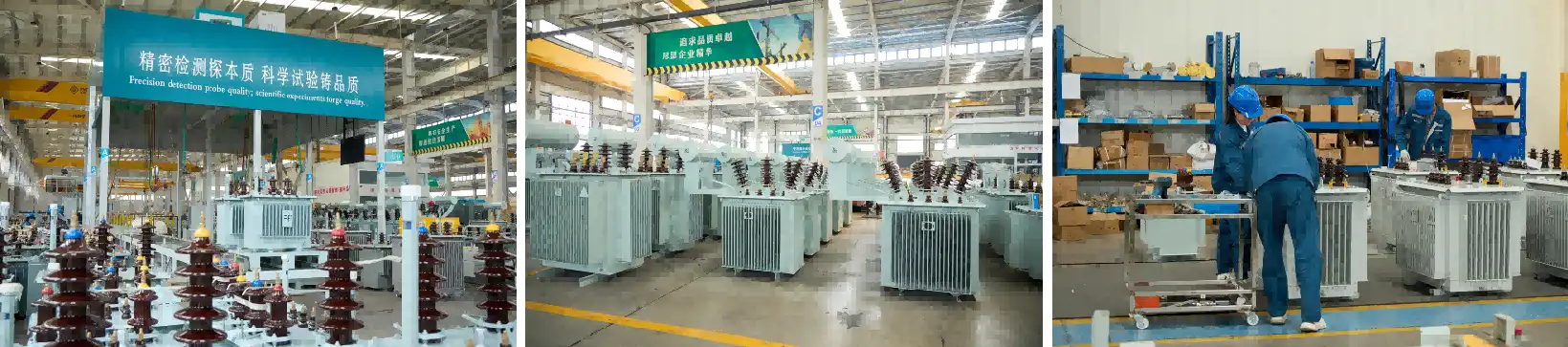
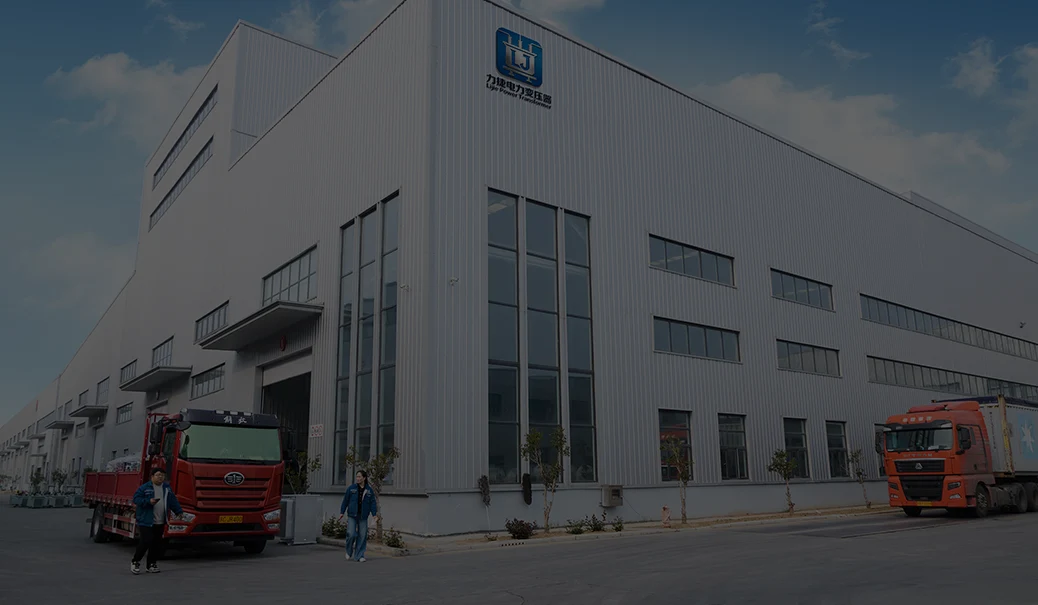
The Lijie Electric Power Technology Group makes a wide range of dry-type and oil-immersed medium voltage transformers. All of these have been certified by ISO 9001:2015, IEC, CE, and UL. We are a trusted MV Transformer manufacturer with more than 160 engineers and annual sales of more than 5 billion RMB. We offer proven reliability on a large scale. To get a professional advice, email us at lijieelectrical@gmail.com or go to lijie-electrical.com.
1. U.S. Department of Energy — National Electric Vehicle Infrastructure Standards and Requirements, 2023.
2. International Electrotechnical Commission — IEC 60076-1: Power Transformers – General, 2011.
3. IEEE Standards Association — IEEE C57.12.00: Standard for General Requirements for Liquid-Immersed Distribution, Power, and Regulating Transformers, 2021.
4. U.S. Department of Energy — Energy Conservation Standards for Distribution Transformers (DOE 2016 Final Rule), Federal Register, 2016.
5. Electric Power Research Institute (EPRI) — Powering Electric Vehicles: Transformer and Grid Impacts of DC Fast Charging, 2022.
6. Rocky Mountain Institute — Charging Infrastructure Cost Analysis for High-Power EV Corridors, 2023.
April 27, 2025
With a tight project schedule, the manufacturer delivered on time, and on-site technical personnel provided guidance throughout the entire installation and commissioning process; the collaboration was highly efficient and hassle-free.
July 2, 2025
During the preliminary phase, a selection plan was custom-tailored based on the actual site load requirements, resulting in a high degree of parameter compatibility. After-sales support responds within two hours, and ongoing technical support for operation and maintenance is comprehensive; we feel completely confident in a long-term partnership.
November 18, 2025
Deployed as a supporting component for a 35kV grid-connection project at a photovoltaic power station, the equipment operates for an average of 16 hours daily. It demonstrates excellent control over no-load losses, ensures smooth power generation and grid integration, and effectively reduces the station's overall energy consumption.
January 30, 2026
Under the continuous, high-load operating conditions of a factory production line, the equipment maintains stable electrical parameters and exhibits strong overload resistance, thereby guaranteeing an uninterrupted power supply for industrial production.
April 3, 2026
Integrated as a supporting component for a new energy photovoltaic grid-connection system, the manufacturer provided professional technical coordination and timely after-sales support, ensuring seamless adaptation to the specific electrical operating conditions required for grid integration.