April 27, 2025
With a tight project schedule, the manufacturer delivered on time, and on-site technical personnel provided guidance throughout the entire installation and commissioning process; the collaboration was highly efficient and hassle-free.
Oct 19, 2026
A high voltage transformer is the backbone of any long-distance power transmission network. By stepping up generator output voltage to levels such as 230kV, 500kV, or even 1100kV, these systems dramatically cut resistive line losses over hundreds of miles before stepping voltage back down for safe industrial or residential use. For procurement managers, electrical engineers, and project teams operating in utilities, renewable energy, or heavy industry, choosing the right power transformer directly shapes grid stability, lifecycle costs, and regulatory compliance. This guide walks through everything you need to make a confident, well-informed purchase decision.
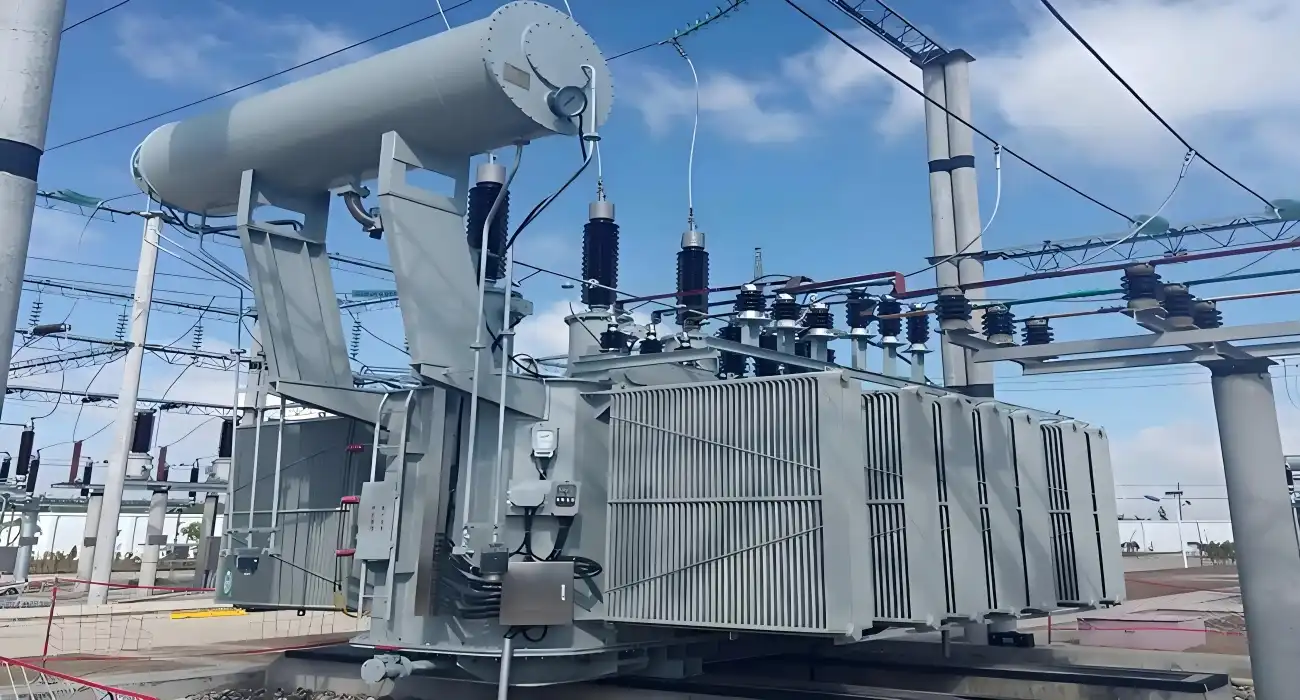
There is electromagnetic induction between the primary and secondary windings that are wound around a layered magnetic core. This is how a step-up/step-down transformer works. IEC 60076 says that units with a rating above 33kV are officially called high voltage transformers. Increasing the voltage at the production end lowers I² losses by a factor of two times the square of the current. This is why gains in transmission efficiency over long distances are so big.
How long a unit lasts in service depends on how it is wound and how well it is insulated. Insulation made of cellulose or synthetic ester that has been vacuum-impregnated improves the dielectric strength, and cores made of grain-oriented silicon steel (CRGO) lower hysteresis and eddy current losses. ONAN (Oil Natural Air Natural) and ONAF (Oil Natural Air Forced) are two cooling methods that keep oil and winding temperatures within safe design limits during high load.
The market is defined by three main application areas. Power generation substations step generator outputs from low levels (15kV) to high levels (500kV) while working under constant heat stress. Heavy industrial sites, like steel mills, mines, and chemical plants, need units that are built to handle harmonic distortion from arc furnaces. Offshore wind farms and big solar panels are two examples of renewable energy systems that need designs that are resistant to corrosion and can handle variable, two-way power flows.
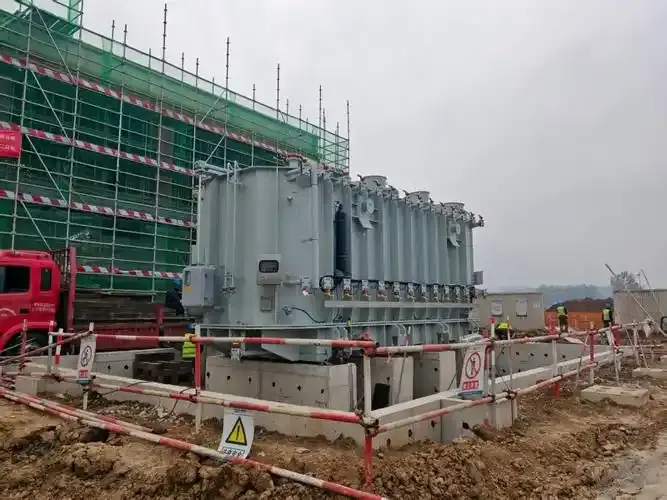
Most of the time, low voltage distribution transformers handle levels at or below 1kV and send power to end users. The transmission and sub-transmission range for high voltage units is from 33kV to 1100kV. In this range, engineers try to keep energy loss as low as possible along long lines. If you choose the wrong voltage class for a project, you will either not specify enough (which can lead to overload failures) or specify too much (which wastes money on rating margins that aren't needed).
Both methods have clear areas where they can be used. Due to the lack of a liquid insulator, dry-type high voltage transformer units are perfect for use indoors, in data centers, and in urban substations where fire safety is important. Oil-immersed units are the standard for outdoor transmission substations and large industrial facilities because they are better at getting rid of heat. As far as maintenance goes, oil units need to have dissolved gas analysis (DGA) and oil samples taken on a regular basis. Dry-type units, on the other hand, need to have their cooling fans and winding insulation checked on a regular basis.
Siemens, ABB, GE, Schneider Electric, and Mitsubishi are well known for their wide range of products and extensive service networks around the world. Each is good at certain voltage groups or sales in certain areas. Chinese companies like Lijie Electric offer ISO 9001:2015, IEC, CE, and UL-certified products at low lifecycle costs for large-scale B2B purchases. These companies are especially good for EPC contractors and utility developers working in emerging markets. They have a history of exporting their goods to Asia, Africa, and Oceania.
The most common ways for a high voltage transformer to fail are for the insulation to wear down, the transformer to get too hot, or for water to get inside. The earliest sign of insulation breakdown is a partial discharge (PD) measurement, which should be below 10pC according to IEC 60076. By installing Buchholz switches and constant DGA monitoring sensors, operations teams can find arcing or thermal problems before they get so bad that the system fails completely.
The most frequent failure modes in high voltage transformer operation are insulation degradation, overheating, and moisture ingress. Partial discharge (PD) measurements, with acceptable limits typically below 10pC per IEC 60076, give the earliest indication of insulation breakdown. Installing Buchholz relays and continuous DGA monitoring sensors lets operations teams detect arcing or thermal faults before they escalate to catastrophic failure.
Rigorous quality assurance requires multi-stage testing. Mandatory routines include lightning impulse tests to simulate atmospheric surges, power-frequency voltage withstand tests, and temperature rise tests confirming the cooling system holds winding temperatures within rated limits under full load. Sweep Frequency Response Analysis (SFRA) verifies mechanical winding integrity after transport—an often-overlooked step that directly affects field reliability.
Units must conform to IEC 60076 and IEEE C57.12.00, which set binding limits on no-load losses, short-circuit impedance, and dielectric performance. For projects in the United States and export markets, CE and UL marks provide the regulatory assurance that procurement offices and permitting authorities require. Confirming that a supplier holds current, auditable certifications—not just claims—is a non-negotiable step in the vendor selection process.
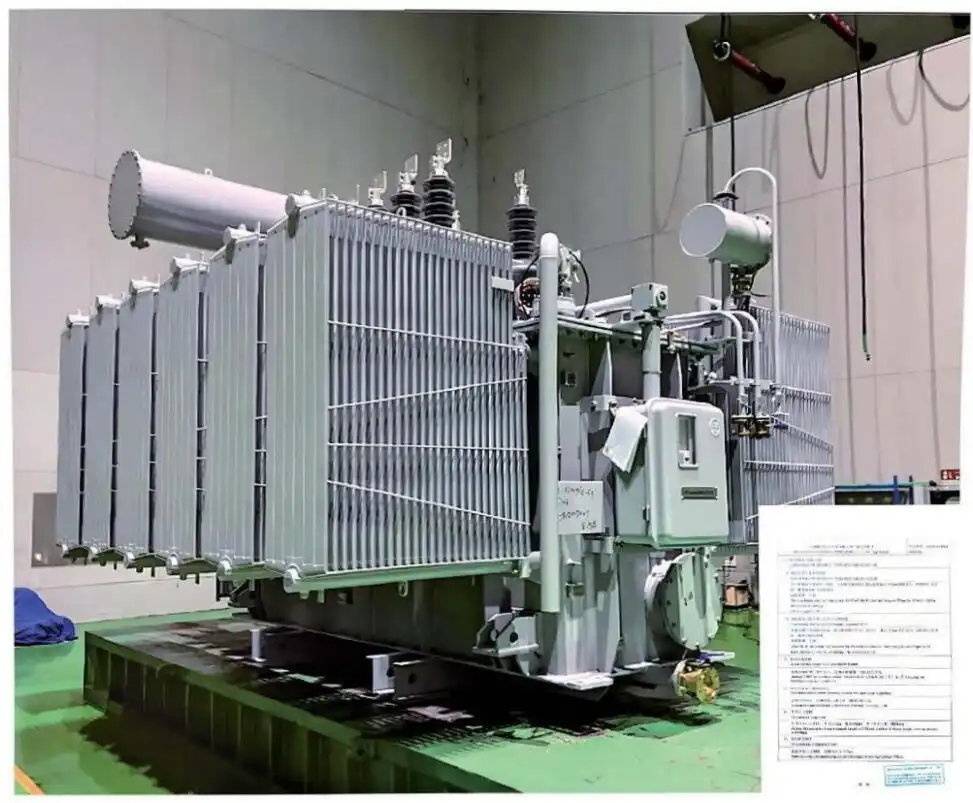
A clear set of considerations is the first step to good procurement for a high voltage transformer. Here are the most important things that procurement managers with a lot of experience put first:
Together, these three things show whether a buy is really worth it or will cause expensive problems in the future.
Standard stock units can be used for most distribution and sub-transmission tasks and have shorter lead times. Transformers like electric furnace transformers, rectifier transformers, and mining transformers need to be custom-built when the load profiles, harmonic content, or environmental conditions don't fit within the normal design parameters. When buying custom units, there should be a thorough review of the technical specifications, factory acceptance testing (FAT), and written warranty terms that cover both parts and labor.
When judging a seller, you need to look at more than just the price quote. Ask for certified test reports from outside labs, look at the supplier's references from projects like yours, and make sure they can provide after-sales service in your area. Long-term framework deals with highly skilled manufacturers lower the cost per unit, make delivery more predictable, and give you a way to keep improving your products as your project portfolio grows.
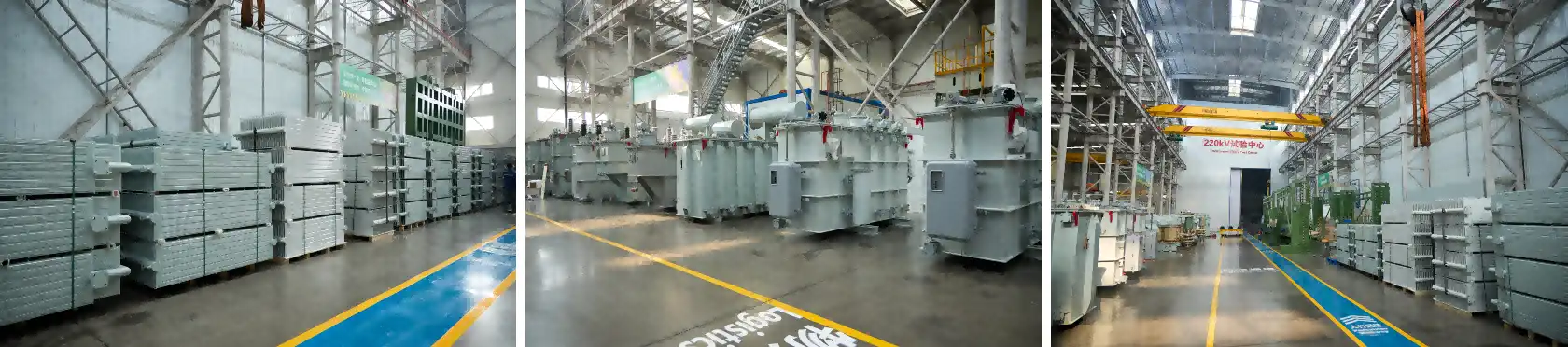
A 30-year asset is different from a 15-year asset in that it needs regular upkeep. Regular maintenance tasks like taking pictures of the joints and bushings using thermal imaging, taking oil samples for DGA once a year, and cleaning the cooling fins and fans don't cost much but keep expensive failures from happening. A structured preventive maintenance program that follows the manufacturer's instructions protects the guarantee and gives QA teams proof that the assets are healthy.
IoT-enabled monitors now make it possible to keep an eye on the temperature, moisture level, and partial discharge activity of oil online all the time. These systems send real-time alerts when parameters move out of their regular ranges. This gives support teams time to fix problems before they happen without warning. A study published in 2022 in IEEE Transactions on Power Delivery found that predictive maintenance programs cut down on transformer-related downtime by up to 40% compared to traditional inspection schedules that are based on time.
When a transformer fails, repairs that are done after the fact usually cost three to five times as much as planned preventative maintenance. If you think about how much money an industrial plant would lose in lost work time or how much a utility company would lose in grid outage fees, it's easy to see why proactive maintenance is a good idea. When you budget for maintenance as a set operational line item instead of a variable cost, you protect your capital investment and make sure that the transformer delivers stable power for its entire design life.
Choosing, getting, and taking care of the right high voltage transformer technology is important for sending power over long distances efficiently. Every choice you make affects how well your electrical infrastructure works in 20 to 30 years. This includes everything from knowing about voltage class standards and dielectric design to getting supplier certifications and lifetime cost models. Whether your project is to add more power to the grid, use renewable energy, or provide power to heavy industry, the best way to get long-lasting, reliable results is to match technical specs to operational reality and choose a manufacturer with proven quality credentials.
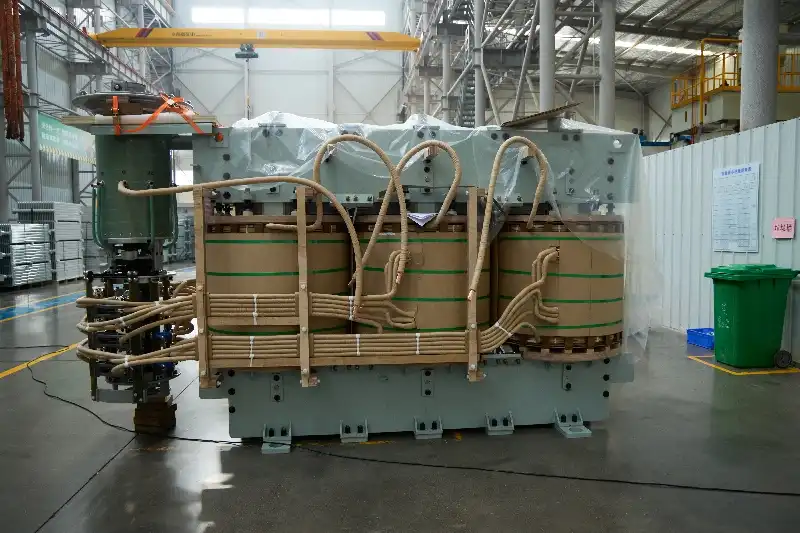
Per IEC standards, transformers rated at 1kV and above are classified as high voltage equipment, with ultra-high voltage (UHV) systems reaching 1100kV. In North American practice under IEEE C57.12.00, the high voltage designation commonly applies to equipment operating above 34.5kV.
Dry-type units are preferred for indoor, fire-sensitive, or space-constrained environments. Oil-immersed transformers are the standard for outdoor transmission substations and large industrial loads because of their superior thermal capacity and cost efficiency at higher MVA ratings.
Unusual humming or buzzing sounds, oil leaks, unexpected temperature alarms, tripped Buchholz relays, or abnormal DGA results—such as elevated hydrogen or acetylene levels—are all indicators that require immediate inspection by a qualified electrical engineer.
With proper maintenance and operating conditions within design limits, a high-quality oil-immersed power transformer has a service life of 25–40 years, per IEEE C57.91 loading guidelines.
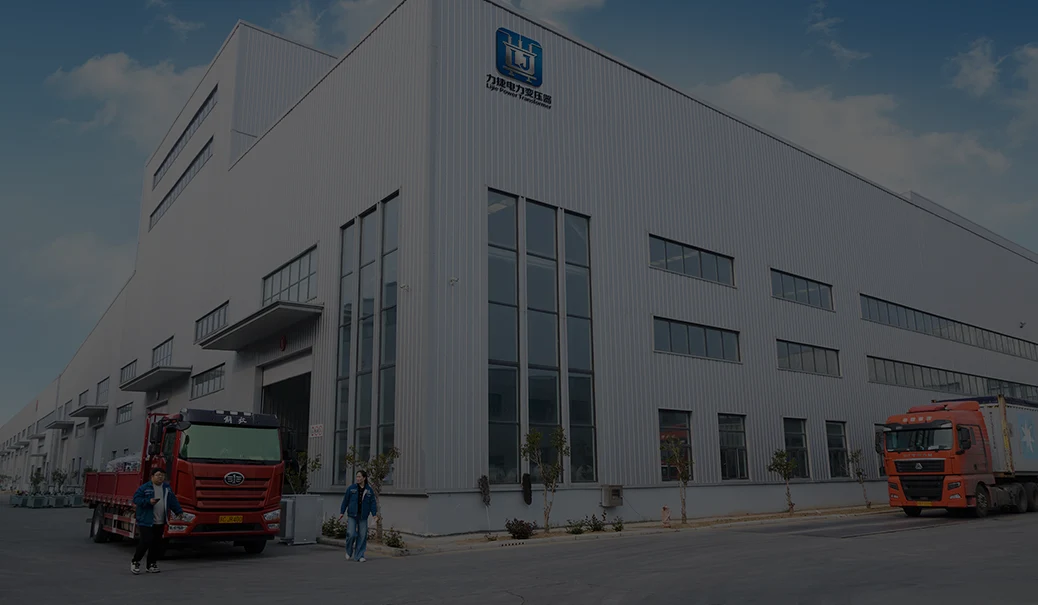
Lijie Electric Power Technology Group makes all kinds of high voltage transformers, such as dry-type, amorphous alloy, and specific industry units, as well as 110kV and 500kV power transformers. The National Transformer Quality Supervision and Inspection Center tests each product in the plant and backs it up with ISO 9001:2015, IEC, CE, and UL certifications. We can handle big orders, custom designs, and long-term supply deals because we are a reliable high voltage transformer supplier with yearly sales of more than 9 billion RMB. To get a technical advice or a reasonable quote, email us at lijieelectrical@gmail.com or check our website at lijie-electrical.com.
1. IEEE. IEEE C57.12.00: Standard for General Requirements for Liquid-Immersed Distribution, Power, and Regulating Transformers. 2021.
2. IEC. IEC 60076-1: Power Transformers – Part 1: General. 2011.
3. IEEE. IEEE C57.91: Guide for Loading Mineral-Oil-Immersed Transformers and Step-Voltage Regulators. 2011.
4. IEEE Transactions on Power Delivery. "Condition Monitoring and Predictive Maintenance of Power Transformers: A Review." 2022.
5. U.S. Department of Energy. Transformer Efficiency and Energy Savings in the United States Power Grid. 2020.
6. Cigré Working Group A2.49. Transformer Lifetime Management and Asset Condition Assessment. Cigré Technical Brochure, 2019.
YOU MAY LIKE


April 27, 2025
With a tight project schedule, the manufacturer delivered on time, and on-site technical personnel provided guidance throughout the entire installation and commissioning process; the collaboration was highly efficient and hassle-free.
July 2, 2025
During the preliminary phase, a selection plan was custom-tailored based on the actual site load requirements, resulting in a high degree of parameter compatibility. After-sales support responds within two hours, and ongoing technical support for operation and maintenance is comprehensive; we feel completely confident in a long-term partnership.
November 18, 2025
Deployed as a supporting component for a 35kV grid-connection project at a photovoltaic power station, the equipment operates for an average of 16 hours daily. It demonstrates excellent control over no-load losses, ensures smooth power generation and grid integration, and effectively reduces the station's overall energy consumption.
January 30, 2026
Under the continuous, high-load operating conditions of a factory production line, the equipment maintains stable electrical parameters and exhibits strong overload resistance, thereby guaranteeing an uninterrupted power supply for industrial production.
April 3, 2026
Integrated as a supporting component for a new energy photovoltaic grid-connection system, the manufacturer provided professional technical coordination and timely after-sales support, ensuring seamless adaptation to the specific electrical operating conditions required for grid integration.