April 27, 2025
With a tight project schedule, the manufacturer delivered on time, and on-site technical personnel provided guidance throughout the entire installation and commissioning process; the collaboration was highly efficient and hassle-free.
Oct 19, 2026
When managing large-scale power infrastructure projects, selecting the right medium voltage transformer supplier can determine whether your project runs on schedule or faces costly operational failures. A qualified MV transformer supplier bridges the gap between high-voltage transmission grids and end-user applications within the 1kV to 35kV range, delivering engineered solutions that keep utilities, renewable energy plants, and industrial facilities running safely for decades.
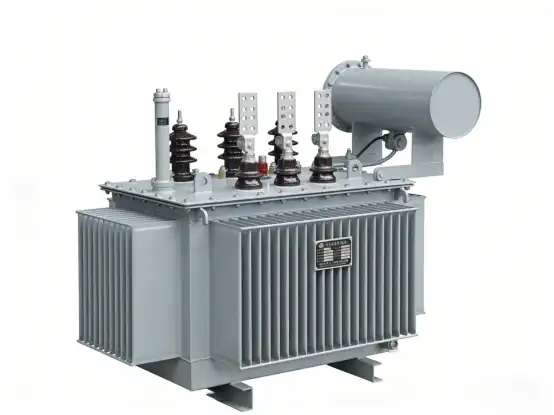
Some people who sell MV transformers do a lot more than just ship gear. Because of the factors at the spot, the types of loads, and government rules, they help project teams pick the right type of transformer. This could be a transformer that is submerged in oil, made of cast plastic, or fixed on a pad. Their expert teams check voltage ratios, insulation classes, and cooling methods before they start making the product to make sure it will work well with your current system.
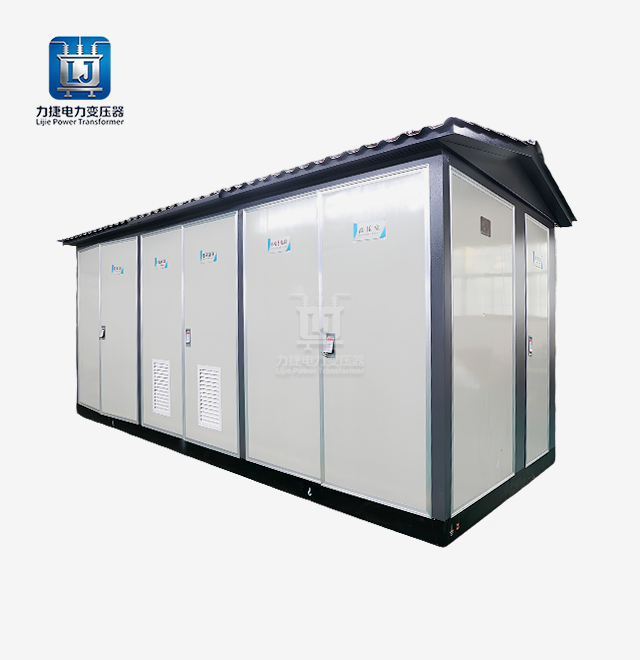
MV transformer suppliers work with four main types of businesses. Companies that sell electricity need stable units that are connected to the grid and have Basic Impulse Levels (BIL) between 60kV and 200kV. Users of renewable energy need substation systems that are either dry or already built so they can work with changing solar and wind sources. Steel mills, mines, chemical companies, and other places need rectifier transformers and electric furnace units that are made just for them. The transformers need to be small and have a value of 35kV or less so they can be used in towns and industrial parks.
Suppliers with a lot of experience do more than just deliver goods. They also do dissolved gas analysis (DGA) for oil-filled units, Factory Acceptance Testing (FAT), custom busbar alignment for repair projects, and readings after the installation is done. These services make it less likely that something will go wrong in the beginning and extend the life of the system to the 10–30 years that most buying teams need.
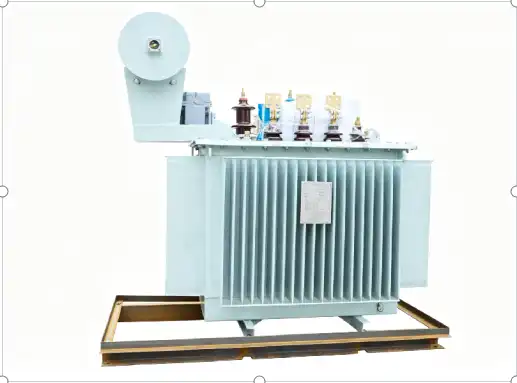
Any MV transformer provider that is worth their salt needs to have credentials that can be checked. Make sure it meets the standards for ISO 9001:2015, IEC 60076, IEEE C57.12.00, CE, and UL at the very least. IEEE and UL licenses are needed for projects in the US. Suppliers who send goods to international EPC projects must also follow IEC rules for 10kV and 35kV gear. The project is more likely to fail without these, and the insurance company might not pay for the costs.
You have to wait between 16 and 32 weeks for normal custom-engineered MV units, which includes testing time. Before you choose a service, find out how much they can make in bulk, how long their warranties are (usually between 2 and 5 years), and how their payment terms fit into the cash flow of your project. You shouldn't work with a service provider that can't handle long-term project-based buying of a lot of items.
Not all suppliers are good for all projects. When you buy a lot from an OEM, you get more design options and lower unit costs. When it comes to distribution, suppliers put speed and stock availability first. You can be sure of a steady supply when you work with a manufacturer that has two factories and more than 2,000 skilled workers with a Medium Voltage Transformer Supplier. This is important for large EPC companies or national utility projects that need to be finished quickly.
Information from the U.S. Department of Energy's 2016 transformer efficiency guidelines shows that no-load losses are cut by as much as 70% in transformers made with amorphous metal materials or grain-oriented silicon steel cores. People who are in charge of hundreds of distribution points will save a lot of money on energy costs over the next 25 years.
When project teams work with qualified MV transformer sellers, these are the main benefits they get:
Amorphous metal cores with low loss and vacuum pressure impregnation (VPI) insulation methods keep dielectric losses below what the market requires. These are as good as or better than what DOE 2016 and EcoDesign Tier 2 require.
Improved fault tolerance: Partial discharge testing (usually held below 10pC) and short-circuit survive tests make sure that the mechanical integrity works well in the worst fault situations before launch.- Products with IEC, CE, UL, and energy saving standards (CQC, PCCC) get rid of the risk of buying them during the approval process. This means they are legal from the start.
Big projects like green energy and building new roads cause buying managers a lot of trouble. These benefits help them directly with those issues, especially when it comes to keeping costs down over time and getting permission from the government.
It's easier to buy from suppliers who have quality management systems that have been around for a while. You can be sure that a supplier that follows the GB/T 27922-2021 after-sales service standard and works with ISO 9001:2015 will give you clear instructions for on-site support, diagnostics, and maintenance, both in the US and other countries. This is true for both deliveries.
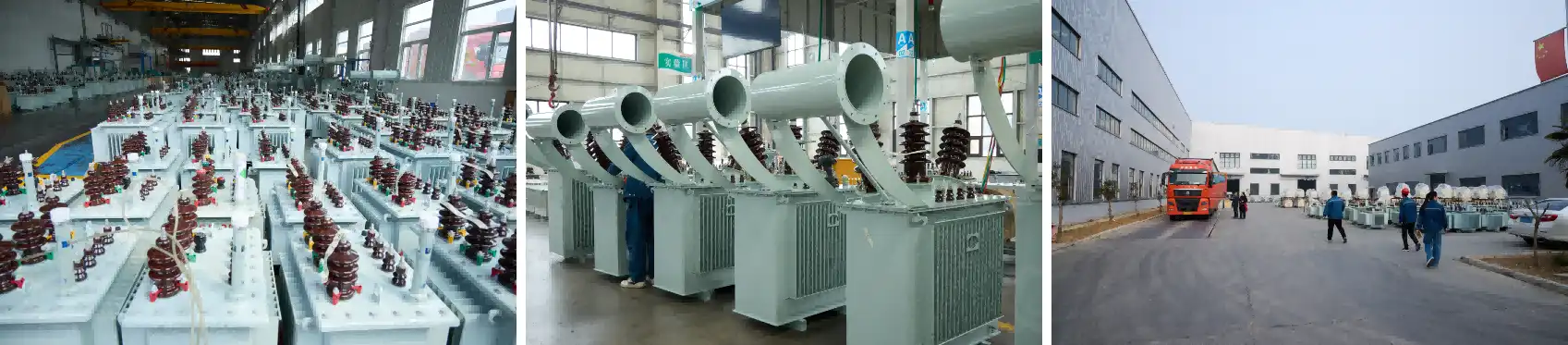
If you buy a lot from one qualified manufacturer for a big project, the price per unit is usually less and it's easier to organize the logistics. Before you agree, make sure you know the minimum order amounts, how the production works, and if there is space in the warehouse. Suppliers with plants that are 800,000 square meters and annual sales of more than 9 billion RMB can keep up with the output of grid-scale projects without having to take breaks.
At the RFQ stage, you start managing wait times on your own. Get the supplier's work plan as soon as possible and let them know when your project is due. When you want to send something, make sure the seller has shipped to the country you want to go to before and knows the rules, papers, and port needs for that country. Costs don't go up when shipping terms are clear, like FOB or CIF.
Structured maintenance procedures are needed to make sure that operations will work reliably for a long time. Transformers that are filled with oil should have regular DGA tests done so that arcing or heat damage can be found early on. Every once in a while, dry-type units need to have their insulation resistance (Megger) checked and their cooling tubes looked at visually with a Medium Voltage Transformer Supplier. Repair costs are more stable and issues are fixed faster when service agreements are written into contracts with suppliers.
Along with sensors and IoT communication modules, the next generation of MV transformers is already here. The temperature, load, and insulation state are sent in real time to central tracking systems by these. Since maintenance will no longer be done at set times, it will be done based on the situation. This cuts down on downtime that isn't needed and finds problems early on, before they get worse.
As of now, amorphous alloy cores are still being used instead of silicon steel in new ideas for distribution transformers. This is very important in places with strict rules about saving energy. A study in IEEE Transactions on Power Delivery found that amorphous core transformers have 60–80% less no-load loss than standard designs. Because of this, they are the best choice for projects that want to use both wind and sun power.
In North America, Europe, and the Asia-Pacific region, rules about how much energy distribution transformers must use are getting stricter. If a supplier has more than one license, such as IEC, CE, UL, and CQC, they can better serve foreign customers because they don't have to re-engineer or re-certify their goods. This makes the project approval process go faster.
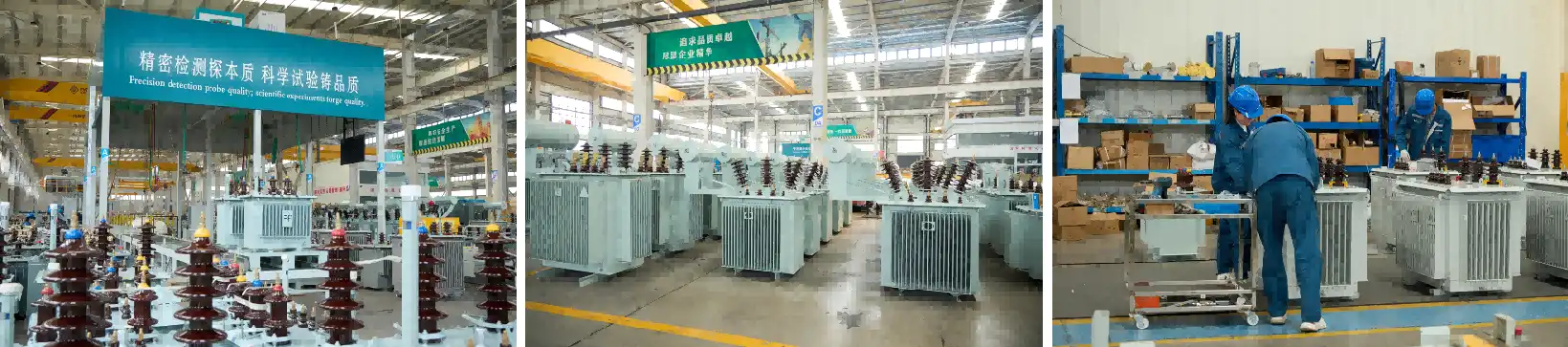
How safe the project is, how much it costs, and how well the grid works in the long run all depend on which MV transformer provider you choose with a Medium Voltage Transformer Supplier. When it comes to special engineering, foreign certification, and organized help after the sale, a good provider really adds value at every stage of a project. businesses in the U.S. and around the world use Lijie Electric's proven production skills and deep scientific knowledge to help utilities, industrial operators, and EPC businesses.
At a minimum, look for ISO 9001:2015, IEC 60076, CE, and UL certifications. For U.S. projects, IEEE C57.12.00 compliance is standard. Suppliers serving renewable energy or grid projects should also carry energy efficiency certifications such as CQC or PCCC.
Custom units generally require 16 to 32 weeks from order confirmation to delivery, depending on design complexity, material sourcing, and Factory Acceptance Testing requirements. Always confirm the production schedule at the RFQ stage.
Yes. Experienced manufacturers can adjust busbar alignments, tank dimensions, and terminal configurations to match existing infrastructure, eliminating costly site modifications on retrofit or upgrade projects.
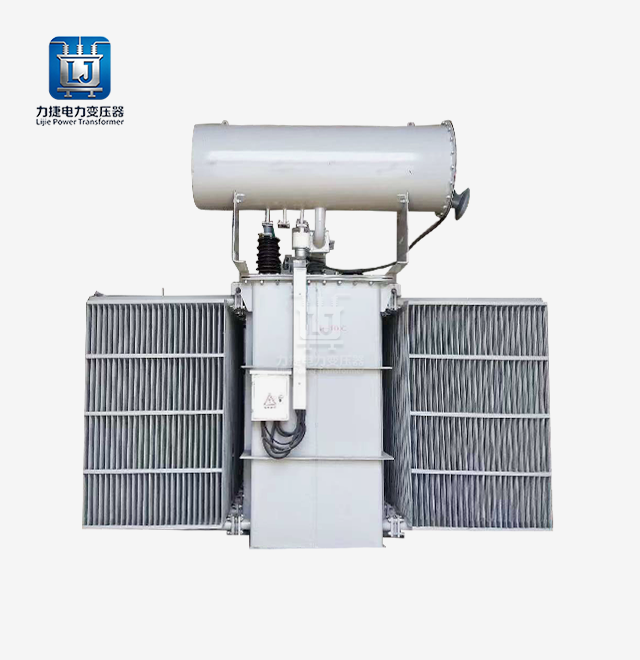
Cast resin (dry-type) transformers are self-extinguishing and moisture-resistant, making them the right choice for indoor installations where fire safety is a priority. Oil-immersed units offer higher thermal capacity and lower cost at larger kVA ratings, suiting outdoor or industrial environments.
Oil-filled units benefit from dissolved gas analysis (DGA) to detect internal faults. Dry-type units require insulation resistance testing and visual inspections. Structured service agreements with qualified suppliers cover both scheduled maintenance and emergency response.
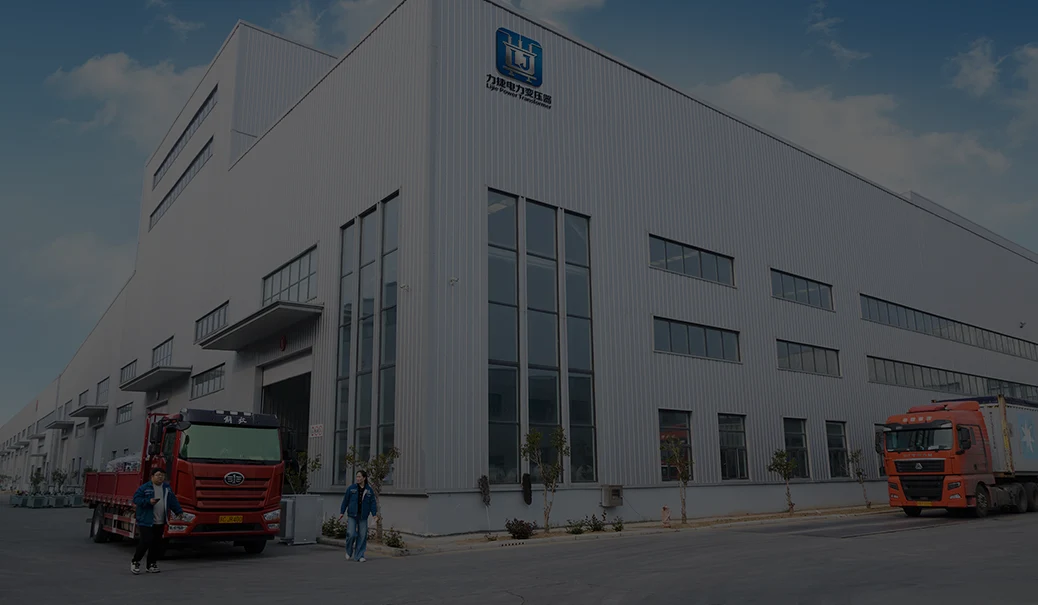
A lot of different kinds of medium voltage transformers and distribution gear are made by Lijie Electric Power Technology Group. These include dry-type and oil-immersed units, substations that are already built, and special industrial transformers. Lijie Electric has two factories in Xuzhou and Nantong. It also has more than 400 engineers with PhDs and master's degrees, as well as licenses from ISO 9001:2015, IEC, CE, and UL. They are able to meet the supply and quality needs of tough projects as a Medium Voltage Transformer Supplier. Email our team at lijieelectrical@gmail.com or visit lijie-electrical.com to get a price from a reputable company that makes medium voltage transformers.
1. IEEE Transactions on Power Delivery — Performance Characteristics of Amorphous Core Distribution Transformers, IEEE, 2019.
2. U.S. Department of Energy — Energy Conservation Standards for Distribution Transformers, DOE, 2016.
3. International Electrotechnical Commission — IEC 60076: Power Transformers, IEC, 2018.
4. IEEE Standard C57.12.00 — General Requirements for Liquid-Immersed Distribution, Power, and Regulating Transformers, IEEE, 2021.
5. U.S. Energy Information Administration — Electric Power Annual: Transmission and Distribution Infrastructure Report, EIA, 2022.
6. Electrical Engineering Journal — Advances in Medium Voltage Distribution Transformer Design and Efficiency, Elsevier, 2020.
YOU MAY LIKE




April 27, 2025
With a tight project schedule, the manufacturer delivered on time, and on-site technical personnel provided guidance throughout the entire installation and commissioning process; the collaboration was highly efficient and hassle-free.
July 2, 2025
During the preliminary phase, a selection plan was custom-tailored based on the actual site load requirements, resulting in a high degree of parameter compatibility. After-sales support responds within two hours, and ongoing technical support for operation and maintenance is comprehensive; we feel completely confident in a long-term partnership.
November 18, 2025
Deployed as a supporting component for a 35kV grid-connection project at a photovoltaic power station, the equipment operates for an average of 16 hours daily. It demonstrates excellent control over no-load losses, ensures smooth power generation and grid integration, and effectively reduces the station's overall energy consumption.
January 30, 2026
Under the continuous, high-load operating conditions of a factory production line, the equipment maintains stable electrical parameters and exhibits strong overload resistance, thereby guaranteeing an uninterrupted power supply for industrial production.
April 3, 2026
Integrated as a supporting component for a new energy photovoltaic grid-connection system, the manufacturer provided professional technical coordination and timely after-sales support, ensuring seamless adaptation to the specific electrical operating conditions required for grid integration.