April 27, 2025
With a tight project schedule, the manufacturer delivered on time, and on-site technical personnel provided guidance throughout the entire installation and commissioning process; the collaboration was highly efficient and hassle-free.
Oct 19, 2026
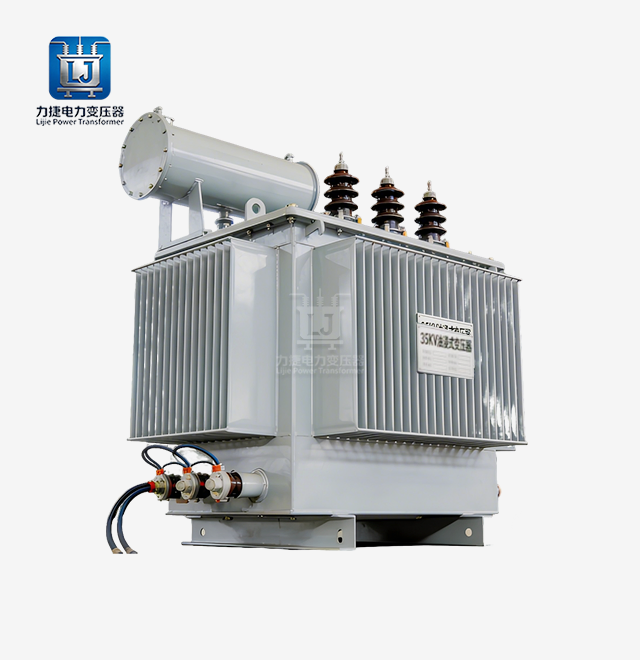
A qualified medium voltage transformer supplier does far more than deliver equipment. They analyze load profiles, identify inefficiencies in existing infrastructure, and provide engineered solutions that keep industrial facilities running safely within the 1kV–35kV operating range. By offering customized transformer designs—whether oil-immersed, dry-type, or cast resin—alongside technical support and compliance documentation, the right supplier reduces energy waste, limits unplanned outages, and helps facilities meet IEC, IEEE, and local regulatory standards. For procurement teams managing large-scale industrial or utility projects, that combination of technical depth and supply reliability is where real value is created.
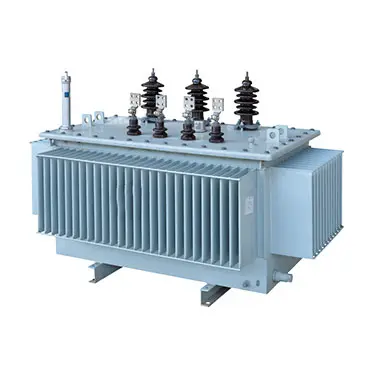
Medium voltage equipment is utilised between the high voltage transmission line and the low voltage equipment on the plant floor. The voltage of this equipment ranges from 1kV to 35kV. They alter the voltage from high to low so that motors, control systems, and industrial machines can remain working at the proper level. If the tools at this point aren't rock solid, the entire system farther down the line may become unstable.
The people who work in procurement pay close attention to Basic Impulse Levels (BIL) that range from 60kV to 200kV, K-factor values that help reduce harmonics in settings with nonlinear loads, and insulation classes like Class H (220°C) for dry-type units. Using grain-oriented silicon steel in the core building directly lowers no-load losses, which have an effect on the annual running costs over a 20–30 year service life.
The U.S. Department of Energy says that between 2% and 3% of all the energy made in the U.S. is lost as heat during transmission and delivery through distribution transformers. If you buy low-loss transformer designs, like amorphous alloy core units, you can cut no-load losses by as much as 70% compared to silicon steel cores. This means that over 25 years, steel mills, data centers, and green energy projects will all save a lot of money.
Price is only one side of the coin. Product lifespan cost is generally the deciding factor in acquisition, including energy loss, maintenance frequency, and likelihood of replacement. While more expensive at first, high-efficiency transformer designs with lower temperature ratings often need less cooling equipment and have fewer failures, which reduces overall cost of ownership.
A reputable firm that manufactures MV transformers should have ISO 9001:2015 certification, and its products should comply with IEC 60076, IEEE C57.12.00, CE, and UL standards as required by a Medium Voltage Transformer Supplier. The ability to deliver IEC-certified equipment with complete FAT paperwork is important for cross-border EPC projects. Make sure the licenses are up to date and from a credible testing agency.
Lead times for custom-built medium voltage units are usually between 16 and 32 weeks. It is easier for suppliers to meet project dates for large orders if their business is vertically integrated and they have their own project management teams. Long-term operating efficiency is directly affected by help after delivery, such as dissolved gas analysis (DGA) for oil-filled units, the availability of spare parts, and on-site expert aid.
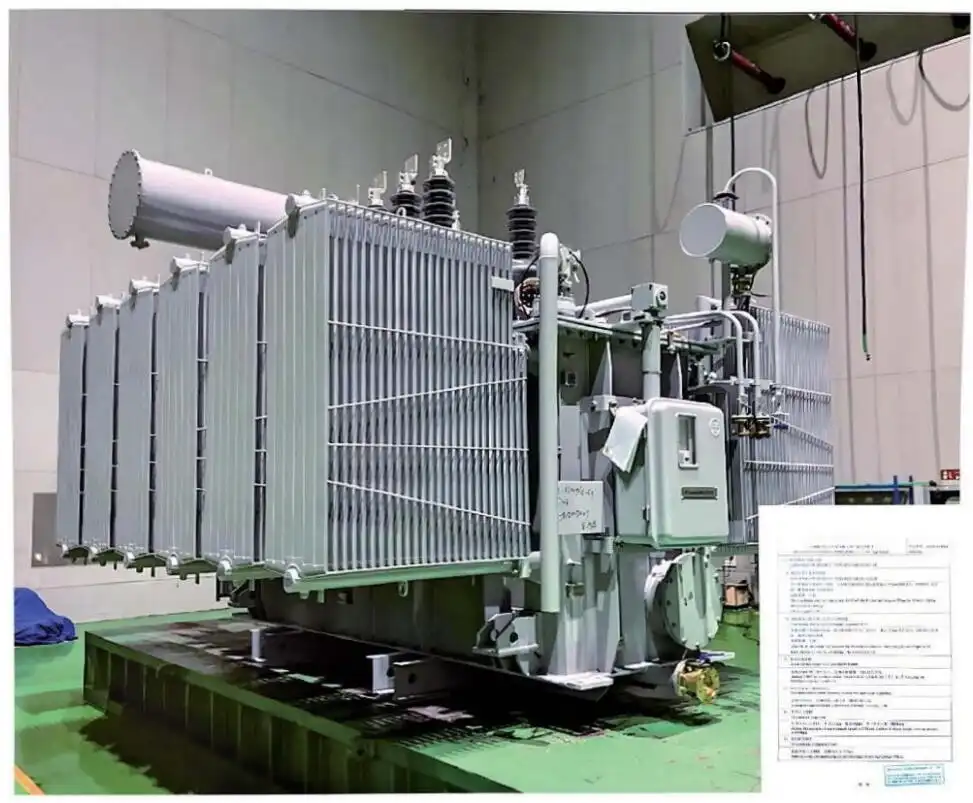
Different fields have very different needs when it comes to transformer design. Steel plants need electric furnace transformers that can handle very high short-circuit loads. Units used in mining have to be able to work continuously in dusty, high-vibration environments. For wind farms and solar farms to work, they need dry-type transformers or prefabricated substations that can handle changing production patterns without the insulation wearing down over time.
In industrial power systems, a good MV transformer vendor makes a substantial difference in these areas:
These capabilities allow transformer management to evolve from reactive to proactive. This results in less unplanned downtime and longer life for equipment.
Vacuum Pressure Impregnation (VPI) and vacuum casting methods enhance the dielectric strength of dry-type devices, allowing them to operate safely in wet or chemically aggressive environments. Although amorphous alloy cores cost more than standard silicon steel cores, their no-load losses are substantially lower, and they are currently the main option of utilities and manufacturers looking for better energy efficiency ratings.
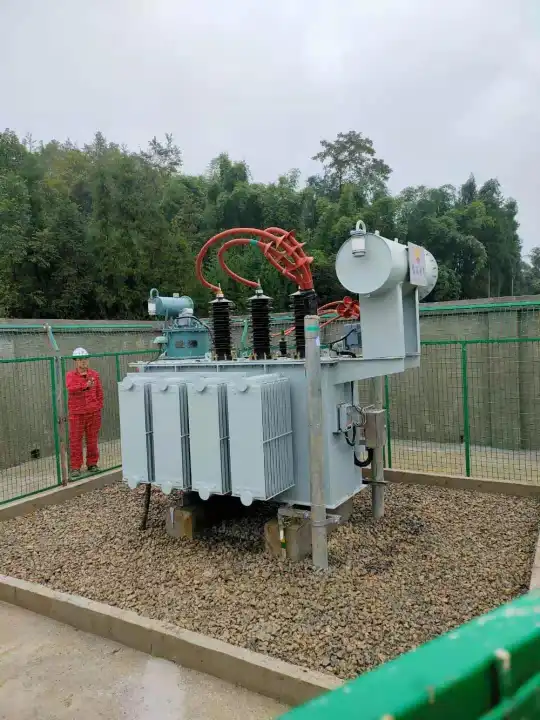
An RFQ that is well put together should include the voltage ratio, the rated power (in kVA or MVA), the cooling method (ONAN, ONAF, AN, AF), the installation setting (indoor/outdoor, altitude, ambient temperature), and the licenses that are needed from a Medium Voltage Transformer Supplier. Giving this information up front cuts down on back-and-forth messaging and speeds up the supplier's ability to make a correct technical and business proposal.
Customs classification, port-of-entry paperwork, and certification proof make it harder to buy things across borders. Working with suppliers who have a history of exporting, especially those with CE and UL certifications and a track record of supplying to international markets, lowers the chance of delays at customs or rejection by local government officials.
A long-term partner is different from a transactional equipment seller because they offer technical training for site staff, quick access to extra parts, and quick response field support. When suppliers offer structured after-sales programs backed by measurable service standards, they help procurement managers lower business risk and show internal stakeholders why they chose that seller.
A big factory got rid of old standard-efficiency distribution transformers and replaced them with amorphous metal core units that were sized after a careful load analysis. Annual no-load losses went down by about 65%, which led to a noticeable drop in electricity costs in the first year of operation. The buying team and the supplier's engineering staff worked together closely to make sure the project was finished on time.
An international EPC company building a solar farm in Southeast Asia needed 35kV prefabricated substations that were certified by the IEC and could be delivered within 20 weeks. By working with a source who kept enough raw materials on hand and set aside production capacity for export orders, the contractor got all the units on time and avoided costly delays that would have led to penalties.
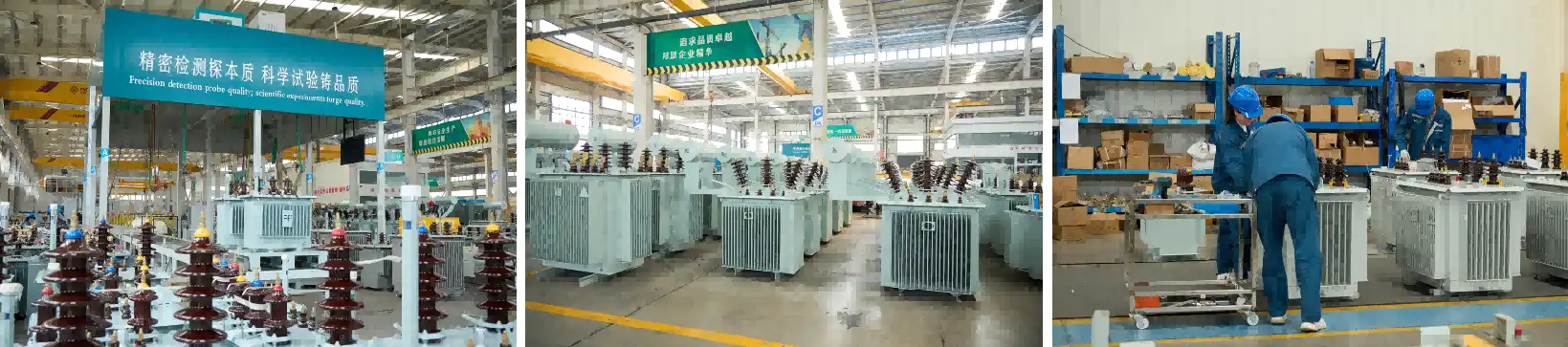
Choosing the right partner to buy medium voltage transformers is a choice that will have long-lasting effects on how well the facility works. Expertise in engineering, certified product quality, scalable production, and technical support after delivery are all things that the best suppliers offer as a Medium Voltage Transformer Supplier. Whether it's for a grid substation, a renewable energy plant, or a heavy industrial facility, the right transformer solution—one that is the right size, has been tried, and comes with the right support—lowers costs and risks over the life of the equipment.
Check for at least ISO 9001:2015 certification for quality management, IEC 60076 approval for product performance, and CE or UL certification, based on the market it will be sold in. IEEE C57.12.00 approval is the norm for projects in the United States. When it's necessary, suppliers who work with foreign EPC markets should also have PCCC approval.
At the same maximum current, look at the no-load losses (in watts) and the load losses (in watts). According to IEEE C57.12.00, the total owning cost (TOC) formula lets you put a dollar amount on losses based on how much electricity costs in your area. Standard silicon steel designs always have higher no-load losses than amorphous alloy core units.
It usually takes 16 to 32 weeks for custom-engineered units to be delivered after the order is confirmed. This time includes reviewing the design and passing Factory Acceptance Testing (FAT). For standard setups, suppliers with specialized export production lines and materials that have already been found may be able to cut this time frame.
Yes. Skilled makers can change the orientation of the busbars, the size of the tanks, and the layout of the terminals to fit the infrastructure that is already there. This lowers the cost of installation and keeps expensive civil changes from having to be made.
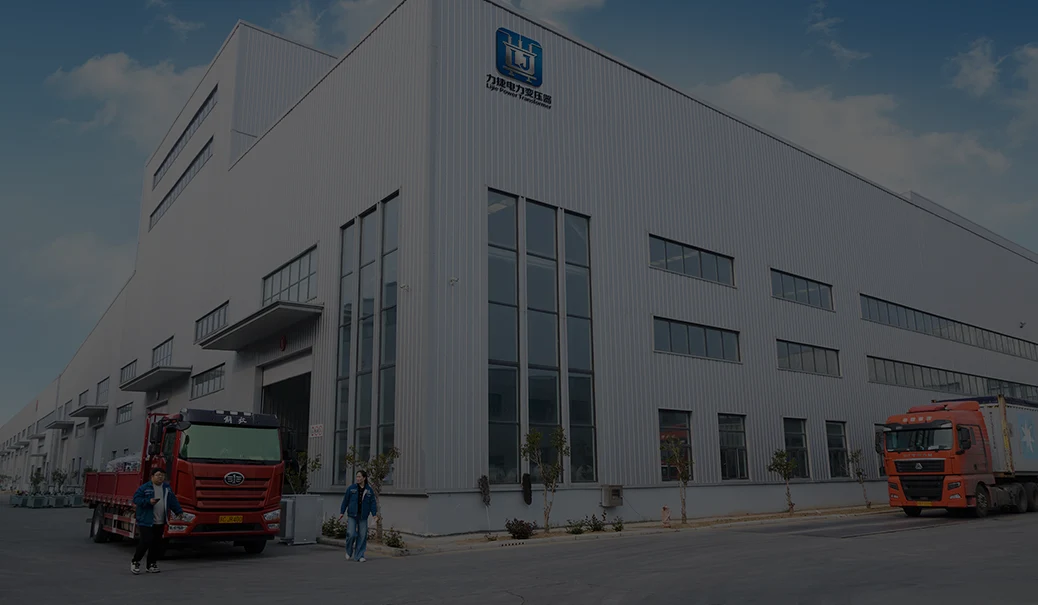
The Lijie Electric Power Technology Group has two factories in China that are each 800,000 square meters big. They hire more than 3,500 people and make more than 9 billion RMB a year. Lijie Electric is a certified Medium Voltage Transformer Supplier and manufacturer. All of its products, from oil-immersed and dry-type units to electric furnace and mining transformers, are certified by ISO 9001:2015, CE, UL, and IEC. Get in touch with our tech team to talk about the details of your project and get a quote. You can email us at lijieelectrical@gmail.com or go to lijie-electrical.com.
1. IEEE Standards Association. IEEE C57.12.00: IEEE Standard for General Requirements for Liquid-Immersed Distribution, Power, and Regulating Transformers. 2021.
2. International Electrotechnical Commission. IEC 60076-1: Power Transformers – Part 1: General. 2011.
3. U.S. Department of Energy, Office of Electricity. Transformers: Energy Efficiency and Reliability in the U.S. Electric Grid. 2020.
4. Electric Power Research Institute (EPRI). Transformer Life Management: Condition Assessment and Maintenance Practices. 2019.
5. Baranowski, J. F., & Hopkinson, P. J. Transformer Total Owning Cost: What Utilities and Industries Need to Know. IEEE Transactions on Industry Applications. 2004.
6. Rocky Mountain Institute. The Economics of Load Loss Reduction in Industrial Distribution Transformers. 2018.
YOU MAY LIKE




April 27, 2025
With a tight project schedule, the manufacturer delivered on time, and on-site technical personnel provided guidance throughout the entire installation and commissioning process; the collaboration was highly efficient and hassle-free.
July 2, 2025
During the preliminary phase, a selection plan was custom-tailored based on the actual site load requirements, resulting in a high degree of parameter compatibility. After-sales support responds within two hours, and ongoing technical support for operation and maintenance is comprehensive; we feel completely confident in a long-term partnership.
November 18, 2025
Deployed as a supporting component for a 35kV grid-connection project at a photovoltaic power station, the equipment operates for an average of 16 hours daily. It demonstrates excellent control over no-load losses, ensures smooth power generation and grid integration, and effectively reduces the station's overall energy consumption.
January 30, 2026
Under the continuous, high-load operating conditions of a factory production line, the equipment maintains stable electrical parameters and exhibits strong overload resistance, thereby guaranteeing an uninterrupted power supply for industrial production.
April 3, 2026
Integrated as a supporting component for a new energy photovoltaic grid-connection system, the manufacturer provided professional technical coordination and timely after-sales support, ensuring seamless adaptation to the specific electrical operating conditions required for grid integration.