April 27, 2025
With a tight project schedule, the manufacturer delivered on time, and on-site technical personnel provided guidance throughout the entire installation and commissioning process; the collaboration was highly efficient and hassle-free.
Sep 3, 2026
When clients ask me what industries require high voltage transformer solutions, my answer is straightforward: virtually every sector that moves large amounts of electrical energy depends on them. A high voltage transformer steps voltage up or down between transmission lines and end-use equipment, maintaining grid stability and operational safety. Power utilities, renewable energy developers, heavy manufacturers, infrastructure builders, and international EPC contractors all rely on purpose-built transformer solutions to keep their projects running efficiently, safely, and within budget. Understanding which solution fits your industry is the first step toward a smarter procurement decision.

Through electromagnetic induction, a transformer moves electricity from one circuit to another. For high-voltage uses, the core is usually made with grain-oriented silicon steel (CRGO). This reduces hysteresis and eddy current losses, which directly lowers running costs over a 20–30 year service life. Some cooling methods, like ONAN (Oil Natural Air Natural) or ONAF (Oil Natural Air Forced), control the heat load, and vacuum-impregnated insulation systems keep the dielectric integrity during surges. To make sure the insulation is good, IEC 60076 and IEEE C57.12.00 say that the partial discharge must stay below 10 pC at the regulated voltage.
Most failures in transformers that are already in use are caused by insulation wear and thermal stress. By finding flammable gasses dissolved in transformer oil, dissolved gas analysis (DGA) can find problems before they happen, like arcing or burning. Sweep Frequency Response Analysis (SFRA) checks the stability of the mechanical windings after transport or earthquake events. Regularly checking the temperature and taking oil samples on a regular basis greatly extend the life of assets. Not following these rules can cause unplanned power outages that cost utilities and manufacturers a lot more than the preventative maintenance itself.
In many fields, purpose-built generator equipment is an essential part of doing business. This is how the needs of each industry translate into specific buying needs.
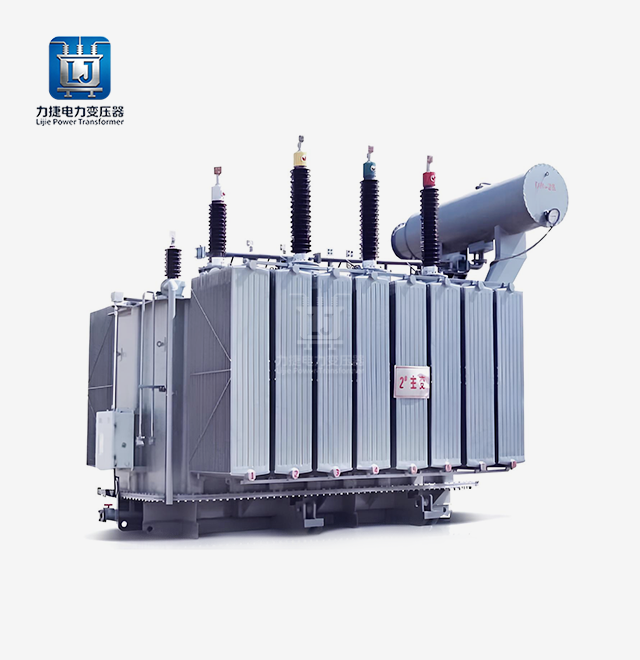
Power & Utility Industry — High Voltage Transformer units with ratings of 220kV, 500kV, and higher are needed by national grid owners and area utilities. The loads on these transformers change constantly, they are exposed to harsh weather, and they have to operate continuously. As per IEC 60076, equipment must meet strict limits for no-load loss and short-circuit impedance. Lijie Electric manufactures 110kV, 220kV, and 500kV-class transformers that have passed type and routine tests at the Wuhan High Voltage Research Institute, making them suitable for transmission-level grid applications.
Renewable Energy Industry — In the renewable energy industry, power from solar farms and wind farms is sporadic and has a frequency that changes. This type of power needs transformers with strong harmonic tolerance. A lot of renewable energy sites use prefabricated substations and dry-type transformers with ratings of 35kV or less because they don't need a lot of civil work and can work in places with a lot of moisture. The U.S. Energy Information Administration says that utility-scale solar power in the US topped 90 GW in 2023. Each gigawatt needs a lot of substation transformer infrastructure .
Industrial Manufacturing — Electric furnace transformers, rectifier transformers, and mining-duty units that can handle high harmonic distortion, frequent cycles, and harsh mechanical conditions are needed in steel mills, chemical plants, and mines. Because these aren't common items, they need custom tap ranges, tailored vector group configurations, and stronger tank designs. A difference in short-circuit impedance can hurt process equipment that is linked or lead to expensive shutdowns of output.
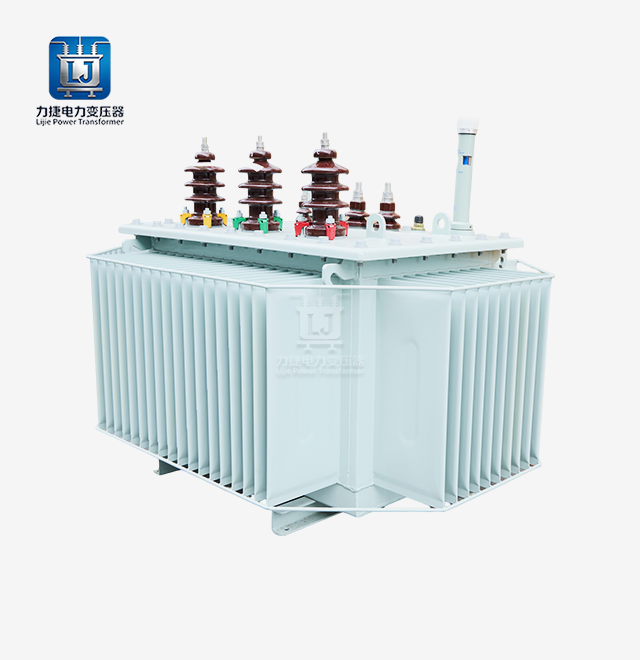
Infrastructure & Construction — Small substations and oil-immersed distribution transformers at ≦35kV are needed for urban distribution networks, industrial parks, and real estate projects. Box-type (compact) substation solutions that put all the switching and safety parts in a single case are often chosen by developers because they are small, quiet, or meet esthetic standards.
Overseas EPC Projects — International engineering firms that need to buy equipment for Southeast Asia, Central Asia, Africa, and Oceania must find transformers that are IEC/CE/UL-certified and have a history of exporting. Lijie Electric's goods are shipped to Australia, New Zealand, India, Vietnam, Malaysia, Indonesia, Kazakhstan, Egypt, and Kenya, with full licensing packages that make it easier for customs and government approval.
One thing that all five of these groups have in common is that the cost of a failed transformer is much higher than the cost of choosing the right source from the start.

For outdoor, high-capacity installations where cooling efficiency is very important, an oil-immersed High Voltage Transformer works better under high thermal loads and is often the preferred choice. Dry-type units with cast-resin or vacuum-pressure-impregnated (VPI) insulation work well indoors, in data centers, and at green energy facilities where fire safety and easy maintenance access are important. There is no one type that is always better; the right choice depends on the application setting, load profile, and local fire rules.
The peak demand load (kVA or MVA), the system voltage ratio, the vector group requirements, and the temperature range in the room are the first things that are used to size the transformer. Before approving a buy order, people who work in procurement should ask for factory acceptance test (FAT) records, partial discharge measurement data, and temperature rise test certificates. ABB, Siemens, GE, and Schneider Electric are all well-known brands around the world. Each one offers a wide range of engineering services and support networks. Lijie Electric participates in this market by making products that are IEC/CE/UL-certified and selling more than 5 billion RMB a year, giving low prices over the product's lifetime without sacrificing technical compliance.
Getting things done well in buying starts long before a purchase order is signed. Here are the main quality control points that procurement teams with a lot of experience put their attention on:
When used consistently, these checkpoints greatly lower the chances of premature failure and warranty disputes. After making sure the High Voltage Transformer has passed all required tests, procurement teams should also check lead times, batch delivery capabilities, and after-sales service procedures, especially for large project orders that need to be delivered in stages over several months.

The way utilities and industrial operators manage transformer fleets is changing because of smart transformer technology, which includes Internet of Things (IoT) sensors, real-time thermal monitoring, and predictive analytics. As part of the International Energy Agency's decarbonization goals, grid investments in advanced power infrastructure are expected to double by 2030. Amorphous alloy core transformers directly lower lifecycle energy costs by up to 70% compared to conventional silicon steel cores when there is no load.
For B2B procurement teams, these new technologies raise an important question: does your current provider offer a product plan that fits with your company's 10–20 year infrastructure strategy? Long-term technical collaboration is more likely to work well with suppliers who put money into research and development and hold recognized certifications.
Figure out your high demand load in kVA or MVA, and make sure you plan for at least 20–25% more load growth in the future. Take into account the job pattern, altitude, and temperature of the area. Use the right derating factor for industrial uses that have heavy harmonic loads, like rectifier or furnace duty. Before finishing specs, a trained electrical expert or the technical team of the maker can help with a thorough load flow analysis.
Oil-filled transformers can handle higher loads and get rid of heat more quickly, which makes them perfect for substations outside and transmission-level uses. Dry-type units are safer inside because they don't catch fire as easily and need less upkeep. Dry-type units, on the other hand, can only handle 35kV or less. Your choice will depend on the area, fire rules, and the resources you have for upkeep.
Scheduled DGA oil sampling finds faults early on, like partial discharge or overheating, before they get worse. With regular infrared thermography, SFRA checks after transport, and readings of winding resistance, an organized maintenance program can increase the service life of a transformer from the usual 20 years to 30 years or more, lowering the total cost of ownership by a large amount.
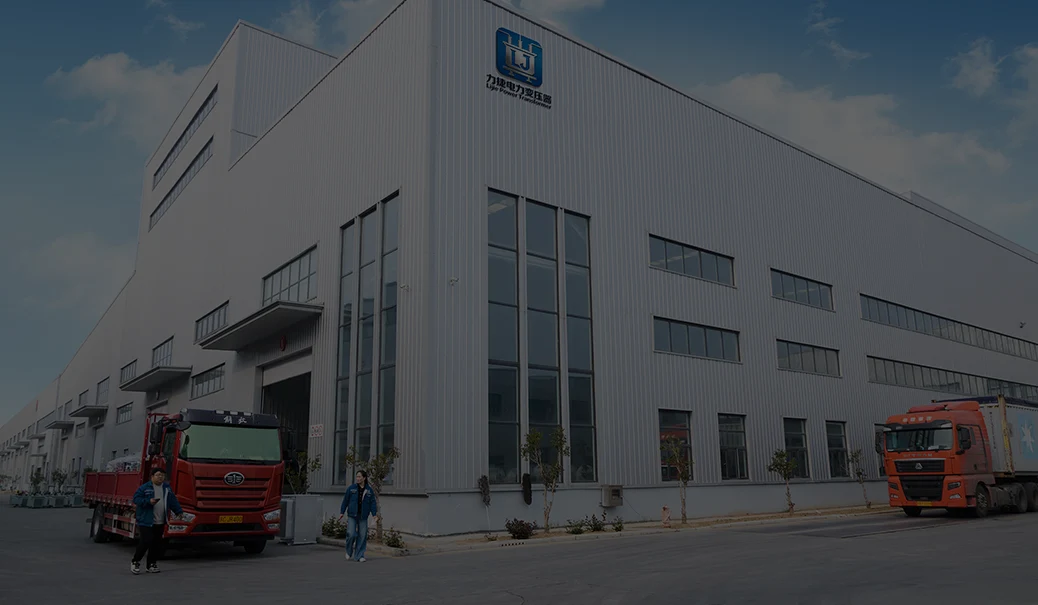
ISO 9001, IEC, CE, and UL certifications back up Lijie Electric's engineered transformer solutions, which range from ultra-high-voltage units with 500kV to 35kV compact substations. As a reliable High Voltage Transformer maker with more than 2,000 employees and a production area of 500,000 m², we can handle big B2B orders and have a history of quality control and exporting to over 100 countries. You can email us at lijieelectrical@gmail.com or visit lijie-electrical.com to get a detailed quote or advice right away.

1. International Electrotechnical Commission. IEC 60076-3: Power Transformers – Insulation Levels, Dielectric Tests and External Clearances in Air. 2013. https://www.iec.ch/store/home
2. Institute of Electrical and Electronics Engineers. IEEE C57.12.00: Standard for General Requirements for Liquid-Immersed Distribution, Power, and Regulating Transformers. 2021. https://standards.ieee.org/ieee/C57.12.00/7082/
3. U.S. Energy Information Administration. Electric Power Annual 2023 – Utility-Scale Solar Capacity Data. 2023. https://www.eia.gov/electricity/annual/
4. International Electrotechnical Commission. IEC 60076-1: Power Transformers – General Requirements. 2011. https://www.iec.ch/store/home
5. International Energy Agency. World Energy Investment 2023 – Power Sector Infrastructure Outlook. 2023. https://www.iea.org/reports/world-energy-investment-2023
6. U.S. Department of Energy. Transformer Efficiency and Grid Modernization – Office of Electricity Report. 2022. https://www.energy.gov/oe/articles/transformer-resilience-and-advanced-components
YOU MAY LIKE



H15%20Amorphous%20Alloy%20Distribution%20Transformer.webp)

12%20type%2035kV%20distribution%20transformer.webp)
April 27, 2025
With a tight project schedule, the manufacturer delivered on time, and on-site technical personnel provided guidance throughout the entire installation and commissioning process; the collaboration was highly efficient and hassle-free.
July 2, 2025
During the preliminary phase, a selection plan was custom-tailored based on the actual site load requirements, resulting in a high degree of parameter compatibility. After-sales support responds within two hours, and ongoing technical support for operation and maintenance is comprehensive; we feel completely confident in a long-term partnership.
November 18, 2025
Deployed as a supporting component for a 35kV grid-connection project at a photovoltaic power station, the equipment operates for an average of 16 hours daily. It demonstrates excellent control over no-load losses, ensures smooth power generation and grid integration, and effectively reduces the station's overall energy consumption.
January 30, 2026
Under the continuous, high-load operating conditions of a factory production line, the equipment maintains stable electrical parameters and exhibits strong overload resistance, thereby guaranteeing an uninterrupted power supply for industrial production.
April 3, 2026
Integrated as a supporting component for a new energy photovoltaic grid-connection system, the manufacturer provided professional technical coordination and timely after-sales support, ensuring seamless adaptation to the specific electrical operating conditions required for grid integration.