April 27, 2025
With a tight project schedule, the manufacturer delivered on time, and on-site technical personnel provided guidance throughout the entire installation and commissioning process; the collaboration was highly efficient and hassle-free.
Oct 16, 2026
When your project demands power that never fails — whether it's a 200MW solar farm in Texas or a steel smelting plant running around the clock — the right electric power transformer makes all the difference. At Lijie Electric, we've spent years working closely with procurement engineers, project managers, and EPC contractors to deliver transformer solutions that hold up under real-world pressure. This guide walks you through what you need to know before your next purchase decision.
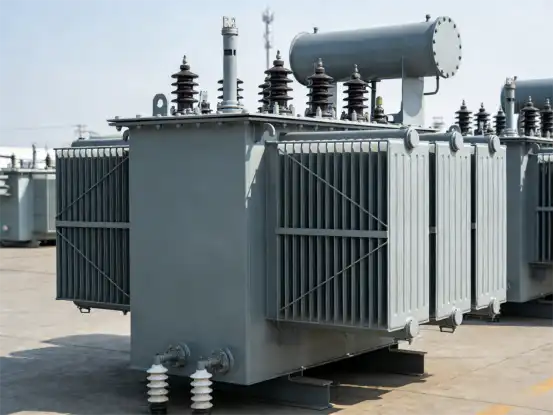
A power transformer is a static electromagnetic device that moves electricity from one circuit to another through induction. It does this by changing the frequency but not the voltage. The core of any device that is linked to the grid is this. For heavy industry and green energy, these units have to work nonstop, with changing loads and high harmonics. This is a lot more than what normal designs can handle.
Oil-immersed transformers are best for large outdoor setups because they offer better heat absorption through ONAN or ONAF cooling systems. Dry-type units work better inside or in places that are more likely to catch fire, like industrial parks and urban substations. Both types are sold at Lijie Electric in voltage ranges from 35kV to 500kV and above, and their stated powers range from 5MVA to over 1,000MVA.
Every specification is based on three things: the Basic Insulation Level (BIL), the rated capacity (MVA), and the voltage ratio. BIL checks how well the unit can handle lightning and switching surges. Grain-oriented silicon steel cores, high-conductivity electrolytic copper windings, and efficiency levels above 99.5% all work together to cut down on eddy current and hysteresis losses. This directly lowers long-term energy costs and heat buildup.
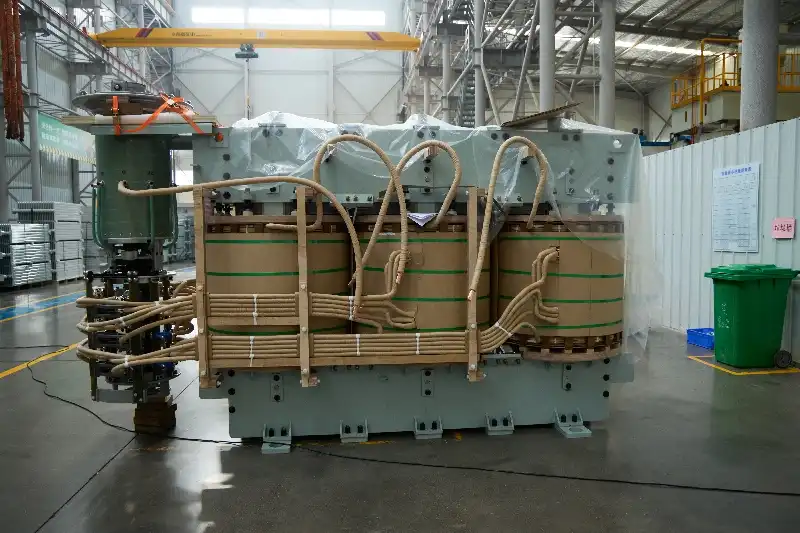
Overheating is the main reason why insulation fails before it should. In chemical and steel mills, changes in load cause temperature spikes that are hard for standard designs to handle. Hot-spot temperatures stay safe thanks to advanced cooling systems like heat exchanger arrays and forced oil circulation. IEC 60076 says that for normal insulation systems, the highest temperature at the hot spot in the winding should not be more than 98°C.
Variable power inputs from solar arrays and wind farms cause voltage instability and harmonic distortion. Standard transformer windings are put under more stress than they were meant to be under in these situations. Electric power transformer designs for green energy sources need to have on-load tap changers (OLTC) and stronger insulation to handle these changes without breaking down over time. The machines that Lijie Electric makes for wind and solar projects are custom-made to meet these needs from the start.
Don't skip upkeep; it's the only thing that makes the difference between a 25-year generator and one that breaks down after 12 years. These are the most important habits:
When these steps are taken regularly, units keep working at their rated level of performance for many years after the 30-year mark. Three to four times as many projects fail when they don't do planned maintenance as when they follow organized plans.
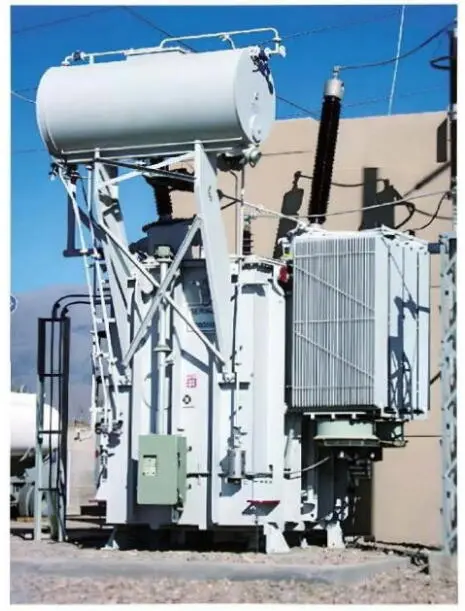
The application context is the first step in the selection process. A power center needs to be able to handle full loads all the time. A wind farm needs to be able to handle harmonics and come in small, weatherproof containers. For a steel furnace to work, the electric furnace transformer needs to be able to handle very high secondary currents and a lot of load switching. It's cheaper to avoid expensive retrofits later if this match is done right at the specification stage.
For big outdoor installations, oil-filled transformers have lower lifetime costs because they can get rid of heat better and need less maintenance. Dry-type transformers are better for indoor factories and building projects in cities because they are less likely to catch fire and need less equipment. As a minimum, both categories must meet IEC 60076 standards. For international projects, you can also get CE and UL certifications.
Digital monitoring systems, such as load management interfaces, online DGA, and embedded temperature sensors, are being used more and more in the industry. These features give operations teams real-time info on performance and cut down on unplanned downtime. When purchasing professionals are planning infrastructure rollouts that will last more than one year, asking for smart tracking from the start can greatly lower the overall cost of ownership over the asset's lifetime.
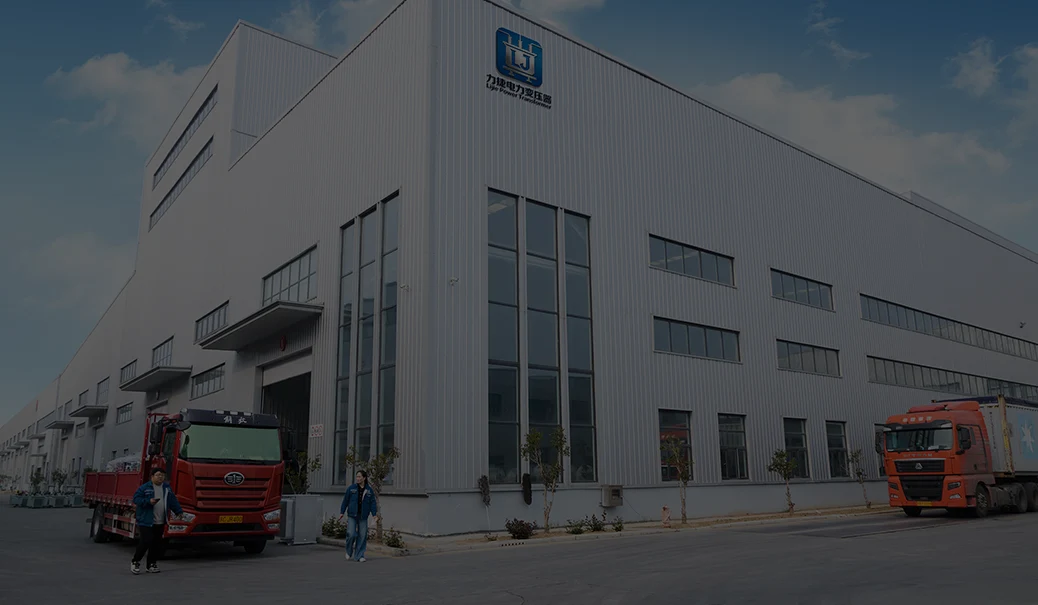
When buying electric power transformer units in bulk, the dependability of the supplier is just as important as the quality of the goods. Some important things to check are the company's ability to make things, its testing certifications, and recommendations from past projects. Lijie Electric has two production bases in Xuzhou and Nantong. Together, they cover 500,000 square meters and have more than 2,000 workers, including more than 160 engineers with doctoral and master's degrees. Annual sales are more than 5 billion RMB, which allows for on-time supply of large quantities for project-based orders.
Lead times for standard transformer leads vary from 8 to 20 weeks, based on voltage class and quantity. Custom designs for things like electric furnace transformers, rectifier transformers, and mining transformers take more time up front, but they don't have any problems with compatibility in the field. Lijie Electric has long-term framework agreements with utilities and EPC companies. These agreements offer stable prices and batch supply planning, which lowers the risk of buying things for projects that have more than one phase.
For cross-border buying, you can't get around the need for certifications. The energy-saving certifications that Lijie Electric has are ISO 9001:2015, CE, UL, IEC, CQC, and PCCC. There are regular, type, and special tests that all units must pass at the National Transformer Quality Supervision and Inspection Center. After-sales support is based on the national service evaluation standards set out in GB/T 27922-2021. This includes making sure that spare parts are available, providing technical advice on-site, and managing warranties.
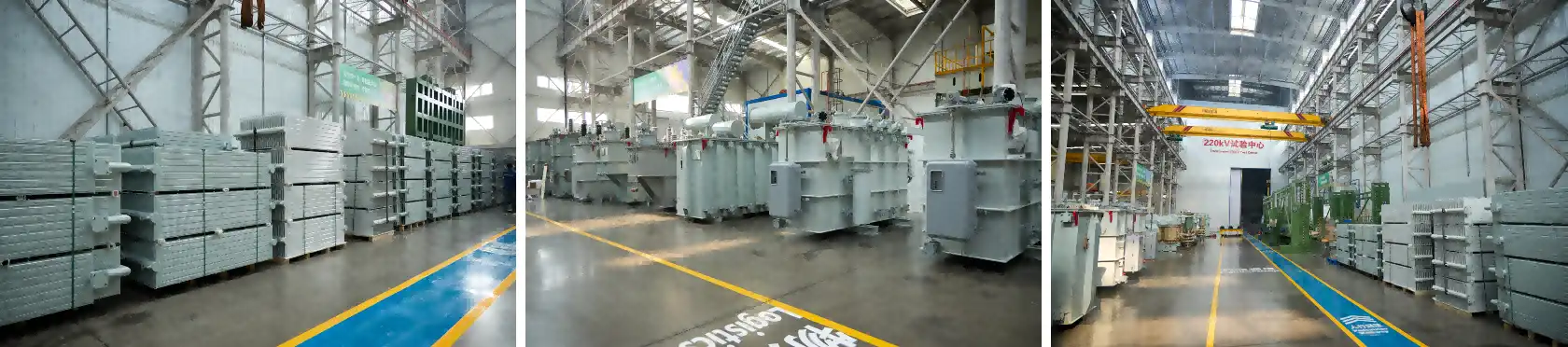
In 2024, the U.S. Department of Energy (DOE) made it harder for distribution transformers to be inefficient. This meant that liquid-immersed units had to be more efficient than before. Without any load, amorphous metal core transformers made by Lijie Electric have up to 70% less no-load loss than silicon steel cores. Because of this, they are a good choice for jobs where saving energy over 25 years is important to the overall cost.
New hybrid cooling designs use both natural airflow and low-noise forced-air systems. This makes the noise level below 55dB for units placed near homes or sensitive business areas. This has a direct effect on site permits and neighborhood support for industrial parks and urban substations. More and more, Lijie Electric's dry-type and oil-immersed product lines come with these systems as standard.
When procurement workers lock in source deals early, they get stable prices and production priority during times of high demand. The demand for transformers is expected to put a lot of stress on supply chains by 2030, when the world's renewable energy capacity is expected to double. Before the market gets even tighter, your purchasing department will be in a better position if you form long-term partnerships with trusted makers who can handle more orders.
It takes more than reading a datasheet to choose the right electric power transformer for heavy industrial use or renewable energy. It requires knowledge of how things behave at different temperatures, how to work in harmonic settings, how to follow rules, and how to organize long-term supply chains. Lijie Electric has been manufacturing for more than 20 years and has certified product lines and the ability to make changes to meet your needs, whether you're looking for a single substation or supplies for a national infrastructure program that will last for several years. For the next 25 to 40 years, the choices you make during specification and sourcing will have a direct effect on how well your project works.
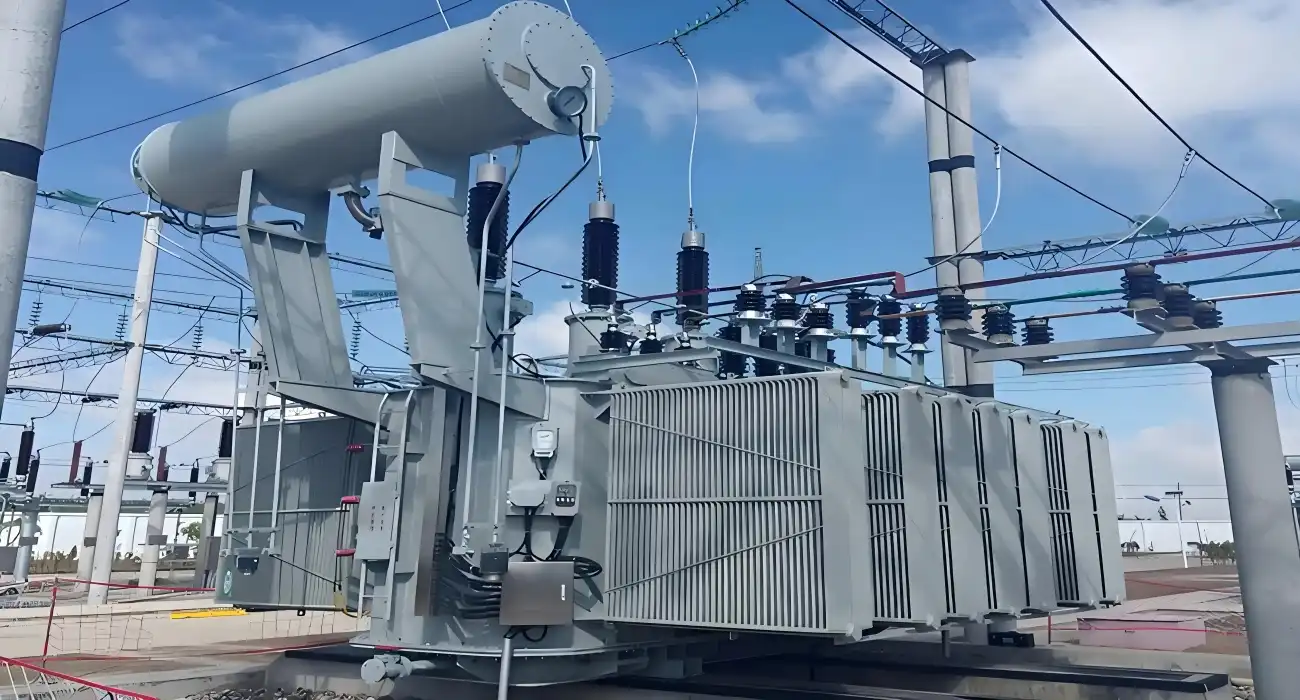
A well-built unit should last between 25 and 40 years with proper DGA tracking and repair. Thermal loading, moisture control, and load changing patterns all have a big impact on the service life. The upper end of that range is usually reached by units that work close to their stated capacity and have their oil tested regularly.
When used in transmission, power transformers are designed to work at voltages above 33kV and at full load for the most economy. Closer to the end users, distribution transformers handle lower voltages and changing loads. The two are designed and prioritized for loss optimization in different ways.
When the air around the unit is hot, the thermal gradient between the winding and the air around it is smaller. This makes it harder for the unit to lose heat. To keep the temperature of the hot spot within the limits of the insulation, this may mean lowering the KVA capacity. When designing a transformer, the local environment should always be taken into account in the specs.
The phase shift between the high-voltage and low-voltage windings is set by the vector group. It is necessary when running two or more units in simultaneously, because circulating currents from uneven vector groups can damage windings and make the grid less stable.
Most units take oil samples once a year as a regular procedure. For transformers that are used in dangerous or high-stress situations, like steel furnaces or offshore wind farms, sampling every six months or using continuous online DGA monitoring is the best choice.
This company, Lijie Electric Power Technology Group, makes approved, high-performance electric power transformers for heavy industry, grid infrastructure, and green energy. We are a reliable company that makes electric power transformers and have ISO 9001, CE, UL, and IEC certifications. We can handle large orders, custom building, and long-term supply deals. Get in touch with our technical team to talk about the details of your project. To get a price right away, email us at lijieelectrical@gmail.com or go to lijie-electrical.com.
1. IEEE Std C57.12.00-2015 — IEEE Standard for General Requirements for Liquid-Immersed Distribution, Power, and Regulating Transformers. IEEE, 2015.
2. IEC 60076-1:2011 — Power Transformers – Part 1: General. International Electrotechnical Commission, 2011.
3. U.S. Department of Energy. Energy Conservation Standards for Distribution Transformers: Final Rule. DOE Office of Energy Efficiency & Renewable Energy, 2024.
4. Winders, J. J. — Power Transformers: Principles and Applications. Marcel Dekker, 2002.
5. CIGRÉ Working Group A2.34. Guide for Transformer Maintenance. CIGRÉ Technical Brochure 445, 2011.
6. International Renewable Energy Agency (IRENA). World Energy Transitions Outlook 2023: 1.5°C Pathway. IRENA, 2023.
YOU MAY LIKE





April 27, 2025
With a tight project schedule, the manufacturer delivered on time, and on-site technical personnel provided guidance throughout the entire installation and commissioning process; the collaboration was highly efficient and hassle-free.
July 2, 2025
During the preliminary phase, a selection plan was custom-tailored based on the actual site load requirements, resulting in a high degree of parameter compatibility. After-sales support responds within two hours, and ongoing technical support for operation and maintenance is comprehensive; we feel completely confident in a long-term partnership.
November 18, 2025
Deployed as a supporting component for a 35kV grid-connection project at a photovoltaic power station, the equipment operates for an average of 16 hours daily. It demonstrates excellent control over no-load losses, ensures smooth power generation and grid integration, and effectively reduces the station's overall energy consumption.
January 30, 2026
Under the continuous, high-load operating conditions of a factory production line, the equipment maintains stable electrical parameters and exhibits strong overload resistance, thereby guaranteeing an uninterrupted power supply for industrial production.
April 3, 2026
Integrated as a supporting component for a new energy photovoltaic grid-connection system, the manufacturer provided professional technical coordination and timely after-sales support, ensuring seamless adaptation to the specific electrical operating conditions required for grid integration.