April 27, 2025
With a tight project schedule, the manufacturer delivered on time, and on-site technical personnel provided guidance throughout the entire installation and commissioning process; the collaboration was highly efficient and hassle-free.
Oct 17, 2026
When your project depends on decades of uninterrupted power delivery, the supplier you choose matters as much as the equipment itself. The right oil-immersed transformer supplier brings technical depth, material quality, and field-proven support that keep outdoor units running safely through heat, storms, and corrosive atmospheres with an Oil-Immersed Transformer Supplier. Suppliers who combine certified manufacturing processes, high-grade insulating fluids, and responsive after-sales programs give procurement teams the confidence that each unit will meet its rated 25–35-year service life — even in the harshest grid, industrial, or renewable energy environments.
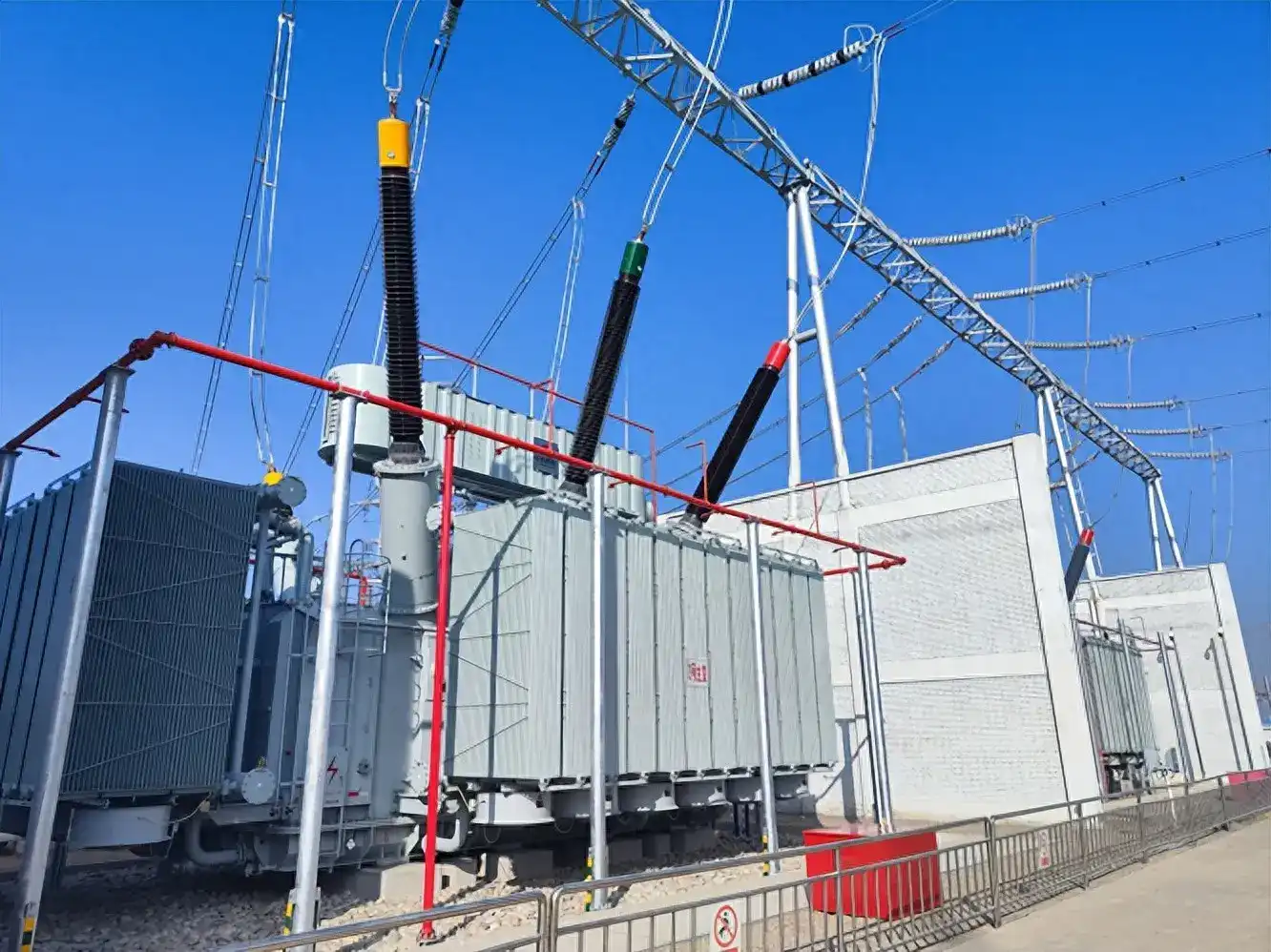
Transformers that are outside and filled with liquid are constantly being stressed by things in the environment that make them break down much faster than what would be expected in a lab. Figuring out these sources of stress is the first thing that needs to be done to find a supplier who can handle them.
When the temperature changes from -40 °C to +50 °C, the walls, gaskets, and bushings of the tank expand and contract over and over again. UV light damages the coats on the outside, and salt fog and sulfur dioxide from coastal or industrial air damage the tank's sides and fittings. IEC 60076-1 says that outdoor transformers must be made so that they can work constantly under these stresses without going over their stated temperature rise limits.
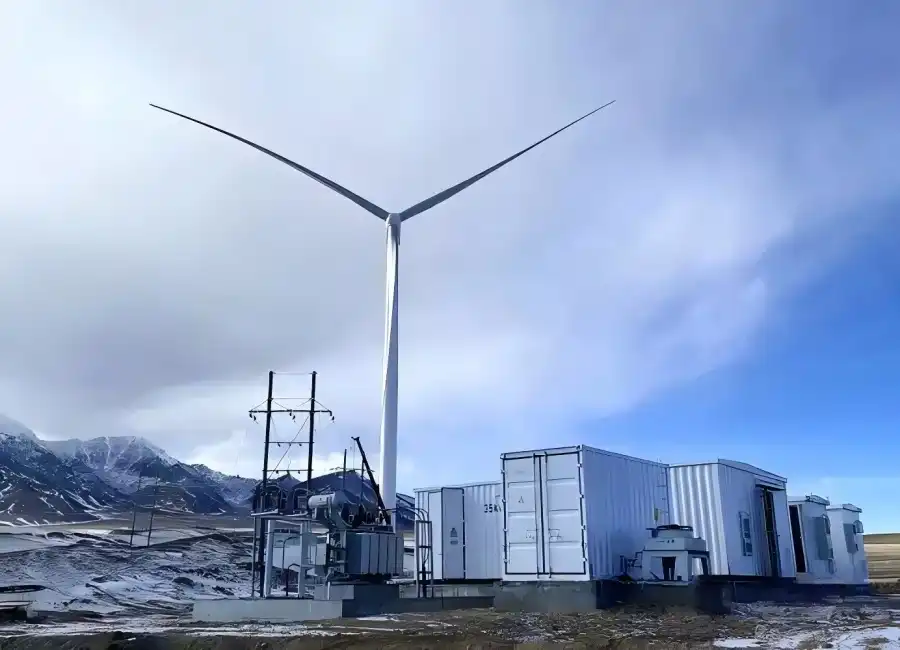
When wind and solar power are combined, the load changes often, which sends heat shocks through the insulation on the windings. Electricity surges caused by lightning or switching events put a lot of stress on the insulating oil's dielectric strength. The risk of failure goes up sharply when the breakdown voltage falls below the 30 kV/2.5 mm threshold set by IEC 60296 for new mineral oil.
The four most common ways for outdoor units to break down are insulation loss, water getting in through conservatories that aren't sealed well, blocked cooling fins, and oil oxidation. Each one is directly linked to a choice made by the supplier: the type of oil used, the technology used for sealing, the form of the radiator, and quality control at the plant level.
The factors for choosing a provider are easy to understand once you know what goes wrong. Here are the main things that set high-performance liquid-filled transformer makers apart from average ones.
Mineral oil that has a breakdown voltage above 30 kV/2.5 mm and an acidity below 0.01 mg KOH/g at delivery is what top makers want. Some companies offer FR3 natural ester fluid as an option. It has a fire point above 300 °C and breaks down naturally, which is important for sites near water or in areas that are sensitive to the environment. The design makes it compatible with dissolved gas analysis (DGA), which lets field teams sample oil once a year without having to shut down the whole system.
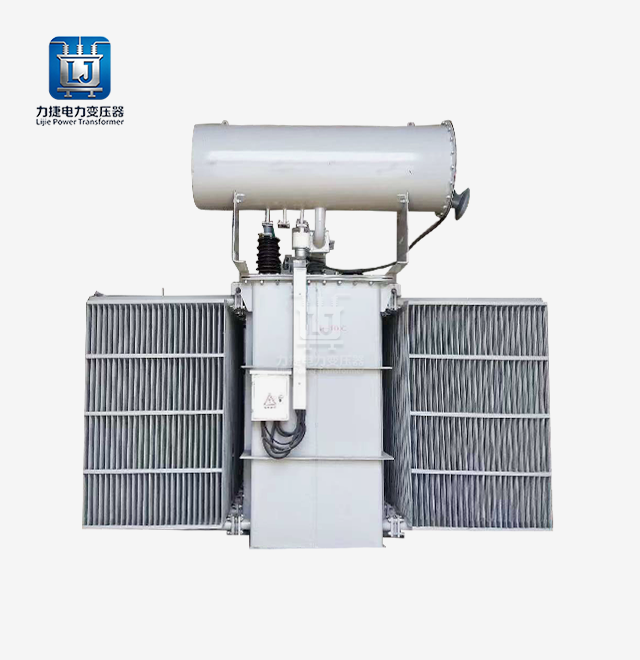
Suppliers you can trust use robotic welding to join tanks together, along with NBR or cork-rubber composite covers that are made to last for decades of outdoor use. Multiple layers of epoxy or polyurethane coatings are applied to the outside of tanks and tested to meet ASTM B117 salt-fog standards. Cores made of cold-rolled grain-oriented (CRGO) silicon steel lower no-load losses, and electrolytic copper windings lower resistive heating. Together, these two factors make the insulation run cooler and last longer with an Oil-Immersed Transformer Supplier.
Buying from suppliers whose goods are certified by IEC 60076, IEEE C57.12.00, ISO 9001:2015, CE, and UL gives purchasing teams a quality standard that they can check. Certification isn't just a procedure; it means that units have been type-tested, routine-tested, and special-tested by separate labs. This is important for EPC contractors and utility operators because they have to show that they follow the rules on every project.
All of these traits work together to fix the problems we talked about earlier. When procurement teams check them during supplier qualification, failure rates in the field go down by a lot and total lifecycle costs go down as well.
There's more to picking a provider than just looking at prices. The table below shows three levels of review that skilled procurement managers use.
A supplier's name backed up by case studies, third-party audit results, and long-term framework deals with national grid companies gives more confidence that the chosen partner can keep up supply for projects that last more than one year.
Even the best-built transformer requires structured support throughout its service life. What separates good suppliers from dependable long-term partners is the depth of that support.
Leading manufacturers provide scheduled inspection protocols covering oil dielectric testing, DGA sampling, infrared thermography of bushing contacts, and radiator flushing. Annual oil sampling against IEC 60296 parameters detects early signs of oxidation or moisture ingress before they cause winding damage.
Modern online monitoring systems track oil temperature, load current, and dissolved hydrogen levels in real time. Suppliers who pre-wire monitoring ports at the factory reduce site installation time and give operations teams early warning of developing faults — often weeks before a detectable symptom appears at the load side with an Oil-Immersed Transformer Supplier.
When insulation failures or bushing cracks do occur in outdoor installations, response time directly determines how long the downstream network stays offline. Suppliers with global service networks and multilingual technical teams reduce mean time to repair. Access to original spare parts — gaskets, conservator bags, tap changer contacts — from the original manufacturer avoids compatibility risks that arise from third-party components.
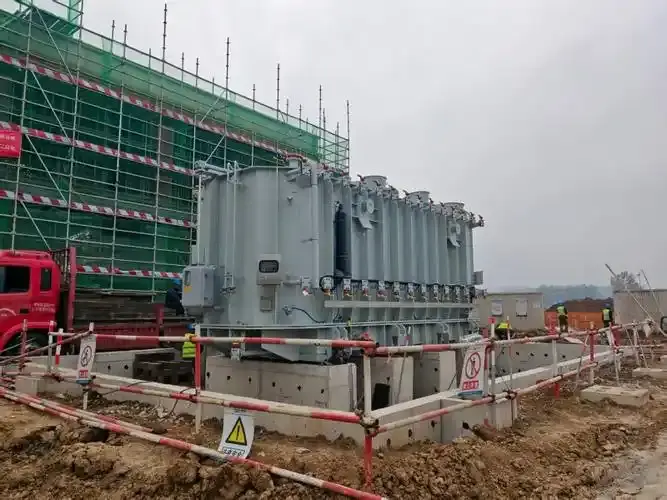
When I've worked with procurement teams from utilities, manufacturing buildings, and EPC firms, they've all said the same thing about Lijie Electric's outdoor transformers: they work well. This is why.
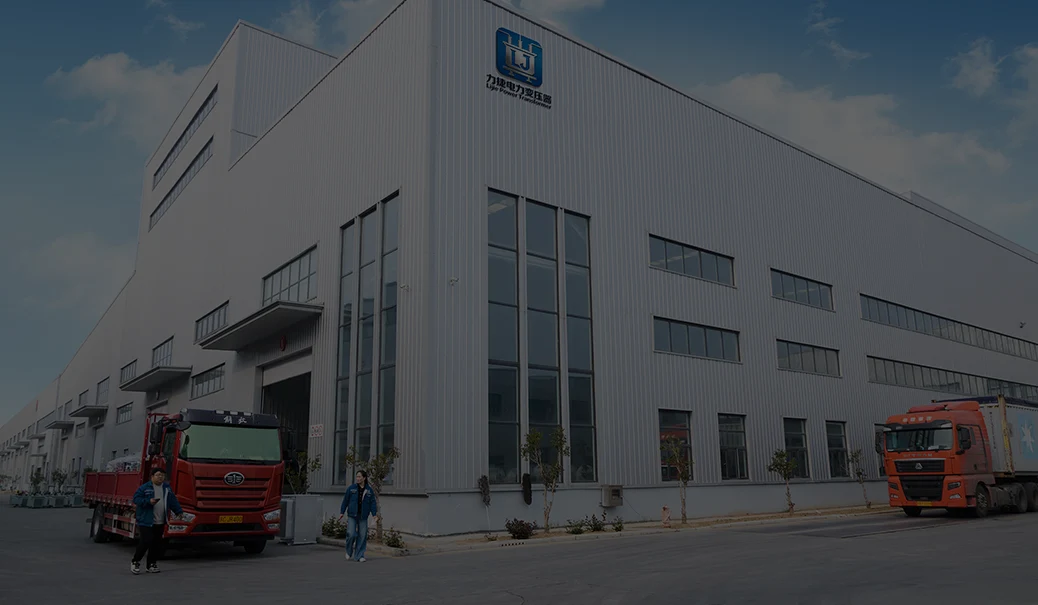
The Lijie Electric Power Technology Group has two main factories in Xuzhou and Nantong, China. Together, they cover 800,000 square meters and have more than 2,000 employees, including more than 160 engineers with graduate and master's degrees. Annual sales are more than 9 billion RMB, which shows the size needed to handle delivering a lot of projects on time.
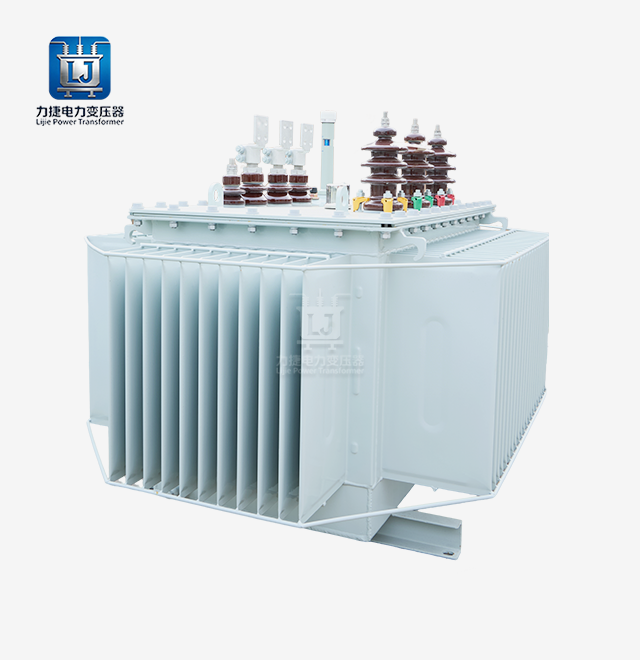
There are ultra-high-voltage units with a rating of 500 kV or more, power transformers with a rating of 220 kV or 110 kV, oil-immersed distribution transformers, amorphous alloy transformers, and prefabricated substations with a rating of 35 kV or less. Electric furnace transformers, rectifier transformers, and mining transformers are all specialized products that can be made to fit your needs.
At the National Transformer Quality Supervision and Inspection Center and the Wuhan High Voltage Research Institute, all of the products have passed regular, type, and special tests. ISO 9001:2015, CE, UL, CQC energy efficiency certification, PCCC product certification, and IEC compliance for 10 kV and 35 kV units are some of the certifications that are held. People in Australia, New Zealand, India, Egypt, Kazakhstan, Vietnam, Malaysia, Indonesia, and more than a dozen other countries buy Lijie's goods right now.
Reliability in outdoor transformers starts with the supplier, who decides on the oil specifications, quality of the seals, materials used, and compliance with certifications. Failure risk and lifetime costs are cut by a large amount when procurement teams carefully consider these factors before signing a contract. Every project that Lijie Electric Power Technology Group works on is backed by their certified production skills, wide range of products, and foreign field experience. For over 30 years of outdoor service, the only way to be sure of long-term, reliable power infrastructure for your business is to work with a source who can show it, not just say it, with an Oil-Immersed Transformer Supplier.
IEC 60422 says that dielectric and dissolved gas analysis (DGA) tests should be done once a year. If the generator is used in areas with a lot of pollution or when the load changes quickly, every six months is better. Rising hydrogen or acetylene amounts in DGA data mean that there are problems inside the unit that need to be looked into right away before it fails completely.
Liquid-filled units can usually handle higher kVA rates and get rid of heat more effectively through natural oil flow. This makes them better for outdoor substations where temperatures and load levels change a lot. When there is a risk of fire inside, dry-type transformers are better. Oil-filled versions are still the most popular choice around the world for large-scale grid installations or big industrial outdoor installations.
Ask for type-test certificates from a third-party lab that has been approved by the government, make sure the tank coating system meets salt-fog standards, check the shielding oil specs against IEC 60296 standards, and look for examples of projects that have been completed in similar conditions. There is a higher risk of buying from suppliers who can't provide recorded field performance data for outdoor uses.
Most of the time, lead times are between 12 and 20 weeks, depending on how much customization is needed. For similar setups, suppliers who can make a lot of units at once and have standard platforms that have already been designed and built can sometimes shorten this window.
Oil-immersed transformers from Lijie Electric have been used in many big outdoor power projects. Our certified product line includes 35 kV distribution units to 500 kV transmission transformers. These are used in grid, industry, and green energy settings and are fully compliant with IEC, CE, and UL standards. Get in touch with our technical team right away to talk about the details of your project, get a quote, or set up a factory audit with an Oil-Immersed Transformer Supplier. To start your question, go to lijie-electrical.com or email us at lijieelectrical@gmail.com.
1. International Electrotechnical Commission. IEC 60076-1: Power Transformers – Part 1: General. IEC, 2011.
2. International Electrotechnical Commission. IEC 60296: Fluids for Electrotechnical Applications – Unused Mineral Insulating Oils for Transformers. IEC, 2012.
3. IEEE Standards Association. IEEE C57.12.00: IEEE Standard for General Requirements for Liquid-Immersed Distribution, Power, and Regulating Transformers. IEEE, 2015.
4. Harlow, James H. Electric Power Transformer Engineering. CRC Press, 2012.
5. Heathcote, Martin. The J&P Transformer Book: A Practical Technology of the Power Transformer. Elsevier, 2011.
6. Cigré Working Group A2.34. Guide for Transformer Maintenance. Cigré Technical Brochure 445, 2011.
YOU MAY LIKE

12%20type%2035kV%20distribution%20transformer.webp)
14%20Epoxy%20Resin%20Dry%20Type%20Transformer.webp)


April 27, 2025
With a tight project schedule, the manufacturer delivered on time, and on-site technical personnel provided guidance throughout the entire installation and commissioning process; the collaboration was highly efficient and hassle-free.
July 2, 2025
During the preliminary phase, a selection plan was custom-tailored based on the actual site load requirements, resulting in a high degree of parameter compatibility. After-sales support responds within two hours, and ongoing technical support for operation and maintenance is comprehensive; we feel completely confident in a long-term partnership.
November 18, 2025
Deployed as a supporting component for a 35kV grid-connection project at a photovoltaic power station, the equipment operates for an average of 16 hours daily. It demonstrates excellent control over no-load losses, ensures smooth power generation and grid integration, and effectively reduces the station's overall energy consumption.
January 30, 2026
Under the continuous, high-load operating conditions of a factory production line, the equipment maintains stable electrical parameters and exhibits strong overload resistance, thereby guaranteeing an uninterrupted power supply for industrial production.
April 3, 2026
Integrated as a supporting component for a new energy photovoltaic grid-connection system, the manufacturer provided professional technical coordination and timely after-sales support, ensuring seamless adaptation to the specific electrical operating conditions required for grid integration.