April 27, 2025
With a tight project schedule, the manufacturer delivered on time, and on-site technical personnel provided guidance throughout the entire installation and commissioning process; the collaboration was highly efficient and hassle-free.
Sep 14, 2026
When it comes to powering a modern commercial building reliably and safely, the Step-down Transformer sits at the heart of the entire electrical distribution system. These devices convert high incoming utility voltage—typically 13.8kV or 4.16kV—down to usable levels such as 480V, 208V, or 120V that HVAC systems, lighting networks, elevators, and office equipment actually require. Without a properly sized and certified Step-down Transformer, commercial facilities risk equipment damage, energy waste, and serious safety violations. Selecting the right Step-down Transformer requires both technical understanding and a smart procurement strategy.
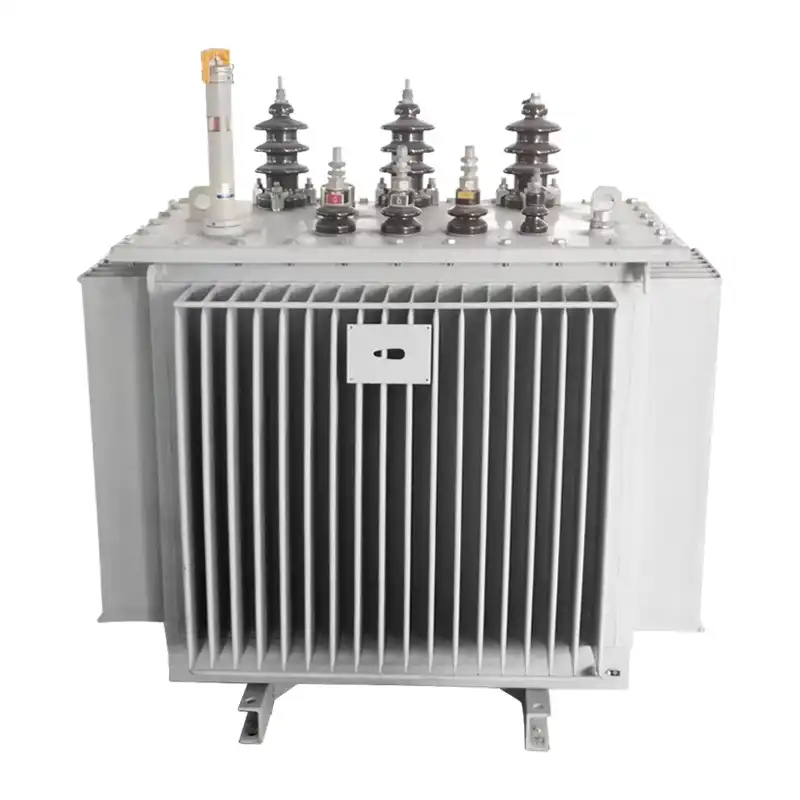
Faraday's Law of Induction tells us how a step-down transformer works. Since there are more turns on the main winding than on the secondary winding, the output voltage drops while the current rises. The voltage transformation ratio is written as V₁/V₂ = N₁/N₂, where N is the number of turns in the winding.
The important parts are the silicon steel core that is bonded, the main and secondary copper or aluminum windings, insulation materials, and a protective case. Grain-oriented silicon steel with a high permeability lowers hysteresis and eddy current losses, which directly makes energy use more efficient. Cast resin insulation is used instead of oil in dry-type models, which makes them safer and better for business buildings like hospitals, data centers, and shopping malls.
In business settings, a Step-down Transformer handles many important electrical loads. HVAC systems, motor-driven equipment, emergency lighting panels, and UPS systems in server rooms all require secondary voltages that are accurate and stable. For example, a large office building may need multiple 500 kVA to 2,500 kVA distribution transformers, with each Step-down Transformer supporting separate floors or electrical zones. Before sending out purchase orders, procurement professionals can better match technical specifications to real-world operational requirements by understanding how a Step-down Transformer is used across different commercial applications.
Choosing the wrong unit can lead to expensive problems, such as trips that aren't necessary or equipment that breaks down too soon. Before making a decision about a supplier, every business-to-business buyer should look at these main factors:
These criteria make it possible to screen candidates in a way that aligns technical requirements with the project's budget and time constraints. A properly defined Step-down Transformer can provide voltage conversion while also offering electrical separation when an isolation design is required, helping protect sensitive business loads from upstream grid disturbances. This differs from buck converters, which are designed for DC voltage conversion, and from autotransformers, which do not provide galvanic isolation. When selecting a Step-down Transformer, procurement teams should therefore confirm whether voltage reduction, electrical isolation, or both are required for the intended application.
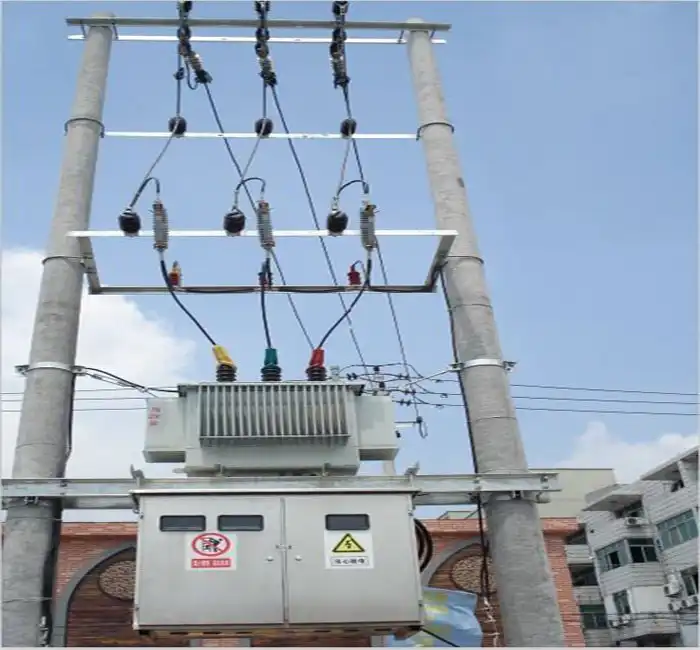
A good voltage-reducing transformer does a lot more for your performance than just step down the voltage. They keep downstream equipment safe, lower energy costs, and help a building's total lifecycle costs go down in a measurable way.
For commercial building use, these are the main benefits of this device:
These benefits directly address the concerns about reliability and lifecycle costs that project managers, electrical engineers, and procurement managers have when they are looking at transformer suppliers. Fixing temperature and harmonic problems during the design phase instead of after the fact saves both the investment and the power quality profile of the building.
New developments in transformer technology, such as vacuum pressure impregnation (VPI) windings, advanced resin-cast coils, and smart temperature monitoring systems, can improve the performance and extend the service life of a Step-down Transformer while reducing the need for frequent repairs. By specifying these features during the procurement process, commercial building owners can select a Step-down Transformer that offers greater operational reliability and potentially lower long-term operating costs. For large commercial facilities, choosing a modern Step-down Transformer with appropriate monitoring and insulation technologies can also support more efficient maintenance planning.
According to Global Market Insights (2023), industrial building and grid modernization projects will drive the global market for distribution transformers to more than USD 28 billion by 2028. International brands like Siemens, Schneider Electric, ABB, and Eaton have strong product lines and well-established distribution networks in the U.S., but their prices reflect their high-end positioning and longer lead times for customization.
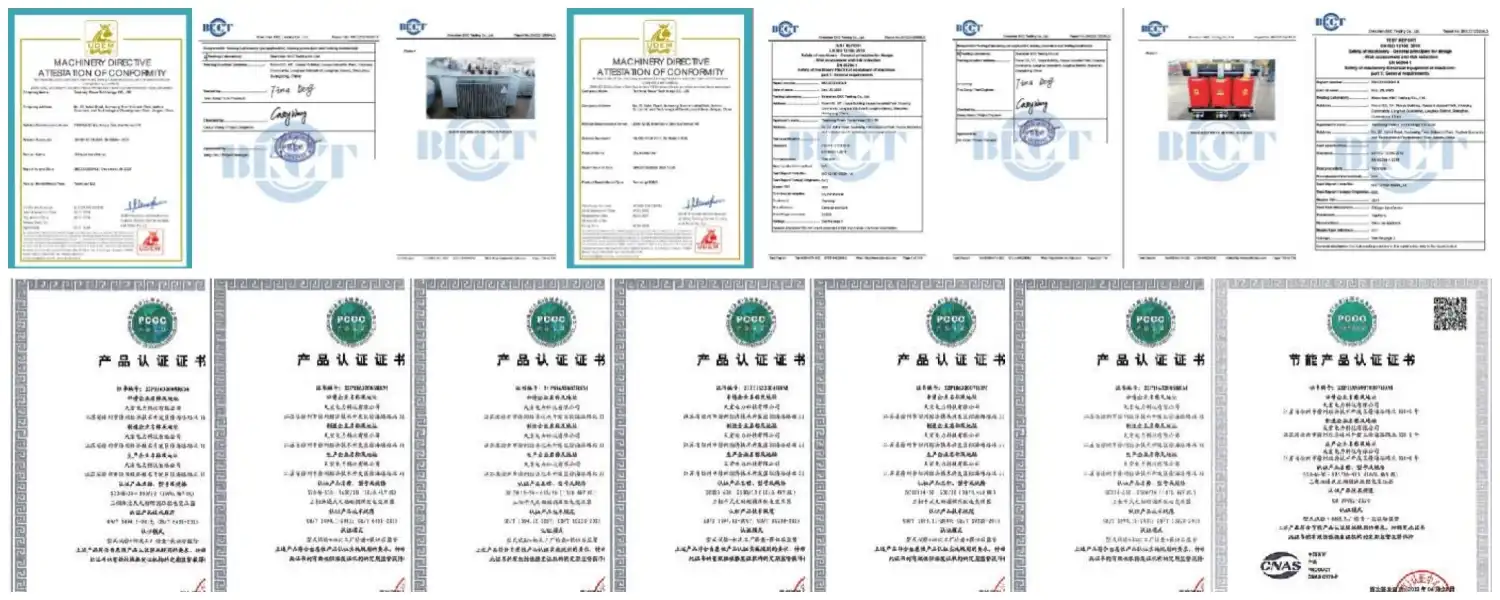
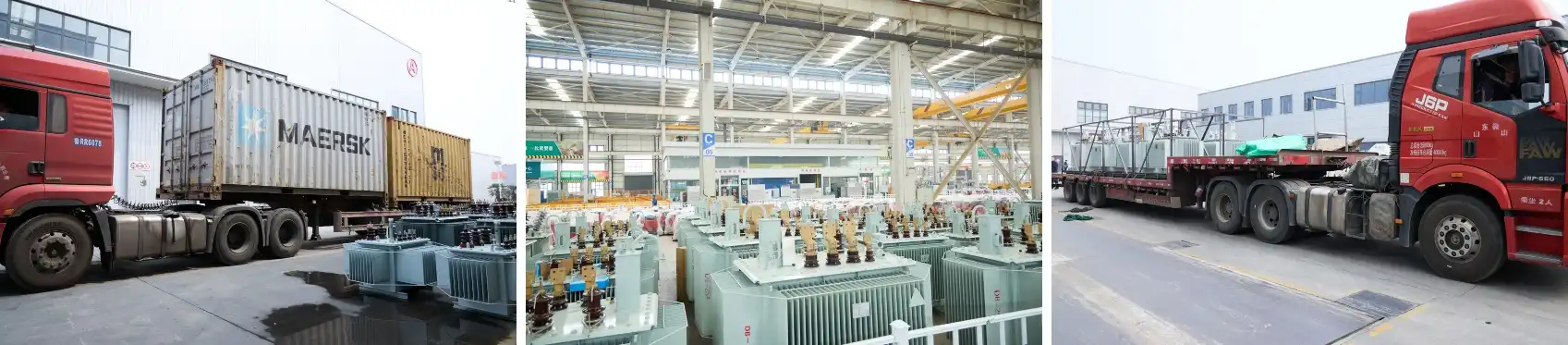
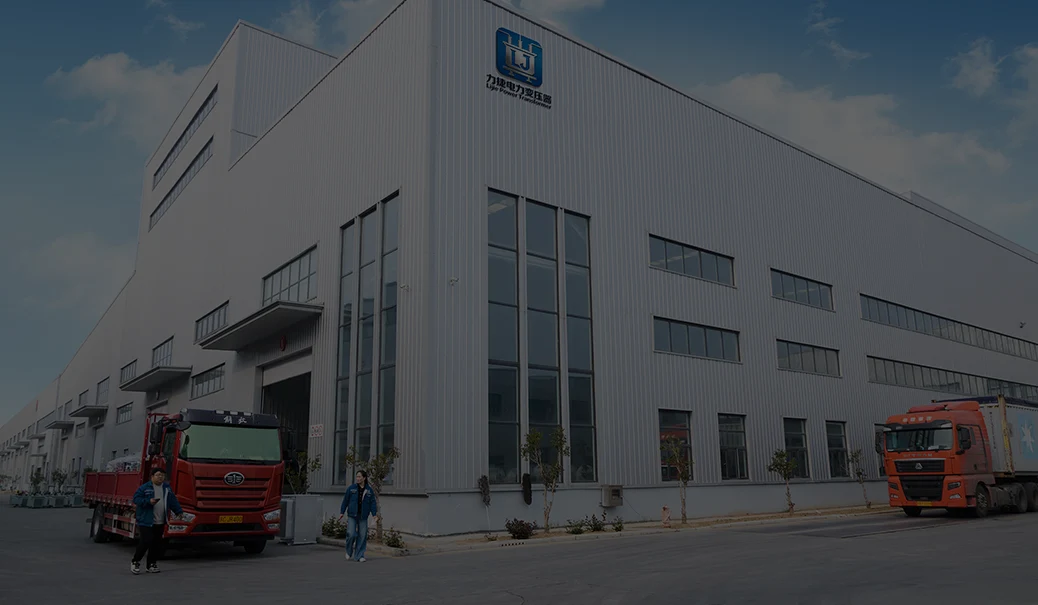
Chinese manufacturers certified to IEC, CE, and UL standards are a great option for big business projects that need to be delivered quickly and at a low cost per unit. The Lijie Electric Power Technology Group makes a wide range of dry-type transformers, oil-immersed transformers, amorphous alloy transformers, and prefabricated substations rated at 35kV and below. They have factories in Xuzhou and Nantong, China, covering 500,000 square meters, and have annual sales of more than 5 billion RMB. All of our products are certified with ISO 9001:2015, CE and UL, IEC 60076 compliance, and CQC energy efficiency. This means they meet the paperwork needs for both U.S. commercial projects and international EPC contracts.
Check the consistency of their batch supply, their ability to provide technical support after the sale, and the terms of their warranty when evaluating any supplier. Routine test results, type test certificates, and DGA (Dissolved Gas Analysis) records for oil-immersed units are all standard paperwork that reliable suppliers provide.
In business electrical infrastructure, following safety rules is not a choice. Installations in the United States need to follow the rules in NEC Article 450 (Transformers and Transformer Vaults) and NFPA 70E for arc flash safety. Important startup steps are:
An important rule in NEC 250 says that the secondary neutral and generator housing must be properly grounded. If you don't do this, building residents and maintenance workers could get hurt if they touch it. When transformers are used for important loads like operating rooms in hospitals or UPS systems in data centers, you might want to think about getting redundant units that can automatically switch between duties to get rid of single points of failure.
Voltage transformation options for commercial buildings need to be reliable, efficient, and fully code-compliant for decades of continued use. Every choice made during the purchasing process can affect the building's long-term performance and operating costs. This includes selecting the appropriate KVA rating and efficiency class, verifying certifications, and sourcing from a reputable manufacturer. Choosing a high-quality Step-down Transformer from a trusted supplier can help protect electrical infrastructure while supporting the business operations that depend on stable power. For commercial facilities with demanding electrical loads, the right Step-down Transformer can also contribute to reliable voltage management and long-term system performance.
The main factors that affect effectiveness are the core material, the quality of the coil conductors, and the load profile. Amorphous alloy cores are much better at reducing no-load loss than standard silicon steel, which is very important for commercial buildings that are open 24 hours a day, seven days a week.
Add up all the KVA values of all the linked loads, use the right demand factor based on NEC rules, and then add 20 to 25 percent for future load growth and safety at high temperatures. It is strongly suggested that you talk to a licensed electrical engineer before finalizing the specifications.
Yes, dry-type or oil-immersed units that are properly specified can work with solar inverter outputs and energy storage systems without any problems, as long as the voltage ratios and harmonic characteristics meet the needs of the inverter manufacturer.
With the right care, a good unit should last between 25 and 30 years of reliable service. Long-term thermal stress is the main thing that shortens the life of insulation. This is why it's important to properly size the load and control the temperature in the installation area.
Lijie Electric makes approved, high-efficiency step-down transformers that are designed for tough business uses. We are a reliable step-down transformer supplier with CE, UL, and IEC certifications. We can meet your specific needs, supply in bulk, and provide dedicated support after the sale. Get in touch with our expert team right away to talk about the needs of your project.
Email: lijieelectrical@gmail.com Website: lijie-electrical.com
1. IEEE Standard C57.12.00 – General Requirements for Liquid-Immersed Distribution, Power, and Regulating Transformers, IEEE, 2021.
2. IEC 60076-1 – Power Transformers: General, International Electrotechnical Commission, 2011.
3. National Fire Protection Association – NFPA 70: National Electrical Code, Article 450, NFPA, 2023.
4. U.S. Department of Energy – Energy Conservation Standards for Distribution Transformers, DOE, 2016.
5. Global Market Insights – Distribution Transformer Market Size, Share & Trends Report, GMI, 2023.
6. Targosz, R. & Manson, J. – Pan-European Power Factor Correction and Transformer Loss Study, Leonardo Energy / European Copper Institute, 2012.
April 27, 2025
With a tight project schedule, the manufacturer delivered on time, and on-site technical personnel provided guidance throughout the entire installation and commissioning process; the collaboration was highly efficient and hassle-free.
July 2, 2025
During the preliminary phase, a selection plan was custom-tailored based on the actual site load requirements, resulting in a high degree of parameter compatibility. After-sales support responds within two hours, and ongoing technical support for operation and maintenance is comprehensive; we feel completely confident in a long-term partnership.
November 18, 2025
Deployed as a supporting component for a 35kV grid-connection project at a photovoltaic power station, the equipment operates for an average of 16 hours daily. It demonstrates excellent control over no-load losses, ensures smooth power generation and grid integration, and effectively reduces the station's overall energy consumption.
January 30, 2026
Under the continuous, high-load operating conditions of a factory production line, the equipment maintains stable electrical parameters and exhibits strong overload resistance, thereby guaranteeing an uninterrupted power supply for industrial production.
April 3, 2026
Integrated as a supporting component for a new energy photovoltaic grid-connection system, the manufacturer provided professional technical coordination and timely after-sales support, ensuring seamless adaptation to the specific electrical operating conditions required for grid integration.