April 27, 2025
With a tight project schedule, the manufacturer delivered on time, and on-site technical personnel provided guidance throughout the entire installation and commissioning process; the collaboration was highly efficient and hassle-free.
Oct 17, 2026
When procurement teams evaluate power equipment for large-scale grid infrastructure, the choice of liquid-filled transformer technology can determine project outcomes for the next three decades. A qualified oil-immersed transformer supplier brings together materials science, electrical engineering precision, and global certification compliance to deliver units that perform safely under continuous heavy load with an Oil-Immersed Transformer Supplier. At Lijie Electric, we have spent years refining this expertise across utility, industrial, and renewable energy sectors—and this article shares what we have learned.


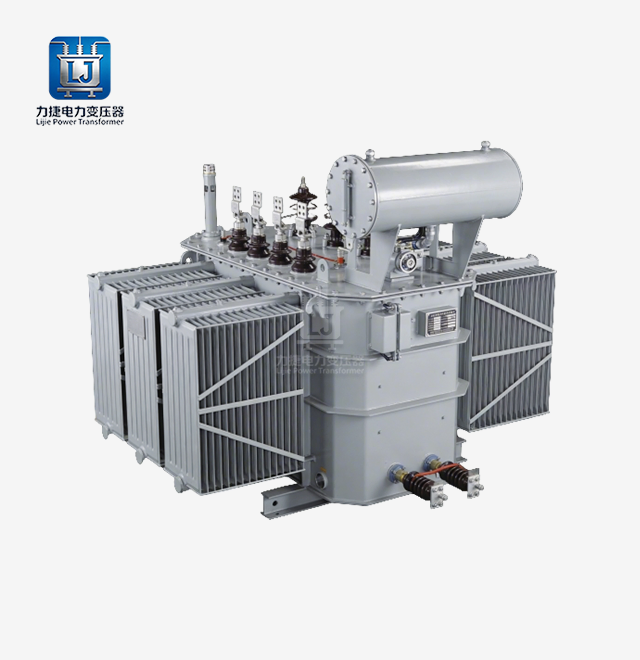
In oil-immersed transformers, the magnetic core and copper windings are surrounded by mineral oil or manufactured ester fluid, which acts as an insulator. The oil does two things at the same time: it blocks electricity and removes heat. As the load current flows through the windings, the oil soaks up heat and moves it out through the radiator fins. This natural convection (ONAN) or forced-air cooling (ONAF) system keeps winding temperatures within safe limits even when the load is high for a long time. This is something that dry-type units with the same capacity ratings can't do.
Units with ratings between 10 MVA and 500 MVA are often used in large transmission substations. When it comes to heat, oil-cooled systems are clearly better at these power levels. IEC 60076-1 says that liquid-filled transformers can handle a lot more overload than air-cooled transformers of the same size. Their insulating oil also fixes small partial discharges on its own, which increases the dielectric integrity between maintenance periods. For grid owners who need 99.9% uptime, these physical qualities directly lead to lower rates of forced outages.
When it comes to maintenance, oil aging is the main issue with liquid-filled units. The oil's dielectric breakdown voltage slowly goes down as moisture, oxidation, and dissolved gases build up. Maintenance engineers can find problems like emerging hotspots in the windings before they break by doing dissolved gas analysis (DGA) and dielectric strength tests once a year. A well-kept unit can safely run for 25 to 35 years as long as the oil is replaced or reconditioned on a regular basis. This is exactly what utility purchase models expect for the lifecycle of a unit.
A good maker bases each unit on the main and secondary voltage levels, impedance tolerance, tap-changer range, and short-circuit withstand current that are needed for that particular application. Before sending any drawing to be made, Lijie Electric's engineering team, which is made up of over 160 professionals with graduate and master's degrees, checks these factors against IEC 60076, IEEE C57.12.00, and GB/T standards. Cold-rolled grain-oriented (CRGO) silicon steel is used in the magnetic circuit to reduce no-load core losses. This lowers the buyer's operating energy costs over the life of the unit.
Validation of the product is just as important as planning. At the National Transformer Quality Supervision and Inspection Center, all oil-immersed Lijie Electric units go through regular, type, and special tests. The company is certified by ISO 9001:2015, CE, UL, and IEC. The China Quality Certification Center (CQC) has also certified that the company's products are energy efficient. These certificates are not marketing marks; they are written test records that QA/QC managers can look at during supplier qualification reviews with an Oil-Immersed Transformer Supplier.
When project managers look at different liquid-filled transformer manufacturers, they should find out how the company handles warranty claims, commissioning help, and long-term spare parts availability. Lijie Electric offers on-site commissioning help, technical documentation in the languages needed, and a structured after-sales service system that meets the national standards for GB/T 27922-2021 evaluation of goods after sale. This level of help lowers the chance that problems in the field will cause long periods of downtime.

Buyers often want to know if they should choose oil-immersed or dry units for a job. The answer is dependent on the size of the load, the environment, and how easy it is to reach the site for upkeep.
At high capacity ratings, these are the main things that set the two technologies apart:
Leading manufacturers offer units with small distribution sizes (≤35 kV) all the way up to ultra-high-voltage configurations at 220 kV and 500 kV. You can choose from mineral oil, FR3 natural ester fluid, or biodegradable synthetic esters.
When technical specs are sent to the seller in pieces, they cause the most avoidable delays in the procurement process. Before sending out a request for quotes, the project electrical engineer needs to make sure of the following: the rated power (kVA/MVA), primary and secondary voltage, vector group, cooling class, altitude and temperature at the installation site, the requirements for seismic zones, and any applicable standards (IEC, IEEE, or local grid codes). By giving the maker this information up front, they can return accurate drawings and prices within a reasonable wait time, which is usually 12 to 20 weeks for a custom 2,500 kVA unit with an Oil-Immersed Transformer Supplier.
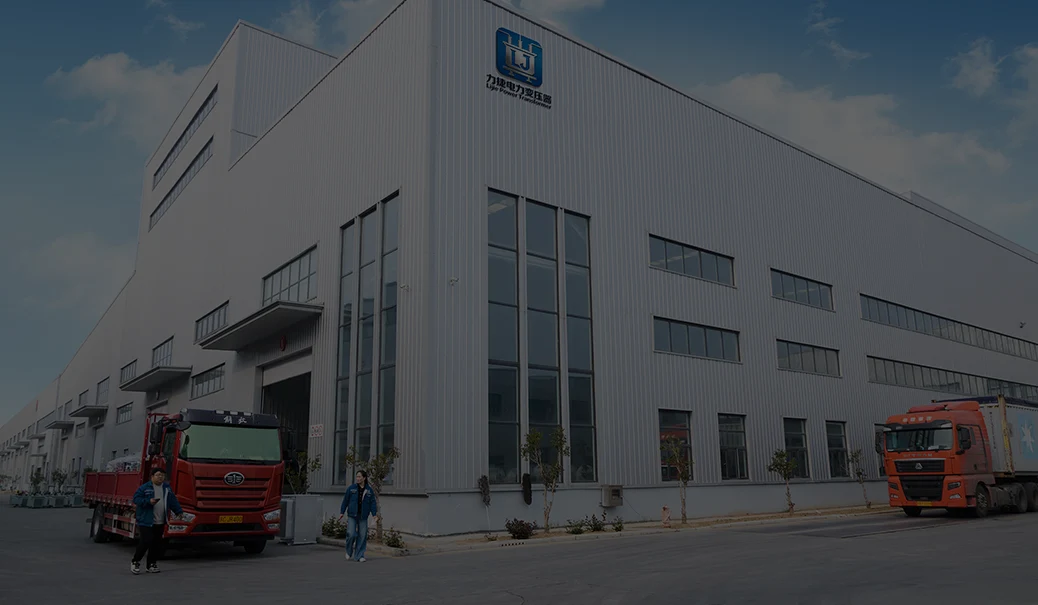
When supply chain managers are narrowing down the list of candidates, they should check third-party test reports, factory audit records, and delivery performance history on similar-sized orders. Lijie Electric has two factories in Xuzhou and Nantong, China. Each one is 800,000 square meters and makes more than 9 billion RMB in sales every year. This production scale allows for huge delivery plans for big EPC projects without affecting the quality of each unit.
If you want to buy high-capacity power transformers across international borders, each country has its own rules about freight classification, customs tax codes, and import permits. Buyers in the US should make sure that the oil-immersed transformer supplier they choose has the right UL or IEEE certifications and can provide all the paperwork needed for customs clearance and grid operator interconnection, such as test certificates, packing lists, and material safety data sheets for the insulating oil.

In order to improve a 110 kV substation, a regional grid operator asked for sixteen oil-immersed power transformers with ONAF cooling and on-load tap changers. The project got all sixteen units within the agreed-upon delivery window because it chose a supplier with ISO 9001-certified batch production. After the fleet was put into service, DGA tests showed that there were no unusual gas levels. This proved that the quality of the making was the same across the whole batch.
For a 150 MW solar farm to connect its inverter output (690 V) to a 35 kV collection grid, step-up transformers were needed. For the job, the units had to be able to handle changing power input and extreme temperatures outside. The project team chose FR3 ester-filled units because they have a higher fire point than mineral oil and meet biodegradability standards. This means that the site has less of a chance of not getting environmental permits.
A steel mill that used an electric arc furnace needed rectifiers and electric furnace transformers that could handle short-circuit current surges that happened often. Units made with stronger copper windings and higher short-circuit withstand ratings worked nonstop for over eight years without an unexpected outage. This shows that using the right application engineering techniques during the design phase saves the long-term availability of assets.
Because choosing the right liquid-filled transformer technology and provider can affect how well the grid works, how profitable a project is, and how long an asset lasts for decades. To get the level of technical detail needed, from choosing the right CRGO core material to planning maintenance based on DGA, you need a manufacturing partner with proven engineering skills, widely recognized certifications, and a track record of delivering big batches. All of these things are important to Lijie Electric for every project we get, whether it's a national grid center, an industrial plant, or a project to integrate green energy with an Oil-Immersed Transformer Supplier.
A well-kept liquid-filled unit can work safely for 25 to 35 years with regular oil cleaning and DGA tests once a year. Accelerated aging is mostly caused by long-term overloading and moisture intrusion that goes unnoticed. Preventive tracking tools can catch both of these problems early.
Yes. The range of units that can be made by a skilled oil-immersed transformer maker is very large. These range from distribution sizes at 35 kV and below to ultra-high-voltage configurations at 220 kV and 500 kV. At the quote step, you can specify the range of the tap switch, the vector group, the cooling class, and the type of insulating fluid.
Ask for at least ISO 9001:2015, IEC 60076 test reports, and CE or UL certification, depending on the market you're going to. For projects in the US, IEEE C57.12.00 compliance paperwork is the norm.
Robotic welding of tank seams, NBR/cork-rubber gaskets at all flange joints, and vacuum leak tests during final assembly inspection are some of the ways that manufacturers stop leaks.
Lead times vary from 12 to 20 weeks from acceptance of the drawing to factory dispatch, depending on the estimated capacity and level of customization.
Lijie Electric is a licensed oil-immersed transformer supplier with ISO 9001:2015, CE, UL, and IEC credentials. They have 800,000 square meters of manufacturing space and can make a lot of transformers. Our engineering team is ready to help you with your needs, whether you need a bulk supply for an EPC job or a custom high-voltage solution with an Oil-Immersed Transformer Supplier. To get a technical consultation right away, email us at lijieelectrical@gmail.com or go to lijie-electrical.com.

1. International Electrotechnical Commission. IEC 60076-1: Power Transformers – General. IEC, 2011.
2. IEEE Standards Association. IEEE C57.12.00: IEEE Standard for General Requirements for Liquid-Immersed Distribution, Power, and Regulating Transformers. IEEE, 2015.
3. Cigré Working Group A2.34. Guide for Transformer Maintenance. Cigré, 2011.
4. Prevost, T. A., & Oommen, T. V. "Cellulose Insulation in Oil-Filled Power Transformers: Part I – History and Development." IEEE Electrical Insulation Magazine, 2006.
5. Sokolov, V. et al. "Moisture Equilibrium and Moisture Migration Within Transformer Insulation Systems." IEEE Transactions on Dielectrics and Electrical Insulation, 2007.
6. U.S. Department of Energy, Office of Electricity. Large Power Transformer Study. DOE, 2014.
YOU MAY LIKE

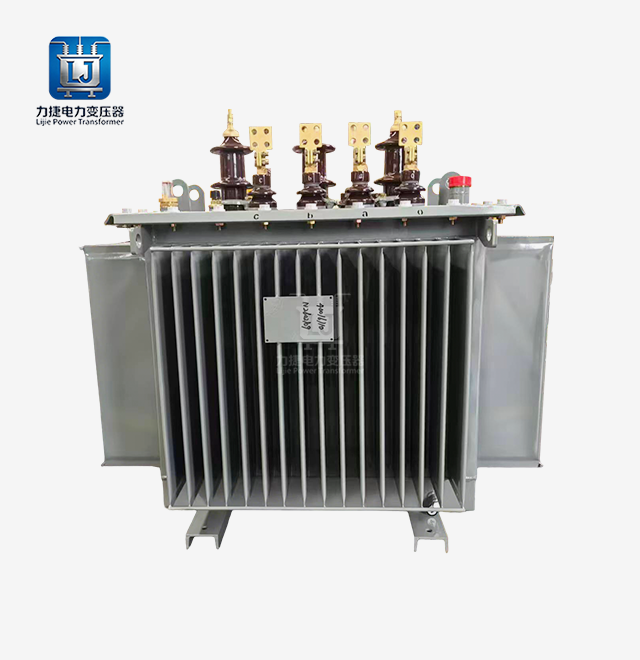
H15%20type%20three-phase%20fully%20sealed%20distribution%20transformer.webp)

18%20type%20epoxy%20resin%20cast%20transformer.webp)

13%20type%20epoxy%20resin%20cast%20transformer.webp)
April 27, 2025
With a tight project schedule, the manufacturer delivered on time, and on-site technical personnel provided guidance throughout the entire installation and commissioning process; the collaboration was highly efficient and hassle-free.
July 2, 2025
During the preliminary phase, a selection plan was custom-tailored based on the actual site load requirements, resulting in a high degree of parameter compatibility. After-sales support responds within two hours, and ongoing technical support for operation and maintenance is comprehensive; we feel completely confident in a long-term partnership.
November 18, 2025
Deployed as a supporting component for a 35kV grid-connection project at a photovoltaic power station, the equipment operates for an average of 16 hours daily. It demonstrates excellent control over no-load losses, ensures smooth power generation and grid integration, and effectively reduces the station's overall energy consumption.
January 30, 2026
Under the continuous, high-load operating conditions of a factory production line, the equipment maintains stable electrical parameters and exhibits strong overload resistance, thereby guaranteeing an uninterrupted power supply for industrial production.
April 3, 2026
Integrated as a supporting component for a new energy photovoltaic grid-connection system, the manufacturer provided professional technical coordination and timely after-sales support, ensuring seamless adaptation to the specific electrical operating conditions required for grid integration.