April 27, 2025
With a tight project schedule, the manufacturer delivered on time, and on-site technical personnel provided guidance throughout the entire installation and commissioning process; the collaboration was highly efficient and hassle-free.
Sep 29, 2026
When selecting a liquid-filled power transformer for your next project, the supplier you choose shapes everything from installation day to year thirty of operation. Engineers and procurement managers need a clear, structured approach to evaluate any oil-immersed transformer supplier before signing a purchase order with Oil-Immersed Transformer Supplier. The right evaluation covers technical specifications, certification compliance, production capacity, after-sales service, and total lifecycle cost. Getting this decision wrong can mean equipment failures, missed project deadlines, and budget overruns that ripple across the entire organization.
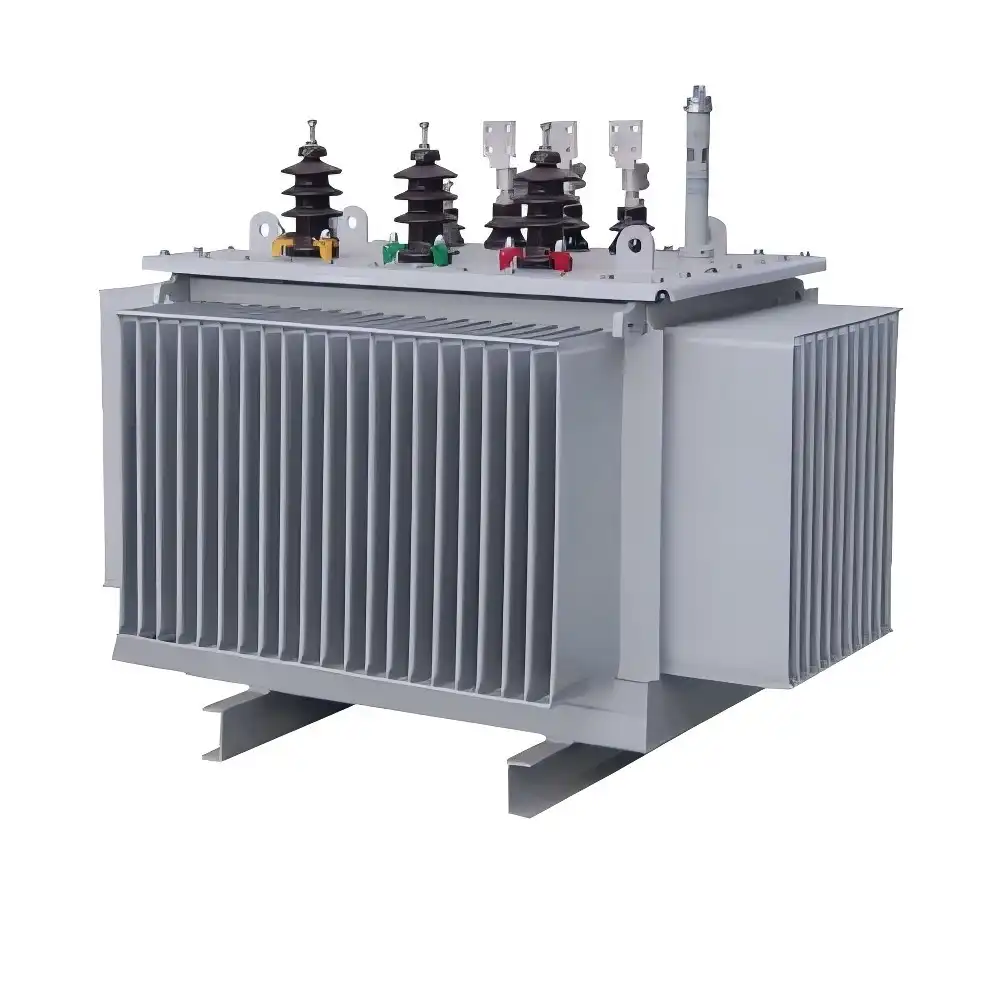
A power generator that is submerged in oil is not a common item to buy. Units ranked between 35kV and 500kV must work nonstop for 25 to 35 years while being stressed by heat, electricity, and mechanical forces. If a seller skimps on the quality of the shielding oil or the CRGO silicon steel core, there is a chance that the system will fail years after it was installed, and it will usually happen when grid operators or plant managers least expect it.
It's common for procurement teams to run into problems like unclear delivery lead times, claims of inconsistent certification, and trouble verifying actual manufacturing capabilities. It's harder to keep up with global projects because the IEC, IEEE C57.12.00, CE, and UL standards cover different things, and not all factories can really meet them all. Engineers need more than just sales brochures to decide on a supplier before they sign a contract.
The U.S. Department of Energy says that when transformers fail, they cause unexpected outages that cost utilities millions of dollars in repair costs. When you add up the costs of installation labor, emergency purchase premiums, and missed production hours, the lifetime cost of a substandard unit is much higher than the unit price savings. Strategic evaluation of suppliers is an investment, not a cost.
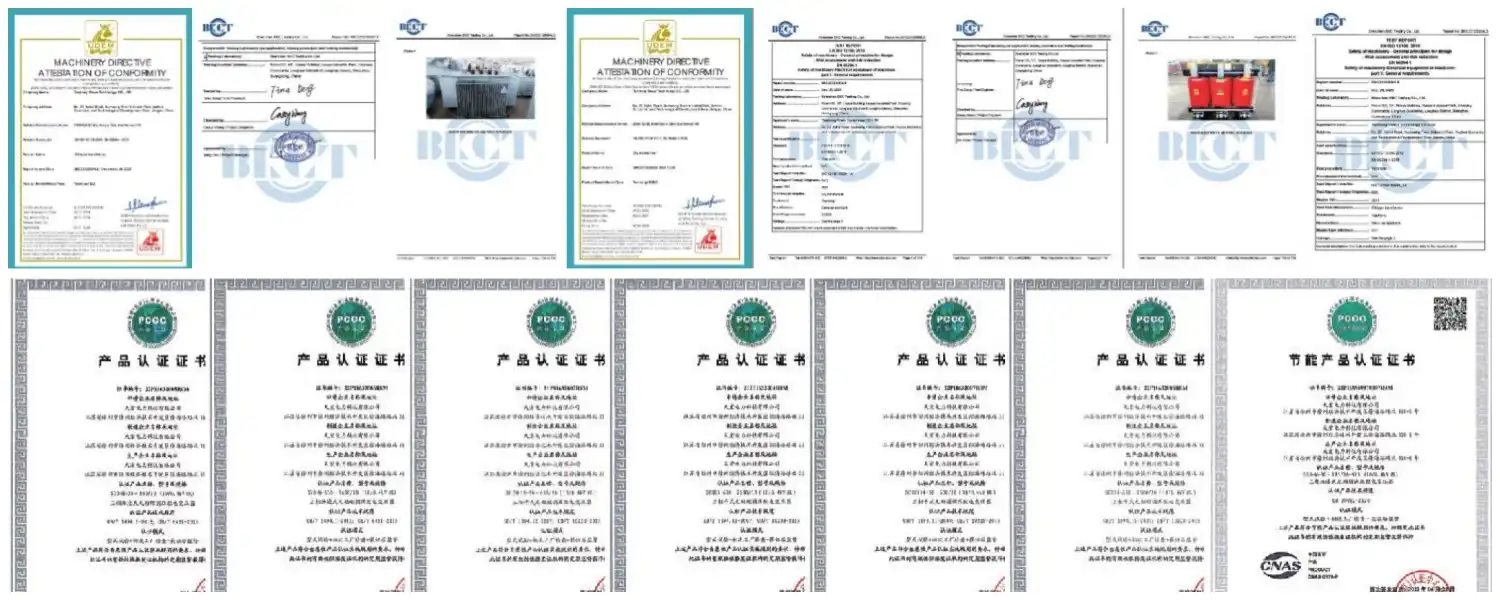
Certification is the first thing that goes through any real evaluation. Pay attention to quality control systems like ISO 9001:2015 and IEC 60076. If they are present, look for CE and UL marks as well. These certifications show that the company follows a controlled production process, tests products regularly and for specific types, and meets performance standards that are recognized around the world. Certificates should be up-to-date, able to be tracked, and checked through the organization that issued them. They shouldn't just be taken at face value.
Not every project fits into a given unit. Steel mills need electric furnace transformers that can handle a lot of short circuits, and solar farms need units that can handle changing power inputs without speeding up the breakdown of the insulation. A good manufacturer should offer different ways to wind the wires, different cooling modes (ONAN/ONAF), and different types of insulating fluid, such as mineral oil or biodegradable synthetic esters like FR3. Make sure that the supplier's engineering team can give you detailed technical information that is specific to your power level and load profile.
A well-built transformer still needs to be checked for Dissolved Gas Analysis (DGA) on a regular basis, have oil samples taken, and have the tap changer serviced every so often. Check out the supplier's help system after delivery: Do they offer technical help over the internet? How long is the warranty good for? Is a stock of spare parts kept? These questions help you tell the difference between sellers who treat every order as a one-time deal and those who work with you as a long-term professional partner with Oil-Immersed Transformer Supplier.
When procurement teams buy straight from a maker, they have a better view of production timelines, quality control methods, and technical customization. There are times when dealer networks can help with operations, but they often cause problems with communication and add extra costs. A direct manufacturing relationship usually lowers risk and improves responsiveness for projects with a lot of parts or a lot of technical complexity.
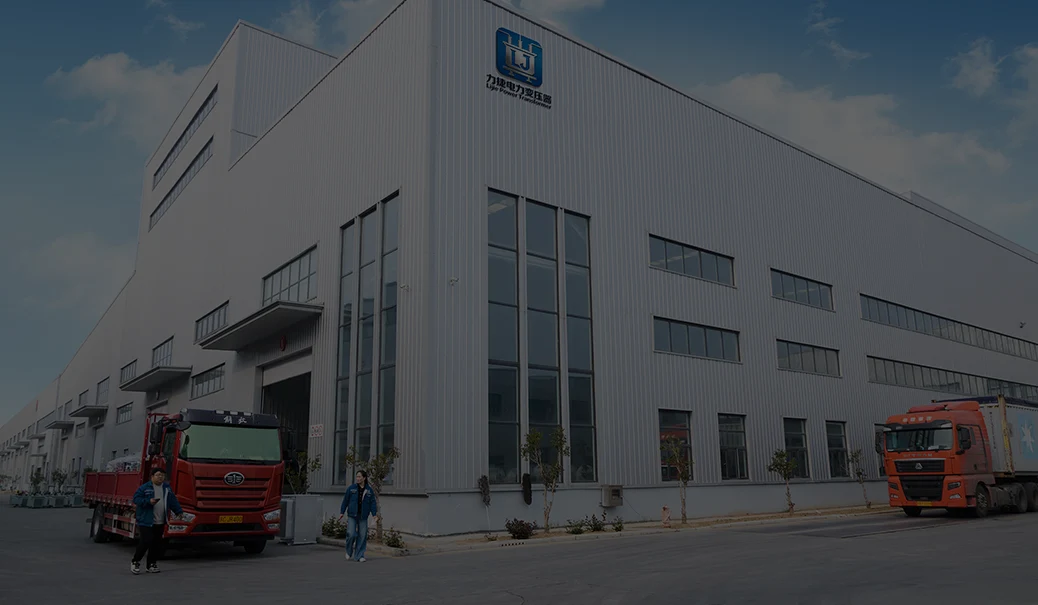
The best suppliers make sure they have enough production capacity to handle large orders without lowering the quality of the goods they deliver. Ask for information about large deliveries that have been made in the past, such as batch sizes, the percentage of on-time deliveries, and how production was handled during times of high demand. Lijie Electric's two bases in Xuzhou and Nantong, China, each cover 500,000 square meters and have dedicated R&D and production facilities. This is the size needed to handle large utility and industry contracts.
Biodegradable ester fluid choices, amorphous metal cores that use little energy, and low no-load loss designs are no longer special features. In North America and Europe, utilities and EPC companies are asking suppliers to show that they are committed to lowering their carbon impact and lowering the risk of spills more and more. Check to see if the seller has eco-friendly alternatives to the fluid you're using and if their goods have energy efficiency approval from a recognized body.
There are different technical needs in each industry. Power companies need ultra-high-voltage units that are guaranteed to be online 99.9% of the time; mines need transformers that can handle conductive dust and corrosive atmospheres; and people who are developing green energy need portable substation solutions that can be quickly installed in remote locations. By matching a supplier's product line to your unique need, you can avoid costly mistakes during the commissioning stage.
One piece of data is a unit price. A full TCO estimate takes into account losses from not being used during the operating lifetime, maintenance costs, how often oil needs to be replaced, and possible penalties for downtime. Over the course of 30 years, a transformer that costs more up front but has lower core losses can save tens of thousands of dollars. Before comparing suppliers for the last time, you should ask for data on the efficiency class and run a lifetime cost model.
Ask for reports on the factory acceptance test (FAT), type test certificates from reputable third-party labs, and DGA baseline data for units that have already been delivered. When suppliers give full test records, including results from places like the Wuhan High Voltage Research Institute, procurement teams have proof that the products are genuine. This paperwork also makes it easier for regulators to give their approval in places with strict rules about grid connections.
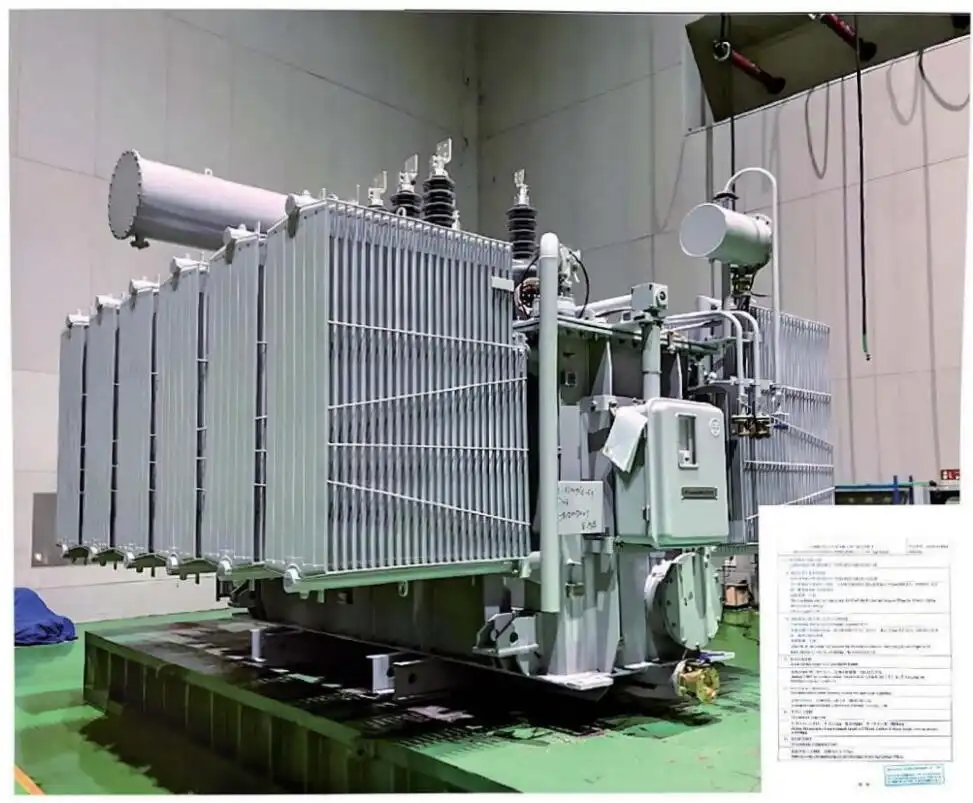
A well-organized Request for Proposal lists the voltage ratio, kVA grade, impedance tolerance, cooling method, insulation class, weather conditions, and licenses that are needed. Include due dates for delivery, paperwork needs, and service standards after the sale. A clear RFP gets rid of any confusion right away and makes sure that all the bids from suppliers are comparable on the same technical and business grounds with Oil-Immersed Transformer Supplier.
Here are some practical steps you can take to improve the way you evaluate suppliers:
These steps give buying teams independent confirmation that goes beyond what a supplier's own marketing materials can give. This makes it much less likely that the wrong supplier will be chosen.
A long-term framework agreement with a qualified supplier is the best way to buy things for big projects that are still going on. This method guaranties early production slots, locks in pricing structures, and makes room for ongoing technical teamwork, which means that transformer specs can be improved as project needs change. The relationship stays productive and accountable with joint engineering sessions and reviews of performance every year.
Not just price should be used to choose the right liquid-filled transformer provider. You should also look at their certifications, technical skills, production size, delivery reliability, and lifecycle cost. Engineers who use a structured evaluation process always choose suppliers that can keep things running safely and efficiently for 25 to 35 years. Procurement teams protect both project timelines and long-term asset value by writing down technical requirements early on, asking for confirmed test reports, and building long-term relationships with suppliers as an Oil-Immersed Transformer Supplier.
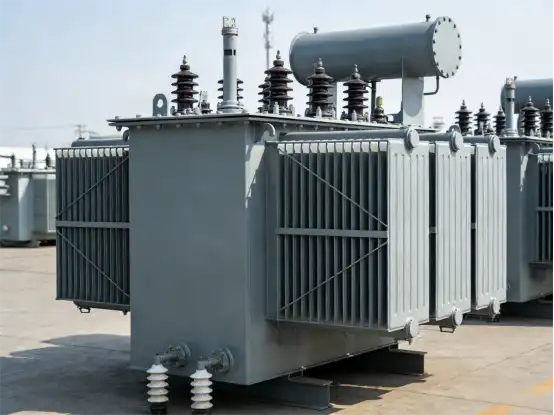
Prioritize ISO 9001:2015 for quality management, IEC 60076 for transformer performance standards, and CE or UL marks depending on your target market. For export projects, confirm that certifications are issued by recognized bodies and remain current.
For a standard 2,500 kVA unit, lead times typically range from 12 to 20 weeks depending on customization requirements. Large batch orders for utility projects may require longer scheduling discussions with the manufacturer's production planning team.
Liquid-filled designs offer superior heat dissipation, higher overload tolerance, and longer service life in outdoor and high-capacity applications. Dry-type units are preferred for indoor, low-voltage applications where fire risk is a concern. For transmission and heavy industrial use, oil-immersed designs remain the standard.
Annual dielectric strength testing and DGA sampling are the industry standard. DGA results can detect early-stage faults such as partial discharge, arcing, or overheating before they escalate into failures.
Yes. FR3 natural ester fluid is biodegradable, has a higher fire point than mineral oil, and is accepted by major utilities in North America and Europe as an eco-responsible alternative.
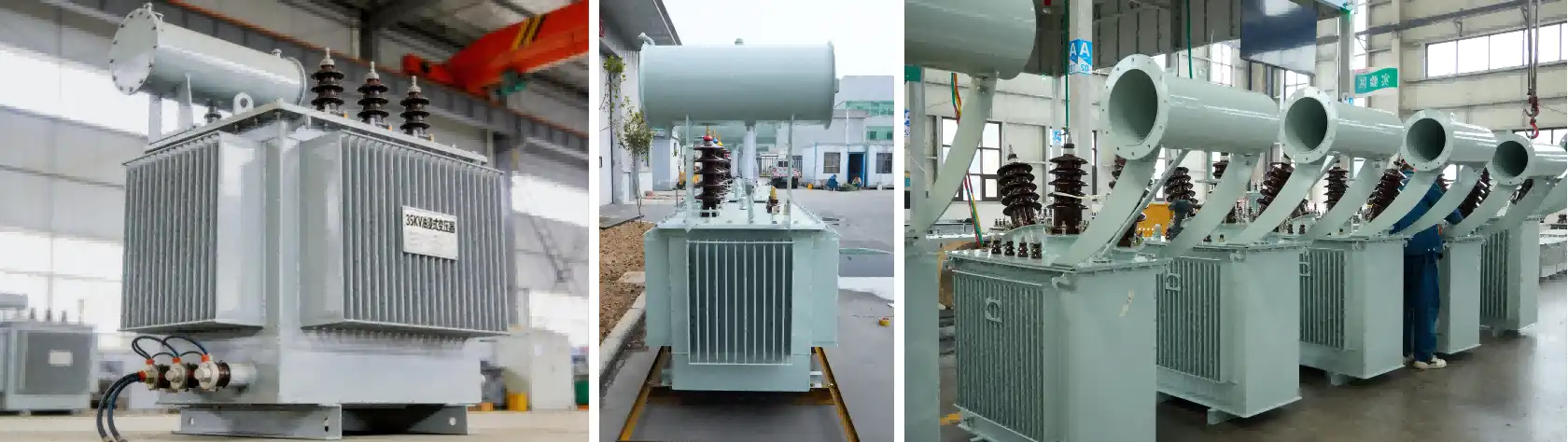
From 35kV distribution units to 500kV ultra-high-voltage models, Lijie Electric Power Technology Group makes all kinds of liquid-filled and dry-type power transformers. Lijie Electric is a certified oil-immersed transformer manufacturer with ISO 9001:2015, IEC, CE, and UL credentials. They work with utility companies, renewable energy developers, industrial manufacturers, and EPC contractors in more than 15 countries. We have two factories in Xuzhou and Nantong. They are each 500,000 square meters and have more than 160 engineers with PhDs and master's degrees working there as an Oil-Immersed Transformer Supplier.
To get a personalized quote and engineering advice, please email our expert team at lijieelectrical@gmail.com or visit lijie-electrical.com right now.
1. IEEE Standards Association. IEEE C57.12.00: Standard for General Requirements for Liquid-Immersed Distribution, Power, and Regulating Transformers. 2021.
2. International Electrotechnical Commission. IEC 60076-1: Power Transformers – General. 2011.
3. U.S. Department of Energy. Transformer Reliability Survey: Interim Report on High-Voltage Transmission Transformer Failures. 2012.
4. Cigré Working Group A2.37. Transformer Reliability Survey. Cigré Technical Brochure 642. 2015.
5. Harlow, J. H. Electric Power Transformer Engineering, 3rd ed. CRC Press. 2012.
6. McNutt, W. J. Transformer Maintenance and Life Assessment. IEEE Transactions on Power Delivery. 1992.
YOU MAY LIKE

10%20type%20dry-type%20distribution%20transformer.webp)
11%20type%2035kV%20distribution%20transfo_1778137470754.webp)
H15%20type%20three-phase%20fully%20sealed%20distribution%20transformer.webp)


11%20type%2035KV%20dry-immersed%20transformer_1778136495348.webp)

April 27, 2025
With a tight project schedule, the manufacturer delivered on time, and on-site technical personnel provided guidance throughout the entire installation and commissioning process; the collaboration was highly efficient and hassle-free.
July 2, 2025
During the preliminary phase, a selection plan was custom-tailored based on the actual site load requirements, resulting in a high degree of parameter compatibility. After-sales support responds within two hours, and ongoing technical support for operation and maintenance is comprehensive; we feel completely confident in a long-term partnership.
November 18, 2025
Deployed as a supporting component for a 35kV grid-connection project at a photovoltaic power station, the equipment operates for an average of 16 hours daily. It demonstrates excellent control over no-load losses, ensures smooth power generation and grid integration, and effectively reduces the station's overall energy consumption.
January 30, 2026
Under the continuous, high-load operating conditions of a factory production line, the equipment maintains stable electrical parameters and exhibits strong overload resistance, thereby guaranteeing an uninterrupted power supply for industrial production.
April 3, 2026
Integrated as a supporting component for a new energy photovoltaic grid-connection system, the manufacturer provided professional technical coordination and timely after-sales support, ensuring seamless adaptation to the specific electrical operating conditions required for grid integration.