April 27, 2025
With a tight project schedule, the manufacturer delivered on time, and on-site technical personnel provided guidance throughout the entire installation and commissioning process; the collaboration was highly efficient and hassle-free.
Sep 26, 2026
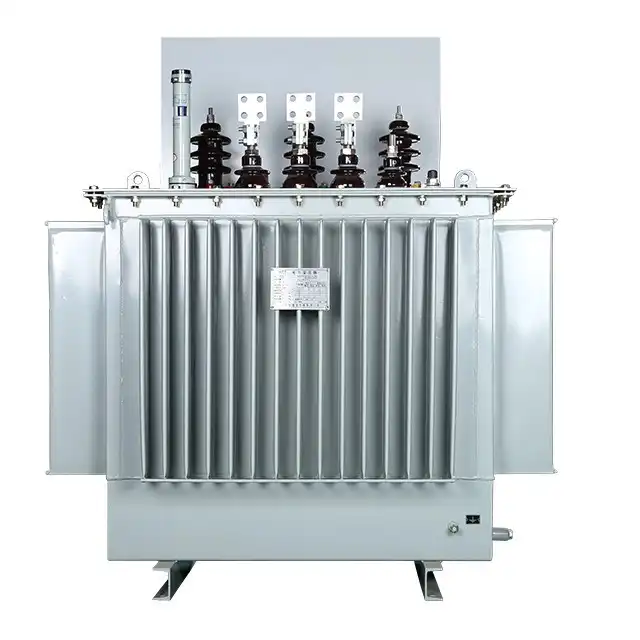
Selecting the right Step-down Transformer Supplier is a decision that directly impacts operational continuity, energy costs, and project timelines. For procurement managers and electrical engineers working with power utilities, renewable energy installations, or industrial manufacturing facilities, the stakes are high. A reliable transformer supplier delivers equipment built with high-permeability CRGO silicon steel cores, insulation classes reaching H (180°C) or R (220°C), and compliance with IEC 60076 and IEEE C57.12.00 standards. These technical benchmarks ensure minimal no-load losses, robust short-circuit withstand capacity, and longevity spanning decades. The challenge lies in distinguishing suppliers who can consistently meet rigorous efficiency and reliability standards while supporting large-scale, time-sensitive deployments across diverse applications.
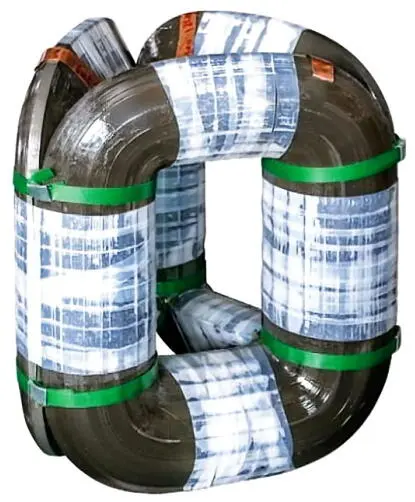
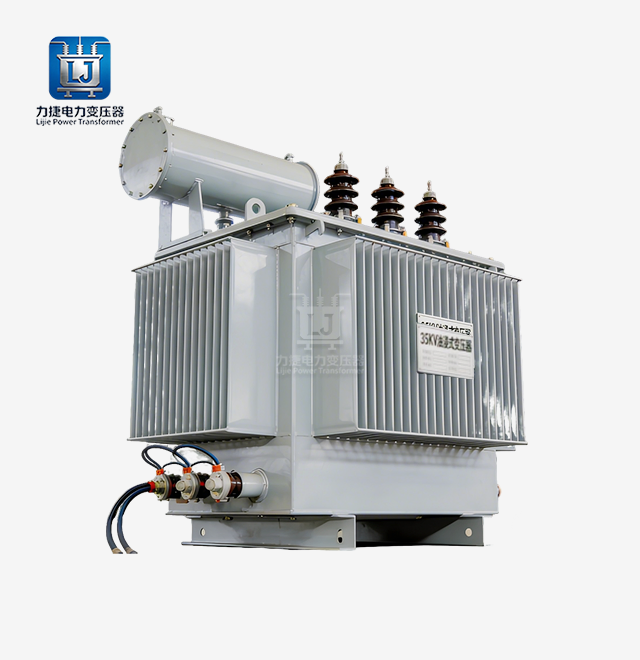
Voltage reduction equipment transformer suppliers play an important role in power distribution networks, renewable energy systems, and heavy industrial operations. These companies make units that lower voltages from transmission levels to levels that end-user equipment can handle. Depending on the load and the climate, products usually have cooling methods that range from Natural Air (AN) to Oil Natural Air Natural (ONAN). Good providers offer transformers with ratings of 35kV or less for small substations, as well as special designs for electric furnaces, rectifiers, and mine uses. Cold-rolled grain-oriented silicon steel cores that reduce hysteresis and eddy current losses are the technical base. These are paired with high-conductivity copper or aluminum windings.
In manufacturing plants, heavy machinery is powered by voltage reduction equipment. On the other hand, solar farms and wind sites use fixed substations and dry-type transformers. To get stable energy to cities and industrial parks, regional power companies rely on distribution transformers. Each use needs precise voltage control, stability at high temperatures, and the ability to handle harmonic distortions that are typical in modern electrical settings.
It is important to know the scientific difference between voltage reduction and voltage elevation sources in order to make accurate purchases. Step-down units focus on efficiency at the distribution level and small installation footprints. On the other hand, step-up equipment values high transformation ratios and K-factor ratings for transmission networks. The effects on the supply chain are very different. Step-down suppliers have to show batch stability across thousands of units, while step-up suppliers usually deal with smaller amounts of ultra-high-voltage equipment. By being aware of these differences, buying teams can avoid choosing the wrong sources and make sure they work with companies whose main skills match the project requirements.
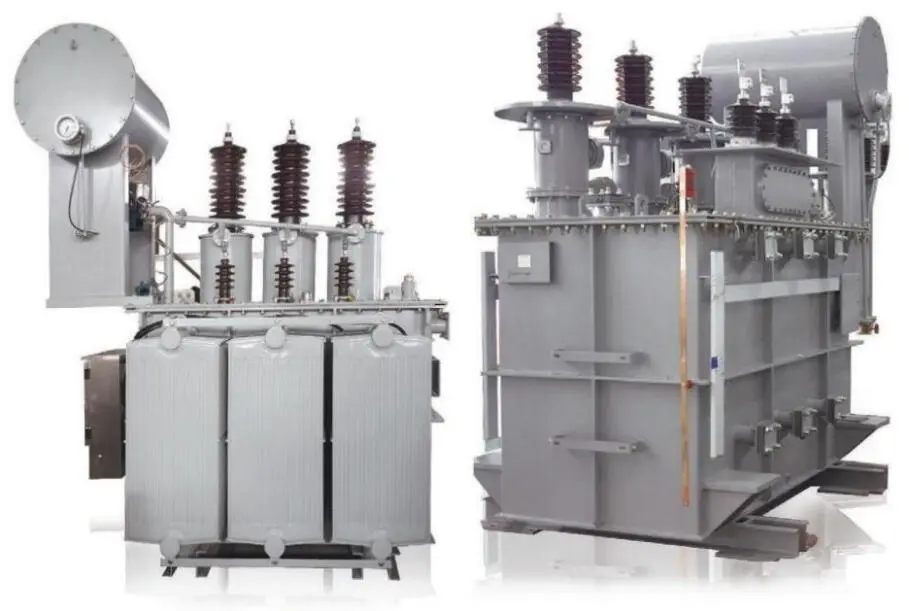
Structured evaluation frameworks that balance technical performance against operational realities are helpful for people who work in procurement. The first step in the F-1 Criteria Screening Approach is to define decision scenarios. For example, does your project care more about saving money up front or saving energy over its lifetime? Are delivery dates open or set by fines in the contract? By answering these questions, you'll be able to see which provider characteristics deserve the most weight in scorecards.
With improved core materials and optimized winding configurations, energy efficiency rates of more than 98 to 99% can be reached. Suppliers should give numbers that can be checked for no-load loss and total ownership cost estimates for 20 to 30 years of use. Following energy efficiency certifications from groups like the China Quality Certification Center (CQC) or international standards that are similar shows a dedication to being open about performance.
Reliability ratings are based on warranty coverage that goes beyond standard terms, complete after-sales support networks, and documented mean time between failures (MTBF), making the selection of a dependable Step-down Transformer Supplier especially important. Suppliers that demonstrate ISO 9001:2015 certification and have completed routine, type, and special testing at approved laboratories can help reduce procurement risks in a measurable way. A qualified Step-down Transformer Supplier should also demonstrate the ability of its transformer products to withstand short-term voltage spikes and maintain structural stability under continuous thermal stress. These capabilities help distinguish a reliable Step-down Transformer Supplier from an average provider. Choosing an experienced Step-down Transformer Supplier with strong testing procedures, comprehensive warranties, and responsive technical support can provide greater confidence in long-term transformer performance. A dependable Step-down Transformer Supplier can therefore help customers reduce operational risks while maintaining stable and efficient power conversion.
Scorecards should give different amounts of weight to things like price competitiveness, speed, dependability, and the ability to perform. When lifecycle savings are calculated over decades of operation, a supplier that is 0.5% more efficient may be worth a 10% price premium. Benchmarking tools that measure the normalized performance of different vendors let you make choices based on facts that are in line with project costs and technical needs.
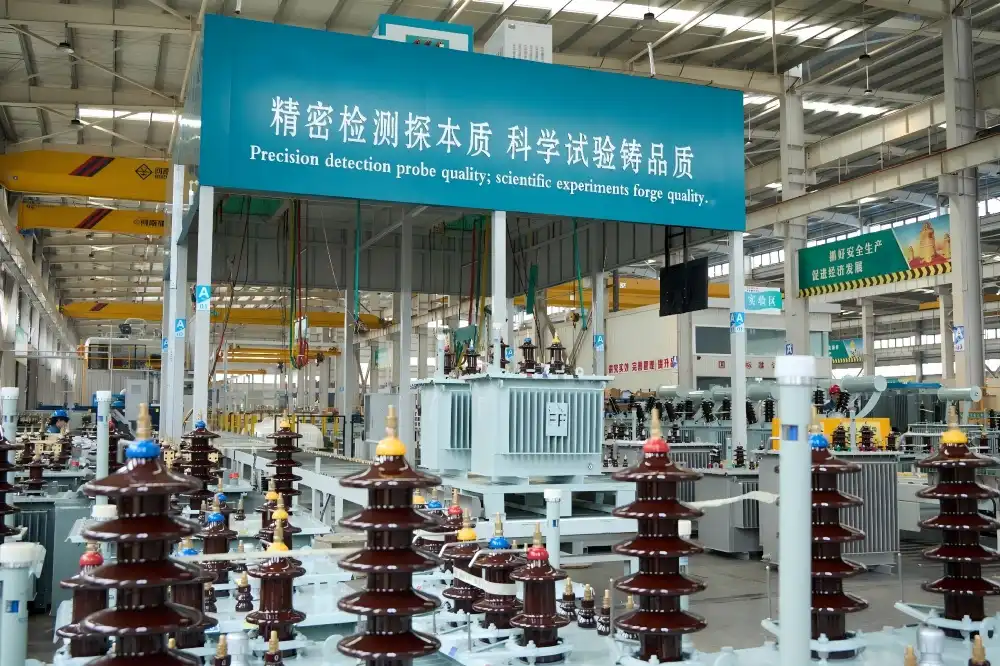
In the 2024 market, there are both well-known makers with decades of experience and flexible regional providers who can make specific changes to meet customer needs. Large companies like National Grid Contractors give more weight to suppliers who have shown they can produce thousands of units under framework deals. Smaller industrial projects might benefit from working with local companies that can make prototypes quickly and offer a range of order sizes.
Distribution transformers with ratings from 10kV to 35kV usually have moderate to high prices, depending on how complicated the customization is and how many certifications are needed. Volume savings are big when you order more than 50 units, and progressive price models reward customers who buy from you for a long time. For foreign deals, payment terms include letters of credit. For local EPC projects, payment terms are based on milestones.
Baseline standards include warranty coverage for material flaws, poor workmanship, and performance loss over 3 to 5 years. Top-tier suppliers offer after-sales support that includes technical advice, troubleshooting in the field, and access to spare parts. Standard setups have lead times of 8 to 12 weeks, while custom designs may need 14 to 18 weeks, based on how complicated the engineering is. Suppliers who keep dedicated project management teams and clear production tracking systems lower the risk of scheduling problems for deployments that need to happen quickly.
Verified buyer reviews always stress how important it is for batches to be uniform and for people to be able to communicate easily during the installation process. Procurement teams say that partnerships are stronger with suppliers who are willing to solve problems proactively and change designs based on feedback from the field than with suppliers who only interact with them in a transactional way.
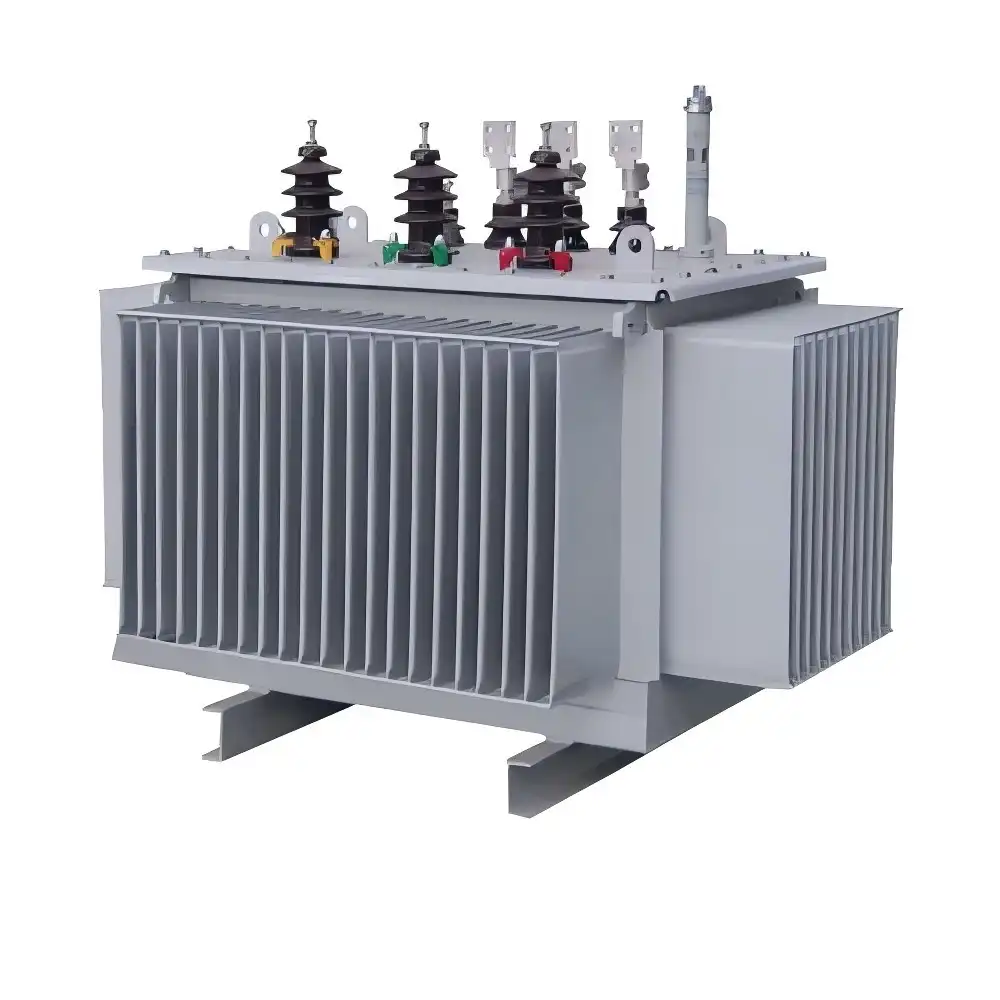
Accurate demand forecasting that fits with project timing is the first step to good buying. By delivering large orders in stages, you can avoid the costs of keeping inventory and make sure that equipment is available at the right time for construction projects. Suppliers with flexible production schedules can work with tight budgets without affecting project deadlines.
Request-for-quotation (RFQ) papers should be very detailed and include information about voltage levels, power rates, cooling methods, insulation classes, and any standards that apply. By including installation site factors like height, temperature range, and seismic needs, providers can come up with the best designs. Standardized RFQ templates make it easier to compare different bidders' offers based on similar criteria.
Shipping plans need to be carefully negotiated with a reliable Step-down Transformer Supplier, especially when purchasing equipment internationally, where port delays and customs clearance issues can disrupt project schedules. Payment terms should balance the buyer's risk tolerance with the supplier's cash-flow requirements. For example, a 30% initial payment, 60% upon proof of delivery, and 10% after commissioning can create a structure that works for both parties. A professional Step-down Transformer Supplier should be able to coordinate shipping documentation, delivery schedules, and customs requirements to reduce logistics risks. Buyers can also gain additional protection when contracts with a Step-down Transformer Supplier include penalties for late deliveries and performance guarantees for agreed efficiency targets. Establishing clear commercial and logistics terms with a dependable Step-down Transformer Supplier helps minimize delivery risks while supporting smoother project execution. Working with an experienced Step-down Transformer Supplier can therefore provide greater confidence in both equipment delivery and contractual performance.
When you buy things around the world, you have to deal with international regulations, accurate paperwork, and the difficulties of freight forwarding. Suppliers with experience in international sales can help you get the CE, UL, and IEC certifications that your products need to be sold in other countries. Checking that regional rules are followed, like power standards, environmental requirements, and marking rules, keeps customs delays from happening, which costs a lot of money.
Customization options and quick customer service after the sale keep the supply chain reliable after the initial delivery. Suppliers who keep engineering teams that can make changes to designs in the middle of a project and field service staff on hand for help with commissioning keep operations running smoothly. Long-term relationships with suppliers based on open communication and common performance goals bring more benefits over time by constantly improving products and giving priority to services.
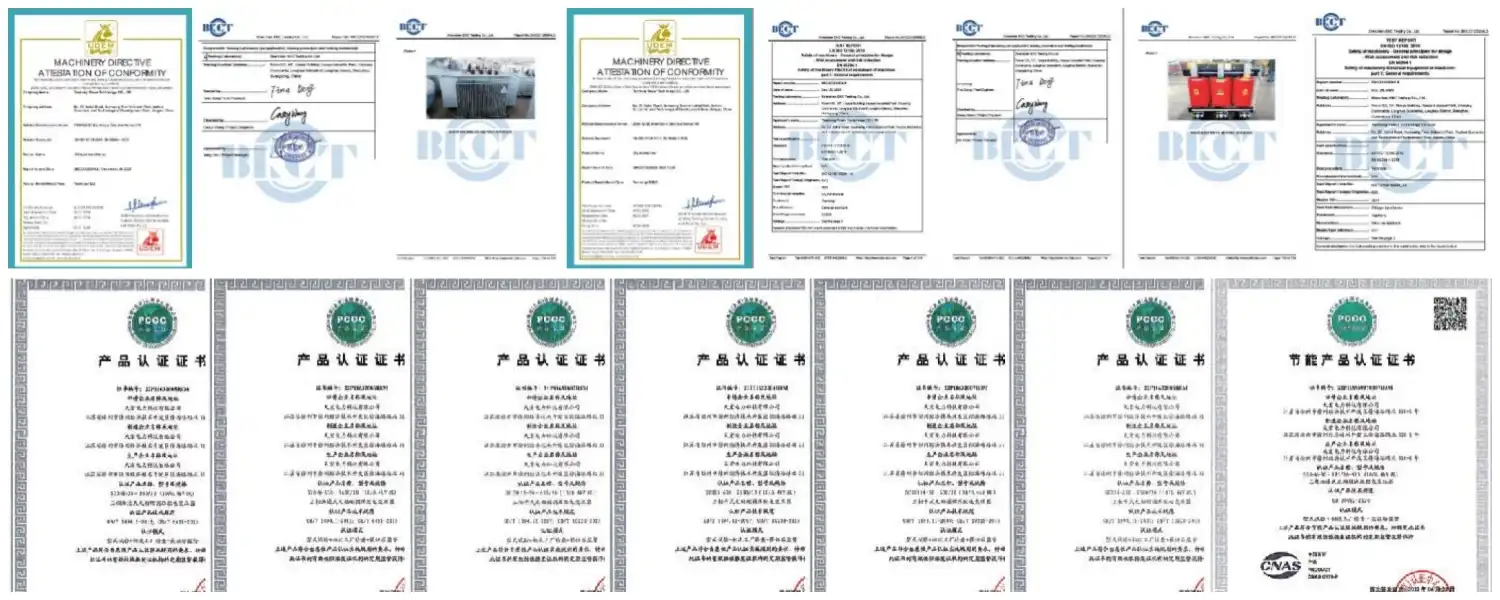
When a seller gets ISO 9001:2015 Quality Management System certification, it shows that they are committed to using consistent manufacturing methods and making improvements all the time. IEC 60076 compliance makes sure that safety and performance standards for electricity are met around the world. UL and CE licenses let you get into markets in North America and Europe, respectively. Suppliers with multiple certifications at the same time show that their companies can meet a variety of legal standards.
Impulse voltage tests show whether the insulation system has sufficient dielectric strength to withstand lightning strikes and switching surges, which is an important consideration when evaluating a Step-down Transformer Supplier. Low excitation current reduces magnetizing losses and can improve overall system efficiency. For green energy applications, amorphous alloy cores are an example of an advanced design approach that can provide incremental performance improvements that may justify the additional cost in certain situations. A qualified Step-down Transformer Supplier should provide complete technical datasheets with guaranteed performance parameters so engineering teams can verify compatibility with larger system designs. By working with an experienced Step-down Transformer Supplier, buyers can evaluate insulation performance, efficiency characteristics, core materials, and other technical specifications more effectively. Selecting a dependable Step-down Transformer Supplier with transparent technical documentation can therefore support better engineering decisions and long-term equipment reliability.
Objective performance verification is done by thorough testing methods that include regular, type, and special tests done by recognized labs, such as the National Transformer Quality Supervision and Inspection Center or the Wuhan High Voltage Research Institute. As a whole, heat run tests, which make sure the product is thermally stable under continuous rated load, short-circuit tests, which make sure the product is mechanically strong, and partial discharge measurements, which make sure the insulation is intact, make sure the product is reliable.
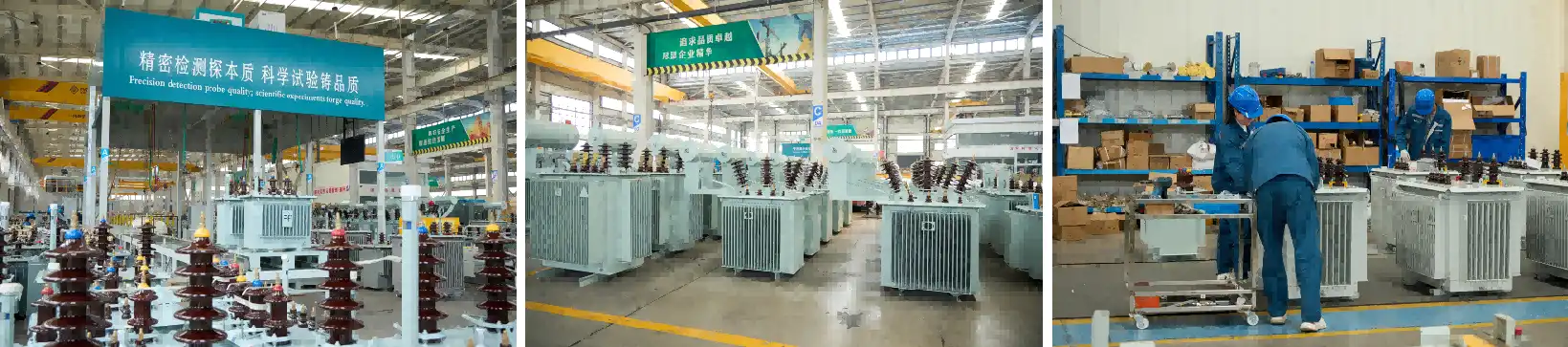
Early collaboration between the purchasing and engineering teams to set technical evaluation criteria is good for procurement workflows. Factory checks that look at how clean the factory is, how the equipment is calibrated, and quality control checkpoints show that the operations are run with discipline. Asking for test samples from a third party before placing big orders reduces the risks associated with the provider. Material quality standards are confirmed by reviewing the documentation to make sure that the core materials and winding conductors can be tracked.
When picking a transformer provider, you need to find a balance between technical excellence and practicality. Evaluating a Step-down Transformer Supplier should include metrics for efficiency, reliability, certification compliance, manufacturing capability, and after-sales support. With different price points and service levels available on the market, procurement teams need to use structured assessment frameworks that align with project priorities. A successful buying process includes more than just signing a contract. It also involves coordinating operations, allowing flexibility for customization, and building long-term partnerships with a reliable Step-down Transformer Supplier. A qualified Step-down Transformer Supplier should demonstrate sufficient manufacturing scale, engineering expertise, and service commitment to deliver value that extends beyond the initial equipment cost through years of reliable operation and ongoing technical support. Choosing the right Step-down Transformer Supplier can help procurement teams balance investment costs with long-term performance, service quality, and operational reliability. Working with an experienced Step-down Transformer Supplier also provides greater confidence when project requirements change or customized solutions are needed.
Certified suppliers show proof of quality management systems, following electrical safety rules, and consistent performance. Certifications lower the risk of buying something by making sure that the manufacturing capabilities have been checked by a third party. They also make it easier for big installations to get governmental approvals and insurance coverage.
Check past shipping performance with customer references, look at financial stability with credit reports, and do plant audits to see how much can be made. Ask for samples to be tested by someone else, and look over the guarantee terms to see how much they cover. Suppliers who communicate clearly and are willing to let you into their facilities show that they trust how things are run.
It takes 8–12 weeks from the time an order is confirmed until it is delivered for standard setups, but 14–18 weeks for personalized designs. If you order more than 50 units, you may need to add more time to your production schedule. Suppliers who keep extra popular parts on hand can sometimes speed up delivery for jobs that need to be done quickly.
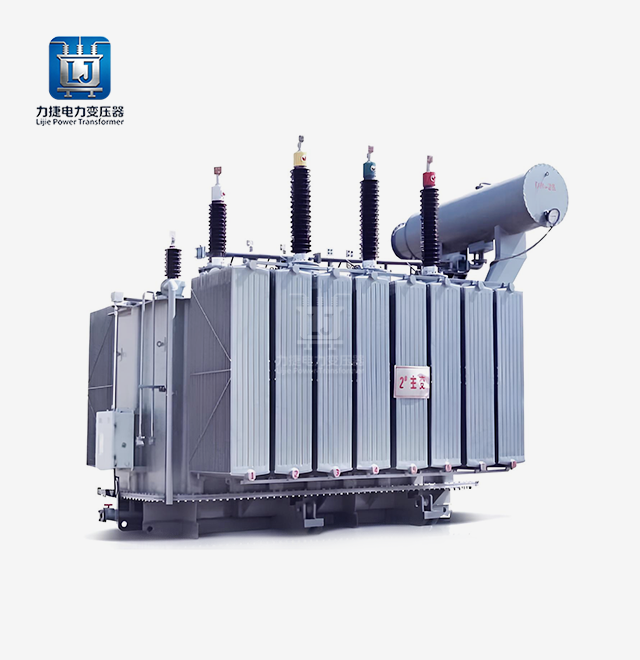
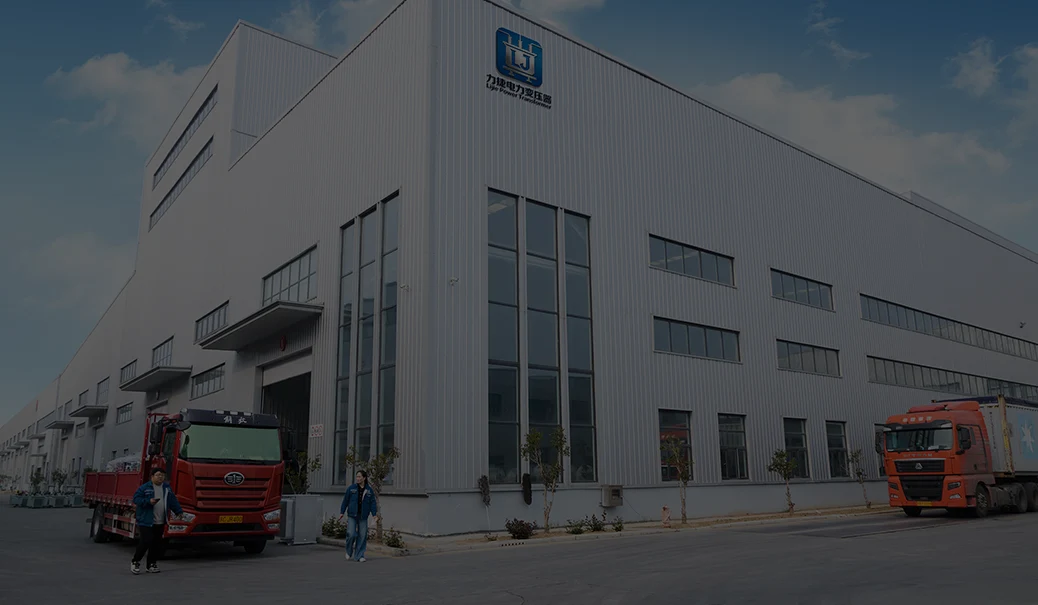
Lijie Electric Power Technology Group has been making high-quality transformers for over 20 years and can help procurement professionals who need reliable voltage reduction solutions. Our team of 160+ engineering experts makes goods that meet ISO 9001:2015, IEC, CE, and UL standards. They do this in modern factories that cover 500,000 square meters in Xuzhou and Nantong. We offer power transformers from 10kV to 220kV, prefabricated substations, and specialized industrial units. All of these come with full after-sales support and energy efficiency certifications. Our large-scale supply capacity and ability to customize make sure that your project gets exactly what it needs on time, whether it's small substations for distribution in cities or mine transformers for activities in the middle of nowhere. Send an email to lijieelectrical@gmail.com to get customized quotes and detailed information from our engineering team. Visit lijie-electrical.com to see our full selection of transformers and to find buying tips made for people who want to save money.
1. Institute of Electrical and Electronics Engineers. (2021). IEEE Standard General Requirements for Liquid-Immersed Distribution, Power, and Regulating Transformers (C57.12.00-2021). IEEE Standards Association.
2. International Electrotechnical Commission. (2018). Power Transformers – Part 1: General (IEC 60076-1:2011+AMD1:2018). IEC Central Office, Geneva.
3. Kulkarni, S. V., & Khaparde, S. A. (2017). Transformer Engineering: Design, Technology, and Diagnostics (2nd ed.). CRC Press.
4. Heathcote, M. J. (2019). The J & P Transformer Book: A Practical Technology of the Power Transformer (14th ed.). Newnes.
5. U.S. Department of Energy. (2016). Energy Conservation Standards for Distribution Transformers: Final Rule. Federal Register, 81(81), 24368-24508.
6. Harlow, J. H. (Ed.). (2012). Electric Power Transformer Engineering (3rd ed.). CRC Press.
YOU MAY LIKE




H15%20Amorphous%20Alloy%20Distribution%20Transformer.webp)
April 27, 2025
With a tight project schedule, the manufacturer delivered on time, and on-site technical personnel provided guidance throughout the entire installation and commissioning process; the collaboration was highly efficient and hassle-free.
July 2, 2025
During the preliminary phase, a selection plan was custom-tailored based on the actual site load requirements, resulting in a high degree of parameter compatibility. After-sales support responds within two hours, and ongoing technical support for operation and maintenance is comprehensive; we feel completely confident in a long-term partnership.
November 18, 2025
Deployed as a supporting component for a 35kV grid-connection project at a photovoltaic power station, the equipment operates for an average of 16 hours daily. It demonstrates excellent control over no-load losses, ensures smooth power generation and grid integration, and effectively reduces the station's overall energy consumption.
January 30, 2026
Under the continuous, high-load operating conditions of a factory production line, the equipment maintains stable electrical parameters and exhibits strong overload resistance, thereby guaranteeing an uninterrupted power supply for industrial production.
April 3, 2026
Integrated as a supporting component for a new energy photovoltaic grid-connection system, the manufacturer provided professional technical coordination and timely after-sales support, ensuring seamless adaptation to the specific electrical operating conditions required for grid integration.