April 27, 2025
With a tight project schedule, the manufacturer delivered on time, and on-site technical personnel provided guidance throughout the entire installation and commissioning process; the collaboration was highly efficient and hassle-free.
Sep 29, 2026
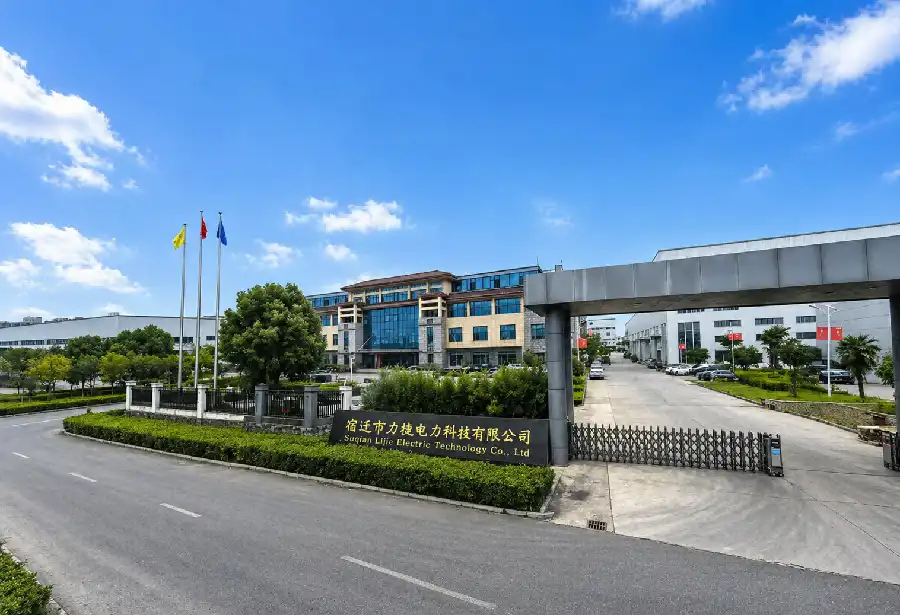
When your facility depends on consistent, safe power delivery, the transformer sitting at the heart of your electrical system carries more responsibility than most people realize. A qualified medium voltage transformer supplier provides far more than hardware — they offer engineered solutions that keep steel mills, utility-scale solar farms, and transmission substations running without interruption. At Lijie Electric, we work directly with procurement managers, electrical engineers, and project leads across the U.S. and globally to match the right transformer specification to each application. This article walks you through what matters most.
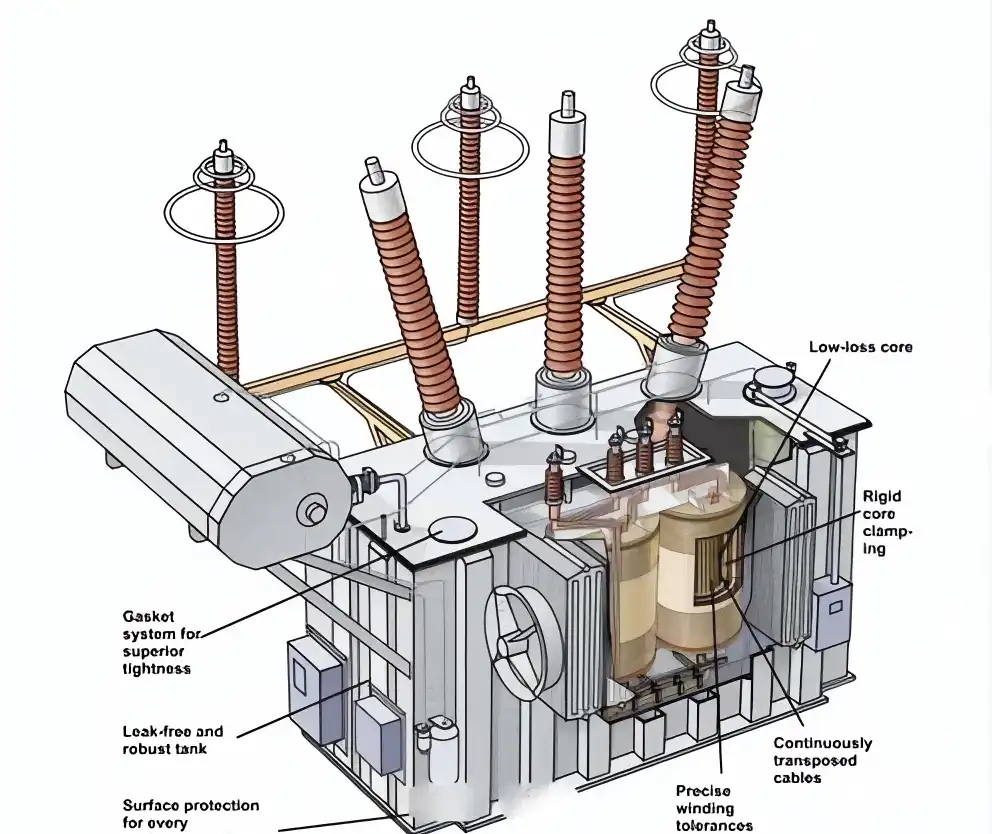
Medium voltage (MV) transformers are in the 1 kV to 35 kV range and are the point where the high voltage transmission grid is converted to the lower voltages used by end customers. They execute a simple-sounding job—stepping voltage up or down very efficiently—but the engineering is anything but simple.
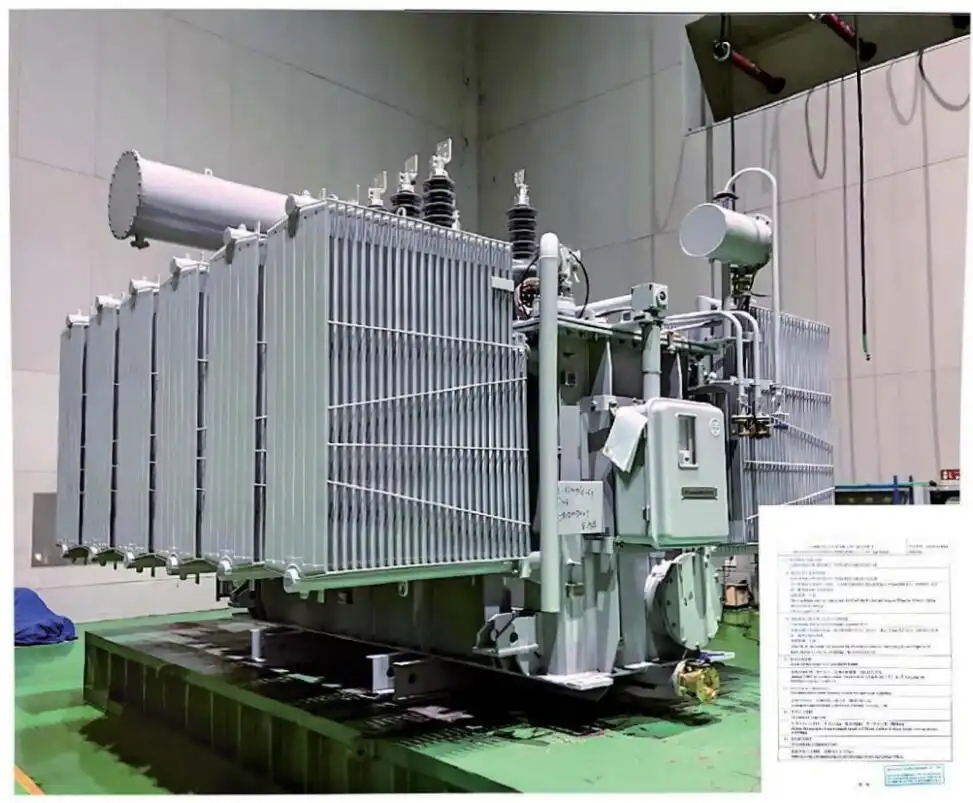
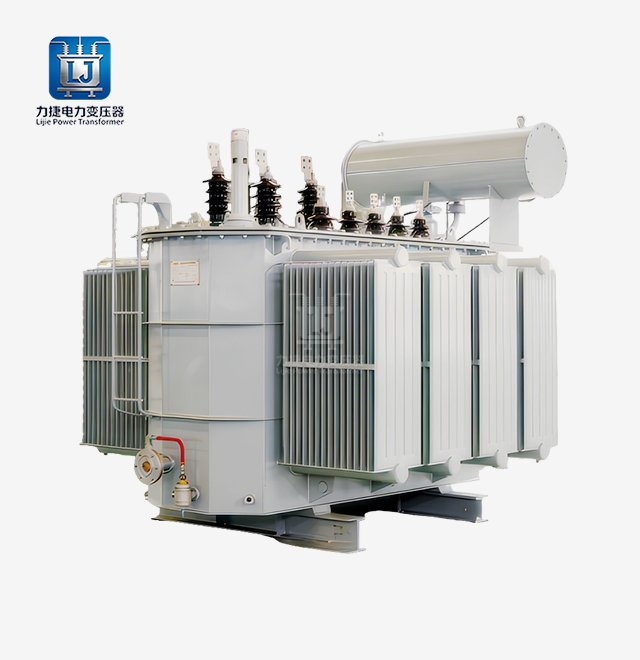
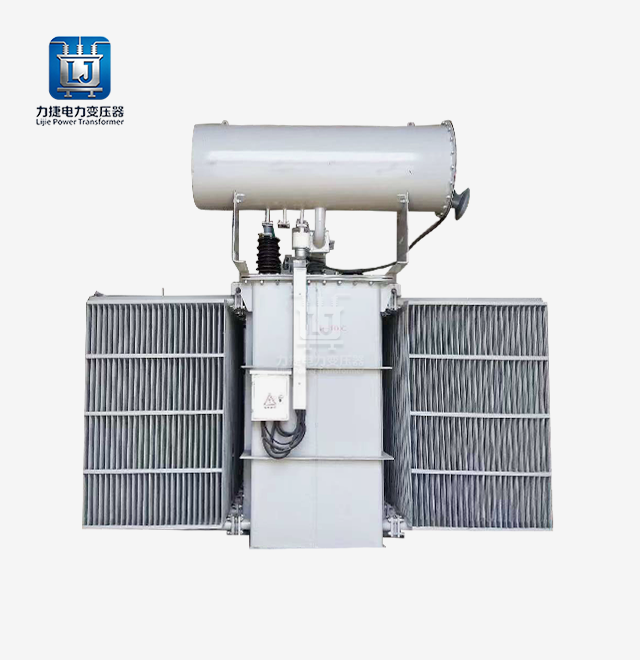
There are two major sorts of market leaders. Dry-type transformers use cast resin insulation (Class H, rated to 220°C) and are self-extinguishing and moisture resistant, making them excellent for interior industrial environments and solar inverter stations where fire safety is crucial. Oil-immersed transformers utilise mineral oil as a cooling medium and have larger capacity and better performance for outdoor grid applications such as power plants and wind farms.
Installation formats are equally varied. Pad-mounted units are perfect for small urban distribution projects, while skid-mounted and pre-fabricated substation arrangements are often used in renewable energy sites where quick installation is a need. Pole-mounted versions are used for rural utility distribution.
Every procurement decision should reference concrete specifications:
These numbers directly affect your facility's energy bill and equipment lifespan over a 20–30 year service period.
MV transformers supplied in the US market are required to comply with IEEE C57.12.00, ANSI C57, and IEC 60076. Products with ISO 9001:2015, CE, and UL certifications indicate that a manufacturer is using verifiable quality management practices — not simply product claims with a Medium Voltage Transformer Supplier.
Choosing a supplier is more than just purchasing something. Choose badly, and it might mean delays to projects, tools that don’t meet requirements, or costly breakdowns in operation.
First, ensure that the voltage class, efficiency tier, and load profile are compatible with the rated requirements of the transformer. A solar farm operator needs a device that can manage fluctuating loads from DC to AC, whereas a steel company using electric arc furnaces needs furnace transformer designs suitable for their purposes. Vendors that are able to provide technical assistance are much more beneficial than vendors who just send catalogue products and then quote a price.
Here are the licenses you should check before signing any supply agreement:
These should be checked on your own, not just from brochures. This will protect your project from regulatory risk in the future.
MV units that are custom-built usually have lead times of 16 to 32 weeks, which includes Factory Acceptance Testing (FAT). If a seller says they can meet your needs in a lot less time, you should ask them to explain more. When it comes to big energy or infrastructure projects, where downtime costs a lot more than the transformer's purchase price, the things that set one company apart from another are bulk prices, long-term supply deals, and quick customer service after the sale.
The people who work in procurement always have the same set of issues. Finding them early on lowers project risk by a large amount.
Problems in the global supply chain have made wait times longer in the electrical equipment sector. Often, this is because of bad planning in the beginning, like finalizing specs too late or not giving sellers enough time to make the goods. The solution is easy: set specs, place purchase orders at least 20 weeks before installation dates, and only work with providers who can confirm production schedules in writing.
Batch stability is a must for big projects that need 50 to 500 units or more. One way is to ask for a Factory Acceptance Test (FAT) protocol that includes measuring the partial discharge (target: <10 pC), checking the turns ratio, testing the insulation resistance, and making sure the temperature rise is correct. It's a bad sign when suppliers don't want to follow detailed FAT schedules. There are third-party inspection groups, such as the National Transformer Quality Supervision and Inspection Center, that can give you test reports.
Many transformer failures in the first year are caused by bad fitting rather than problems with the device itself. Often, this is caused by mismatched busbar lines, wrong grounding setups, and inadequate ventilation gaps. A supplier who offers technical help on-site and custom footprint options for retrofit installations is much more cost-effective than one who just hands over a datasheet and leaves with a Medium Voltage Transformer Supplier.
Some big names in the global MV transformer market are ABB, Siemens, Schneider Electric, GE Vernova, and Hitachi Energy. All of them have a lot of engineering expertise. ABB is known for having a wide range of products and a strong ability to integrate grid automation. Siemens is very good at making high-efficiency dry-type designs. Schneider Electric is a strong player in the market for prefabricated substation solutions for business and renewable energy uses.
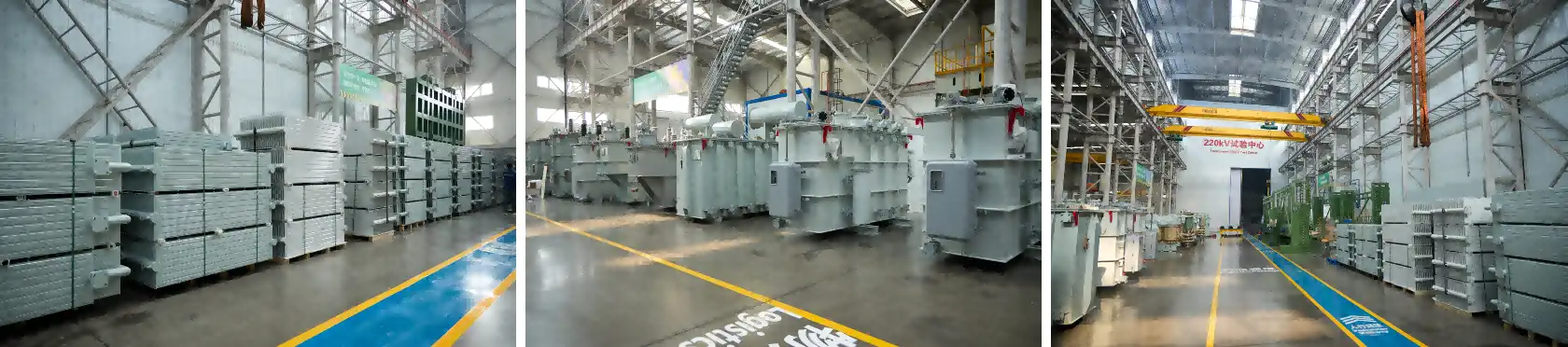
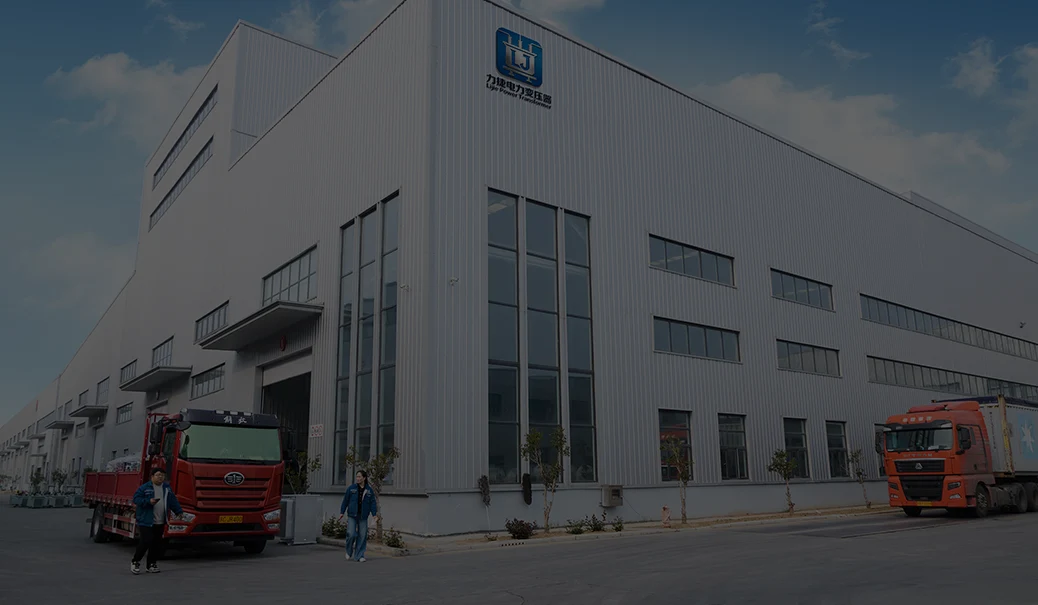
The Lijie Electric Power Technology Group is based in China and has factories that cover 500,000 square meters in Xuzhou and Nantong. They make transformers from low-voltage units up to 500 kV and above. With over 160 engineers holding doctoral and master's degrees and yearly sales of more than 5 billion RMB, each product has a lot of scientific depth.
The National Transformer Quality Supervision and Inspection Center and the Wuhan High Voltage Research Institute test all of Lijie Electric's products on a regular basis and also test them for type and other special needs. There are CE and UL approvals, and the 10 kV and 35 kV transformers are IEC-compliant. Products are sent to markets in Australia, New Zealand, India, Vietnam, Malaysia, Indonesia, Egypt, Kenya, and several Central Asian countries.
The things that Lijie Electric does include:
With this range, it's possible to get different types of transformers from the same source. This makes buying and checking quality easier for large projects.
A transformer's 30-year service life depends heavily on what happens after delivery.
For solar farm installations, ensure the transformer is positioned to minimize cable run resistance and that ventilation clearances meet manufacturer specifications. For indoor industrial environments with dry-type units, verify that ambient temperature controls stay within the unit's thermal class rating. Document installation conditions during commissioning — this becomes the baseline for future maintenance assessments.
Routine maintenance for oil-immersed units should include dissolved gas analysis (DGA) at least annually. DGA identifies internal arcing or overheating before they progress to failure — it is the most cost-effective diagnostic tool available for oil-filled equipment. For dry-type units, inspect for dust accumulation on windings and verify that cooling fans (if equipped) operate correctly each quarter.
When selecting a supplier, ask directly: what does post-warranty support look like? Reliable suppliers provide access to spare parts, technical documentation in your working language, and a clear escalation path for field issues. Suppliers who have delivered projects in your region before will have local reference points for installation and environmental conditions.
Buying transformers correctly from the beginning protects project schedules, keeps costs low over their lifetime, and keeps sites safe for decades. The quality and dependability of your MV transformer provider will have a big impact on how well your project turns out in the long run with a Medium Voltage Transformer Supplier, whether you're building a utility-scale solar plant, running a heavy industrial facility, or overseeing an upgrade to the power grid in your region. When talking to a supplier, you should always look at four things: technical specs, certification status, supply consistency, and how quickly they respond after the sale.
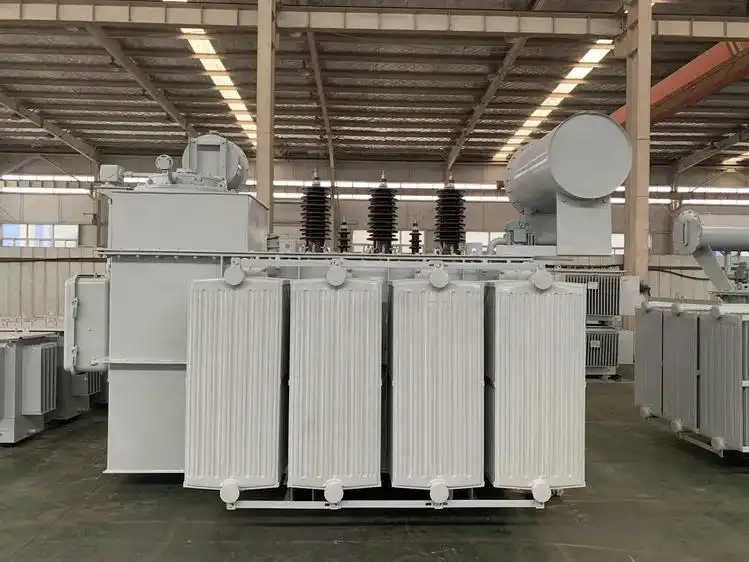
Unit cost is affected by the type of core material (silicon steel vs. amorphous alloy), the power level (kVA/MVA), the voltage class, the insulation type, and the approval needs. Custom configurations, like dimensions that aren't standard or specific ways of winding the wires, increase both cost and lead time.
Ask for the original certificates and check the information of the granting body directly. There is a registration number on ISO 9001 certificates that can be used to find the issuing body. Type test records from approved labs, not just internal papers, should show that something meets IEC standards.
Most reputable suppliers offer a 12- to 24-month warranty that covers flaws in the manufacturing process, insulation failure, and the integrity of the winding under certain operating conditions. Make it clear if the warranty only covers parts or both parts and work, and if so, whether on-site help is included.
Yes, experienced makers usually offer custom busbar adjustments, changed tank sizes, and voltage taps that are set to the right level. Make sure that the provider has dealt with similar calls for retrofits before and that the results were recorded.
Lijie Electric is a reliable company that makes medium voltage transformers. Their products are certified, they can supply large amounts, and they have exported to four continents before. No matter what kind of dry units you need for a solar inverter station, oil-immersed distribution transformers for an industrial park, or specialized furnace transformers for heavy manufacturing, our engineering team is ready to help you find the right one with a Medium Voltage Transformer Supplier. To get technical advice or a project quote, email us at lijieelectrical@gmail.com or check our website at lijie-electrical.com.
1. IEEE Standards Association. IEEE C57.12.00: Standard for General Requirements for Liquid-Immersed Distribution, Power, and Regulating Transformers. IEEE, 2021.
2. International Electrotechnical Commission. IEC 60076-1: Power Transformers – Part 1: General. IEC, 2011.
3. U.S. Department of Energy. Energy Conservation Standards for Distribution Transformers: Final Rule. DOE, 2016.
4. Winders, J. J. Power Transformers: Principles and Applications. CRC Press, 2002.
5. Harlow, J. H. (Ed.). Electric Power Transformer Engineering. CRC Press / Taylor & Francis, 2012.
6. EPRI (Electric Power Research Institute). Transformer Maintenance and Life Assessment: Best Practices Guide. EPRI, 2019.
YOU MAY LIKE

13%20type%20epoxy%20resin%20cast%20transformer.webp)




April 27, 2025
With a tight project schedule, the manufacturer delivered on time, and on-site technical personnel provided guidance throughout the entire installation and commissioning process; the collaboration was highly efficient and hassle-free.
July 2, 2025
During the preliminary phase, a selection plan was custom-tailored based on the actual site load requirements, resulting in a high degree of parameter compatibility. After-sales support responds within two hours, and ongoing technical support for operation and maintenance is comprehensive; we feel completely confident in a long-term partnership.
November 18, 2025
Deployed as a supporting component for a 35kV grid-connection project at a photovoltaic power station, the equipment operates for an average of 16 hours daily. It demonstrates excellent control over no-load losses, ensures smooth power generation and grid integration, and effectively reduces the station's overall energy consumption.
January 30, 2026
Under the continuous, high-load operating conditions of a factory production line, the equipment maintains stable electrical parameters and exhibits strong overload resistance, thereby guaranteeing an uninterrupted power supply for industrial production.
April 3, 2026
Integrated as a supporting component for a new energy photovoltaic grid-connection system, the manufacturer provided professional technical coordination and timely after-sales support, ensuring seamless adaptation to the specific electrical operating conditions required for grid integration.