April 27, 2025
With a tight project schedule, the manufacturer delivered on time, and on-site technical personnel provided guidance throughout the entire installation and commissioning process; the collaboration was highly efficient and hassle-free.
Sep 29, 2026
When a substation trips or a factory line goes dark, the cost per minute can run into thousands of dollars. Choosing the right liquid-filled transformer—and the right manufacturer behind it—determines whether your project runs on schedule or stalls under pressure with an Oil-Immersed Transformer Supplier. As someone who works closely with power infrastructure procurement, I want to walk you through what makes oil-immersed transformer technology the preferred choice for heavy power applications, and how Lijie Electric delivers on every requirement that serious B2B buyers carry into a sourcing decision.
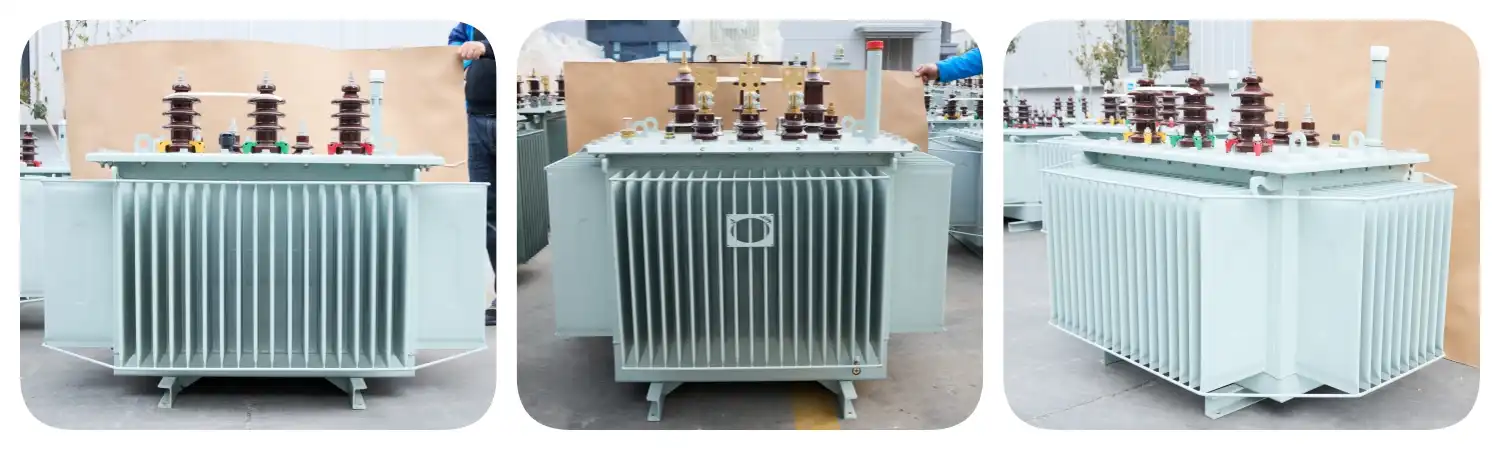
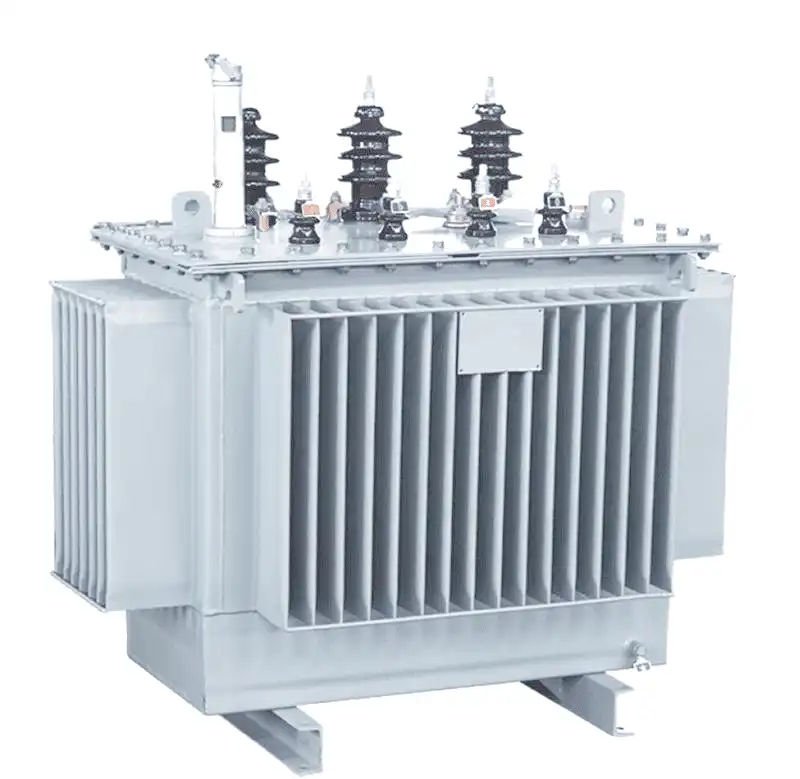
It is a type of liquid-filled power unit where the core and windings are both buried in insulation oil inside a tank that is sealed. The oil does two things at the same time: it keeps the live parts from touching the grounded tank, and it moves heat away from the windings by natural convection (ONAN) or forced air cooling (ONAF). IEC 60076-1 says that this two-in-one feature makes oil-immersed designs clearly cooler than air-cooled options for ratings above about 1,000 kVA.
Three groups meet most of the needs of a project. When the voltage drops at the utility edge, usually to 35 kV or less, distribution transformers take care of it. Transmission substations that work with 110 kV, 220 kV, 500 kV, and higher use power transformers. For example, electric furnace transformers, rectifier transformers, and mining transformers are special units that are made to handle the different duty cycles that come up in steel mills, chemical plants, and underground operations.
Transformer oil takes quick changes in load much more slowly than air because it has a specific heat capacity about twice that of air. This means that an oil-immersed unit that is well-made can handle short-term overloads of up to 20% without putting stress on the insulation right away. Dry-type units at the same rating can't do this.
A good oil-immersed transformer should last between 25 and 35 years with regular oil sampling and monitoring of dissolved gas analysis (DGA). If you use that equipment for a long time in a lot of substations, it will cost you a lot less each year than equipment that needs to be replaced more often.
Not every company can handle a large order of 50 units, meet the standards for an IEC 60076 type test, and still provide responsive after-sales engineering. When expert procurement managers look at Oil-Immersed Transformer Suppliers, these are the main things they look at.
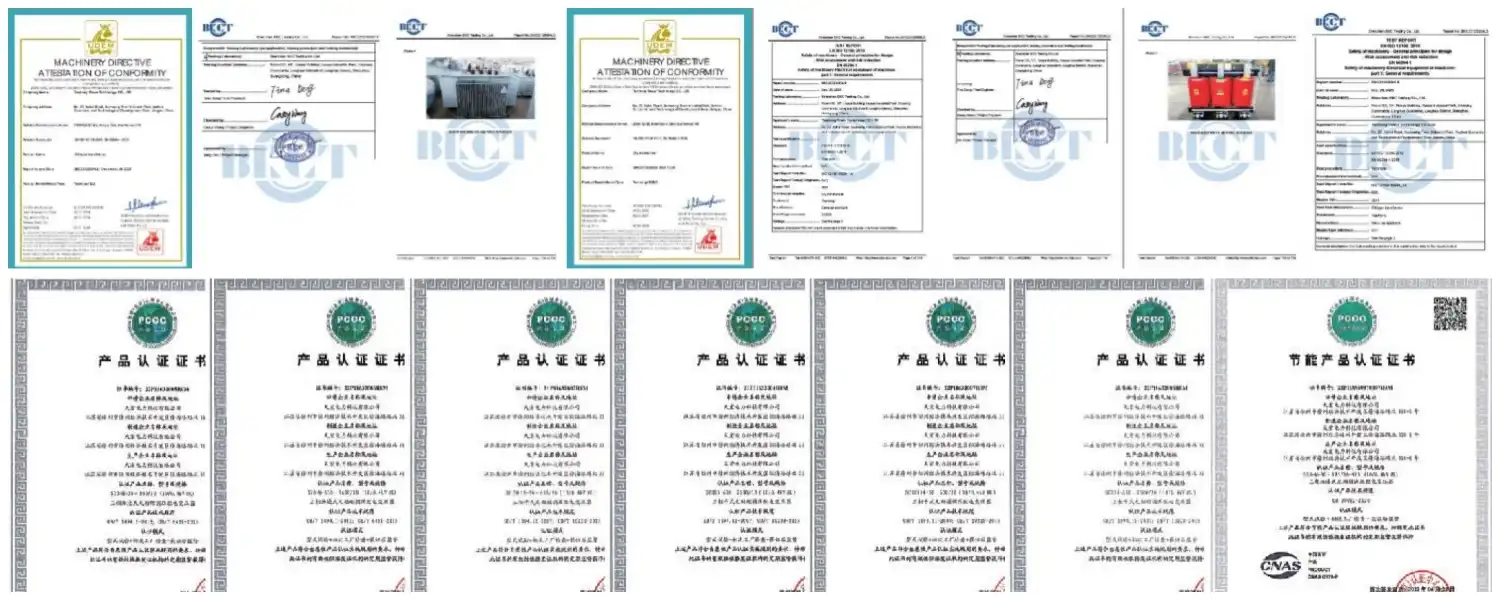
A reliable supplier has ISO 9001:2015 quality management certification, IEC product certifications, and CE and UL marks for projects that are aimed at North American or European markets. Lijie Electric has all of these certifications, plus CQC energy-saving certification and PCCC product certification. The National Transformer Quality Supervision and Inspection Center and the Wuhan High Voltage Research Institute do type tests on all of their products.
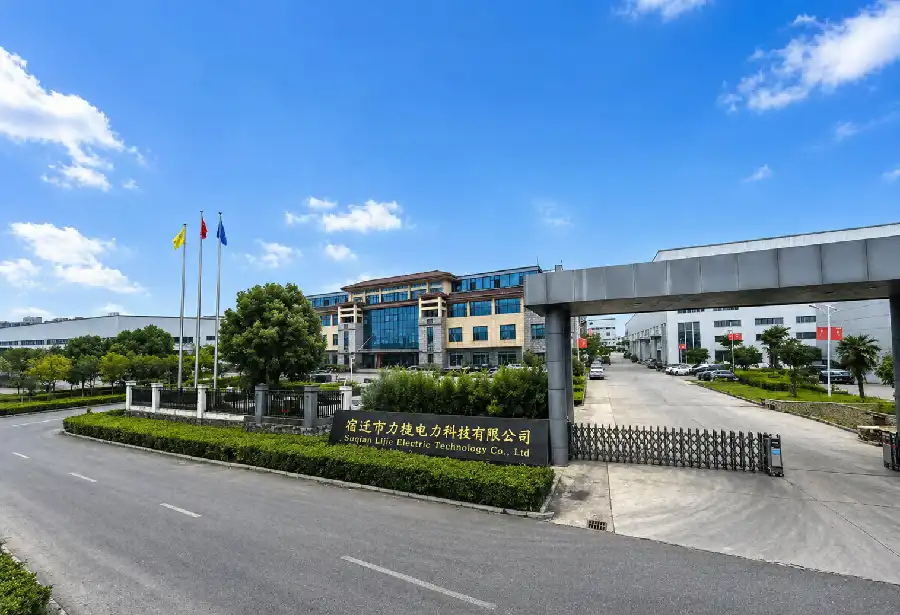
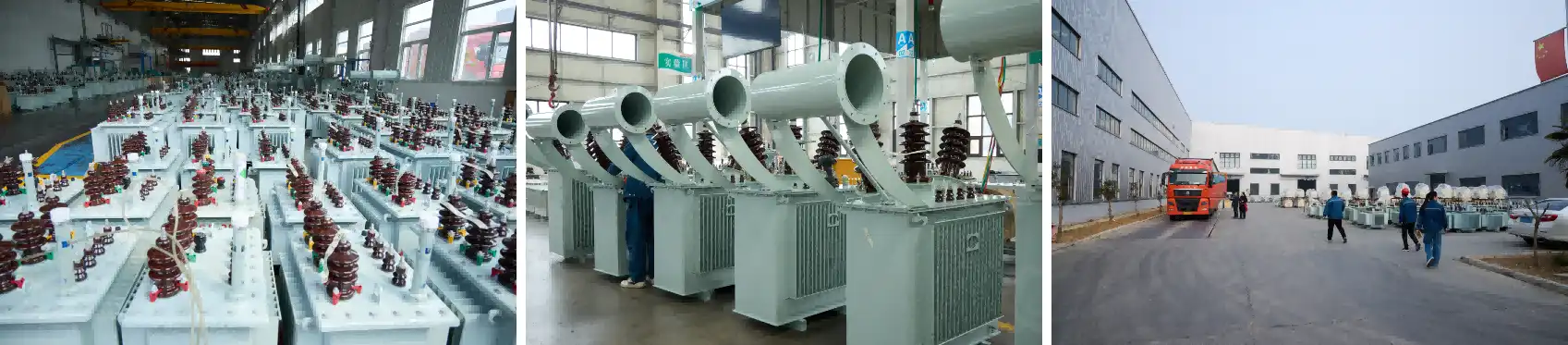
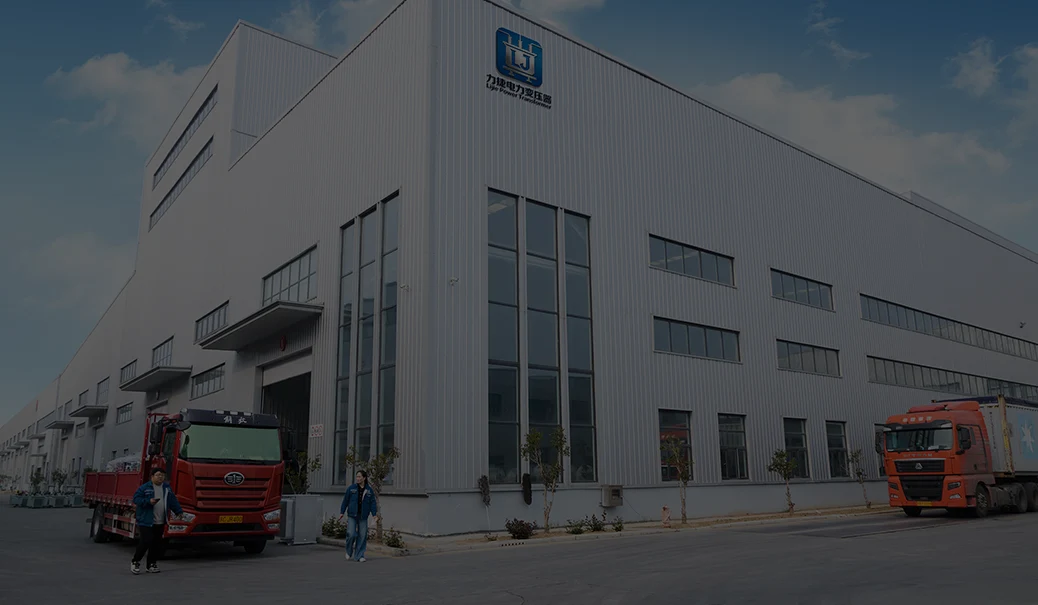
Off-the-shelf voltage ratios aren't often used in heavy industry, projects that use renewable energy, or EPC contracts. A good Oil-Immersed Transformer Supplier should be able to accept full OEM specs, including the winding design, tap changer range, cooling class, and tank dimensions, and still promise to deliver in large quantities. Lijie Electric has two production bases that are together 500,000 square meters big and hire more than 2,000 people. This means that it can physically meet large-scale framework deals without affecting lead times.
The purchase price is just one factor that can change. Core losses in a transformer that runs for 8,760 hours a year add up to a lot of energy use. Cold Rolled Grain Oriented (CRGO) silicon steel and high-purity electrolytic copper windings are used by Lijie Electric to keep no-load losses at the lower end of the efficiency tier with an Oil-Immersed Transformer Supplier. This lowers the annual operating costs of the asset over its lifetime.
These three criteria—certifications, customization capacity, and lifecycle economics—form the practical checklist that separates a strategic seller from a transactional provider. By using them consistently, buying teams can avoid expensive source changes in the middle of a project.
To reach its estimated service life, a transformer that has passed plant acceptance testing still needs to be serviced in the field. The most common reason oil-filled equipment breaks down early is that regular checks are not done.
The two checks that must be done every year are dissolved gas analysis (DGA) and dielectric strength tests. DGA finds hydrogen, methane, ethylene, and acetylene gases that are released when insulation breaks down. This lets repair teams know about problems weeks or months before they get out of hand. IEEE C57.104 sets the levels at which most North American utilities will sound an alarm.
Infrared thermography can find hot spots on the sides of tanks and radiator fins that you can't see with the naked eye. When combined with live temperature monitors and load loggers, thermal data helps operations teams plan maintenance for planned outages instead of having to respond to failures that didn't happen on purpose. This is a useful change that protects both uptime and safety margins.
When installing oil-filled equipment near buildings that are already occupied, fire safety must be taken into account. If you use biodegradable FR3 natural ester fluid instead of regular mineral oil, the fire point goes up from about 160°C to over 300°C, which makes fires much less likely. Robotic tank welding and NBR gaskets are used in high-quality production to get rid of the oil leaking paths that are bad for the environment on-site.
Dry-type transformers can be used in indoor locations with less than 2,500 kVA of power, where fire rules don't allow equipment that is filled with liquid. Outside of that window, oil-immersed systems have hard-to-beat benefits in terms of cost per MVA, speed, and ability to handle overloads.
Conventional mineral oil is cheap and has been shown to work well as an insulator, but it comes from petroleum and can be bad for the environment if it spills. Studies published in the IEEE Transactions on Dielectrics and Electrical Insulation show that natural ester fluids like FR3 are biodegradable, raise the temperature at which paper insulation starts to break down by about 10°C, and make transformers last longer.
More and more modern oil-immersed units come with sensors that measure the temperature, wetness, and partial release of the oil. These data feeds work with remote tracking platforms that are already used by utilities and industrial operators with an Oil-Immersed Transformer Supplier. This cuts down on the need for site checks that have to be done by hand, which saves money on running labor costs over time.
Installations inside cities with strict fire codes usually choose dry-type units. Outdoor substations, large industrial buildings, renewable energy collector substations, and transmission-level uses always choose oil-immersed designs because they can handle more heat, last longer, and cost less to place in large quantities.
From a technical specification to an installed transformer, there are several steps in the buying process that, when done right, keep both the timeline and the budget on track.
Start with a document that lists the rated power (kVA/MVA), main and secondary voltage, cooling class, efficiency tier, and any site-specific needs, like grounding for altitude or a seismic zone. If you give the manufacturer this information up front, they can give you an exact quote instead of a rough estimate. This cuts the business cycle by one to two weeks.
The lead time for standard distribution units with popular grades is usually between 12 and 20 weeks. Custom high-voltage units take more time to design and build. Lijie Electric's two-base manufacturing infrastructure allows for continuous batch production, which is very important for EPC contractors and utility developers who can't have delivery gaps between units in a multi-unit project.
Before you sign, make sure you understand what the warranty covers. It should include both parts and labor for on-site fault response, not just replacement at the factory. Check that the CE and IEC licenses match the grid code of the place where the project is going before sending it. Lijie Electric sends its goods to more than a dozen countries in Asia, Africa, and Oceania. This gives the company real-world experience with dealing with trade paperwork and local rules and regulations.
For substations, factories, and heavy power applications, oil-immersed transformer technology is still the gold standard. This is because it offers the best balance of thermal capacity, long service life, and cost-effectiveness at voltages up to and including 500 kV. Over the life of an asset, which is 25 to 35 years, choosing a qualified Oil-Immersed Transformer Supplier—one that has the right certifications, allows customization, and can meet large shipping schedules—has a direct effect on how the project turns out. The factors talked about here can help procurement workers make a good choice when they are looking for their next provider relationship.
Under normal load conditions, most oil-immersed units from a good manufacturer last 25 to 35 years with yearly DGA oil tests and regular inspections.
Yes. FR3 natural ester fluid breaks down naturally, has a fire point above 300°C, and, compared to regular mineral oil, makes paper insulation last longer.
To get rid of leaking paths, quality makers use robotic tank welding and NBR/cork-rubber gaskets, followed by vacuum leak tests before shipping.
At least ISO 9001:2015 compliance, IEC 60076 compliance, and CE or UL marks, based on where the product is going. Certification for energy efficiency, like that from the CQC, is another sign of quality.
Every year, tests for dielectric strength and dissolved gas analysis should be done. Sites with a lot of load cycling or old equipment may benefit from samples every six months.
Every project that Lijie Electric Power Technology Group works on has a production area of 500,000 m², more than 160 engineers with PhDs and master's degrees, and certifications from ISO 9001, IEC, CE, and UL as an Oil-Immersed Transformer Supplier. We always get things to you on time and as planned, whether you need a single custom high-voltage unit or a bulk supply deal for an EPC job. You can start your question right away by emailing us at lijieelectrical@gmail.com or going to lijie-electrical.com.
1. IEEE Std C57.12.00-2015 — IEEE Standard for General Requirements for Liquid-Immersed Distribution, Power, and Regulating Transformers. IEEE, 2015.
2. IEC 60076-1:2011 — Power Transformers – Part 1: General. International Electrotechnical Commission, 2011.
3. IEEE Std C57.104-2019 — IEEE Guide for the Interpretation of Gases Generated in Mineral Oil-Immersed Transformers. IEEE, 2019.
4. Tenbohlen, S., et al. — "Diagnostic Measurements for Power Transformers." Energies, MDPI, 2016.
5. Godina, R., et al. — "Effect of Loads and Other Key Factors on Oil-Transformer Ageing." Energies, MDPI, 2015.
6. McNutt, W. J. — "Insulation Thermal Life Considerations for Transformer Loading Guides." IEEE Transactions on Power Apparatus and Systems, 1992.
YOU MAY LIKE


10%20type%20dry-type%20distribution%20transformer.webp)


14%20Epoxy%20Resin%20Dry%20Type%20Transformer.webp)
April 27, 2025
With a tight project schedule, the manufacturer delivered on time, and on-site technical personnel provided guidance throughout the entire installation and commissioning process; the collaboration was highly efficient and hassle-free.
July 2, 2025
During the preliminary phase, a selection plan was custom-tailored based on the actual site load requirements, resulting in a high degree of parameter compatibility. After-sales support responds within two hours, and ongoing technical support for operation and maintenance is comprehensive; we feel completely confident in a long-term partnership.
November 18, 2025
Deployed as a supporting component for a 35kV grid-connection project at a photovoltaic power station, the equipment operates for an average of 16 hours daily. It demonstrates excellent control over no-load losses, ensures smooth power generation and grid integration, and effectively reduces the station's overall energy consumption.
January 30, 2026
Under the continuous, high-load operating conditions of a factory production line, the equipment maintains stable electrical parameters and exhibits strong overload resistance, thereby guaranteeing an uninterrupted power supply for industrial production.
April 3, 2026
Integrated as a supporting component for a new energy photovoltaic grid-connection system, the manufacturer provided professional technical coordination and timely after-sales support, ensuring seamless adaptation to the specific electrical operating conditions required for grid integration.