April 27, 2025
With a tight project schedule, the manufacturer delivered on time, and on-site technical personnel provided guidance throughout the entire installation and commissioning process; the collaboration was highly efficient and hassle-free.
Sep 28, 2026
The key criteria to consider when assessing a medium voltage transformer provider for your next project are certification integrity, manufacturing quality, energy performance and delivery dependability. Whether it's a solar farm installation, a steel mill update or a utility-scale distribution project, selecting the incorrect supplier might jeopardise operational safety and project timeframes. The first step to making a confident procurement selection is knowing what supplier characteristics really safeguard your investment – and which ones are just marketing fluff with Medium Voltage Transformer Supplier.
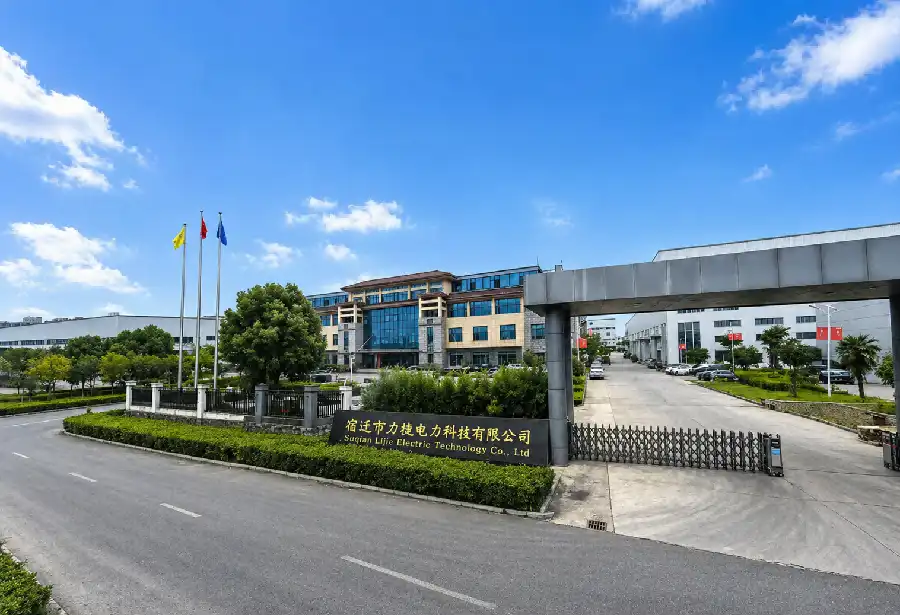
Medium voltage (MV) transformers operate at voltages between 1kV and 36kV and are a crucial connection between high voltage transmission networks and the end user’s electrical systems. The better they perform, the safer and more efficient the delivery of electricity to industrial equipment, grid infrastructure, and renewable energy systems.
The most significant aspects for customers are Basic Impulse Levels (BIL) from 60kV to 200kV, insulation grades such as Class H (220°C) for dry-type devices, and K-factor scores for harmonic suppression. These characteristics tell you whether a transformer can hold up to the electrical stressors associated with your job—whether that’s in a mine, a chemical factory, or a wind farm.
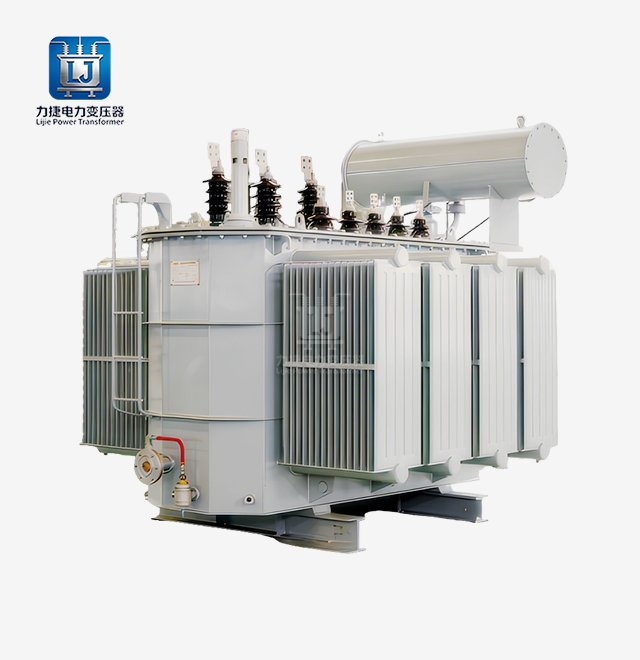
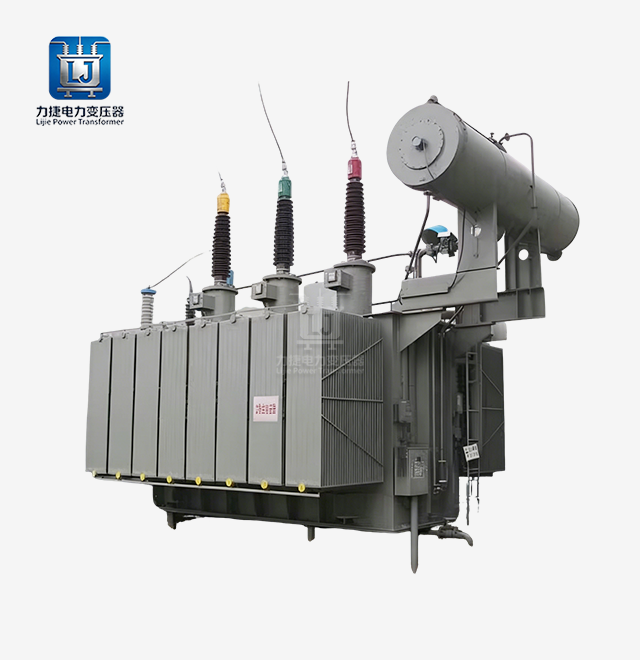
Oil-immersed and cast resin (dry-type) insulation are the two main types. Cast resin transformers are the best choice for indoor industry settings where fire safety is a must because they are self-extinguishing and don't get damaged by water or oil. Oil-immersed units have a higher capacity but cost more per kVA. Long-term thermal efficiency and upkeep needs are also affected by cooling methods (ONAN, ONAF, AN, AF).
Products that meet IEC 60076 and IEEE C57.12.00 have been tested for voltage ratio accuracy, temperature rise, and safety against short circuits. It is required by law for projects in the US and international EPC contracts to have these certifications. Without them, grid interconnection approvals and insurance compliance will not be given.
Safety outcomes in MV transformer projects are not accidental. They are a direct result of supplier manufacturing discipline, testing protocols, and post-delivery support structures.
A supplier holding ISO 9001:2015, CE, and UL certifications has demonstrated that its quality management system meets internationally recognized benchmarks. These certifications require third-party audits and cover everything from material sourcing to final assembly. Suppliers without valid certifications introduce unknown risk into your project. Partial discharge (PD) levels below 10 pC and Dissipation Factor (Tan Delta) results are key indicators of insulation integrity that certified suppliers routinely document.
Even a well-manufactured transformer can fail prematurely if installed incorrectly or left without a structured maintenance program. Reliable suppliers provide commissioning assistance, factory acceptance testing (FAT), and scheduled inspection protocols. For oil-filled units, dissolved gas analysis (DGA) is the industry-standard diagnostic method to detect internal arcing or overheating before a failure occurs—a service that experienced suppliers offer as part of their after-sales package.
Transparent warranty policies—typically covering two to five years for MV transformers—signal supplier confidence in their manufacturing quality. More important is how quickly a supplier responds when issues arise. A delayed response to a fault in a substation feeding a manufacturing line can cost far more than the transformer itself. Procurement teams should evaluate response time commitments and the availability of spare parts before finalizing contracts.
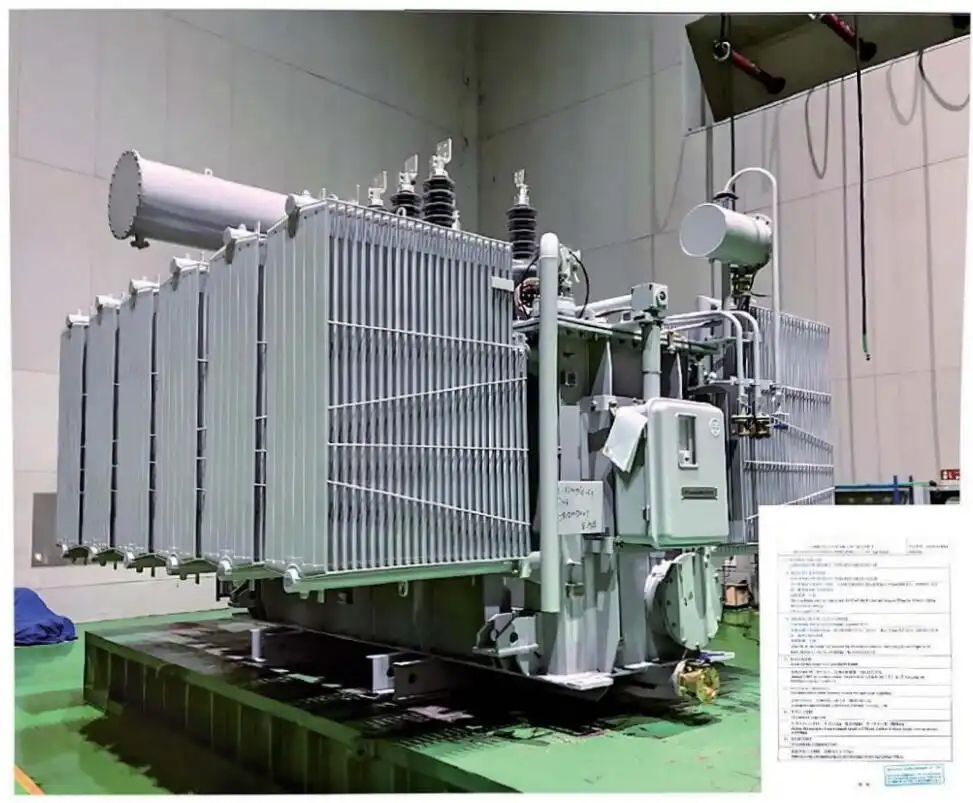
Getting transformers efficiently is about more than just saving money on each one. It includes how well the product uses energy, how reliable the delivery is, and how well the provider can change plans to fit your specific project needs with Medium Voltage Transformer Supplier.
It is possible to measure how much less no-load loss there is in transformers that are made with cores made of grain-oriented silicon steel or amorphous metal alloy. The U.S. Department of Energy (DOE 2016 efficiency standards) says that distribution transformers must meet minimum efficiency levels. Going above these levels directly lowers the total running costs. Over the course of 20 years, a group of 50 transformers that work around the clock and lose 1% less power when they're not in use can save hundreds of thousands of dollars.
Large infrastructure and renewable energy projects have tight schedules that don't leave much room for delays in getting materials. From order to delivery, including FAT, custom-engineered MV transformers usually take 16 to 32 weeks. Suppliers with dedicated manufacturing bases, enough raw materials, and a history of successful batch production greatly lower the risk of missing a deadline. These parts of the supply chain should be checked by procurement managers before contracts are signed:
These three things set suppliers who can handle big project flows apart from those who can only handle small orders. Verifying them during the pre-qualification stage keeps plan problems that cost a lot of money from happening later on.
In industrial manufacturing, renewable energy, and utility distribution, projects rarely meet the requirements in a standard catalog. Custom busbar alignments, tank dimensions that can be changed for retrofit installations, and insulation designs that are made for each application save engineers time and cut down on site rework. Before the purchase is completed, technical consulting help, especially during the design institute process, helps match transformer specs to real load profiles.
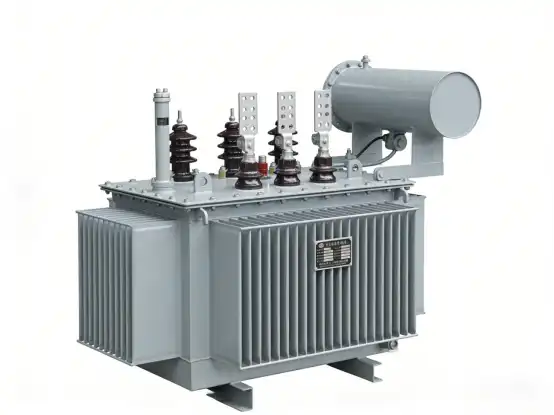
There are a lot of things to think about when picking a provider. You need to think about technical fit, cost structure, and the possibility of a long-term relationship.
Global brands like ABB, Siemens, and Schneider Electric have good reputations, but mid-tier manufacturers with verified certifications and clear records of exporting often offer the same level of technical performance at lower lifecycle costs. Check that the certifications are still valid by looking at independent test reports from reputable labs and asking for references from projects that are similar with Medium Voltage Transformer Supplier.
The price of the unit is only one part of the total cost of ownership. Over the course of 25 years, a cheaper unit will always fail compared to a more expensive one that has smaller no-load losses, a longer warranty time, and DGA monitoring support. Before choosing based on price alone, procurement teams should make a model of the lifetime costs, which include things like energy use, upkeep, and the risk of having to replace the item.
New transformers come with full warranties, ratings for how well they handle current, and they meet the most recent standards. Refurbished units may work for projects with limited funds, but they come with a higher risk unless they were fully rewound, had their insulation replaced, and were tested again according to the original specs. New equipment from a certified manufacturer is the better long-term investment for vital infrastructure or uses that are linked to the power grid.
The best proof of a supplier's skills is the actual results of a job.
A steel company that needs to buy electric furnace transformers for continuous casting needs units that can handle a lot of harmonic distortion and thermal cycles. Suppliers who have written records of their K-factor scores and short-circuit withstand test results show that they are ready for these situations. Unexpected downtime can be avoided by making sure that each unit has its own test certificate and that the batches are consistent.
Solar farm developers who want to use dry-type transformers in prefabricated substations need to find sources who can make sure that the specs of the transformers and the switchgear work together. When suppliers offer complete substation kits that include the transformer, the enclosure, and the safety relay coordination, it lowers the risk of interaction between vendors and makes commissioning easier.
A lot of problems happen when procurement teams try to find the cheapest unit price before checking the results of any audits or delivery records. Two things that regularly lower quality surprises are making a Factory Acceptance Test (FAT) a condition of the contract and visiting the factory before placing a big order.

Choosing the right provider before signing the buy order is often what makes the difference between a safe and efficient project and one that costs a lot. Not catalog descriptions, but certifications, data on energy performance, delivery history, and infrastructure for after-sales support are the real signs of a good supplier. When procurement workers use structured evaluation criteria, check test documents, and model lifecycle costs, their projects are more likely to be successful in the long run with Medium Voltage Transformer Supplier.
Check for at least ISO 9001:2015 quality management certification, IEC 60076 product approval, and CE and UL certifications for work in the U.S. or other countries. Suppliers should give current certificates given by a third party instead of self-declarations. Product registration papers from well-known national testing centers are another way to make sure that the units have passed standard, special, and regular tests while being supervised by a third party.
Depending on how complicated the design is and how quickly the materials can be found, custom MV transformer lead times are usually between 16 and 32 weeks. Buying things can take longer than planned, which can cause building delays and contract penalties if your project schedule doesn't account for this time. Before you agree to a delivery date in your project plan, check with the seller to see how busy they are making things and how much material they have on hand.
Yes. Reliable makers offer custom designs that include changed voltage ratios, different insulation classes, non-standard tank sizes for retrofit applications, and cooling arrangements that are designed to work with a particular application. Sharing your load profile, installation setting, and local legal requirements with the engineering team early on in the design process helps them make a specification that fits your project perfectly, without having to make expensive changes to the site.
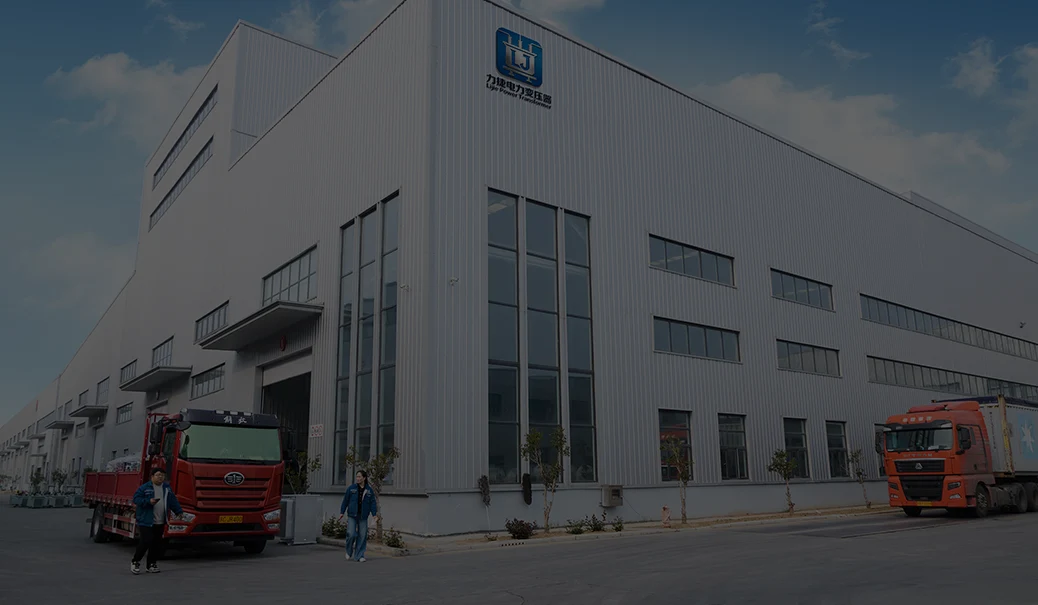
Lijie Electric Power Technology Group makes all kinds of approved MV transformers, such as electric furnace, rectifier, mine, dry-type, and oil-immersed units. These transformers have ISO 9001:2015, IEC, CE, and UL certifications. We can handle large project orders because our two factories cover more than 500,000 square meters, and our annual sales are more than 5 billion RMB. The quality of every unit is the same. To get a quote right away, email our team at lijieelectrical@gmail.com or go to lijie-electrical.com with Medium Voltage Transformer Supplier.
1. IEEE Standard C57.12.00 – IEEE Standard for General Requirements for Liquid-Immersed Distribution, Power, and Regulating Transformers, IEEE, 2021.
2. IEC 60076-1 – Power Transformers – Part 1: General, International Electrotechnical Commission, 2011.
3. U.S. Department of Energy – Energy Conservation Standards for Distribution Transformers, DOE, 2016.
4. Harlow, J.H. – Electric Power Transformer Engineering, CRC Press, 2012.
5. IEEE Std C57.104 – IEEE Guide for the Interpretation of Gases Generated in Mineral Oil-Immersed Transformers, IEEE, 2019.
6. CIGRÉ Working Group A2.37 – Transformer Reliability Survey, CIGRÉ Technical Brochure 642, 2015.
YOU MAY LIKE


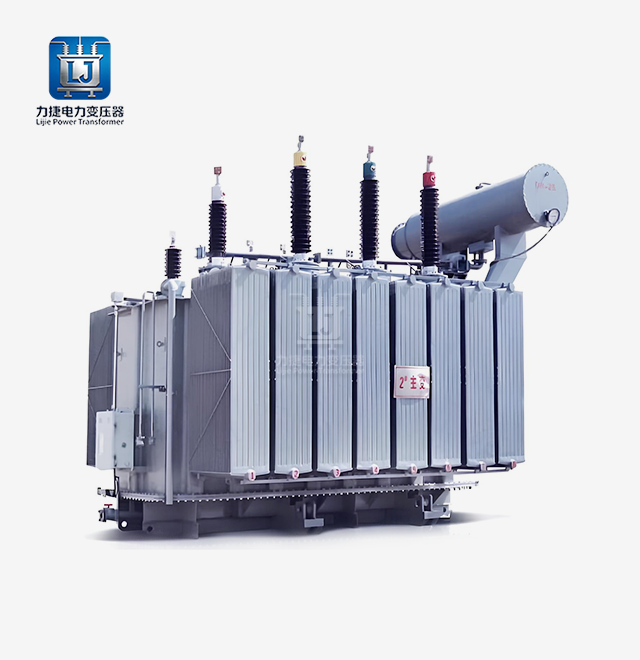


April 27, 2025
With a tight project schedule, the manufacturer delivered on time, and on-site technical personnel provided guidance throughout the entire installation and commissioning process; the collaboration was highly efficient and hassle-free.
July 2, 2025
During the preliminary phase, a selection plan was custom-tailored based on the actual site load requirements, resulting in a high degree of parameter compatibility. After-sales support responds within two hours, and ongoing technical support for operation and maintenance is comprehensive; we feel completely confident in a long-term partnership.
November 18, 2025
Deployed as a supporting component for a 35kV grid-connection project at a photovoltaic power station, the equipment operates for an average of 16 hours daily. It demonstrates excellent control over no-load losses, ensures smooth power generation and grid integration, and effectively reduces the station's overall energy consumption.
January 30, 2026
Under the continuous, high-load operating conditions of a factory production line, the equipment maintains stable electrical parameters and exhibits strong overload resistance, thereby guaranteeing an uninterrupted power supply for industrial production.
April 3, 2026
Integrated as a supporting component for a new energy photovoltaic grid-connection system, the manufacturer provided professional technical coordination and timely after-sales support, ensuring seamless adaptation to the specific electrical operating conditions required for grid integration.