April 27, 2025
With a tight project schedule, the manufacturer delivered on time, and on-site technical personnel provided guidance throughout the entire installation and commissioning process; the collaboration was highly efficient and hassle-free.
Sep 22, 2026
When a steel mill loses power mid-cycle or a chemical plant experiences a voltage sag, the consequences extend far beyond inconvenience — production halts, equipment sustains damage, and revenue evaporates by the minute. At the center of preventing these scenarios sits the distribution transformer, the workhorse component that converts medium-voltage electricity into the stable, usable power that industrial machinery demands. Understanding how this device works, what makes one superior to another, and how to procure the right unit can meaningfully strengthen your facility's operational resilience.
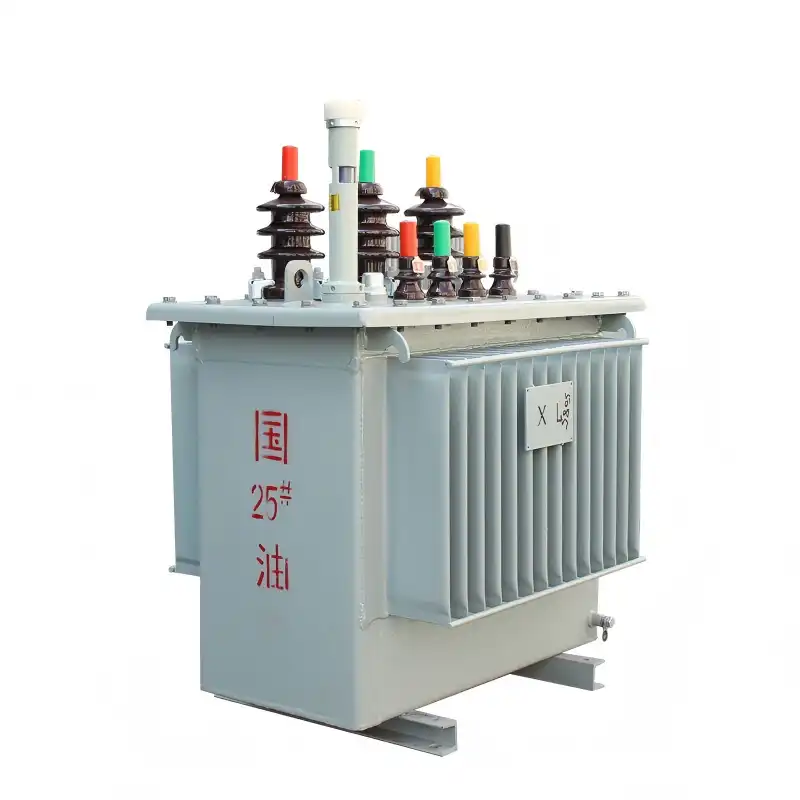
As the last part of the power supply chain, the Distribution Transformer steps down medium-voltage energy (usually between 11kV and 36kV) to the low-voltage levels (110V to 480V) that real industrial equipment needs. In addition to changing the voltage, it also offers galvanic isolation, which shields machines further down the line from transients and surges on the grid.
There are two main configurations that work well in industrial settings. Dry-type transformers are good for installing inside of factories, data centers, and chemical plants where fire safety needs to be kept to a minimum because they use air or resin insulation. Mineral oil is used to insulate and cool oil-immersed transformers, which have a higher thermal capacity and have been shown to work well in heavy-load applications and outdoor substations. The material of the winding is also important. Copper windings are better at conducting electricity and last longer, while aluminum windings are cheaper up front and can be used in projects that need to stay within a budget.
Modern efficiency standards, like DOE 2016 and IEC 60076, have made no-load losses much lower than they used to be. This means that choosing the right transformer can have a direct effect on your long-term energy costs.
It's not often that power dependability is caused by a single element. A number of stressors can make transformers less effective, and facility engineers have to keep an eye on them and manage them.
One of the main reasons why a distribution transformer fails early is thermal overload. Insulation in a distribution transformer wears out faster when the load consistently exceeds the rated capacity. According to IEEE C57.91, operating a transformer 10°C above its rated temperature can significantly reduce insulation life. The problem can be made worse by mechanical instability, moisture ingress, and harmonic distortion from variable-frequency drives and rectifiers, making proper load management and monitoring essential for the long-term reliability of a distribution transformer.
Here are the main factors of dependability that every industrial site should keep an eye on:
Scheduled tests, such as dissolved gas analysis (DGA) for oil-immersed units and partial discharge testing for dry-type units, can find insulation decline months before it fails completely.
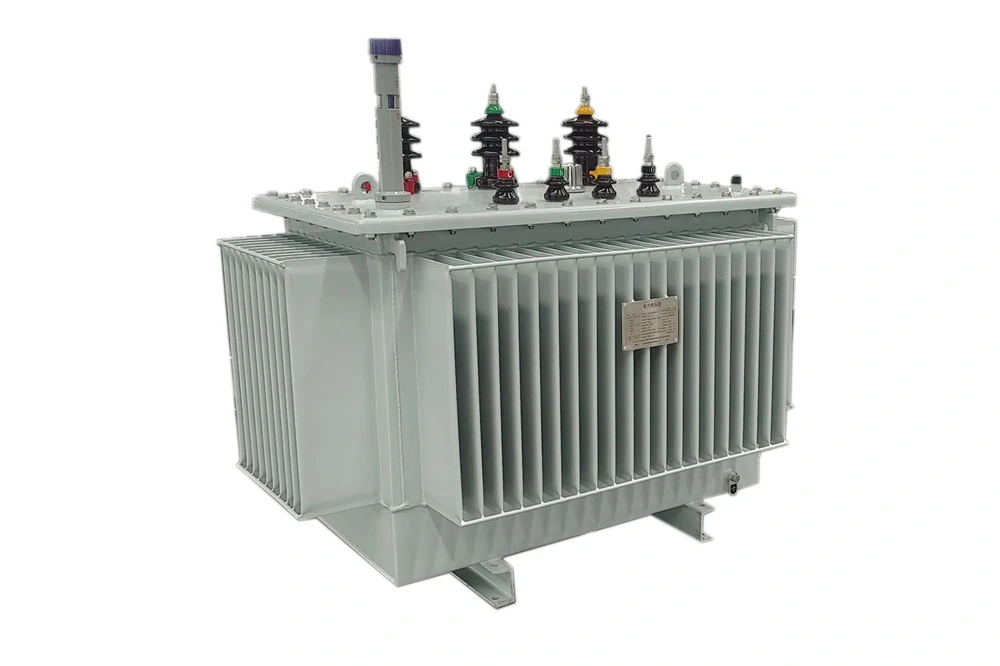
A lot of industrial facilities create power reliability problems by using transformers that are too big or too small for the job, or by using old equipment that can't regulate voltage.
Long-term thermal stress can be avoided by matching transformer capacity to actual peak demand instead of just nameplate load. Oversizing by a reasonable amount (usually 20–25%) makes equipment last longer without costing too much.
Modern units have a lot of advanced features that make them much more reliable:
ABB's released case data from industrial substation upgrades shows that replacing old transformers with new, properly rated distribution transformer units cut unexpected downtime in heavy manufacturing settings by more than 30%. These improvements in the performance of a distribution transformer are not just theoretical; they can directly lead to lower maintenance costs and higher production rates. For industrial facilities, selecting a reliable distribution transformer with the correct capacity and operating specifications can therefore make a significant difference in long-term productivity and system reliability.
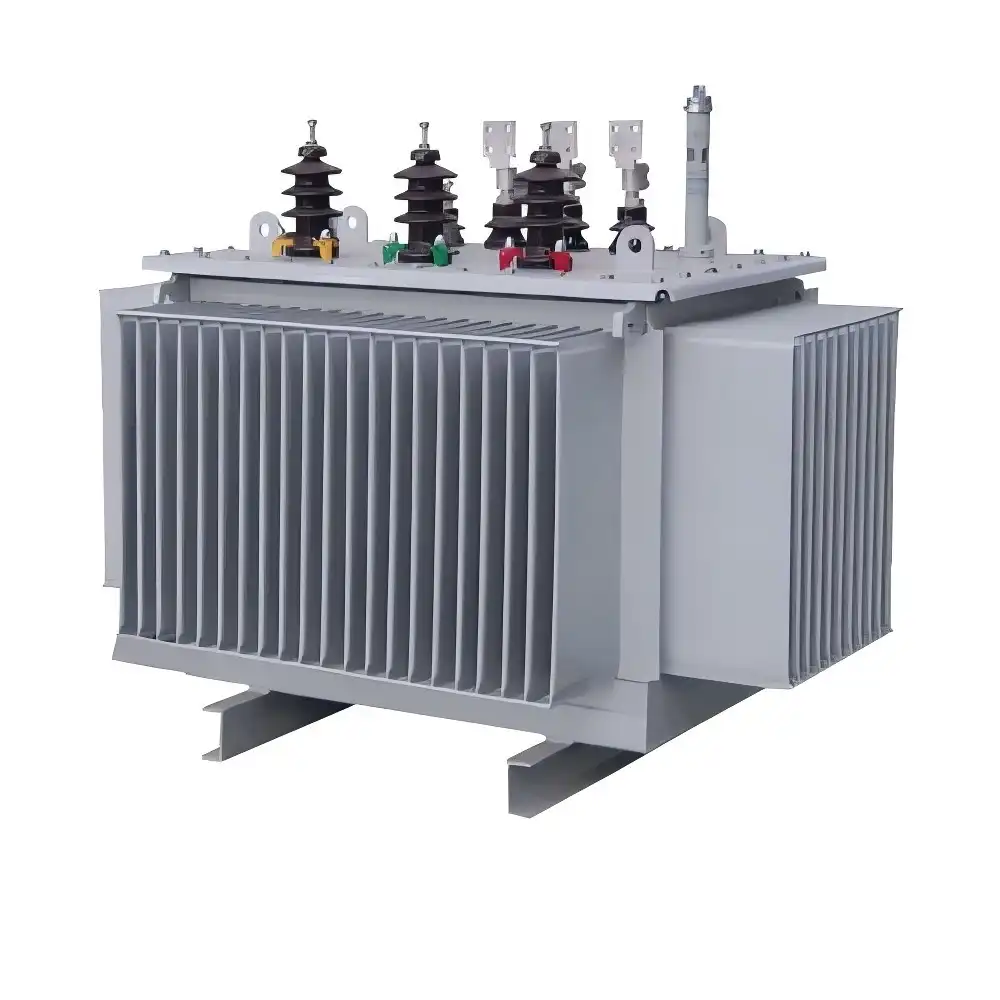
These factors make up a useful screening framework that keeps expensive mistakes from happening when transformer specifications don't match up with site conditions.
When procurement teams compare suppliers around the world, they look at how well manufacturers can customize, deliver in bulk, and help with technical issues after the sale. In these areas, established, certified manufacturers clearly excel over commodity distributors.
When comparing suppliers globally, procurement teams evaluate manufacturers across customization capability, bulk delivery reliability, and post-sale technical responsiveness — areas where established, certified manufacturers hold a clear advantage over commodity distributors.
Strategic buying happens before the bill of lading is written. It is necessary to make sure that a maker has ISO 9001:2015, IEC 60076, UL, and CE approvals. It is important to make sure that what is ordered is provided by asking for type test reports and factory acceptance test paperwork.
Failures that have nothing to do with the quality of the unit can be avoided by installing it correctly. From the very beginning, operational stability is affected by things like grounding integrity, cable termination torque, clearance distances, and enough ventilation.
Long-term maintenance of a distribution transformer should include both scheduled inspections, such as visual checks every three months and electrical tests once a year, and technologies that can predict potential problems. Thermal imaging can help identify hot spots in a distribution transformer that cannot be seen with the naked eye. When DGA is used on oil-immersed units, it can detect internal problems months before they lead to serious failures. The Electric Power Research Institute (EPRI) has published data showing that facilities using condition-based maintenance programs consistently see 15–20% lower total maintenance costs compared with facilities that rely only on calendar-based approaches. For this reason, proactive monitoring and predictive maintenance are important for keeping a distribution transformer reliable and reducing long-term operating costs.
Power dependability in industrial buildings is not a passive result; it is the result of choices made about which distribution transformer to buy, how large it should be, how to maintain it, and how to select the right specifications. When you buy and properly maintain the right distribution transformer, it can protect both your equipment and your profits for many years. Whether your facility operates heavy manufacturing processes continuously or integrates renewable energy sources, investing in reliable distribution transformer infrastructure is one of the best ways to improve overall power reliability. When you work with a qualified and experienced provider, you can be confident that the distribution transformer you specify will deliver the required performance consistently, every day and every year.
The main things that are used to choose are the load capacity, voltage ratio, efficiency class, cooling method, and certification compliance. Harmonic tolerance is very important for places that use non-linear loads, like electric arc furnaces or variable-frequency drives.
Comprehensive electrical testing once a year is standard, and visual inspections every three months are also recommended. Every year, dissolved gas analysis is good for oil-immersed units, and every two to three years, partial discharge testing is good for dry units.
Mineral oil can cause fires, but dry-type units don't need containment bundling and are easy to place indoors.
Yes, reputable makers can make voltage ratios, tap changer configurations, winding materials, enclosure grades, and special insulation classes that are specifically designed for mine operations to integrating green energy.
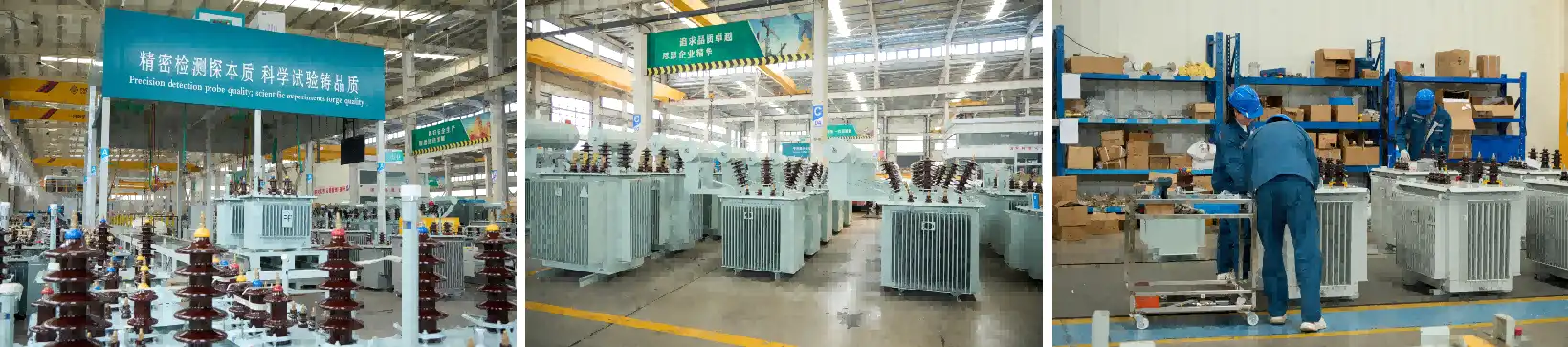
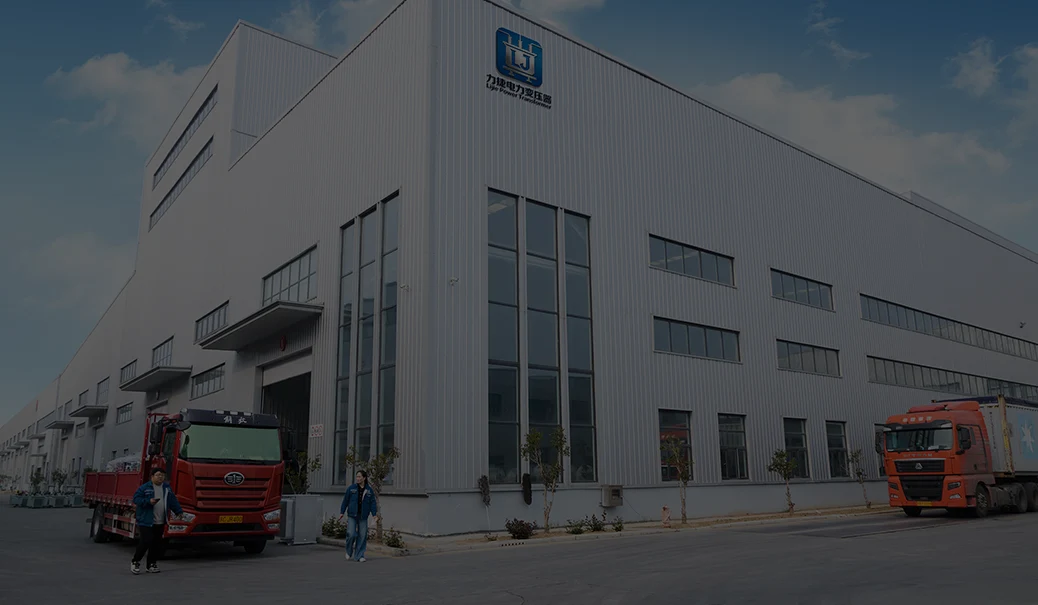
Lijie Electric Power Technology Group makes a wide variety of approved Distribution Transformers, such as dry-type, oil-immersed, and amorphous alloy types. These transformers are certified by ISO 9001:2015, IEC, CE, and UL. We help with big industrial and EPC projects all over the world. We have more than 2,000 employees and annual sales of more than 5 billion RMB. Visit lijie-electrical.com or email our engineering team at lijieelectrical@gmail.com to get a price from a reliable Distribution Transformer maker that fits your needs.
1. IEEE Std C57.91-2011 — IEEE Guide for Loading Mineral-Oil-Immersed Transformers and Step-Voltage Regulators, IEEE, 2011.
2. IEC 60076-1:2011 — Power Transformers – Part 1: General, International Electrotechnical Commission, 2011.
3. Electric Power Research Institute (EPRI) — Distribution Transformer Life Management, EPRI Technical Report, 2019.
4. U.S. Department of Energy — Energy Conservation Standards for Distribution Transformers, DOE, 2016.
5. ABB Ltd. — Transformer Handbook, ABB Power Products, 4th Edition, 2021.
6. Schneider Electric — Guide to Transformer Selection for Industrial Applications, Schneider Electric White Paper, 2020.
YOU MAY LIKE
11%20type%2035KV%20dry-immersed%20transformer_1778136495348.webp)
12%20type%2035KV%20dry-immersed%20transformer_1778136610496.webp)


April 27, 2025
With a tight project schedule, the manufacturer delivered on time, and on-site technical personnel provided guidance throughout the entire installation and commissioning process; the collaboration was highly efficient and hassle-free.
July 2, 2025
During the preliminary phase, a selection plan was custom-tailored based on the actual site load requirements, resulting in a high degree of parameter compatibility. After-sales support responds within two hours, and ongoing technical support for operation and maintenance is comprehensive; we feel completely confident in a long-term partnership.
November 18, 2025
Deployed as a supporting component for a 35kV grid-connection project at a photovoltaic power station, the equipment operates for an average of 16 hours daily. It demonstrates excellent control over no-load losses, ensures smooth power generation and grid integration, and effectively reduces the station's overall energy consumption.
January 30, 2026
Under the continuous, high-load operating conditions of a factory production line, the equipment maintains stable electrical parameters and exhibits strong overload resistance, thereby guaranteeing an uninterrupted power supply for industrial production.
April 3, 2026
Integrated as a supporting component for a new energy photovoltaic grid-connection system, the manufacturer provided professional technical coordination and timely after-sales support, ensuring seamless adaptation to the specific electrical operating conditions required for grid integration.