April 27, 2025
With a tight project schedule, the manufacturer delivered on time, and on-site technical personnel provided guidance throughout the entire installation and commissioning process; the collaboration was highly efficient and hassle-free.
Sep 22, 2026
When heavy industry demands uninterrupted power, the stakes are extraordinarily high. Steel plants, mining operations, and chemical processing facilities run massive electrical loads around the clock, and even brief outages translate into significant production losses. The oil-immersed transformer has long been the backbone of these environments—not because it's the only option, but because it consistently delivers where alternatives fall short. With superior thermal management, robust dielectric performance, and proven multi-decade service life, liquid-filled transformers remain the preferred choice for engineers and procurement professionals who cannot afford compromise.
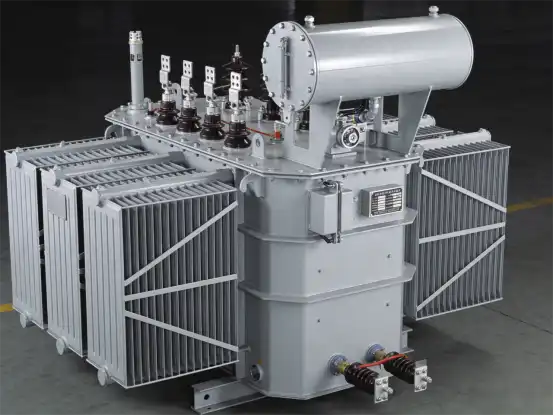
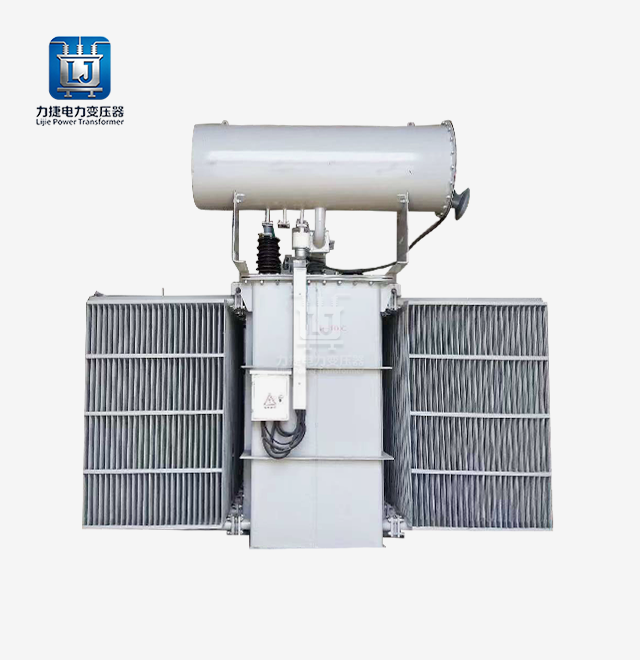
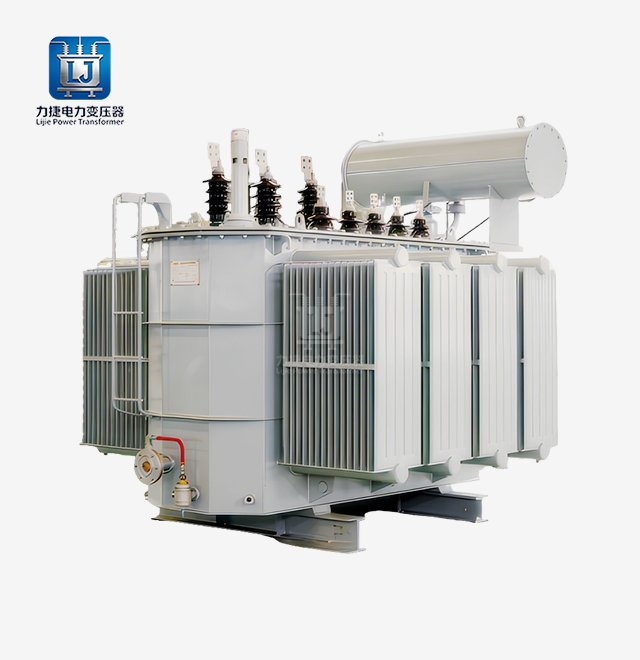
A transformer that is fully submerged in insulating oil, usually mineral, silicone, or synthetic ester fluid, has a core and windings that are used for electromagnetic induction. This arrangement does two things at once: the oil both gets rid of the heat that is made when the load changes and works as a high-dielectric insulation shield, keeping the internal parts safe from electrical stress and environmental contamination.
The oil in the transformer moves through the tank through natural convection (ONAN) or forced flow (ONAF/OFAF), moving heat from the windings to the radiator panels. Even when heavy loads are applied all the time, this mechanism keeps the temperatures of the windings within safe limits. Another layer of protection that dry-type units can't match is the oil's ability to "self-heal," which means that fluid moves into tiny holes to stop partial discharge. IEC 60076 standards say that partial discharge levels in well-kept liquid-filled units should stay below 10pC.
Compared to dry-type and cast resin options, liquid-filled designs such as an oil-immersed transformer have significantly lower no-load and load losses. This directly leads to lower running costs over a 25–30 year service life, making an oil-immersed transformer an attractive choice for applications where long-term energy efficiency matters. This difference is especially important from a financial point of view for procurement managers who have to weigh the initial capital spending against the total lifetime cost of an oil-immersed transformer. By evaluating efficiency, operating expenses, and service life together, buyers can determine whether an oil-immersed transformer provides the best overall value for their project.
Choosing an insulating fluid is the first step in designing a reliable liquid-filled transformer for heavy industrial use. Mineral oil is still the most common medium because it is cheap and has been used for a long time. But natural ester fluids, which have flash points higher than 300°C, are becoming more popular in places that need to be safe from fire, like indoor substations next to chemical storage areas.
When thermal design is done, the worst-case ambient temperature and the highest continuous load current must be taken into account. Manufacturers use IEC 60076-7 for thermal modeling, which sets limits on temperature rise that keep insulation from wearing out faster than it should. As required by IEC 60076 and IEEE C57.12.00, transformers must go through regular tests before they are used. These tests include measuring the ratio, checking the resistance voltage, testing the load loss, and checking the dielectric strength.
Routine repair is also very important for long-term dependability. Here are the main maintenance steps that workers with a lot of knowledge always do:
Following these rules greatly lowers unexpected downtime and increases the operational lifespan well beyond the nominal 30-year design goal. This is an important factor to consider for big infrastructure projects that buy equipment under long-term framework agreements.
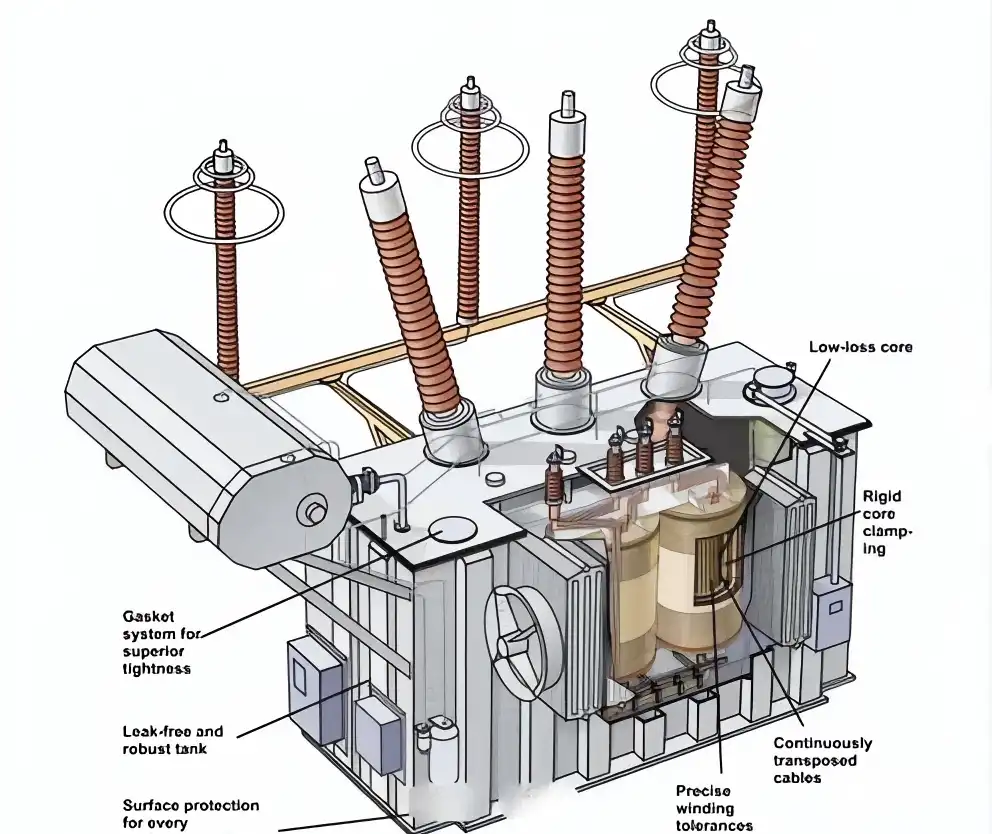
A lot of the time, people who work in procurement compare liquid-filled designs to dry-type and cast resin options. Each technology has a valid use case, but the performance gap gets much bigger as load capacity and weather exposure go up.
At ratings of up to about 10 MVA, dry-type transformers work consistently in clean indoor settings. Once that point is reached, temperature control is limited without oil-based cooling, making an oil-immersed transformer a more suitable option for higher-load applications. Cast plastic units are resistant to water damage, but they cost more per unit and are more sensitive to short-term overvoltages. Liquid-filled designs, including an oil-immersed transformer, keep their working efficiency above 99% across a wide range of loads and can be installed outside in wet, dusty, or corrosive environments. This makes an oil-immersed transformer well suited to mine sites, ports, and large manufacturing plants where demanding environmental conditions require reliable cooling and stable performance. For these applications, selecting the right oil-immersed transformer can provide a practical balance of efficiency, durability, and installation flexibility.
When looking at the total cost of ownership, the higher price of a liquid-filled unit is usually paid back in three to five years just by saving money on energy costs. When buying in bulk for projects like expanding an industrial park or the power grid, these cost savings add up a lot across a whole fleet of equipment.
To find liquid-filled transformers on a large scale, you have to look at more than just the unit price when comparing suppliers. Total procurement risk is affected by things like certification compliance, batch consistency, the ability to customize, and responsiveness after the sale. This is especially true for EPC contractors who are responsible for managing project timelines across multiple countries.
Reliable companies that make oil-immersed transformers have ISO 9001:2015 quality management certification and product-level approvals from IEC, CE, and UL. These certificates show that the production processes meet standards that are checked by international organizations. This lowers the chance of problems in the field and problems with clearing customs for export orders.
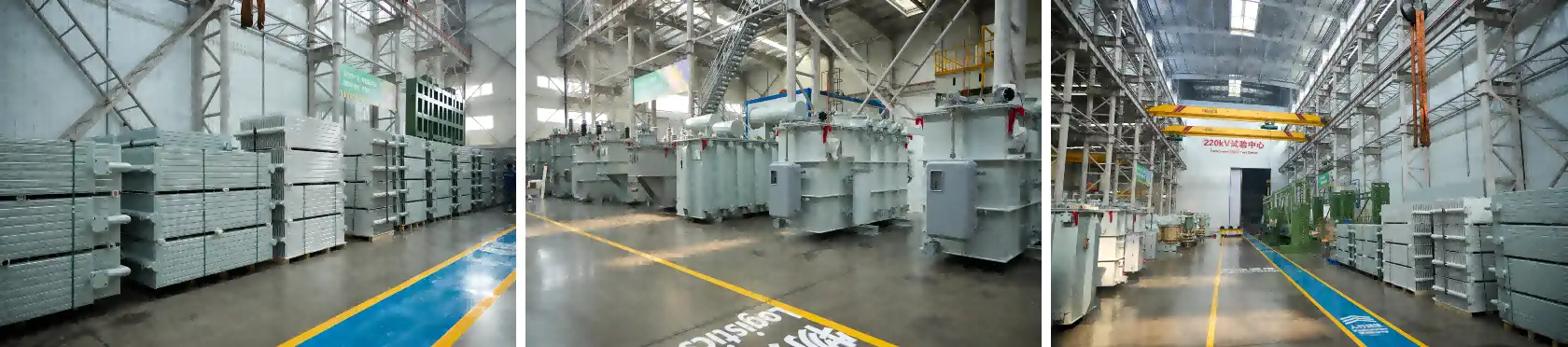
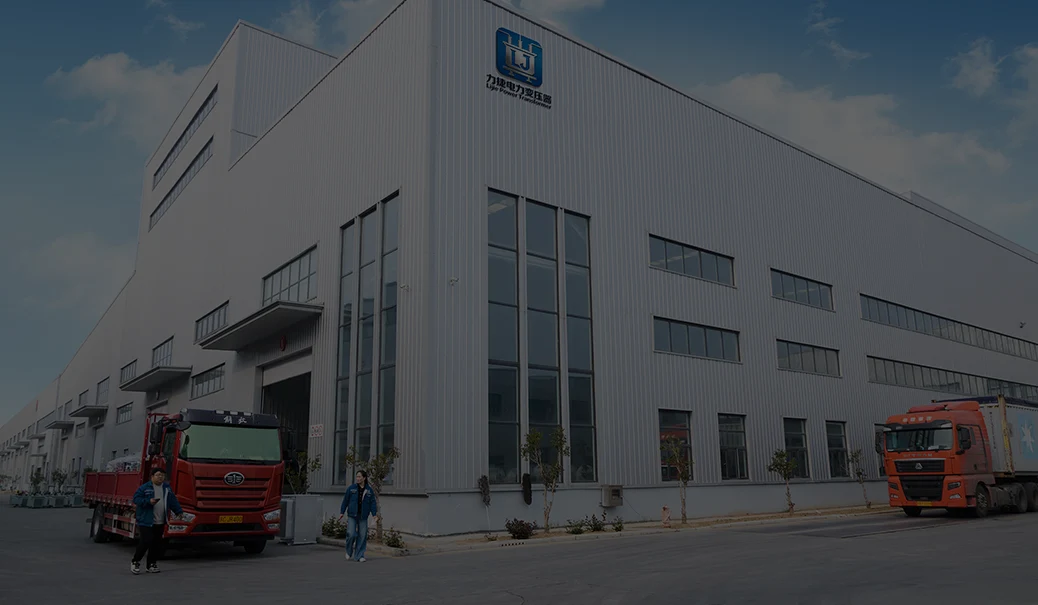
This type of company is shown by Lijie Electric Power Technology Group. The company has two factories in Xuzhou and Nantong, China, that are a total of 500,000 square meters in size. It makes more than 5 billion RMB a year and has over 160 engineers with doctoral or master's degrees working for it. It sells a wide range of products, from oil-immersed distribution transformers with ratings of 35kV or less to ultra-high-voltage units with ratings of 500kV or more. These include electric furnace transformers, rectifier transformers, and mining transformers, among others. The National Transformer Quality Supervision and Inspection Center in China has certified all of the goods with regular, type, and special test marks. The portfolio also has CE and UL marks for foreign sales. Customers in Australia, Southeast Asia, Central Asia, Africa, and other places buy products from Lijie Electric. This shows that it can reliably send goods to other countries.
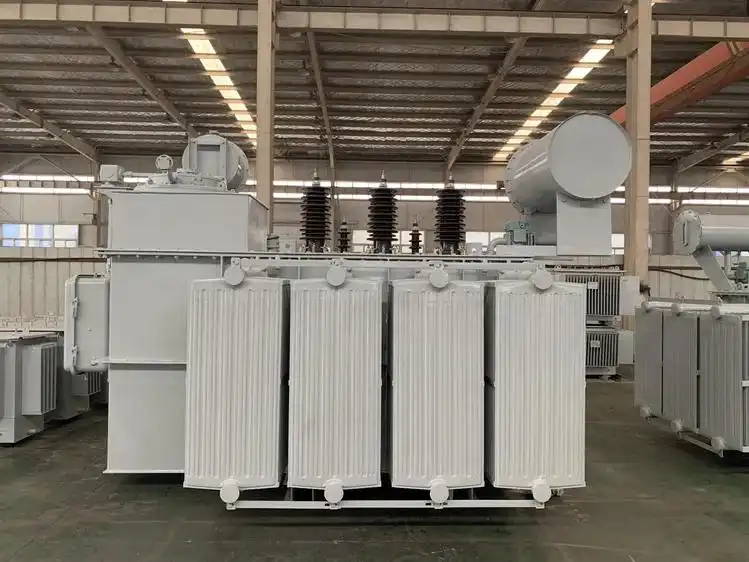
The technology in the liquid-filled transformer market is changing in important ways. What procurement professionals can expect from next-generation equipment is changing because of a number of new developments.
Smart monitoring platforms with IoT-enabled sensors now send fault alerts before conditions hit fault limits and provide constant DGA readings, winding temperature profiles, and load current data. This change from time-based to condition-based maintenance cuts down on service calls that aren't needed and finds real problems sooner. At the same time, natural ester and synthetic ester insulating fluids are replacing mineral oil in new installations where strict fire safety rules or environmental discharge standards apply. These trends are especially important for projects in the European Union and urban North America.
Integrating green energy sources into the power grid is also putting more stress on distribution transformers. Changing generation profiles from solar and wind assets cause harmonic distortions and load unpredictability. This calls for transformers with stronger insulation and wider tap-changer ranges. Modern liquid-filled designs are more and more made to work in these conditions right from the factory. This makes them long-lasting infrastructure assets instead of parts that need to be replaced too soon.
Power infrastructure that works without stopping, decade after decade, is essential for heavy industrial operations. An oil-immersed transformer supports this level of reliability by using proven thermal engineering, high dielectric strength, and the flexibility to operate in a variety of installation environments. These units are reliable because they follow strict maintenance guidelines and meet international standards such as IEC 60076 and IEEE C57.12.00. Steel plants, mines, utilities, and EPC companies rely on oil-immersed transformer for stable and continuous power distribution. Smart monitoring systems and eco-friendly insulation fluids are further improving oil-immersed transformer technology, making high-quality oil-immersed transformer equipment a better long-term investment for demanding industrial applications.
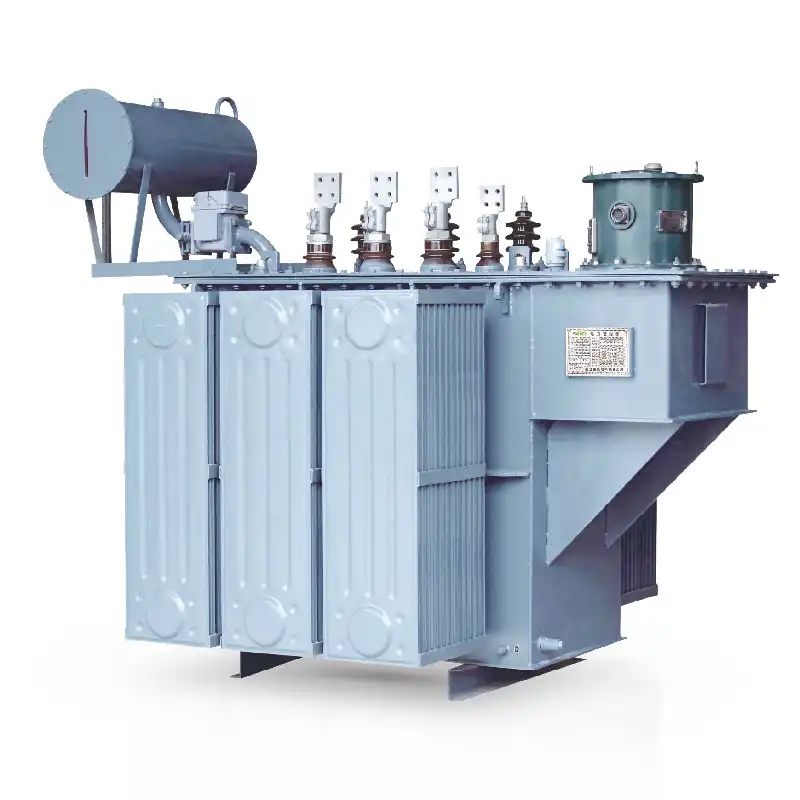
There is a wide range of voltages for liquid-filled units, from 10kV and 35kV units for distribution to 110kV, 220kV, and 500kV units for transmission. Lijie Electric makes the whole range, including versions that are specifically made for use in electric furnaces and rectifiers.
A well-built unit usually works for 25 to 30 years with regular inspections and maintenance on the oil quality. Condition-based tracking with dissolved gas research can go even further by finding degradation before it causes damage that can't be fixed.
At the very least, you should demand certification for an ISO 9001:2015 quality system, product compliance with IEC 60076, and export-related approvals like CE or UL, depending on the market you're going to. The CQC's energy efficiency certification gives even more proof that performance will be the same every time.
Yes. Modern designs that are filled with liquid can handle the harmonic loads and changing power outputs that come with solar and wind systems. To meet the needs of green energy grid links, custom tap-changer designs and better insulation systems are used.
Electric utilities, industrial makers, and EPC workers in four countries trust Lijie Electric's approved oil-immersed transformer solutions. As a well-known company that makes oil-immersed transformers and has certifications from IEC, CE, UL, and ISO 9001:2015, we can offer full customization, large supply, and committed support after the sale. You can email our technical team at lijieelectrical@gmail.com or go to lijie-electrical.com to talk about the details of your project right away.
1. International Electrotechnical Commission. IEC 60076-1: Power Transformers – Part 1: General. IEC, 2011.
2. IEEE Standards Association. IEEE C57.12.00: Standard for General Requirements for Liquid-Immersed Distribution, Power, and Regulating Transformers. IEEE, 2015.
3. Cigré Working Group A2.35. Experiences in Service with New Insulating Liquids. Cigré, 2010.
4. Harlow, James H. Electric Power Transformer Engineering. CRC Press, 2012.
5. Pradhan, M. K., & Ramu, T. S. "Estimation of the Hottest Spot Temperature in Power and Station Transformers." IEEE Transactions on Power Delivery, 2004.
6. Fofana, I., & Hadjadj, Y. "Electrical-Based Diagnostic Techniques for Assessing Insulation Condition in Aged Transformers." Energies, 2016.
YOU MAY LIKE



18%20type%20epoxy%20resin%20cast%20transformer.webp)
10%20type%2035kV%20transformer.webp)

April 27, 2025
With a tight project schedule, the manufacturer delivered on time, and on-site technical personnel provided guidance throughout the entire installation and commissioning process; the collaboration was highly efficient and hassle-free.
July 2, 2025
During the preliminary phase, a selection plan was custom-tailored based on the actual site load requirements, resulting in a high degree of parameter compatibility. After-sales support responds within two hours, and ongoing technical support for operation and maintenance is comprehensive; we feel completely confident in a long-term partnership.
November 18, 2025
Deployed as a supporting component for a 35kV grid-connection project at a photovoltaic power station, the equipment operates for an average of 16 hours daily. It demonstrates excellent control over no-load losses, ensures smooth power generation and grid integration, and effectively reduces the station's overall energy consumption.
January 30, 2026
Under the continuous, high-load operating conditions of a factory production line, the equipment maintains stable electrical parameters and exhibits strong overload resistance, thereby guaranteeing an uninterrupted power supply for industrial production.
April 3, 2026
Integrated as a supporting component for a new energy photovoltaic grid-connection system, the manufacturer provided professional technical coordination and timely after-sales support, ensuring seamless adaptation to the specific electrical operating conditions required for grid integration.