April 27, 2025
With a tight project schedule, the manufacturer delivered on time, and on-site technical personnel provided guidance throughout the entire installation and commissioning process; the collaboration was highly efficient and hassle-free.
Oct 17, 2026
Choosing the right power transformer supplier for a utility project is one of the most consequential procurement decisions an engineering or purchasing team will make. The transformer you select will operate under load for 20 to 30 years, directly affecting grid stability, energy efficiency, and total operating cost. A qualified supplier must deliver verified certifications, consistent manufacturing quality, on-time bulk delivery, and responsive technical support. This article walks through the key evaluation factors so procurement managers and electrical engineers can source with confidence.
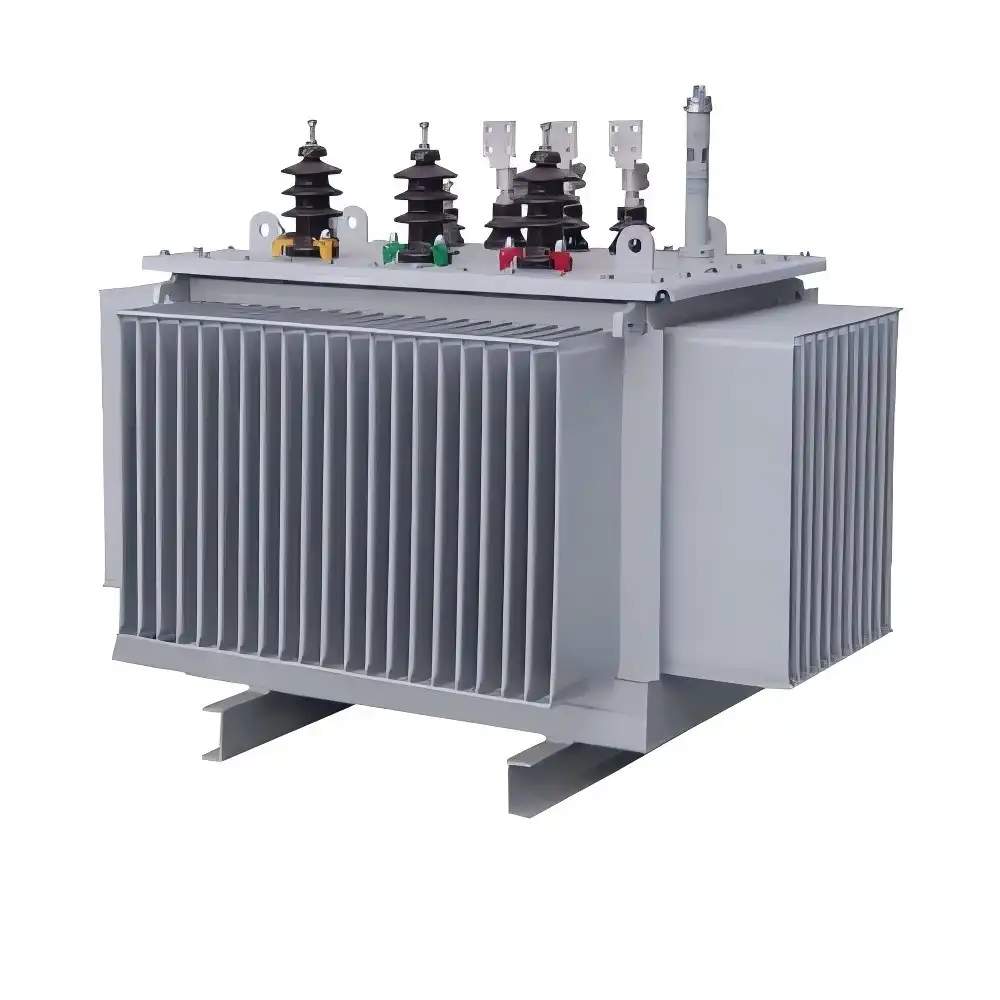
It's helpful to know what a Power Transformer Supplier does and what makes a good partner different from a simple product dealer before comparing providers.
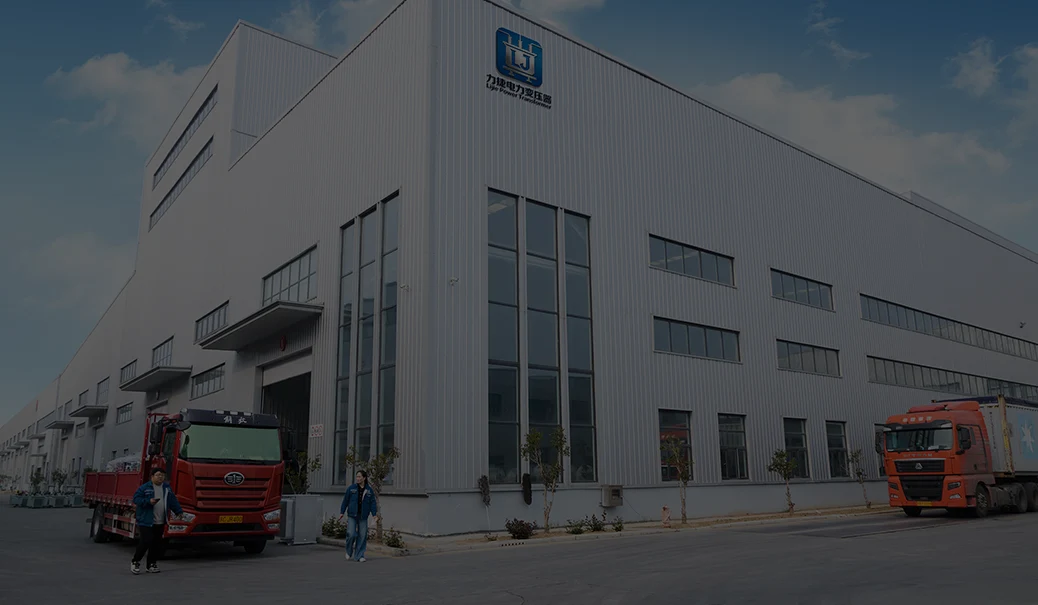
A company makes transformers in-house and is in charge of the design, materials, and testing. A provider can get goods from more than one factory, or it can run its own factory. When buyers work with a manufacturer-supplier—one that both makes and sells—they have more control over lead times, quality, and customization. For example, Lijie Electric has two separate R&D and production bases in Xuzhou and Nantong. These bases cover 800,000 square meters and have more than 3,500 workers.
On the energy scale, you have to get certified. You should look for quality management that meets ISO 9001:2015, compliance with IEC 60076, alignment with IEEE C57.12.00, CE marking, and UL listing. These standards check the electrical strength, how well it works at high temperatures, and its ability to withstand short-circuits. Products that have been checked by China's National Transformer Quality Supervision and Inspection Center and the Wuhan High Voltage Research Institute have real proof that they work, not just promises.
A lot of the time, international suppliers have better unit prices and a wider range of voltages. In exchange, shipping wait times are longer and time zones need to be coordinated. But suppliers who have been exporting for a long time and regularly ship to places like Australia, the US, Southeast Asia, and Africa have already figured out a lot of these problems. Look at each candidate's actual track record of delivery, not just what they say they can do.
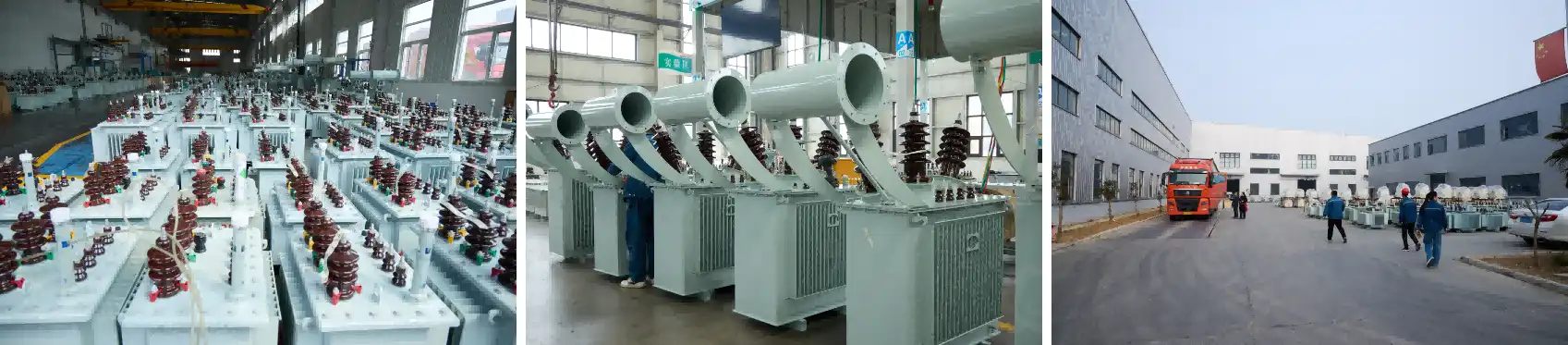
Once you know what kinds of suppliers are out there, judging them is easy: product range, reputation, price structure, and paperwork.
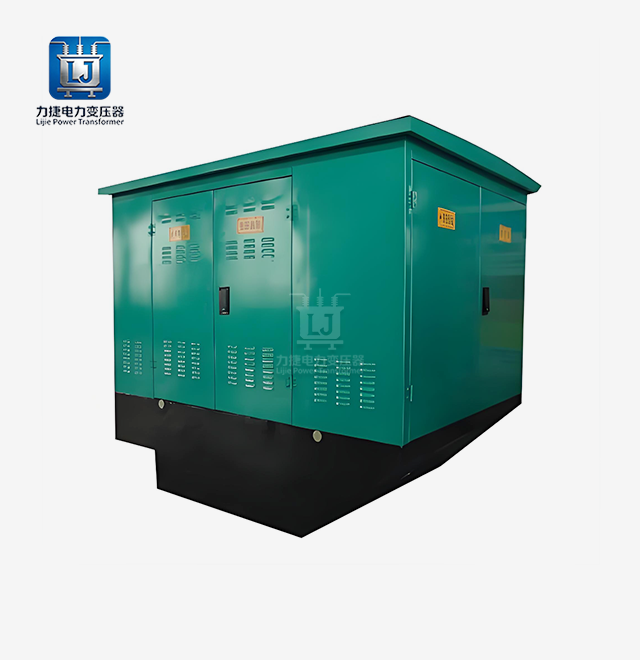
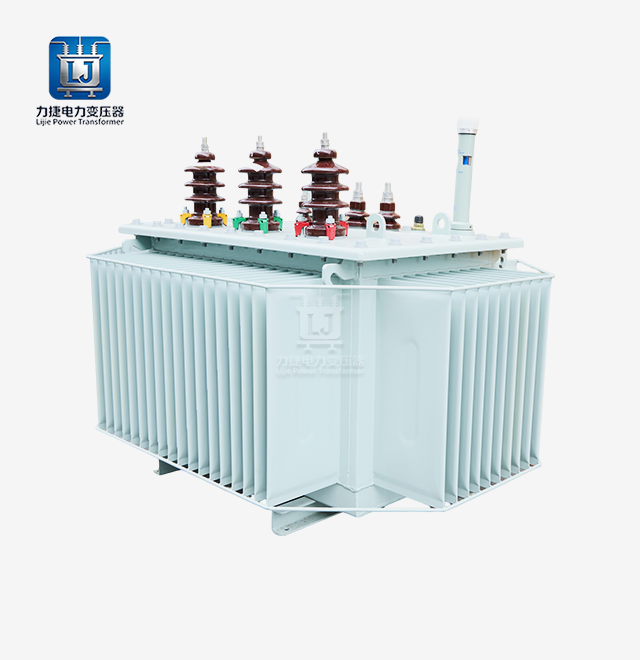
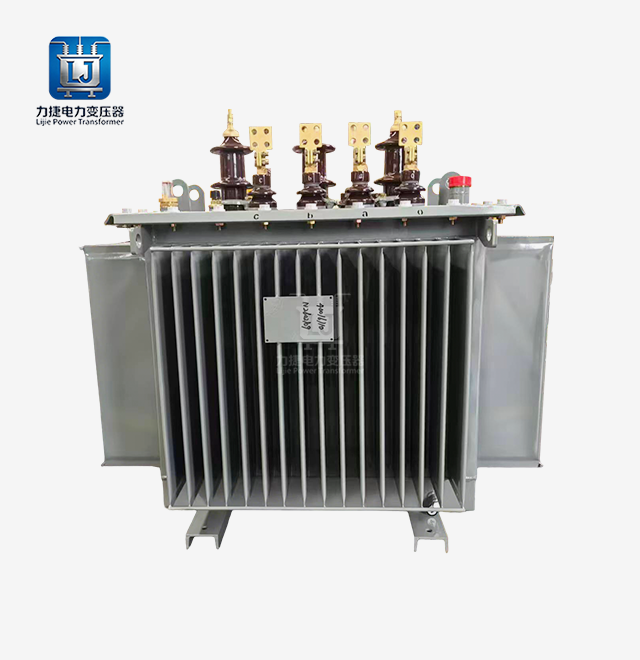
A single-source seller makes buying things easier. Check to see if the vendor can handle all of your project's needs, such as ultra-high-voltage units (500kV or more), standard distribution transformers (≤35kV), dry-type transformers, oil-immersed transformers, amorphous alloy transformers, prefabricated substations, ac rectifier transformers, electric furnace transformers, and mining transformers with a Power Transformer Supplier. This kind of provider can help with both the center and distribution layers of a utility project, so they don't need to find other suppliers.
, ask for written project references and warranty terms. If the manufacturer-supplier is trustworthy, they will give you factory acceptance test (FAT) records, third-party test certificates, and a clear guarantee period with set response times. The China Quality Certification Center (CQC) and the National Electric Power Certification Center have both given Lijie Electric's products energy efficiency certification and PCCC certification. Both of these credentials can be checked by a third party.
Large utility projects need cost structures that can be predicted. A trustworthy transformer supplier should give detailed quotes that include core materials (like grain-oriented silicon steel and electrolytic copper), cooling systems (ONAN, ONAF, and OFAF), and insulation grades. Long-term framework pricing and volume discounts keep project budgets safe from changes in material costs. Stay away from sellers who bundle prices without giving enough information. Lack of clarity in the quote stage can mean problems later on.
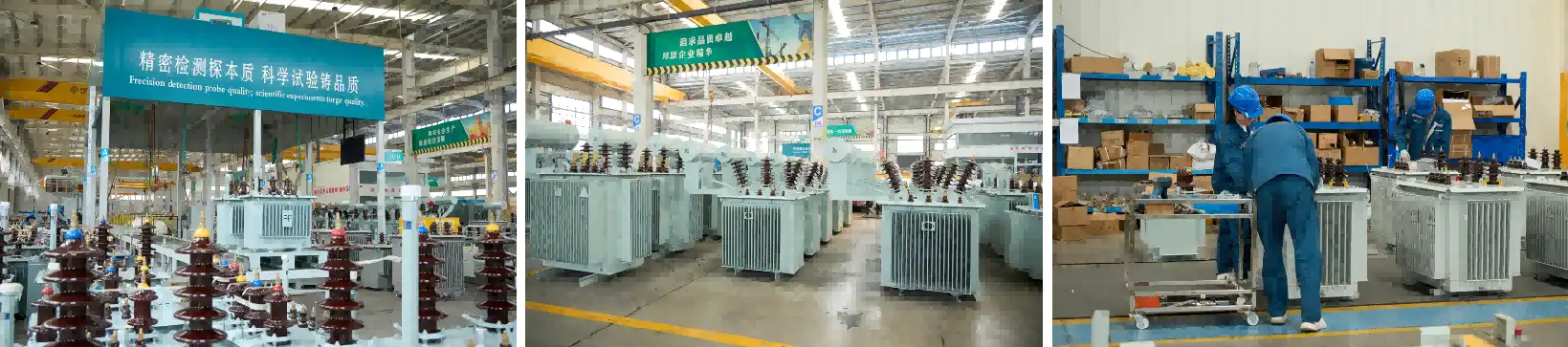
To compare providers, you need to look at more than just product datasheets. The value of a provider partnership depends on how reliable delivery is, how well service is provided after the sale, and the direction of technology.
When you look at an asset's cost over 25 years, the lowest bid isn't always the best deal. With high-permeability grain-oriented silicon steel, a transformer with lower no-load losses can cut energy costs by thousands of dollars per unit per year. Total cost of ownership (TCO) should be taken into account along with purchase price when comparing bids. The U.S. Department of Energy says that transformer energy losses make up about 2–3% of all the power made in the U.S. This means that scores for efficiency are directly linked to money.
International companies that send a lot of goods usually keep IEC- and UL-certified units in stock and know how to package units for ocean freight, which can include shipping big transformers in nitrogen and using impact monitors to keep track of them during transit. If a supplier's goods are already accepted by more than one regulatory body, like those that meet both IEC and ANSI standards, it will be easier for you to do compliance reviews.
At the utility level, smart tracking is quickly becoming the norm. Fiber-optic winding temperature sensors and live dissolved gas analysis (DGA) should be built into the designs of the manufacturers you choose with a Power Transformer Supplier. Instead of mineral oil, environmentally friendly fluids like natural ester (FR3) or synthetic ester fluids are becoming more popular in urban substations to protect against fire and protect the environment. Long-term technical viability is shown by a supplier that is actively developing these product lines.
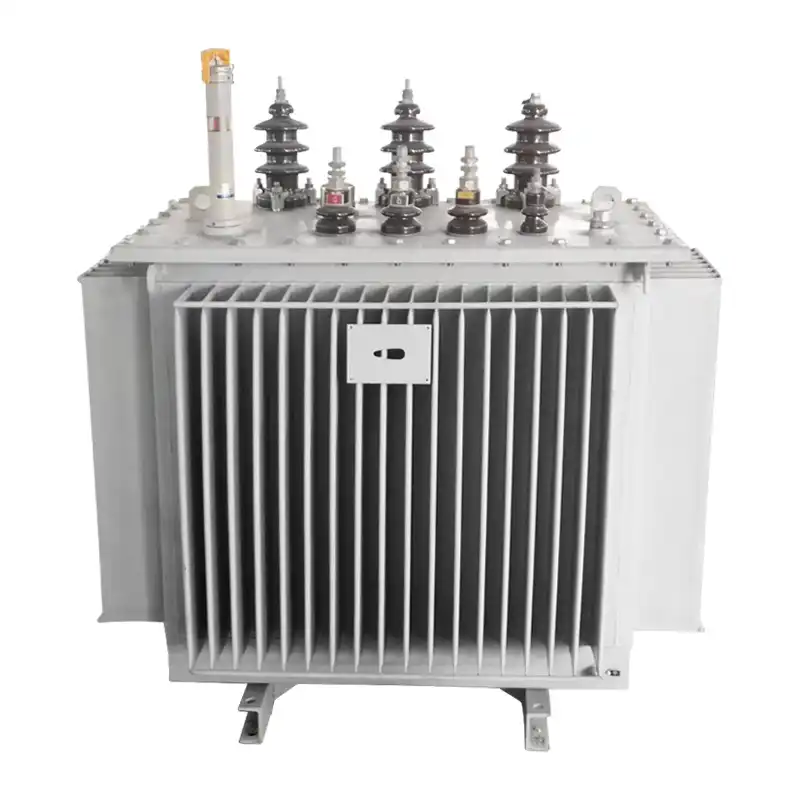
A organized selection method lowers the risk of buying something and keeps project deadlines safe.
Before you call providers, write down specific technical requirements. The MVA rating, main and secondary voltage levels, vector group (like Dyn11 or Ynd11), cooling class, insulation class, and relevant standards (IEC 60076 or IEEE C57.12.00) are all part of this. Unclear RFQs lead to quotes that can't be compared, which wastes time during the evaluation process. The more detailed your requirements are, the more accurate the technical and business answer from the supplier will be.
Do a building check or ask for a written quality review before giving out a contract. Make sure the manufacturer's production line can handle the number of units you need in a batch. For example, utility projects often need dozens or hundreds of units on a regular basis. Make sure that routine, type, and special tests are done according to IEC or ANSI standards and that test reports from a recognized third-party lab can be found upon request.
Standard catalog units don't always work for all utility uses. Check how fast a seller reacts to requests that aren't standard, like custom tap changer setups, special enclosure ratings (IP54/IP65), altitude derating, seismic zone requirements, or designs that are rated for harmonic loads in industrial settings. If a supplier has more than 400 engineers with advanced degrees, it shows that it can handle technical problems that come up on specific projects quickly.
The contract signing is the beginning of the relationship, not the conclusion.
Define support terms clearly before signing. What is the warranty period? What does it cover—materials, labor, field service? Does the supplier provide spare parts, tap changer servicing, or on-site commissioning assistance? Lijie Electric meets the requirements of GB/T 27922-2021, the national standard for commodity after-sales service evaluation, which provides a structured framework for post-delivery support commitments.
Establish measurable performance indicators with your supplier: on-time delivery rate, defect rate per batch, response time for technical queries, and mean time between failures. Review these metrics quarterly. A supplier invested in the partnership will welcome this structure and use it to improve their process alignment with your project cadence.
The best transformer partnerships go beyond transactions. Involve your supplier's engineering team early in the design phase—especially for complex applications like grid-tied solar farms, arc furnace installations, or high-harmonic industrial environments. Early technical input prevents costly specification errors and shortens the approval cycle. Lijie Electric's annual sales exceed 9 billion RMB, reflecting the scale of engineering and manufacturing experience available to buyers who choose to engage deeply.
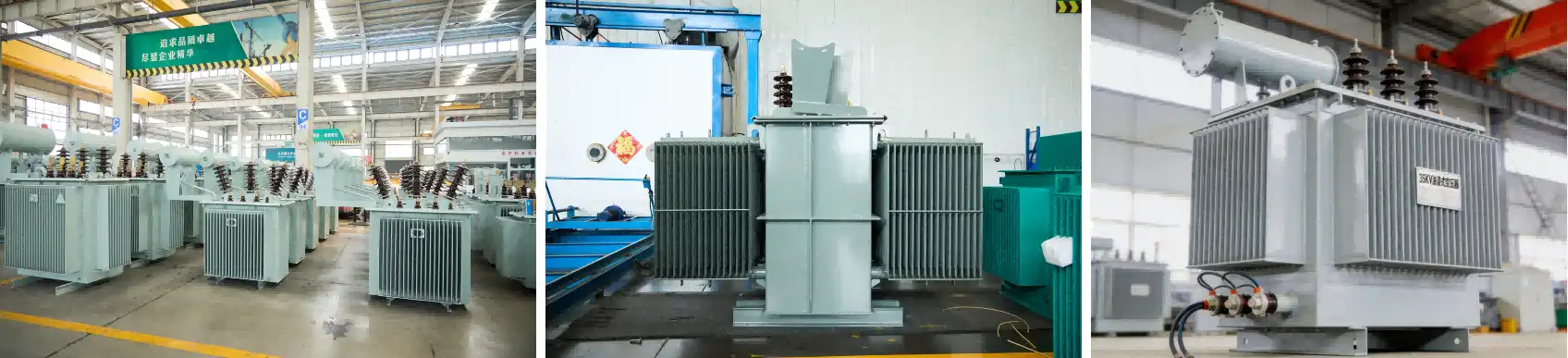
Selecting a transformer supplier for a utility project demands attention across multiple dimensions: product certifications, technical depth, batch delivery capacity, pricing transparency, and post-sale commitment with a Power Transformer Supplier. The decision affects asset performance for decades. Buyers who apply a structured evaluation process—anchored in verified data rather than marketing claims—consistently achieve better outcomes in cost, reliability, and project delivery.
Check that the product meets at least the following standards: ISO 9001:2015, IEC 60076, IEEE C57.12.00, CE marking, and UL listing. It is also important for U.S. projects to follow ANSI standards. These licenses show that the company has met quality and safety standards that were checked by a third party.
Lead times for custom-engineered units are usually between 24 and 52 weeks, but this depends on the MVA grade, the supply of materials, and the time it takes for the plan to be approved. If the seller has pre-production stock, standard distribution transformers may be sent out faster.
Oil-immersed power transformers usually last between 25 and 40 years if they are well taken care of. It varies a lot on how much it is loaded, how well the insulation is maintained, how well the cooling system works, and the temperature and humidity where it is used.
Yes, U.S. procurement rules can be met by suppliers who actively export to regulated markets and hold IEC, CE, and UL certifications. Make sure the provider has delivered to similar jobs before and can show proof of third-party testing.
DGA checks the gasses that are mixed in with transformer oil to find early signs of insulation failure or too much heat. Suppliers that offer online DGA sensors that are built in let utilities use condition-based maintenance, which cuts down on unplanned power outages.
The Lijie Electric Power Technology Group makes transformers for 35kV distribution units to 500kV ultra-high-voltage systems. Their products are fully certified by IEC, CE, UL, and ISO 9001:2015. Our two production bases allow us to meet delivery schedules for big batches, and our engineering team of 400+ professionals with advanced degrees takes care of all special requirements directly. Please get in touch with us if you need a Power Transformer Supplier for a project involving the power grid, an installation of renewable energy, or a heavy industrial use. You can email our team at lijieelectrical@gmail.com or go to lijie-electrical.com to get a detailed quote and advice.
1. U.S. Department of Energy — Energy Efficiency of Distribution Transformers, 2023.
2. International Electrotechnical Commission — IEC 60076: Power Transformers, 2011 (with amendments through 2023).
3. IEEE Standards Association — IEEE C57.12.00: Standard for General Requirements for Liquid-Immersed Distribution, Power, and Regulating Transformers, 2021.
4. Electric Power Research Institute (EPRI) — Transformer Life Management: Assessment and Maintenance Strategies, 2020.
5. IEEE Transactions on Power Delivery — Condition-Based Maintenance of Power Transformers Using Dissolved Gas Analysis, Vol. 36, 2021.
6. T&D World Magazine — Procurement Best Practices for Utility-Scale Power Transformers, 2022.
YOU MAY LIKE
14%20Epoxy%20Resin%20Dry%20Type%20Transformer.webp)
H15%20Amorphous%20Alloy%20Distribution%20Transformer.webp)

H15%20type%20three-phase%20fully%20sealed%20distribution%20transformer.webp)

April 27, 2025
With a tight project schedule, the manufacturer delivered on time, and on-site technical personnel provided guidance throughout the entire installation and commissioning process; the collaboration was highly efficient and hassle-free.
July 2, 2025
During the preliminary phase, a selection plan was custom-tailored based on the actual site load requirements, resulting in a high degree of parameter compatibility. After-sales support responds within two hours, and ongoing technical support for operation and maintenance is comprehensive; we feel completely confident in a long-term partnership.
November 18, 2025
Deployed as a supporting component for a 35kV grid-connection project at a photovoltaic power station, the equipment operates for an average of 16 hours daily. It demonstrates excellent control over no-load losses, ensures smooth power generation and grid integration, and effectively reduces the station's overall energy consumption.
January 30, 2026
Under the continuous, high-load operating conditions of a factory production line, the equipment maintains stable electrical parameters and exhibits strong overload resistance, thereby guaranteeing an uninterrupted power supply for industrial production.
April 3, 2026
Integrated as a supporting component for a new energy photovoltaic grid-connection system, the manufacturer provided professional technical coordination and timely after-sales support, ensuring seamless adaptation to the specific electrical operating conditions required for grid integration.