April 27, 2025
With a tight project schedule, the manufacturer delivered on time, and on-site technical personnel provided guidance throughout the entire installation and commissioning process; the collaboration was highly efficient and hassle-free.
Oct 15, 2026
B2B buyers working in power utilities, renewable energy, and heavy industry can achieve significantly better grid performance by deploying the right high voltage transformer. These units handle voltage levels from 33kV up to 1100kV in ultra-high voltage applications, stepping power up for long-distance transmission and stepping it down for industrial distribution. By reducing I²R line losses and maintaining stable load management, a well-specified power transformer directly lowers operating costs and supports 10–30 years of continuous, dependable service across demanding grid environments.
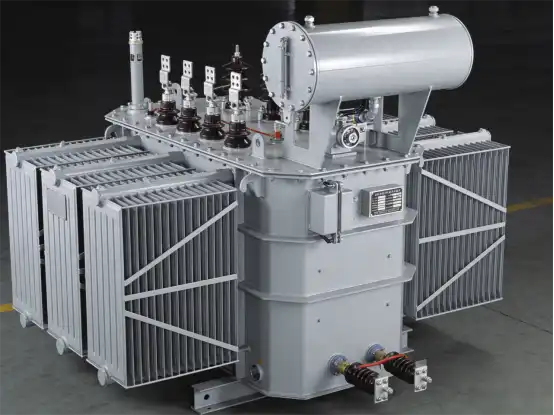
Through magnetic coupling, a high voltage transformer moves electricity from one circuit to another. At substations for power production, units step the generator output, which is usually around 15kV, up to transmission levels like 230kV or 500kV. Over long distances, this voltage boost cuts resistive losses by a huge amount. These days' units have Buchholz switches and Dissolved Gas Analysis (DGA) monitors built in to find problems early on, before they cause unplanned downtime.
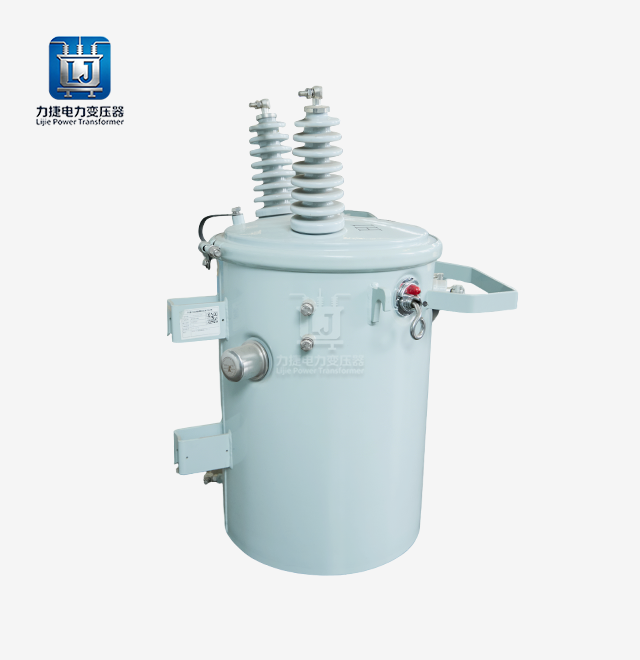
Oil-immersed transformers work well in outdoor substations and big industrial sites because they use insulating mineral oil or synthetic esters along with ONAN or ONAF cooling systems. Dry-type units use vacuum-impregnated resin insulation and work well in places where fire safety is important, like indoor settings, urban substations, and green energy installations. Lijie Electric makes both groups of products, which cover voltage ranges from less than 35kV to 500kV and above.
Transformers that can handle high harmonic distortion and short-term voltage spikes from arc furnaces are needed by steel mills and mines. Offshore wind farms need designs that don't rust and can handle load flows going both ways. For quick installation on-site, large solar panels need dry-type units and substations that have already been built. The equipment is put under different stresses in each environment. This is why the core design, vector group configuration, and rated MVA capacity must all be carefully chosen for each use.
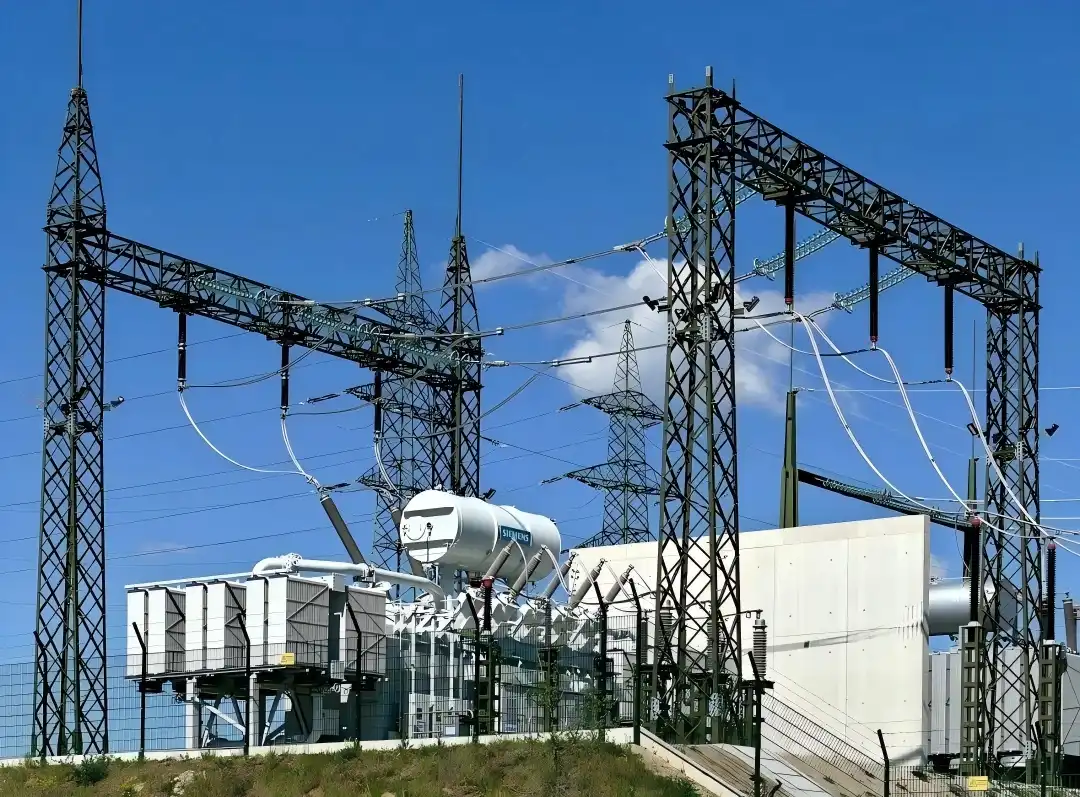
Scheduled oil samples for DGA find dissolved gases caused by arcing or burning a long time before the insulation damage gets too bad. Visual checks of cooling fans, seals, and joints can find mechanical wear early. IEEE C57.104 says that the total amount of flammable gases in transformer oil should stay below 720 ppm when the machine is running normally. Checking this level once a month is an easy and inexpensive way to keep a valuable asset safe.
Sweep Frequency Response Analysis (SFRA) checks the stability of the core and windings after they have been shipped, which is very important for foreign EPC projects involving a high voltage transformer. The best way to tell if insulation is healthy is to test partial discharge (PD). IEC 60076-3 says that PD values must stay below 10pC at rated voltage. Temperature rise tests show that the cooling system keeps the oil and coil temperatures within the design limits when the transformer is fully loaded. This protects the transformer's life.
Dry-type units usually don't need to be serviced as often because they don't hold oil, so there is no chance of oil leaks or fires from flammable fluid. But in humid places, their resin insulation is more likely to let water in. Oil-filled transformers need to have their oil tested and filtered on a regular basis, but they can handle very high MVA rates better in terms of heat capacity. Procurement teams can balance upkeep funds and performance goals when they understand these trade-offs.
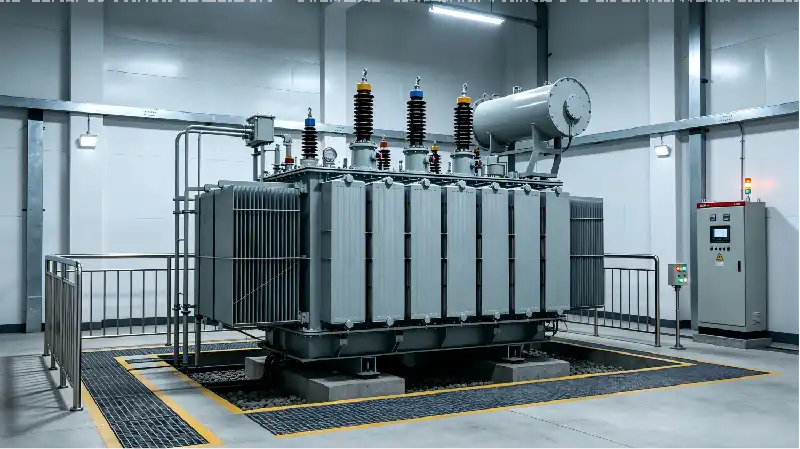
Picking the right unit is more than just checking the voltage rating. Before they accept a buy order, procurement managers and electrical experts should look at these main factors:
Rate of capacity (MVA) and voltage ratio: These must perfectly fit the substation's load profile; units that are too low in their rating cause overheating, while units that are too high in their rating cost too much in capital.
Any good choice about procurement is based on these factors. If you miss even one of them, it could cause specifications not to match, which could lead to expensive change orders in the middle of the project.
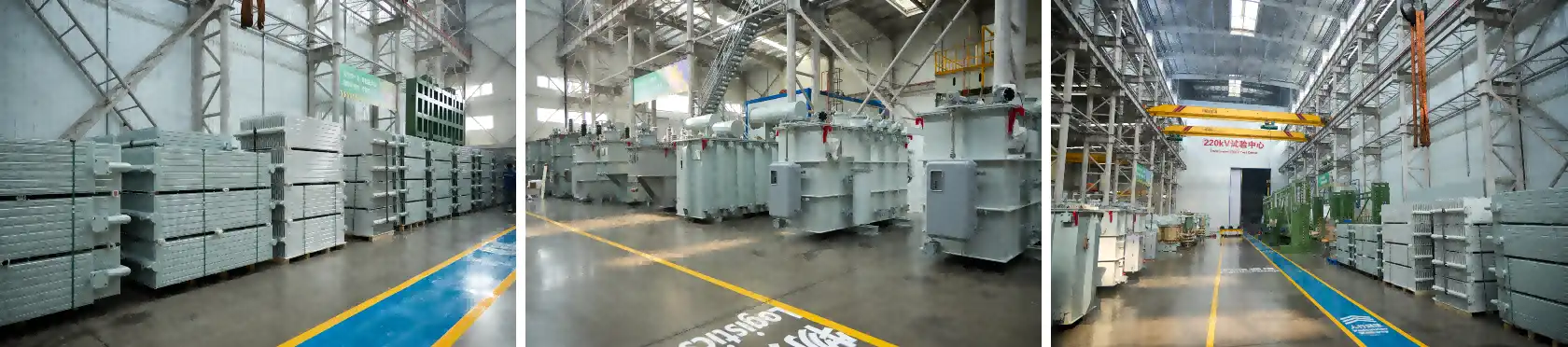
For big projects, a high voltage transformer supplier needs to show stable batch output, consistent factory test records, and proof of support after the sale. Lijie Electric makes more than 5 billion RMB in sales every year, is certified for ISO 9001:2015 and GB/T 27922-2021 after-sales service, and sells its products in Australia, Southeast Asia, Central Asia, and Africa. When they go to the National Transformer Quality Supervision and Inspection Center, all of their products pass regular, type, and special tests.
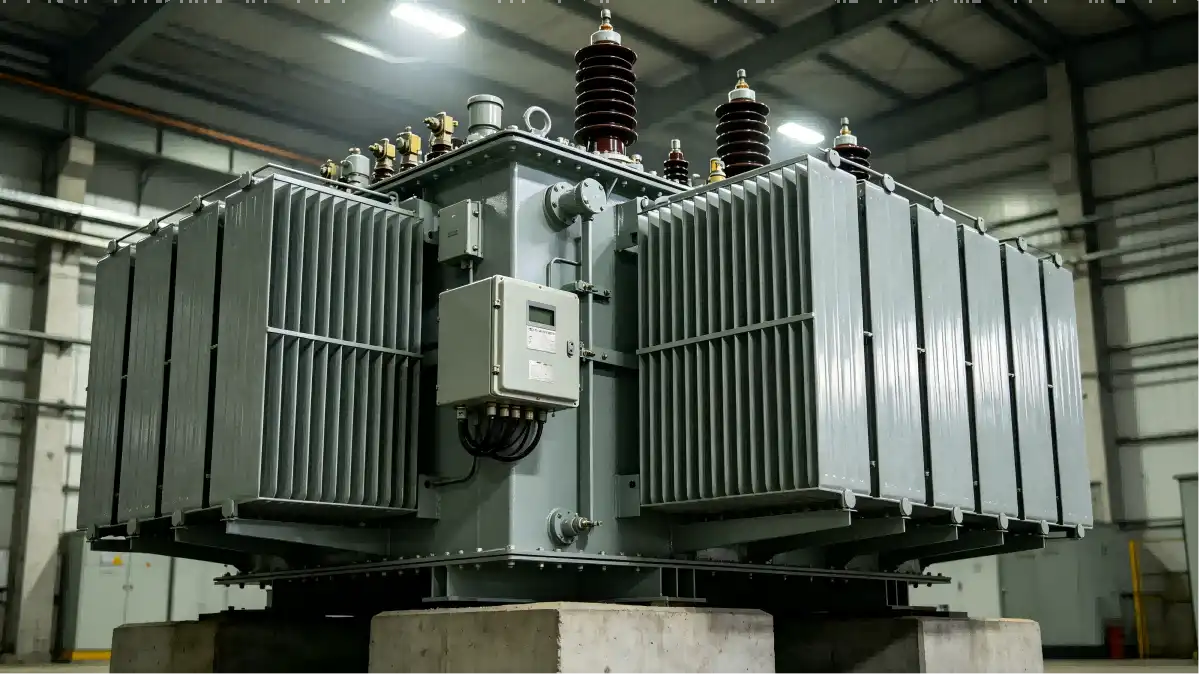
The total cost of owning a power generator is much higher than the price you paid for it. Every hour that the unit is turned on, even when it's not holding anything, no-load costs add up. Cores made of CRGO (cold-rolled grain-oriented) silicon steel reduce hysteresis and eddy current losses. The U.S. Department of Energy says this can cut no-load losses by 15–25% compared to normal silicon steel. This efficiency gap will save you money on your energy bills over the course of 25 years.
More and more, modern large-scale grids depend on real-time data to handle repairs and load balancing. IoT-enabled temperature sensors, online DGA monitors, and tap-changer position input are built into transformers that send constant data to SCADA systems. This visibility lets operations teams plan maintenance ahead of time instead of after the fact. This cuts down on unplanned outages, which, according to the Electric Power Research Institute (EPRI), cost U.S. factories an average of $150,000 per hour of downtime.
U.S. grid operators and international EPC contractors now have to follow stricter efficiency rules. The IEC 60076-20 energy efficiency ratings and the DOE 2016 Distribution Transformer Rule make it clear what levels of energy loss procurement teams must meet in order to pass project audits. Lijie Electric's amorphous metal transformers cut no-load losses by up to 70% compared to silicon steel units, which directly helps meet compliance and sustainability goals.
One of the most important choices a business-to-business buyer can make for grid infrastructure is choosing the right high voltage transformer. For decades, these units have set the standards for system stability and economy. They do everything from increasing generation voltage to integrating renewable energy sources and handling industry load needs. Three things separate successful projects from expensive ones: making sure that technical specs match application needs, checking certifications, and working with a maker that can deliver consistent batch quality. The information and rules mentioned above give buying teams a solid foundation for making that choice.
A well-made power transformer will last between 25 and 40 years if it is used normally and gets regular maintenance. IEC 60076 sets up thermal aging models that use operating temperature to guess how long insulation will last. The best way to make something last longer is to keep the temperature of the hot-spot winding below 98°C.
Every one to three years, oil-filled transformers need to have their oil sampled, analyzed using DGA, and filtered. Dry-type units only need to be cleaned on the outside and the resin surfaces checked for cracks or damage from water. Higher MVA ratings are usually supported by oil-filled designs, while dry-type units work well below 35kV indoors or in places that are sensitive to fire.
For projects in the U.S. and other countries, make sure they have ISO 9001:2015, IEC 60076, CE marking, and UL approval. PCCC certification and energy efficiency documentation from a recognized testing body are important extra layers of assurance for Chinese-made goods coming into the U.S. market.
Yes. For solar and wind applications, it's common to need certain vector group configurations, better corrosion protection for salty environments, and the ability to handle load flows going both ways. Manufacturers with dedicated research and development teams, like Lijie Electric, which has over 160 engineers with master's and doctoral degrees on staff, can change designs to fit the needs of a particular project.
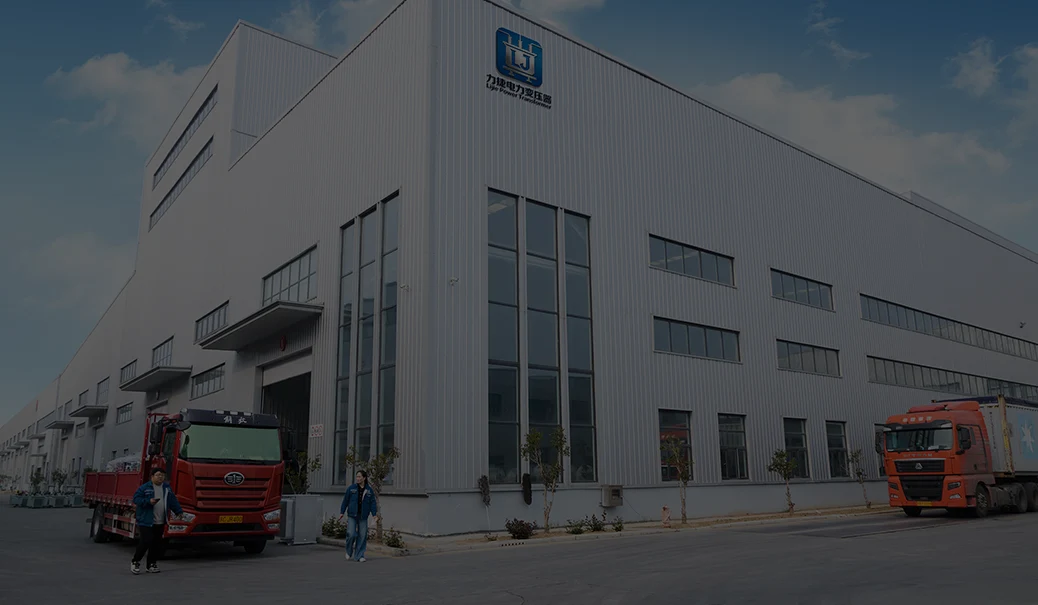
From 35kV distribution units to 500kV ultra-high-voltage models, Lijie Electric has all the high voltage transformers you need. All of their goods are approved to meet IEC, CE, UL, and ISO 9001:2015 standards. We can make high voltage transformers in large quantities, offer special engineering, and guarantee on-time delivery. Our factory covers 500,000 m² and ships goods to four continents. To get prices and specs, please email our technical team at lijieelectrical@gmail.com or visit lijie-electrical.com.
1. IEEE Std C57.104-2019, IEEE Guide for the Interpretation of Gases Generated in Mineral Oil-Immersed Transformers. IEEE, 2019.
2. IEC 60076-3:2013, Power Transformers – Part 3: Insulation Levels, Dielectric Tests and External Clearances in Air. International Electrotechnical Commission, 2013.
3. U.S. Department of Energy, Energy Conservation Standards for Distribution Transformers: Final Rule. DOE, 2016.
4. Electric Power Research Institute (EPRI), Transformer Life Management: Cost and Reliability Analysis. EPRI, 2020.
5. IEC 60076-20:2017, Power Transformers – Part 20: Energy Efficiency. International Electrotechnical Commission, 2017.
6. U.S. Energy Information Administration, Electric Power Annual 2022. EIA, 2023.
YOU MAY LIKE
11%20type%2035KV%20dry-immersed%20transformer_1778136495348.webp)


%20H15%20Series%20Oil-immersed%20Amorphous%20Alloy%20Transformer.webp)


13%20type%20epoxy%20resin%20cast%20transformer.webp)
April 27, 2025
With a tight project schedule, the manufacturer delivered on time, and on-site technical personnel provided guidance throughout the entire installation and commissioning process; the collaboration was highly efficient and hassle-free.
July 2, 2025
During the preliminary phase, a selection plan was custom-tailored based on the actual site load requirements, resulting in a high degree of parameter compatibility. After-sales support responds within two hours, and ongoing technical support for operation and maintenance is comprehensive; we feel completely confident in a long-term partnership.
November 18, 2025
Deployed as a supporting component for a 35kV grid-connection project at a photovoltaic power station, the equipment operates for an average of 16 hours daily. It demonstrates excellent control over no-load losses, ensures smooth power generation and grid integration, and effectively reduces the station's overall energy consumption.
January 30, 2026
Under the continuous, high-load operating conditions of a factory production line, the equipment maintains stable electrical parameters and exhibits strong overload resistance, thereby guaranteeing an uninterrupted power supply for industrial production.
April 3, 2026
Integrated as a supporting component for a new energy photovoltaic grid-connection system, the manufacturer provided professional technical coordination and timely after-sales support, ensuring seamless adaptation to the specific electrical operating conditions required for grid integration.