April 27, 2025
With a tight project schedule, the manufacturer delivered on time, and on-site technical personnel provided guidance throughout the entire installation and commissioning process; the collaboration was highly efficient and hassle-free.
Oct 15, 2026
When industrial facilities and utility operators need to move power efficiently from high-voltage transmission lines down to usable distribution levels, a medium voltage transformer does the work. Operating between 2.4 kV and 35 kV, these units bridge the gap between bulk power supply and end-use equipment — reducing line losses, stabilizing voltage, and providing galvanic isolation that protects sensitive downstream systems. Whether you manage a solar farm, a steel plant, or a regional grid, the right MV transformer directly affects your total cost of ownership and operational uptime over a 25–30 year service life.
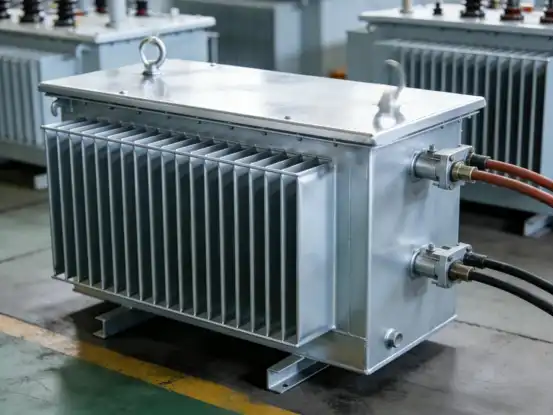
An electromagnetic field makes a medium voltage transformer work. The primary windings receive power from the grid, the core moves energy magnetically, and the secondary windings provide a regulated, stepped-down output. Low hysteresis and eddy current losses are achieved with high-grade grain-oriented silicon steel cores. The units are made to meet the standards set by IEC 60076 or IEEE C57.12.00. They also have Basic Insulation Level (BIL) scores that show they can handle lightning strikes and sudden changes in power without breaking.
For substations and trunk lines to always have power, regional utilities depend on MV distribution transformers. These units need to be able to handle cycle load swings and keep the voltage within ±5% even when demand changes. Stable transformer performance at this stage stops failures that spread further downstream, which is a major worry for grid operators in both the U.S. and foreign markets and a top reason for buying new transformers.
Here are three situations that show how these transformers make money every day:
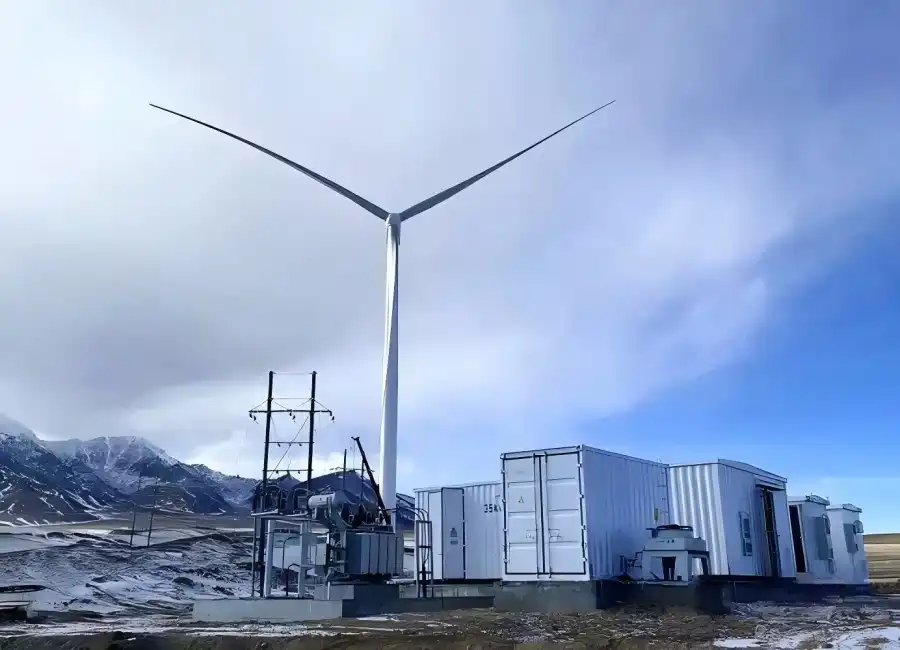
— plants that use renewable energy: In solar and wind projects, the transformer raises the voltage from the inverter to the grid. To deal with harmonic distortion from inverters and protect winding insulation over decades of cycle loading, designs use K-factor values and electrostatic shielding.
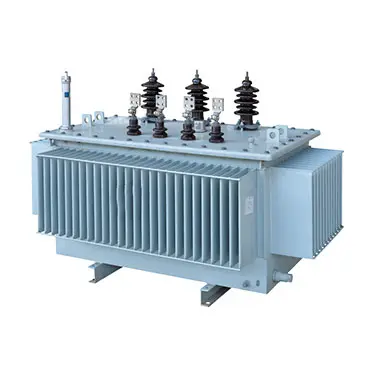
Mineral oil or natural ester FR3 fluid-immersed medium voltage transformer units are better at getting rid of heat, which makes them cost-effective for bigger kVA rates in outdoor utility installations. Dry-type cast resin units don't use any liquid coolant, so they are safer for both people and the environment. They are the best choice for indoor substations, business buildings, and industrial settings where spills are not accepted.
Cast resin transformers protect their windings from water, pollution, and chemical vapors by covering them in epoxy resin. They work well in places with a lot of changes in temperature and humidity, like coastal sites, subway stops, and factory floors. The designs don't need as much maintenance as oil-filled ones, which lowers the overall cost of ownership for indoor setups.
Low voltage distribution transformers usually work below 1 kV and serve the end load points. Medium voltage units are one step ahead in the distribution chain. They have to deal with more demanding heat cycles, higher insulator stress, and more fault current exposure. The engineering needs for these groups are very different, so procurement teams shouldn't use the same specs for all of them.
You should start with your harmonic content, power factor, and peak demand. A transformer that is too small for its load gets hot and breaks down quickly, while a transformer that is too big wastes money. Choose a K-factor rating that takes into account extra winding losses for places with non-linear loads, like arc furnaces, rectifiers, and variable speed drives. When installing at heights above 1,000 meters, you need to use derating factors for both BIL and cooling capacity.
The price you paid is shown on one line. Over 25 to 30 years of continuous operation, both no-load losses and load losses add up. The U.S. Department of Energy says that energy leaks in transformers cost industry users across the national grid billions of dollars every year. Choosing an energy-efficient core material and winding design will pay for itself in a few years of running if the units meet or beat DOE 2016 efficiency guidelines.
Compliance is a big deal for B2B buyers when they decide what to buy. Make sure that your seller has certifications from ISO 9001:2015, IEC, CE, and UL. For projects that need power profiles that aren't standard, like electric furnace transformers, rectifier transformers, or mining transformers, make sure the maker can deliver tried custom setups as well as catalog units.
Check the civil base load rates, clearance distances according to NEC and NFPA 70B, and ventilation before turning on any MV unit. Commission while an electrical expert with a license is there. Write down the initial values of the transformer's insulation resistance (TTR) and turns ratio (IR). These will serve as your guide for future maintenance checks.
For oil-filled medium voltage transformer units, dissolved gas analysis (DGA) of oil samples once a year finds problems in the making before they break down. Following the rules in IEEE C57.106 for testing the insulation fluid's moisture level and dielectric strength is important. For dry-type units, they stay within their design parameters with yearly infrared thermography scans and visual checks for cracked resin or contamination.
The most common problems are temperature increases that don't make sense, strange noises coming from the core or windings, and high PD activity. A rise in the no-load current is often a sign of trouble with the core lamination. When the temperature of the windings on one phase goes up, it means that there may be inter-turn shorts. Instead of fixing problems after they happen, early discovery through tracking is what keeps a 30-year asset working the way it was meant to.
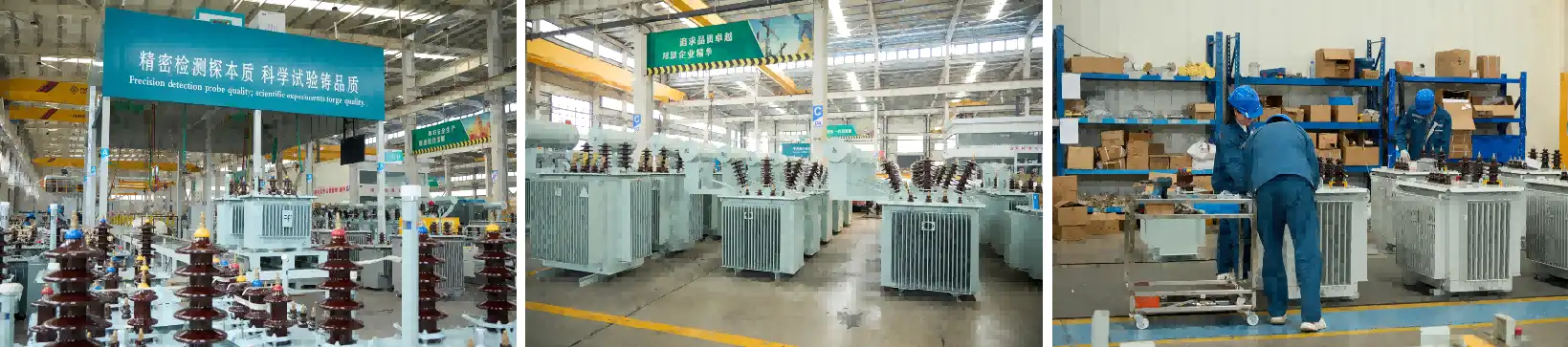
For big energy and building projects, huge deliveries must happen on set times. A source whose production ability hasn't been checked causes project delays that lead to fines and lost money. If you are looking at different providers, make sure you look at their track records for delivering batches, their factory's capacity, and how often they get projects done on time that are similar in size.
It's just as important that the transformer comes with a strong warranty that is backed up by the ability to get spare parts locally and quick technical support. Make sure that your supplier keeps records that meet GB/T 27922-2021, which is China's national standard for evaluating after-sales service, and that you can get in touch with factory engineers for help with field commissioning when you need it.
Many utilities and industry operators in the U.S. now buy things through long-term framework deals instead of one-time purchases. This method locks in prices, assigns production slots based on priority, and sets up a way for expert teams to keep working together even as load factors change. Total lifespan costs are measurably lower when suppliers work together to improve products during the contract term.
Utility-scale power supplies and industrial distribution networks are connected functionally by medium voltage transformers. Choosing the right type, rating, and supplier affects not only the cost up front, but also how reliable the system will be for decades to come. The engineering choices made during procurement have a direct effect on operational performance. This is true for both step-up applications for renewable energy and arc furnace duty in heavy industry. Procurement teams can be sure that their investment will work as planned if they work with a maker that has the right licenses, a large production capacity, and a history of providing good after-sales service.
MV transformers connect transmission-level power to low-voltage equipment at the end of the line. They usually work between 2.4 kV and 35 kV.
Dry-type units are safer to use indoors because they don't carry any liquid cooling and are insulated with cast plastic. Mineral oil or natural ester fluid is used to cool oil-filled units, which are better for bigger outdoor setups and cost less per unit.
For oil-filled units, the standard practice is to test the oil with DGA once a year.
Yes. Both BIL values and cooling capacity need to be lowered above 1,000 meters. Manufacturers who are good at building can figure out and offer units that are set up for different altitudes.
The very least are CE, UL, ISO 9001:2015, and IEC 60076. For projects in the United States, make sure they meet the minimum energy guidelines set by IEEE C57.12.00 and DOE 2016.
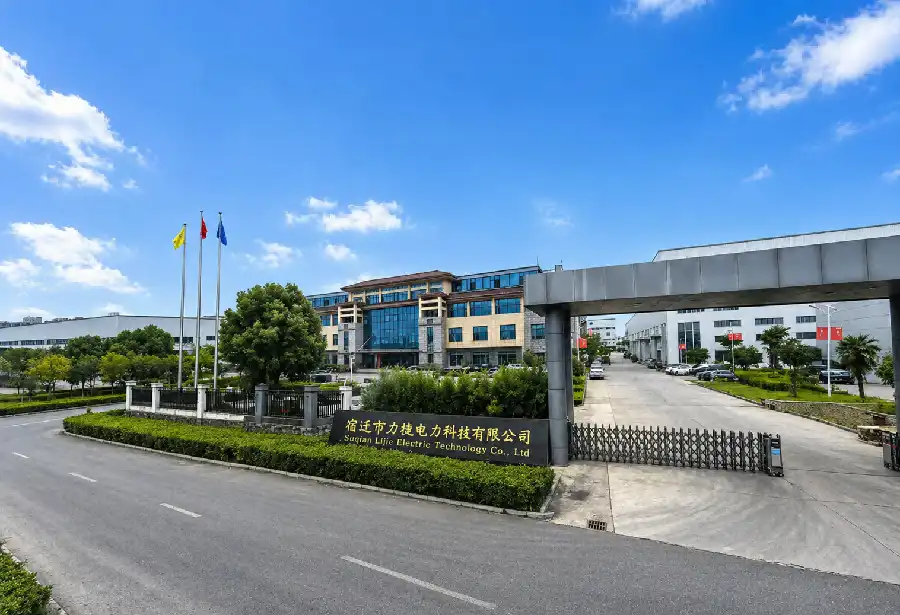
The Lijie Electric Power Technology Group makes all kinds of power transformers, from extremely high-voltage 500kV models to 35kV distribution units. Their products are certified by ISO 9001:2015, IEC, CE, and UL. We have been a reliable seller of medium voltage transformers for many years, and we work on big, time-sensitive projects in both the U.S. and other countries. Get in touch with our tech team directly to talk about your needs: Email: lijieelectrical@gmail.com Website: lijie-electrical.com
1. IEEE Standard C57.12.00 – IEEE Standard for General Requirements for Liquid-Immersed Distribution, Power, and Regulating Transformers, IEEE, 2021.
2. IEC 60076-1 – Power Transformers – Part 1: General, International Electrotechnical Commission, 2011.
3. U.S. Department of Energy, Energy Conservation Program: Energy Conservation Standards for Distribution Transformers, Federal Register, 2016.
4. NFPA 70B – Recommended Practice for Electrical Equipment Maintenance, National Fire Protection Association, 2023.
5. IEEE C57.106 – Guide for Acceptance and Maintenance of Insulating Mineral Oil in Electrical Equipment, IEEE, 2015.
6. Electric Power Research Institute (EPRI), Transformer Life Management: Aging Infrastructure and Maintenance Best Practices, EPRI Report, 2020.
YOU MAY LIKE
H15%20Amorphous%20Alloy%20Distribution%20Transformer.webp)
12%20Series%20Dry%20Type%20Transformer.webp)


April 27, 2025
With a tight project schedule, the manufacturer delivered on time, and on-site technical personnel provided guidance throughout the entire installation and commissioning process; the collaboration was highly efficient and hassle-free.
July 2, 2025
During the preliminary phase, a selection plan was custom-tailored based on the actual site load requirements, resulting in a high degree of parameter compatibility. After-sales support responds within two hours, and ongoing technical support for operation and maintenance is comprehensive; we feel completely confident in a long-term partnership.
November 18, 2025
Deployed as a supporting component for a 35kV grid-connection project at a photovoltaic power station, the equipment operates for an average of 16 hours daily. It demonstrates excellent control over no-load losses, ensures smooth power generation and grid integration, and effectively reduces the station's overall energy consumption.
January 30, 2026
Under the continuous, high-load operating conditions of a factory production line, the equipment maintains stable electrical parameters and exhibits strong overload resistance, thereby guaranteeing an uninterrupted power supply for industrial production.
April 3, 2026
Integrated as a supporting component for a new energy photovoltaic grid-connection system, the manufacturer provided professional technical coordination and timely after-sales support, ensuring seamless adaptation to the specific electrical operating conditions required for grid integration.