April 27, 2025
With a tight project schedule, the manufacturer delivered on time, and on-site technical personnel provided guidance throughout the entire installation and commissioning process; the collaboration was highly efficient and hassle-free.
Sep 5, 2026
When selecting a transformer supplier for critical infrastructure, power utilities, or renewable energy projects, understanding the production capabilities that separate a dependable manufacturer from a mediocre one becomes essential, and a Dry-type Transformer Factory with these attributes is the ideal choice. A reliable dry-type transformer facility combines sophisticated engineering processes with stringent quality controls—from initial design through core assembly, winding, insulation application, vacuum pressure impregnation, and comprehensive testing. These manufacturers consistently demonstrate adherence to internationally recognized standards like IEC 60076-11, IEEE C57.12.01, and ANSI, ensuring that every unit leaving their production lines can perform reliably for decades. The integration of advanced technologies, skilled engineering teams, and rigorous certification protocols ultimately defines whether a factory can meet the demanding requirements of modern B2B procurement teams.

A solid insulation transformer is made in many steps, starting long before the first part gets to the assembly floor. Competent facilities put a lot of money into design engineering to make sure that all of the specifications—from voltage ratings to thermal performance—are in line with what the client wants and with international standards. Epoxy resin and aramid paper insulation systems are different from traditional oil-filled units in that they need exact environmental controls during production. This makes the design phase very important for long-term reliability.
For production to be at its best, many specialized departments must work together smoothly. Cold-rolled grain-oriented silicon steel with a high permeability is used in the core assembly stage. It is carefully stacked to reduce no-load losses and magnetic flux leakage. Automated CNC cutting systems can get measurements that are much more accurate than human methods. After the core is ready, precision winding tools put copper or aluminum wires in carefully planned patterns, making sure that the spacing is perfect to avoid hotspots and make sure that the current flows evenly. Before moving on to the next step in the production process, each layer of wrapping is inspected. This creates quality checks that find problems early on before they get worse.
Solid dielectric transformers are different from oil-immersed ones because they use insulation. Most facilities use either vacuum pressure impregnation or vacuum cast resin technologies. Both of these need special tools and controls for the climate. In VPI methods, wound cores are put into vacuum tanks that remove all the air and moisture before thermosetting resins are pressed onto them. This method makes sure that every tiny gap is filled completely, getting rid of any gaps that could cause partial discharge or failure before its time. Cast resin systems go even further by enclosing whole windings in epoxy molds to make them stronger and safer for the environment.
Following IEC, IEEE, and ANSI standards isn't just the right thing to do to follow the rules; it's also a pledge to engineering greatness. Insulation classes (usually Class F at 155°C or Class H at 180°C), temperature rise limits, dielectric withstand levels, and short-circuit strength are all set by these frames. Manufacturing facilities show they are following the rules by keeping a lot of records, such as design calculations, material specifications, and process control records. Third-party audits and regular testing by national quality supervision centers make sure that goods always meet the standards that were given.

Making transformers today involves a lot more than just putting them together by hand and checking them in the most basic ways. Automation, precise measurement systems, and data analytics are what set leaders in an industry apart from other manufacturers. This has a direct effect on the consistency of products and the reliability of operations.
Automated wrapping tools are a big step forward in technology compared to doing things by hand, and a Dry-type Transformer Factory equipped with these systems keeps tension the same across thousands of turns of wire. This stops the changes in mechanical stress that damage the insulation and cause the system to fail in the end. Tolerances in CNC core cutting tools are measured in fractions of millimeters. This makes sure that the magnetic circuit works well and that eddy current losses are kept to a minimum. Robotic handling systems keep people from touching sensitive parts, which keeps them clean and improves safety in high-stress production settings.
Comprehensive proof is a lot more than just checking that something works. Temperature rise testing makes sure that the insulation's heat-dissipation limits are met under sustained load conditions, which are like years of operation but happen faster. Partially discharge measurements find tiny holes in resin insulation that could spread over time. This lets you know which units need to be fixed before they get to customers. Impulse voltage testing acts like lightning strikes and switching surges, making sure that the basic levels of insulation meet the design requirements. The ability to do harmonic analysis makes sure that the core materials can handle the nonlinear loads that are common in industrial settings without getting too hot or making too much noise.
Real-time monitoring systems are used in advanced testing facilities to record thousands of data points during each validation sequence. This data is put into systems for quality management, which allows statistical process control to find problems before they affect whole batches of production. When purchasing managers ask about defect rates and measures for dependability, manufacturers who have strong testing infrastructure can give them facts instead of vague promises.
Using fire-resistant insulation materials takes care of a major problem in indoor settings and cities with lots of people. Compared to liquid-filled options, self-extinguishing resin formulas and flame-retardant containers make it much less likely that a fire will spread. Ratings for enclosures from IP20 to IP54 protect against dust, water, and direct touch, making installation more flexible in a wider range of settings. Facility managers who are in charge of places like data centers, hospitals, and apartment complexes where safety must always come first care a lot about these environmental issues.

Technical specs and production tools set the basic limits of what can be done, but in the end, human knowledge is what decides whether a manufacturer can provide custom solutions that meet the specific needs of a project. The differences between exceptional suppliers and commodity producers are the level of engineering knowledge, the dedication to continuous innovation, and the adaptability of production planning.
Reputable transformer makers are built on the work of skilled electrical engineers. To make sure that plans work best for each application, these people need to know a lot about complicated topics like electromagnetic theory, heat management, and materials science. Technical staff stays up to date on changing standards, new technologies, and best practices in the industry thru regular training programs. When people working with green energy need transformers that can handle sudden changes in power from solar panels or when mining needs units that can handle big changes in temperature, skilled engineering teams can make changes to standard designs to meet these specific needs.
Being able to troubleshoot is just as useful. When setups in the field run into problems that weren't expected, like harmonic distortion, complaints about noise, or problems with thermal performance, skilled support teams can quickly figure out what's wrong and fix it. When B2B procurement teams look at source ties, responsiveness like this helps build long-term partnerships that are important to them.
Innovation does not happen by accident, and a Dry-type Transformer Factory with strong R&D investment develops products that use less energy, last longer, and cost less overall. New core materials that lower no-load losses even more, advanced cooling configurations that boost power density, or better insulation systems that make it easier to handle short-circuits could be the focus of development efforts. These small improvements add up over generations of products, giving measurable performance advantages that allow price premiums in situations where bids are competitive.
Innovations that are especially useful are driven by collaborative development partnerships with big clients. When EPC contractors or utility companies talk about their operational problems and performance needs, responsive manufacturers can work with them to come up with solutions that meet the needs of the whole industry. This method helps all of the customers and makes relationships with strategic accounts stronger.
Standard product lists don't always work well with big building projects. Customized solutions are often needed for things like voltage levels, link types, cooling needs, and physical measurements. Flexible production lines in factories can handle these changes without having to charge extra for longer lead times or a minimum order quantity. With OEM and ODM capabilities, international contractors can choose setups that meet regional standards and best practices for installation. This makes transportation easier and cuts down on overall project timelines.
When projects need dozens or hundreds of identical units to be sent to different sites, batch consistency becomes very important. Strong process controls and thorough documentation systems make sure that units made months apart perform the same way. This means that there are no worries about specification drift or quality differences between production runs.

When buying things that will work well for 20 to 30 years, you need to have a lot of faith in the quality processes of the suppliers you're considering. Purchasing managers can use objective evidence like certifications, testing protocols, and clear documentation to support their choices of suppliers and get internal approvals.
If a manufacturer has ISO 9001:2015 approval, it means that they follow structured quality management methods for creation, production, and service delivery. Getting ISO 14001 certification shows that you care about the environment, which meets the growing needs of businesses that want to be more environmentally friendly. Product-specific certifications, such as CE marking for European markets, UL listing for installations in North America, and IEC compliance for international projects, get rid of regulatory hurdles that could slow down deployments or require expensive changes.
These licenses need to be checked on a regular basis by third parties who are authorized to do so. They make sure that the written processes match what is actually done. To keep your license, you have to keep spending money on things like process improvement, training for employes, and recording systems. These are all investments that pay off for customers by making products more consistent and lowering the number of defects they encounter.
Factory acceptance testing lets officials from the client see the validation processes before the equipment is shipped, which gives the client peace of mind that the equipment bought meets the agreed-upon specs. Full test reports show how well the product worked in all important areas, setting standard values that can be used to compare it to future testing in the field. Video recording and remote observation make it possible for foreign clients who can't easily fly for inspections to be kept informed, even tho they are far away.
For very important apps, third-party inspection services add extra steps of verification. Key validation procedures can be repeated by independent testing laboratories, which gives unbiased confirmation that what the manufacturer says about a product's capabilities is true. This method works especially well when buying rules need more than one level of quality checking or when past relationships with suppliers have made people doubt self-reported performance data.
Buying teams can choose the right technology if they know how solid insulation transformers stack up against oil-immersed options. Epoxy resin units usually have a lower risk of fire, require less maintenance, and are easier to install, but they may cost more at first and can't handle as much weight. Transparent makers compare products in a way that takes into account both their pros and cons. This helps customers choose the best solutions for their needs instead of being sold technologies that aren't right for them.
Verification of durability in a variety of workplace settings shows fitting for purpose. Protocols for testing that mimic polluted air, high humidity, extreme temperatures, and mechanical shaking show that units can handle the rough conditions found in mines, chemical plants, or outdoor sites. Performance data from installations that have already been installed in similar settings is a very strong form of validation.
Full service capabilities go far beyond just fulfilling warranty obligations. Maintenance guidelines that help operators get the most out of their equipment's lifespan, replacement parts that are easy to find and quick to ship, and technical support that answers operational questions all add real value throughout the ownership cycle. These service parts play a big role in figuring out lifecycle costs, which could make up for higher original buy prices by lowering operating costs.
Field service skills are especially important for foreign tasks where there may not be a lot of professional know-how in the area, and a Dry-type Transformer Factory with qualified technicians who can help with commissioning, troubleshooting, or regular maintenance shows commitment to customer success after the sale.

Procurement teams can carefully compare possible providers to project-specific needs once they know about the technologies, production capabilities, and quality systems used. The process of evaluating should take into account expert skills, business needs, and relationship factors that affect the long-term success of the partnership.
Manufacturers must show that they can meet the needs of a project within the time limits that have been set. Initial screening criteria include annual production amounts, facility size, and staff numbers. However, a thorough talk of current order backlogs and production scheduling practices shows real availability. When factories are at full capacity, they might not be able to handle large orders without making lead times longer. On the other hand, factories that aren't being used might have problems with quality or competitiveness that have made the market less interested.
Geography affects more than just how to get things from one place to another. Because of economies of scale and well-established supply lines, manufacturers in important production areas like China can offer lower prices. For regional projects, having facilities in North America or Europe may make it easier to work together, cut down on shipping times, and follow the rules. For certain purchases, the best choice will rely on whether price, delivery speed, or local help are the most important factors.
Site visits or virtual tours of the facility show how advanced the production equipment is and how the factory is set up in general. Modern facilities that are well taken care of usually make better goods than businesses that use old equipment and makeshift methods. Specifications and certifications alone can't give you the same information as watching production workflows, quality control checkpoints, and testing procedures in person.
When you ask makers about their most recent research and development projects and efforts to make things better all the time, you can tell if they are actively striving for excellence or just keeping things the same. Progressive suppliers are excited to talk about ways to improve efficiency, performance, and customer-driven innovations, while operations that are stuck can't think of any real improvements other than updating their processes to meet regulatory requirements.
It is possible to make accurate comparisons between different providers when their prices are clear and separate the costs of basic tools from the costs of extra features, testing services, and shipping. If procurement teams know what causes price differences—like the quality of the materials, how efficiently they are made, or how the costs of overhead are distributed—they can figure out if price differences really represent real value or just inflated margins.
Minimum order amounts and payment terms have a big effect on the economics of a project and how cash flows. Flexible MOQs allow for smaller launches and prototype installs, and volume savings reward purchases that are made in large quantities. When compared to structures that require large deposits before production starts, payment plans that are in line with project goals lower financial risk.
Lead times must take into account both the supply of regular products and the needs of special engineering. When it comes to deployments, manufacturers who keep a lot of common configurations on hand can do them faster. On the other hand, fully customized designs naturally take longer to develop and make. Setting realistic deadlines that allow for testing, quality checks, and planning logistics shows that the business is mature and lowers the risk of costly project delays.
Verified client reviews show that partnerships have worked well in similar situations. To make sure that past performance is a good indicator of future success for their specific needs, procurement teams should get references from similar industries, project sizes, and geographic areas. Talking to current customers can teach you things about how to communicate effectively, how to solve problems, and how to manage long-term relationships that formal proposals can't.
Case studies with detailed descriptions of difficult projects, how they were completed, and the results that could be measured show that the person has practical knowledge that goes beyond their academic knowledge. Integration of renewable energy, deployments in data centers, or industrial uses that are similar to the working setting of the potential client are all very useful examples. These success stories give people faith that the maker knows what the industry needs and can deliver solutions that do what they say they will.

To find a reliable transformer provider, you need to carefully look at their production skills, level of technological sophistication, quality systems, and ability to compete in the market, and a Dry-type Transformer Factory that does well in these areas consistently delivers products that meet strict technical requirements and offers responsive support throughout the lifecycle of the equipment. When procurement teams clearly explain what the project needs and makers show they can do it and care about the customer's success, that's when relationships work best. As the needs for infrastructure change and grid modernization speeds up, strategic partnerships with suppliers who are always coming up with new ideas and keeping operations running smoothly become more valuable.
Solid insulation systems that use epoxy resin or aramid paper get rid of the fire risks that come with flammable liquid dielectrics. This makes these units perfect for cities with lots of people, data centers, hospitals, and homes. Self-extinguishing materials and strong shelters with ratings from IP20 to IP54 keep people safe and protect against external contaminants. Since there is no oil, there are no regular tests, filtering, or containment standards, which make upkeep more difficult and raise running costs.
Testing for partial discharge finds tiny holes in resin insulation that could grow over time and eventually break down the dielectric and cause equipment to fail. Advanced facilities keep discharge levels below 10 picocoulombs, which is much higher than the bare norms and guaranties decades of steady operation. In situations where unexpected mistakes cause major problems with operations or safety, this proof is especially important.
In addition to simple unit-per-year measures, you should also look at present order backlogs, the flexibility of the production schedule, and the ability to handle batch orders that match project scales. Manufacturing sites should show that they can keep quality consistent over long production runs while still meeting acceptable delivery dates. Confidence is higher when you see modern tools, well-organized processes, and structured quality controls on the job site than when you only read the specs.
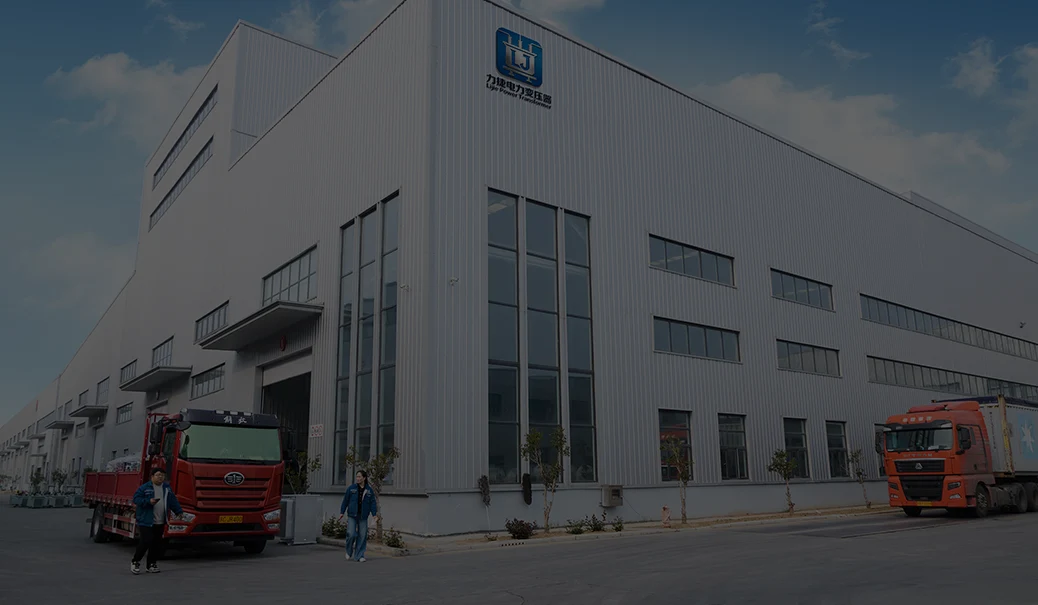
Lijie Electric Power Technology Group operates two advanced production facilities in Xuzhou and Nantong that are each 500,000 square meters in size. These facilities have high-tech manufacturing equipment and more than 160 engineering pros with advanced degrees. Our many quality approvals, such as ISO 9001:2015, CE, UL, and IEC compliance, show that we are a dependable Dry-type Transformer Factory. Our yearly production capacity helps with projects for power companies, green energy systems, and heavy industry. We provide custom solutions that meet strict technical requirements and tight delivery times. Email our team at lijieelectrical@gmail.com to talk about your project needs and find out how our engineering knowledge and high-quality manufacturing can help you reach your infrastructure goals. You can look at all of our products and technical information at lijie-electrical.com.

1.Institute of Electrical and Electronics Engineers. (2021). IEEE Standard General Requirements for Dry-Type Distribution and Power Transformers (IEEE C57.12.01-2020). IEEE Standards Association.
2.International Electrotechnical Commission. (2017). Power Transformers - Part 11: Dry-Type Transformers (IEC 60076-11:2018). IEC Central Office, Geneva.
3.National Electrical Manufacturers Association. (2019). Dry-Type Transformers for General Applications (NEMA ST 20-2019). NEMA Standards Publication.
4.Kulkarni, S.V., & Khaparde, S.A. (2020). Transformer Engineering: Design, Technology, and Diagnostics (Second Edition). CRC Press, Boca Raton.
5.Heathcote, M.J. (2018). The J&P Transformer Book: A Practical Technology of the Power Transformer (Fourteenth Edition). Elsevier Science & Technology, Oxford.
6.American National Standards Institute. (2018). Requirements for Transformers 230 kV and Below 833/958 Through 8333/10417 kVA (ANSI C57.12.00-2015). ANSI Standards Committee.
YOU MAY LIKE

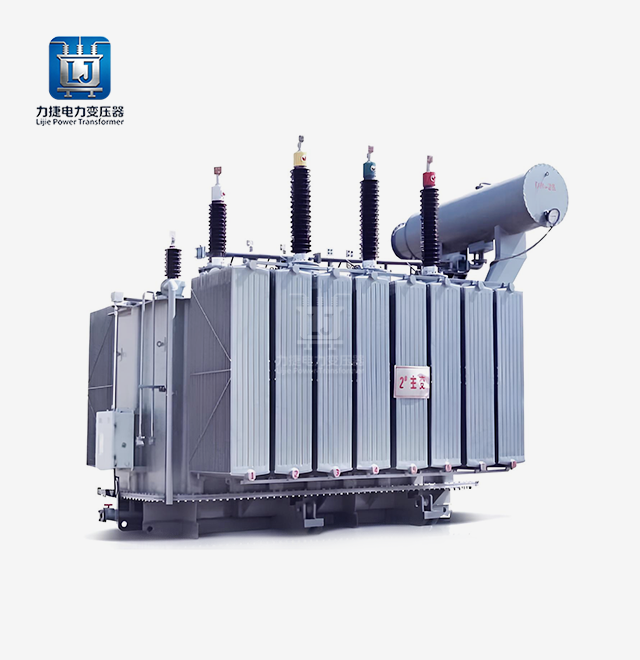


18%20type%2035KV%20power%20transformer.webp)
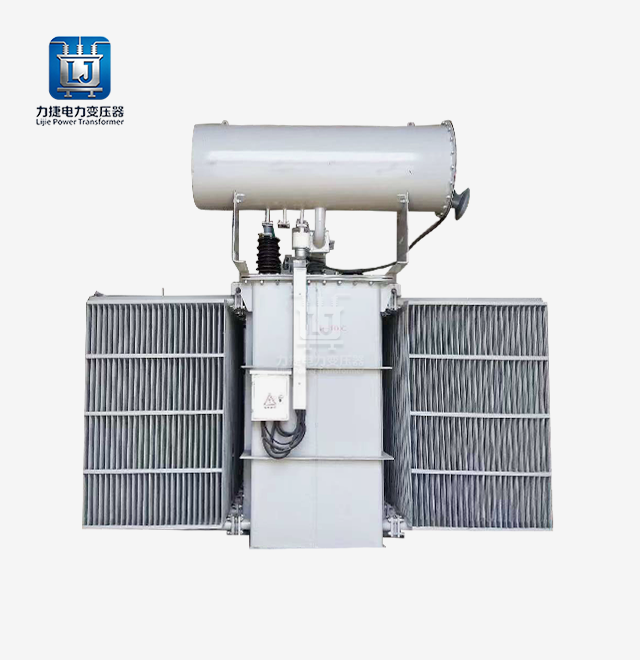

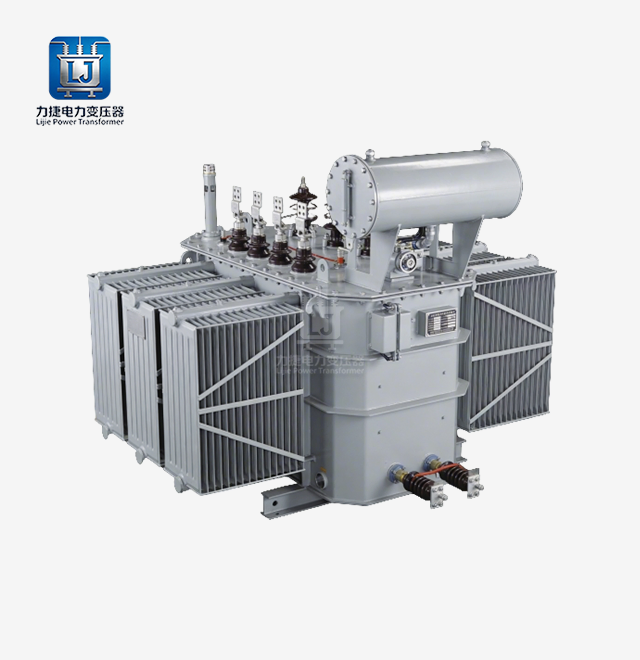
April 27, 2025
With a tight project schedule, the manufacturer delivered on time, and on-site technical personnel provided guidance throughout the entire installation and commissioning process; the collaboration was highly efficient and hassle-free.
July 2, 2025
During the preliminary phase, a selection plan was custom-tailored based on the actual site load requirements, resulting in a high degree of parameter compatibility. After-sales support responds within two hours, and ongoing technical support for operation and maintenance is comprehensive; we feel completely confident in a long-term partnership.
November 18, 2025
Deployed as a supporting component for a 35kV grid-connection project at a photovoltaic power station, the equipment operates for an average of 16 hours daily. It demonstrates excellent control over no-load losses, ensures smooth power generation and grid integration, and effectively reduces the station's overall energy consumption.
January 30, 2026
Under the continuous, high-load operating conditions of a factory production line, the equipment maintains stable electrical parameters and exhibits strong overload resistance, thereby guaranteeing an uninterrupted power supply for industrial production.
April 3, 2026
Integrated as a supporting component for a new energy photovoltaic grid-connection system, the manufacturer provided professional technical coordination and timely after-sales support, ensuring seamless adaptation to the specific electrical operating conditions required for grid integration.