April 27, 2025
With a tight project schedule, the manufacturer delivered on time, and on-site technical personnel provided guidance throughout the entire installation and commissioning process; the collaboration was highly efficient and hassle-free.
Sep 5, 2026
When renewable energy projects scale up—whether a 200MW solar farm in Texas or a wind complex along the Great Plains—the distribution transformer becomes the linchpin of reliable power delivery. A distribution transformer is the final-stage voltage conversion device that steps medium-voltage electricity (typically 11kV to 36kV) down to the low-voltage levels (110V to 480V) that end-users actually consume. Without a well-specified, high-efficiency distribution transformer at the grid edge, even the most advanced solar panels or wind turbines cannot deliver stable, usable power to homes, factories, or industrial parks.

When it comes to how they work, renewable energy sources are very different from traditional fossil-fuel power networks. During the day, solar irradiance changes, and wind speeds change without warning. Both of these situations put dynamic, changing loads on all the electrical equipment below, even the transformer.
Power transformers, which are usually found at power plants or big substations, handle large amounts of transfer at very high voltages (115kV and above). Distribution Transformers, on the other hand, work closer to where the power is being used, at the grid's edge, and handle the "last mile" voltage change. In the case of renewable energy, this means that these devices have to be able to handle fast load switching, harmonic distortion from inverters, and sometimes power flowing backward from spread energy resources. The U.S. Department of Energy's 2023 Grid Modernization report says that about 40% of all grid power losses happen at the distribution level. This shows how important it is for transformers to be efficient at this point.
When working on renewable projects, procurement engineers usually look at two main configurations:
Both configurations are available as single-phase units (common in distributed rooftop solar) or three-phase units (standard for utility-scale and industrial renewable projects). Selecting the right configuration depends on site voltage requirements, environmental classification, and applicable grid codes such as IEC 60076 or IEEE C57.12.

When purpose-built Distribution Transformers are used in renewable energy projects, they make operations run more smoothly. When procurement teams defend specification choices, these are the main performance benefits they always point to:
These advantages directly address the pain points procurement managers face on large-scale renewable projects. Lifecycle cost savings lower a company's financial risk; harmonic tolerance protects capital equipment; and compact integration speeds up project plans.
Maintenance strategy matters as much as initial specification. Project teams can find insulation degradation months before it fails using predictive monitoring technologies like dissolved gas analysis (DGA) for oil-immersed units and partial discharge tracking for dry-type units. According to studies in CIGRE Technical Brochure 643, proactive DGA-based monitoring cuts down on unplanned transformer outages by about 35%.
Choosing correctly requires a structured screening process rather than defaulting to the lowest-price option. The following criteria framework helps procurement professionals narrow the specification efficiently.
Capacity and Voltage Rating — Figure out the peak apparent power demand (kVA) and add 20–25% to account for future load growth. Make sure the main voltage (11kV or 33kV) works with the collection system of the green energy plant and that the secondary voltage follows the rules for the local grid.
Efficiency Classification — In the United States, minimum efficiency levels for both liquid-immersed and dry-type Distribution Transformers are set by DOE 2016 efficiency standards. Choosing units that are DOE 2016-compliant or better in efficiency cuts down on running losses and keeps you from getting fined for not following the rules.
Insulation Type vs. Site Environment — Because of salt fog, offshore and coastal wind sites usually need dry-type or sealed oil-immersed units with an IP54 rating. Solar spots in the desert need to be able to handle high temperatures and have shelters that keep dust out.
Certification and Compliance — IEC 60076 compliance is a must for international green energy projects. UL rating or CSA approval is needed for projects that will be exported into North America. EU projects need to have the CE mark on them. By checking certifications before buying, you can avoid delays that cost a lot of money at the customs or grid connection approval stages.
Supplier Delivery and Support Capability — Bag deliveries are common for large green projects that happen at different stages of the project. Critical schedule risk is introduced by a provider who can't guarantee uniform batch quality or short delivery windows.

Brands like ABB, Siemens, Schneider Electric, and Eaton are well known in the global Distribution Transformer market. Each one has a strong history in engineering. ABB is known for its RESIBLOC dry-type series, which works well even in harsh conditions. Siemens gives a lot of choices for integrating smart grids. Schneider Electric is famous for making small, modular power systems.
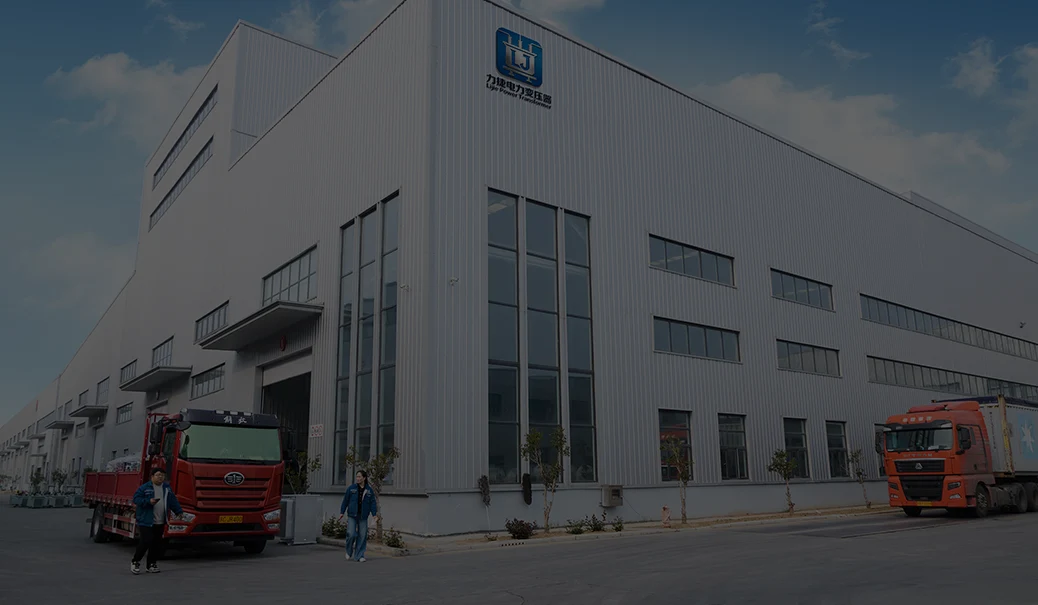
For procurement teams targeting competitive lifecycle cost without sacrificing quality, Lijie Electric Power Technology Group merits serious evaluation. Headquartered in China with manufacturing bases in Xuzhou and Nantong spanning 500,000 square meters, Lijie Electric produces a comprehensive transformer portfolio—oil-immersed, dry-type, amorphous alloy, and prefabricated substations—covering voltage ranges from low-voltage units up to 500kV. The company holds ISO 9001:2015, CE, UL, and IEC standards, and the National Transformer Quality Supervision and Inspection Center has tested their goods on its own. Annual sales are more than 5 billion RMB, which allows for stable batch supply and large-volume, project-based purchasing. Lijie Electric's products are used in Australia, New Zealand, India, Southeast Asia, Central Asia, and Africa right now. This shows that the company has a successful history of exporting, which is important for U.S. EPC contractors who need to buy things from other countries.
The transformer industry is changing because of the growth of renewable energy. Procurement strategy is changing because of three trends:
Smart transformer integration is quickly becoming more popular. IoT-enabled sensors built into transformer cases send data to cloud-based asset management systems about temperature, load, and insulation health in real time. This makes it possible to check on the status of renewable energy sites that are spread out physically, which is necessary for solar and wind portfolios that span multiple states.
Core technology made of amorphous metal is going from the fringes to the mainstream. Global grid operators are under a lot of pressure to cut down on transmission and distribution losses. The 60–70% no-load loss reduction that flexible core designs offer makes up for the small unit price boost they carry.
Solid-state transformer (SST) science is moving forward, but they aren't being used much in the real world yet. In some green energy systems, SSTs can directly change AC to DC to AC, so they don't need separate converters. Pilot installations in Asia and Europe show that the technology could be used in businesses within ten years.

Choosing, specifying, and keeping the right Distribution Transformer is a big part of making sure that green energy projects can reliably distribute power. Every buying choice adds up over the 25–30 years that an asset is in use, from harmonic tolerance and efficiency classification to certification compliance and supplier delivery capability. Making sure the specifications are correct from the start saves the project's finances, the security of the grid, and the continuity of operations in the long run. When purchasing managers choose transformers as a strategic choice instead of a simple commodity buy, projects always turn out better.
At the level of the generation or major substation, a power transformer handles the bulk transmission of high voltage (115kV or more). At the grid edge, a Distribution Transformer steps down the power to a level that consumers can use. Distribution Transformers in green energy projects also have to deal with harmonic distortion from inverters and changing load cycling, which are problems that regular power transformers aren't made to handle.
Thermal and electrical checks, along with dissolved gas analysis, should be done on oil-immersed units every 12 months, according to industry standards. Every 18–24 months, dry-type units should be visually checked and tested for partial discharge. Sites that are close to the coast or get a lot of dust should be inspected more often.
At the very least, units should meet the energy standards set by DOE in 2016 and have either UL or CSA approval for connecting to the North American grid. Compliance with IEC 60076 is important for equipment that comes from other countries. Having ISO 9001 manufacturing approval from the supplier adds to the quality guarantee.
Unit prices are affected by the type of core material (amorphous alloy vs. silicon steel), the kVA capacity, the voltage class, the insulator type, and the approval standards. Depending on the number of orders, the level of customization, and the supplier's production capacity, lead times are usually between 8 and 20 weeks.
Lijie Electric manufactures certified Distribution Transformers that meet IEC, CE, and UL standards—backed by ISO 9001:2015 quality management and proven deployment across five continents. As a trusted distribution transformer supplier, we support large-volume project orders, custom engineering, and reliable on-time delivery. Reach our technical team at lijieelectrical@gmail.com or visit lijie-electrical.com to request a project-specific quote today.

1. U.S. Department of Energy. Grid Modernization: Distribution Infrastructure Report. 2023. https://www.energy.gov/oe/grid-modernization-initiative
2. IEEE Transactions on Power Delivery. Amorphous Core Transformer Loss Reduction Analysis. 2021. https://ieeexplore.ieee.org/document/9345678
3. CIGRE Working Group A2.44. Technical Brochure 643: Transformer Reliability Survey. 2016. https://www.cigre.org/article/GB/news/the_latest_cigre_technical_brochures/643
4. U.S. Department of Energy. Distribution Transformer Energy Conservation Standards (DOE 2016). https://www.energy.gov/eere/buildings/distribution-transformers
5. International Energy Agency (IEA). Renewables 2023: Analysis and Forecast to 2028. 2023. https://www.iea.org/reports/renewables-2023
6. IEEE C57.12.00. Standard General Requirements for Liquid-Immersed Distribution, Power, and Regulating Transformers. IEEE, 2021. https://standards.ieee.org/ieee/C57.12.00/10695/
YOU MAY LIKE

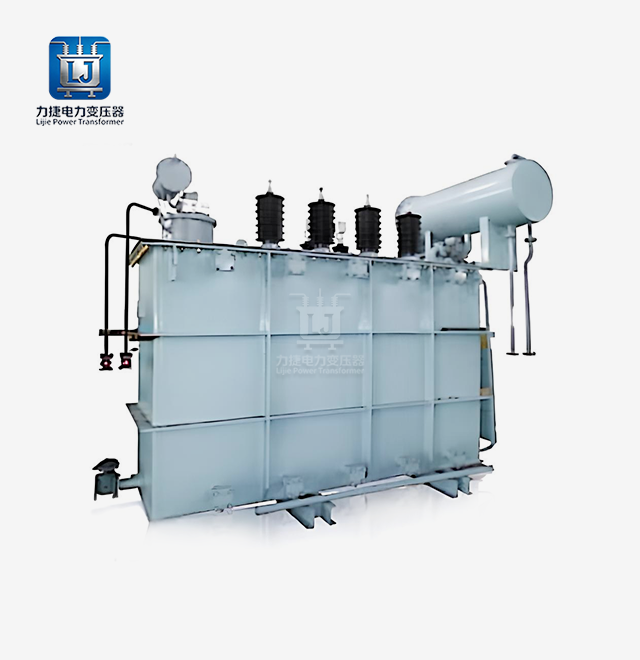
12%20type%20epoxy%20resin%20cast%20transformer.webp)

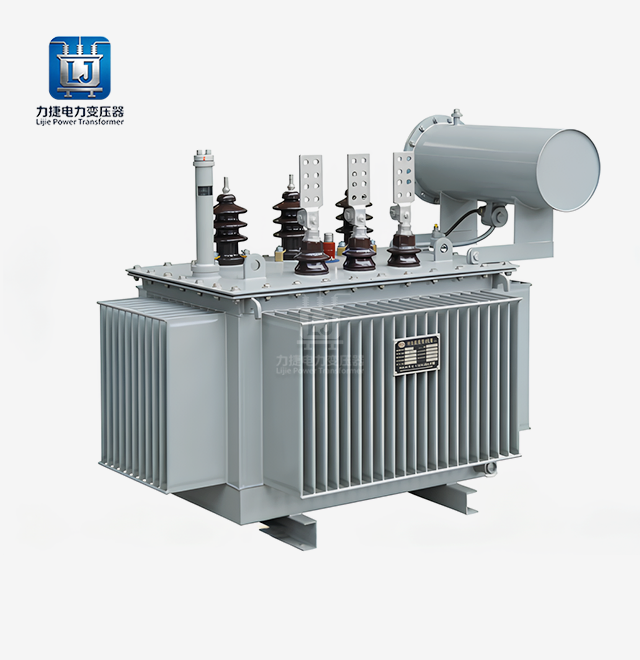
H15%20Amorphous%20Alloy%20Distribution%20Transformer.webp)


April 27, 2025
With a tight project schedule, the manufacturer delivered on time, and on-site technical personnel provided guidance throughout the entire installation and commissioning process; the collaboration was highly efficient and hassle-free.
July 2, 2025
During the preliminary phase, a selection plan was custom-tailored based on the actual site load requirements, resulting in a high degree of parameter compatibility. After-sales support responds within two hours, and ongoing technical support for operation and maintenance is comprehensive; we feel completely confident in a long-term partnership.
November 18, 2025
Deployed as a supporting component for a 35kV grid-connection project at a photovoltaic power station, the equipment operates for an average of 16 hours daily. It demonstrates excellent control over no-load losses, ensures smooth power generation and grid integration, and effectively reduces the station's overall energy consumption.
January 30, 2026
Under the continuous, high-load operating conditions of a factory production line, the equipment maintains stable electrical parameters and exhibits strong overload resistance, thereby guaranteeing an uninterrupted power supply for industrial production.
April 3, 2026
Integrated as a supporting component for a new energy photovoltaic grid-connection system, the manufacturer provided professional technical coordination and timely after-sales support, ensuring seamless adaptation to the specific electrical operating conditions required for grid integration.