12%20type%2035KV%20dry-immersed%20transformer_1778136610496.webp)
H15%20distribution%20transformer.webp)


10%20type%2035kV%20transformer.webp)

April 27, 2025
With a tight project schedule, the manufacturer delivered on time, and on-site technical personnel provided guidance throughout the entire installation and commissioning process; the collaboration was highly efficient and hassle-free.
Oct 15, 2026
A power transformer is a high-capacity static electromagnetic device that transfers electrical energy between circuits through induction, stepping voltage up or down without changing frequency. In renewable energy and utility projects, selecting the right step-up or step-down transformer directly affects grid stability, energy loss, and long-term operating costs. According to the U.S. Energy Information Administration, renewable energy accounted for 21% of U.S. electricity generation in 2023—and every megawatt-hour reaching the grid depends on properly rated transformer equipment. This guide walks through technical selection, real-world applications, maintenance essentials, and procurement strategy.
Before you compare product types, it's helpful to know what makes a transmission-grade unit different from a normal distribution device and how that difference affects the budget and timing of your project.
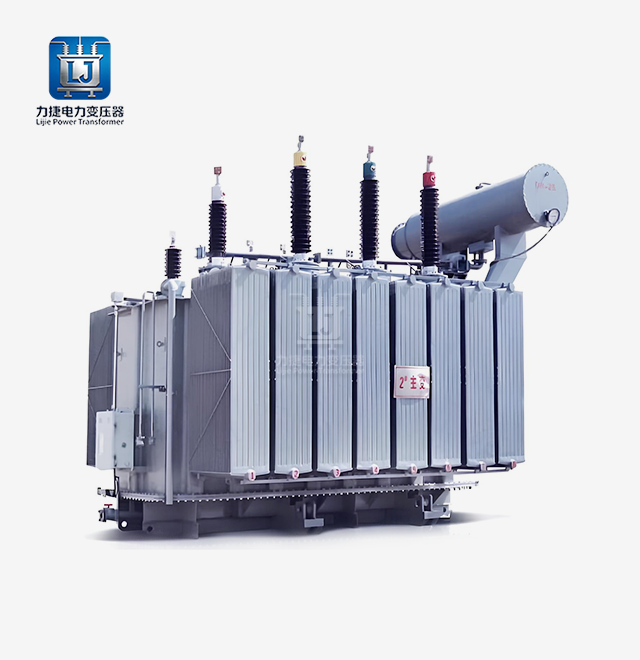
A power transformer works by using electromagnetic induction between two or more magnetically linked windings that are wound around a core made of high-permeability, grain-oriented silicon steel. Rated capacities range from 5 MVA to more than 1,000 MVA, and voltage ratios are designed to meet the needs of each substation connection. The Basic Insulation Level (BIL) tells you how resistant the unit is to lightning and switching spikes, which is a very important factor for installing utilities outside.
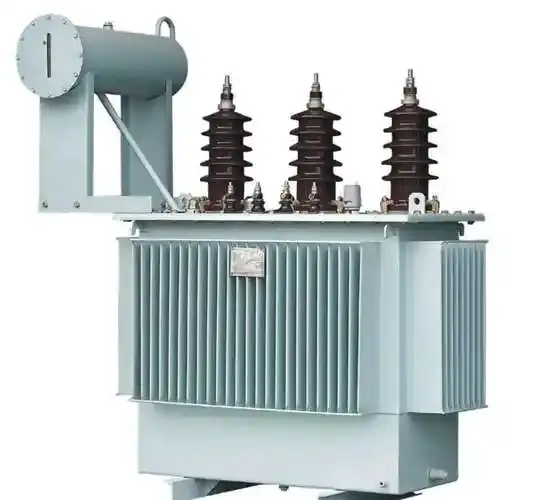
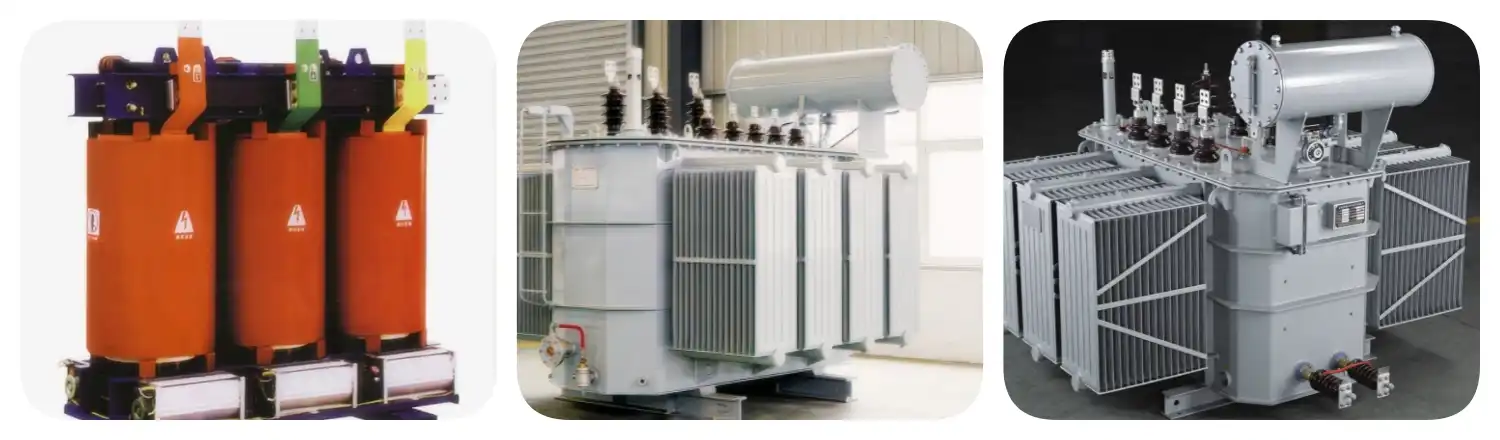
Mineral oil or manufactured ester fluid is used as both a coolant and an insulator in oil-immersed units, which can handle cooling settings from ONAN (Oil Natural Air Natural) to ONAF (Oil Natural Air Forced). They work well in open substations for high-voltage, high-capacity tasks. Dry-type transformers, on the other hand, cool themselves with air. This makes them the best choice for places where fire safety is important, like solar inverter rooms, wind turbine nacelles, and energy storage facilities.
Power transformers usually work above 33 kV and are made to be as efficient as possible when they are near or fully loaded, so I/R losses must be kept to a minimum during continuous transmission. Distribution transformers lower the voltage to levels below 35 kV for end users and are designed to handle a wide range of load patterns. It is a common and expensive mistake for procurement engineers to mix up the two groups in procurement specs. They should always avoid this.
Getting the specification right from day one prevents costly retrofit work later. The evaluation process should cover technical parameters, environmental conditions, and supplier credentials simultaneously.
Start by confirming rated capacity (MVA), primary and secondary voltage levels, impedance percentage, and vector group—the last of which determines phase displacement between windings and governs safe parallel operation of the power transformer. High ambient temperatures in desert solar sites require derating the KVA capacity to keep the hot-spot winding temperature within insulation class limits, a point often overlooked in early feasibility studies.
Here are the core decision factors when choosing between oil-immersed and dry-type units:
These factors directly affect a project's total ownership cost over a 25–40 year service life, making the initial selection decision worth careful engineering review.
Reputable suppliers hold ISO 9001:2015 quality management certification and carry IEC 60076 or IEEE C57.12.00 type-test reports from accredited third-party laboratories. CE and UL certifications matter for projects that cross regulatory jurisdictions. Lijie Electric, for example, has passed routine, type, and special tests conducted by China's National Transformer Quality Supervision and Inspection Center, and holds CE, UL, and IEC certifications covering 10 kV through 500 kV product lines.
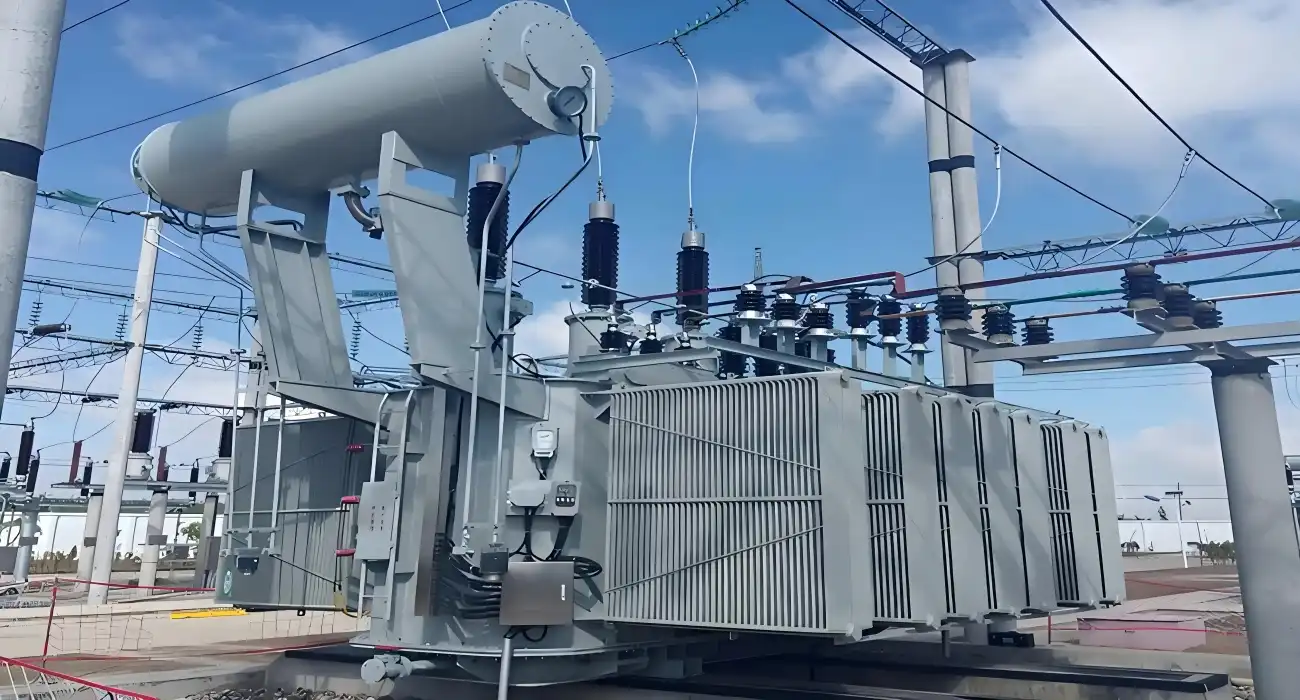
The idea can only go so far. In the real world, the following examples show how different types of transformer configurations can be used to solve certain problems in the field.
A utility-scale photovoltaic plant usually makes electricity at 600–1,500 V DC, which is then converted to 35 kV AC and stepped up to 110 kV or 220 kV for injection into the grid. In desert areas where sand entry and temperature changes are common problems, weatherproof, small transformers with IP54-rated cases are the norm. Harmonic content from switching inverters also needs low-impedance windings that are made to stay away from grid resonance.
Because the rotor speed changes, wind turbine generators make power with different frequencies and voltages. Nacelle-mounted dry-type transformers raise the output of each turbine to the collection voltage, which is usually 33 kV. For transfer to land, an oil-immersed and platform-mounted central offshore substation unit raises the voltage to 132 kV or higher. In remote environments, tanks must be made of stainless steel and nitrogen-blanketed conservators must be used to keep water out.
Steel plants and chemical factories need electric furnace transformers and rectifier transformers that can handle high-order harmonics and frequent changes in load without breaking down the insulation. In hybrid microgrid projects that use solar, wind, and battery storage, a single step-up unit needs to be able to handle power flow in both directions while keeping the output voltage stable. This is something that should be confirmed with the engineering team at the transformer supplier before the purchase is finalized.
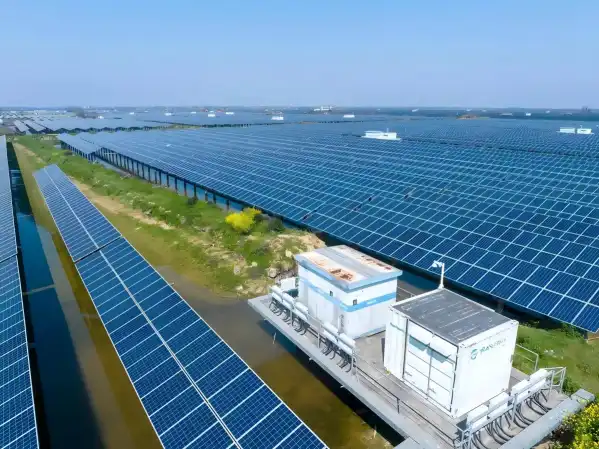
A power transformer unit from a reputable maker that is well taken care of can work safely for 25 to 40 years. Following an organized repair plan from the start will make that service life last longer.
The best tool for predicting maintenance needs is dissolved gas analysis (DGA) of insulating oil. When acetylene or hydrogen levels are high in DGA results, it means that there is internal arcing or overheating going on before any external symptoms show up. Transmission-class units should have their oil sampled once a year, but units that are working at high load factors should have their oil sampled every three months.
As part of standard starting tests, the turns ratio is checked, the insulation resistance is measured (using the Megger test), the winding resistance is checked, and the power factor of the bushing insulation is tested. These tests create a standard that field engineers can compare against during future maintenance visits to find out if the insulation is wearing out or the core clamps are loosening up.
By taking pictures of the tank's surface and radiators using thermal imaging during times of high load, cooling problems can be found before they cause insulation to break down faster. Keeping the right amount of oil in the transformer, changing the silica gel breathers as needed, and making sure the cooling fans are always working are all simple things that can have a big effect on how long the transformer lasts.
Large-scale transformer orders have long lead times—about 16 to 30 weeks for special high-voltage units in 2024—so it's not a choice to involve suppliers early on.
Giving sellers a thorough technical data sheet with information like the rated MVA, voltage ratio, BIL, cooling method, ambient temperature range, altitude, seismic zone, and any harmonic loading conditions is important. Include transformer output waveform data for places that use green energy. With this much information, the maker can get the best core and winding shape, which has a direct effect on both load and no-load losses.
Make sure the supplier can give you factory acceptance test (FAT) reports and lets a third party test with you. Lijie Electric has two production bases that are a total of 500,000 square meters in size. They have more than 160 engineers with doctoral and master's degrees working for them. Their range of products includes oil-immersed, dry-type, amorphous alloy, and premade power units. They are approved by ISO 9001:2015, IEC, CE, and UL, and they have exported to Australia, the U.S., Southeast Asia, Central Asia, and Africa.
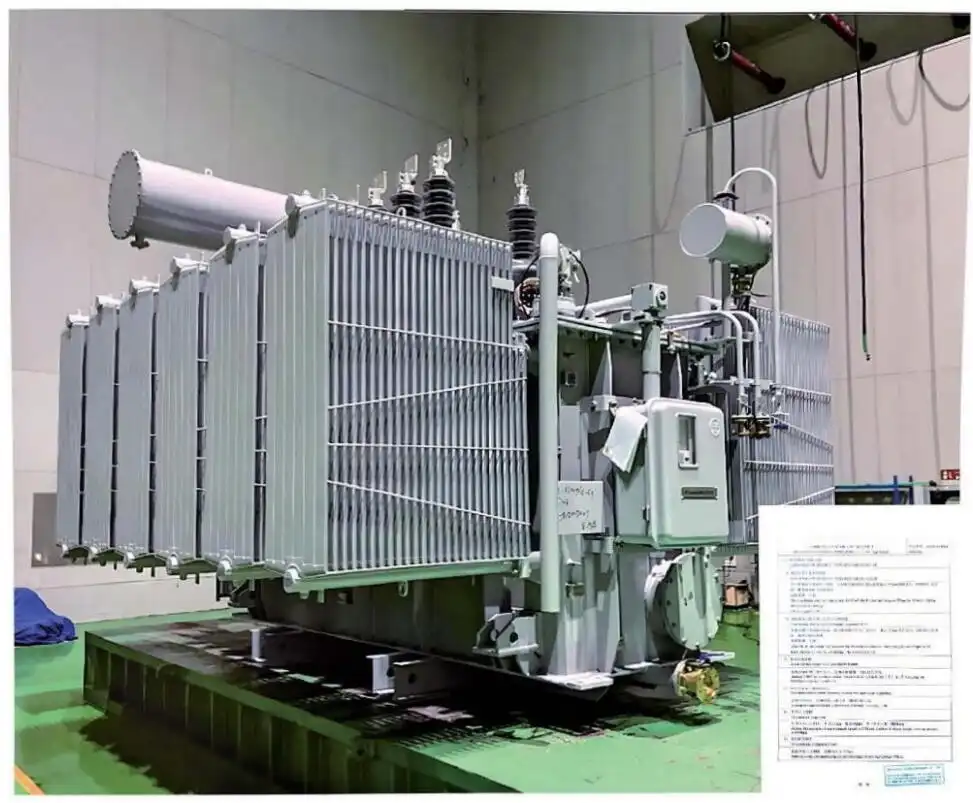
Picking and taking care of the right power transformer for integrating renewable energy or building up utility infrastructure is a choice that will have long-lasting effects on project costs, grid stability, and equipment life. The important thing is to make sure that the technical specs (like voltage ratio, BIL, cooling mode, and harmonic tolerance) match up with the conditions on the site and then work with a manufacturer that can provide consistent quality on a large scale. Whether you're working on a heavy industrial supply, a wind farm collector system, or a solar step-up application, making sure you plan carefully from the design stage all the way through to completion will pay off in the long run.
With proper DGA monitoring and thermal management, a high-quality unit typically lasts 25 to 40 years. Service life depends primarily on thermal loading history and moisture control in the insulating oil.
Choose oil-immersed units for outdoor, high-voltage, high-capacity applications where cooling efficiency is critical. Choose dry-type designs for indoor locations, environmentally sensitive sites, or where fire safety codes prohibit oil-filled equipment.
The vector group defines the phase displacement between primary and secondary windings. Mismatched vector groups between parallel-operating units cause circulating currents that can damage windings—always confirm this parameter before placing a parallel operation order.
Utility-scale projects commonly use 110 kV, 220 kV, and 500 kV transmission-class units. Renewable energy collection systems typically use 33 kV to 110 kV step-up transformers, with distribution-level units at 10 kV and 35 kV handling final local delivery.
Annual oil sampling and biennial full electrical testing are the baseline standard. Units operating at or above 80% of rated load in hot climates should be on quarterly DGA schedules.
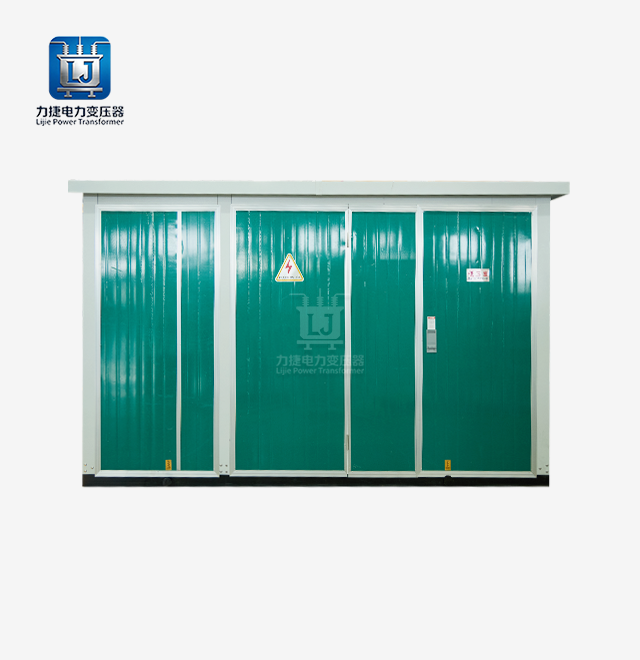
The power transformer provider you choose for your next energy project should have a proven track record of engineering depth and production capacity. From 10 kV to 500 kV, Lijie Electric has oil-immersed, dry-type, amorphous alloy, and fixed substation options. All of these come with ISO 9001:2015, IEC, CE, and UL certifications. We are ready to help you with your bulk purchasing needs. Our yearly sales are more than 5 billion RMB, and we've successfully supplied clients in four countries. For a detailed discussion, please email us at lijieelectrical@gmail.com or visit lijie-electrical.com right now.
1. IEEE Std C57.12.00-2021, IEEE Standard for General Requirements for Liquid-Immersed Distribution, Power, and Regulating Transformers, IEEE, 2021.
2. IEC 60076-1:2011, Power Transformers – Part 1: General, International Electrotechnical Commission, 2011.
3. U.S. Energy Information Administration, Electric Power Annual 2023, U.S. Department of Energy, 2024.
4. Winders, J.J., Power Transformers: Principles and Applications, Marcel Dekker, 2002.
5. Fardoun, A.A., et al., "Transformer Efficiency and Loss Minimization in Renewable Energy Systems," IEEE Transactions on Power Electronics, 2019.
6. U.S. Department of Energy, Transformers: Basics, Maintenance, and Diagnostics, Office of Electricity Delivery and Energy Reliability, 2005.
YOU MAY LIKE
April 27, 2025
With a tight project schedule, the manufacturer delivered on time, and on-site technical personnel provided guidance throughout the entire installation and commissioning process; the collaboration was highly efficient and hassle-free.
July 2, 2025
During the preliminary phase, a selection plan was custom-tailored based on the actual site load requirements, resulting in a high degree of parameter compatibility. After-sales support responds within two hours, and ongoing technical support for operation and maintenance is comprehensive; we feel completely confident in a long-term partnership.
November 18, 2025
Deployed as a supporting component for a 35kV grid-connection project at a photovoltaic power station, the equipment operates for an average of 16 hours daily. It demonstrates excellent control over no-load losses, ensures smooth power generation and grid integration, and effectively reduces the station's overall energy consumption.
January 30, 2026
Under the continuous, high-load operating conditions of a factory production line, the equipment maintains stable electrical parameters and exhibits strong overload resistance, thereby guaranteeing an uninterrupted power supply for industrial production.
April 3, 2026
Integrated as a supporting component for a new energy photovoltaic grid-connection system, the manufacturer provided professional technical coordination and timely after-sales support, ensuring seamless adaptation to the specific electrical operating conditions required for grid integration.