April 27, 2025
With a tight project schedule, the manufacturer delivered on time, and on-site technical personnel provided guidance throughout the entire installation and commissioning process; the collaboration was highly efficient and hassle-free.
Sep 20, 2026
Underground power distribution has become the backbone of modern community infrastructure. When cities expand, developers build new residential neighborhoods, and renewable energy projects multiply, the need for safe, hidden, and reliable power delivery grows in parallel. A Distribution Box / Pad Mount Transformer sits at the center of this evolution — converting medium-voltage utility power into usable low-voltage electricity for homes, businesses, and industrial facilities, all while remaining out of sight and out of harm's way. This guide walks procurement managers, electrical engineers, and project teams through everything they need to know before making a sourcing decision.
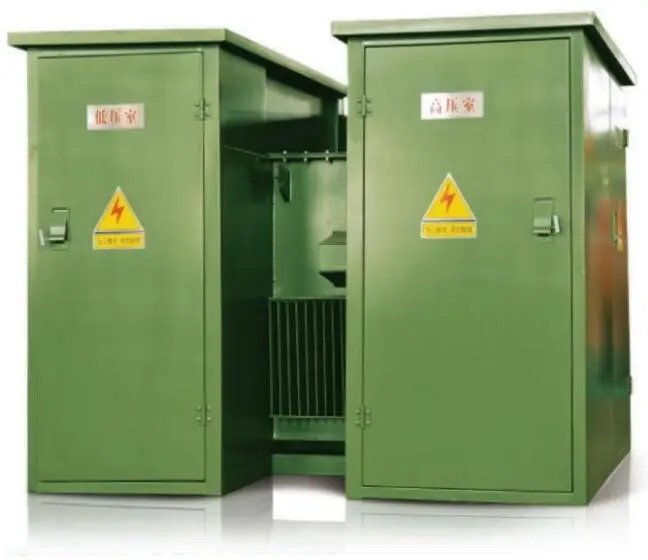
A pad-mounted transformer is an electrical device that is mounted on a concrete pad and is either liquid-filled or dry. It is housed in a steel cabinet that can't be opened and is bolted to the pad. It connects directly to underground cable networks and is the main point of contact between high-voltage utility lines (usually between 5kV and 35kV) and low-voltage circuits used by end users.
The unit has a magnetic core, wound primary and secondary coils, a sealed tank (for oil-immersed versions), and a compartmentalized enclosure that can be locked. The main switching and fuses are in the high-voltage compartment, and the secondary terminations and meters are in the low-voltage compartment. This two-cabinet plan physically divides energized areas, which makes accidental touch much less likely than with overhead options.
There are three important types of infrastructure where a Distribution Box / Pad Mount Transformer is commonly used: residential underground distribution for housing developments; commercial complexes such as hospitals and shopping centers, where footprint and appearance are important; and renewable energy integration, where a Distribution Box / Pad Mount Transformer can support voltage transformation in solar farms and wind parks. In all three applications, underground cable connections help keep electrical wiring out of sight, while a properly selected Distribution Box / Pad Mount Transformer provides a compact and reliable power distribution solution. For projects where space, safety, and visual appearance matter, choosing the right Distribution Box / Pad Mount Transformer can help create a cleaner and more practical electrical infrastructure.
Overhead pole-mounted transformers come with their own risks, such as wind damage, falling lines, and people being able to get close to them. A pad-mounted unit gets rid of these weaknesses by putting all of its powered parts inside a grounded, corrosion-resistant steel casing that is flush with the ground or sidewalk.
Here are the main benefits this equipment brings to safety and operations:
This item has a small electromagnetic footprint. Pad mount units can work in sensitive or heavily crowded electronic settings because the sealed, grounded enclosure blocks radiated interference.
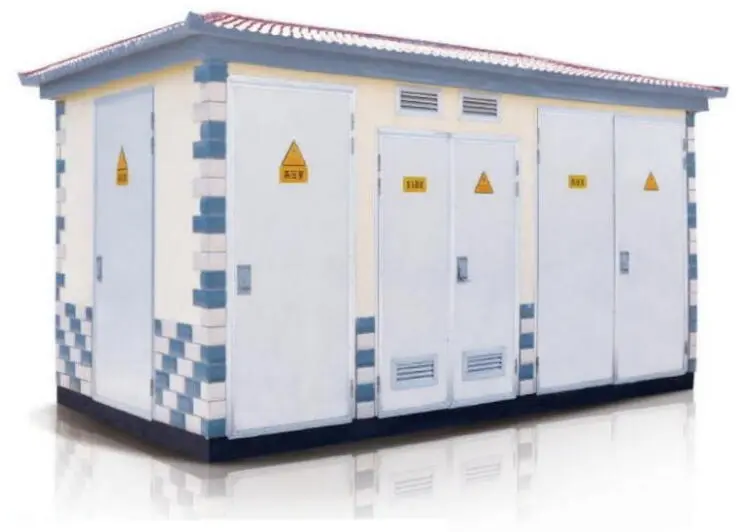
To get the most out of a pad mount transformer, it's important to install it correctly and follow a structured maintenance schedule. Most field failures are caused by bad site preparation, mistakes with wire termination, or poor oil quality, all of which can be avoided with the right procedures.
The concrete pad for a Distribution Box / Pad Mount Transformer needs to be level, strong, and properly sized to support the transformer's footprint. Before installing the Distribution Box / Pad Mount Transformer, the underground conduit entry points must align correctly with the unit's cable entry points. All primary and secondary connections should use torque-verified terminations to ensure secure electrical connections. The enclosure of the Distribution Box / Pad Mount Transformer must also be properly grounded in accordance with NEC Article 250 and the requirements of the local utility company. Proper site preparation and installation practices help ensure that the Distribution Box / Pad Mount Transformer operates safely and reliably over its service life.
For units that are filled with fluids, Dissolved Gas Analysis (DGA) on the insulating oil can detect internal arcing or heat stress early on. By taking a sample of the oil once a year and checking the state of the paint and gaskets, repair intervals can be greatly increased. For dry types, the winding insulation resistance and enclosure ventilation clearances need to be checked every so often.
Ratings for energy efficiency are very important for figuring out the lifecycle costs. Modern high-efficiency units meet or go beyond DOE 2016 guidelines, getting no-load loss reductions that save measurable amounts of energy each year across big deployments. If you choose a generator that has been certified to be highly efficient, it will lower your carbon emissions and running costs over its lifetime.
To pick between pad mount, pole mount, and distribution box configurations, you have to make sure that the technical needs match the site conditions and safety priorities.
A lot of isolated areas don't have the money or space for underground cables, so pole-mounted transformers are a good way to connect networks. They cost less up front, but they are more likely to be damaged by weather and vandals. While underground vault transformers are the most discreet option, they are very expensive to build and require a lot of complicated confined-space upkeep.
The pad-mounted unit is in the middle, which is good for most situations. It keeps the costs of digging a vault down while giving you the safety and good looks of underground power supply. Most of the time, installation only needs a prepared surface pad and cable conduits, which keeps the cost of civil work low. Access for maintenance work is still easy—technicians work at eye level and don't have to follow any special steps.
Distribution Box / Pad Mount Transformer units for community distribution usually have ratings between 75 kVA and 2,500 kVA, allowing them to supply power to everything from small groups of single-family homes to large commercial complexes. Because a Distribution Box / Pad Mount Transformer can support a wide range of applications and typically uses standardized connection interfaces, this configuration is widely selected for urban and suburban underground distribution projects in the US. For utility planners and project developers, choosing the appropriate Distribution Box / Pad Mount Transformer rating helps ensure that the system can meet current load requirements while providing flexibility for future demand. A properly specified Distribution Box / Pad Mount Transformer can therefore provide a practical and reliable solution for modern underground power distribution networks.
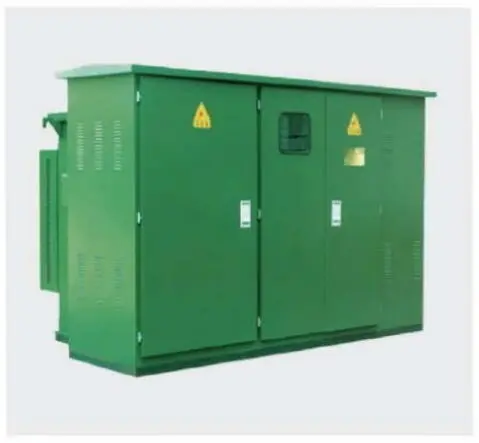
Five factors affect the choice to buy underground distribution equipment: voltage compatibility, efficiency rating, enclosure certification, customization freedom, and the ability of the seller to deliver.
The voltage ratio has to be exactly right for the end user's service needs and the distribution voltage from the local utility. If the unit has an efficiency certification from DOE, CQC, or a similar organization, it means that it meets minimum loss standards. For theft resistance, enclosures should meet ANSI C57.12.28, and for rust resistance, they should meet ASTM B117.
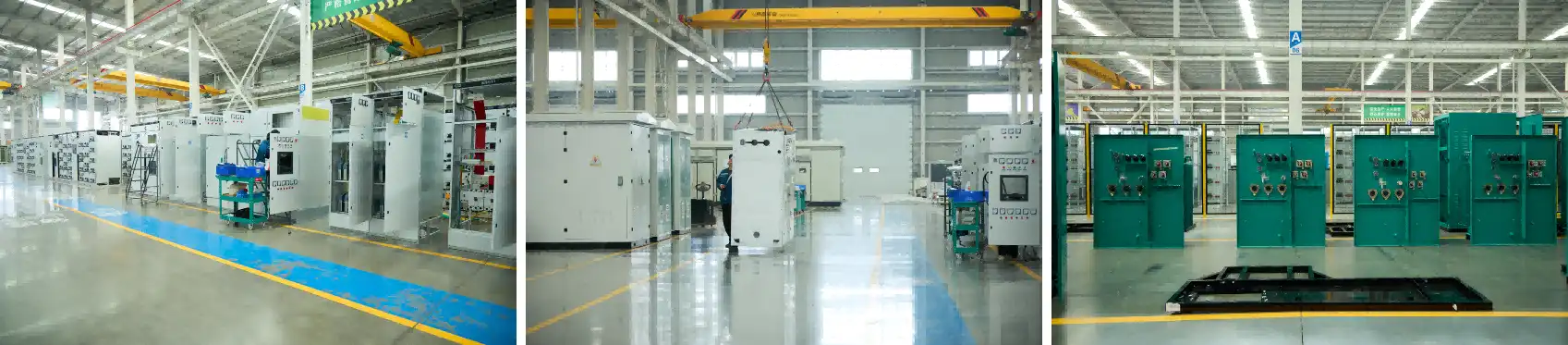
Lijie Electric makes a wide range of pad-mount and small substation options that can handle up to 35kV. These can be oil-immersed or dry-type, depending on the needs of the project. Lijie Electric is certified by ISO 9001:2015, CE, UL, and IEC. The National Transformer Quality Supervision and Inspection Center tests all of its goods regularly and by type. With manufacturing bases covering 500,000 square meters in Xuzhou and Nantong, China, and yearly sales reaching 5 billion RMB, Lijie Electric can handle large-scale project-based orders with consistent quality across batches, which is very important for EPC contractors handling rollouts across multiple sites.
For safe underground power distribution in towns and cities of all sizes, Distribution Box / Pad Mount Transformer units have earned their place as a reliable choice. Their tough covers that cannot be opened easily, ability to work with underground cables, and long service life meet the main safety and dependability needs of utility operators, developers, and industrial project managers. A properly designed Distribution Box / Pad Mount Transformer helps protect both the investment and the public when it meets voltage requirements, efficiency standards, and approved enclosure integrity. For large-scale projects, selecting the right Distribution Box / Pad Mount Transformer also helps ensure consistent performance across different installation sites. Partners that make large-scale rollout possible and reliable are those whose production capacity has been checked, who have been certified to multiple standards, and who offer quick technical support for every Distribution Box / Pad Mount Transformer installation.
Visual inspections are done once a year and usually look at the integrity of the enclosure, the condition of the gaskets, and the connections to the ground. DGA oil samples every one to three years for oil-immersed units are a good way to find internal decline early on. Checks are usually done every six months by utilities that run high-load or coastal sites.
By moving all the live parts underground and inside a locked steel box, it gets rid of the need for exposed wires above areas where people and cars can walk or drive. Line breakdowns and contact events caused by storms, which are known risks with overhead distribution, don't happen in underground systems.
Check to see if it meets ANSI/IEEE C57.12.00, ANSI C57.12.28 (for container tamper resistance), and any national economy standards that apply, like DOE 2016. For global projects, IEC 60076 and CE marking show that the product meets performance and safety standards that are known all over the world.
Yes. Units used in solar and wind installations usually need coatings that are resistant to UV light, better corrosion protection for places with a lot of salt water, and tap changer configurations to handle changing loads. Application-specific engineering is a standard option for buying from reputable manufacturers.
Lijie Electric adds to every job more than 20 years of experience making things. We are a reliable company that makes Distribution Box / Pad Mount Transformers and have ISO 9001, CE, UL, and IEC certifications. We offer unique solutions for voltages below 35kV and can supply in bulk. We also offer dedicated expert support. Ask for your project-specific quote right now. To start your meeting, go to lijie-electrical.com or email us at lijieelectrical@gmail.com.
1. IEEE Std C57.12.00 — IEEE Standard for General Requirements for Liquid-Immersed Distribution, Power, and Regulating Transformers, IEEE, 2021.
2. ANSI C57.12.28 — Padmounted Equipment — Enclosure Integrity, American National Standards Institute, 2014.
3. U.S. Department of Energy — Energy Conservation Standards for Distribution Transformers, DOE, 2016.
4. IEC 60076-1 — Power Transformers: General, International Electrotechnical Commission, 2011.
5. ASTM B117 — Standard Practice for Operating Salt Spray (Fog) Apparatus, ASTM International, 2019.
6. Electric Power Research Institute — Underground Distribution System Design Guide, EPRI, 2020.

April 27, 2025
With a tight project schedule, the manufacturer delivered on time, and on-site technical personnel provided guidance throughout the entire installation and commissioning process; the collaboration was highly efficient and hassle-free.
July 2, 2025
During the preliminary phase, a selection plan was custom-tailored based on the actual site load requirements, resulting in a high degree of parameter compatibility. After-sales support responds within two hours, and ongoing technical support for operation and maintenance is comprehensive; we feel completely confident in a long-term partnership.
November 18, 2025
Deployed as a supporting component for a 35kV grid-connection project at a photovoltaic power station, the equipment operates for an average of 16 hours daily. It demonstrates excellent control over no-load losses, ensures smooth power generation and grid integration, and effectively reduces the station's overall energy consumption.
January 30, 2026
Under the continuous, high-load operating conditions of a factory production line, the equipment maintains stable electrical parameters and exhibits strong overload resistance, thereby guaranteeing an uninterrupted power supply for industrial production.
April 3, 2026
Integrated as a supporting component for a new energy photovoltaic grid-connection system, the manufacturer provided professional technical coordination and timely after-sales support, ensuring seamless adaptation to the specific electrical operating conditions required for grid integration.