April 27, 2025
With a tight project schedule, the manufacturer delivered on time, and on-site technical personnel provided guidance throughout the entire installation and commissioning process; the collaboration was highly efficient and hassle-free.
Oct 16, 2026
When evaluating a medium voltage transformer supplier for a renewable energy project, the right partner goes far beyond simply delivering equipment on time. A qualified supplier must offer transformers engineered for variable load conditions, comply with IEC 60076 and IEEE C57.12.00 standards, and back their products with full lifecycle support. From solar farms to wind power installations, the demands placed on MV transformers are specific — and choosing a supplier who understands those demands directly affects project performance, safety, and long-term operating costs.
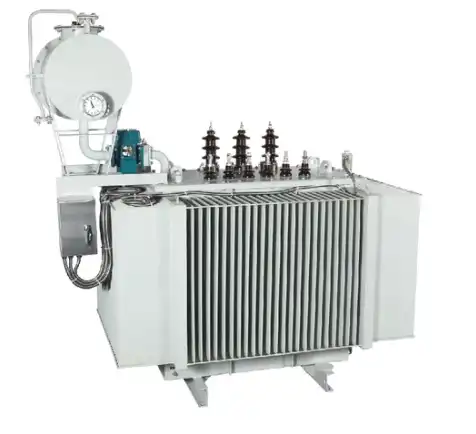
Power from renewable energy sources comes on and off. Cloud cover changes the amount of sunlight that hits the earth, and the wind speed changes every hour. Because of these conditions, distribution transformers are constantly under thermal and electrical stress. This makes choosing a provider a very difficult scientific process.
Transformers must be able to handle a lot of load and have low losses when there is no load on them. For instance, amorphous metal core transformers cut no-load losses by up to 70% compared to silicon steel core units. This is a big benefit for projects where partial-load operation is the rule and not the exception.
It is necessary for grid-connected green projects to meet the efficiency standards set out in IEC 60076, ANSI/IEEE C57.12.00, DOE 2016, and EcoDesign Tier 2. Early on in the procurement process, any supplier that can't provide certified test reports from accredited laboratories should be taken out of the running.
Help with installation, paperwork for commissioning, and an organized warranty program are not extras that can be chosen; they are basic service standards. Remote projects, like solar farms in the desert or wind parks near the ocean, need suppliers who can act quickly when problems appear.
The ability to use technology sets good suppliers apart from those who are worth working with for a long time. The right seller should have a range of products, such as dry-type cast resin transformers, oil-immersed units, and prefabricated substations, all of which are best for different types of green energy environments.
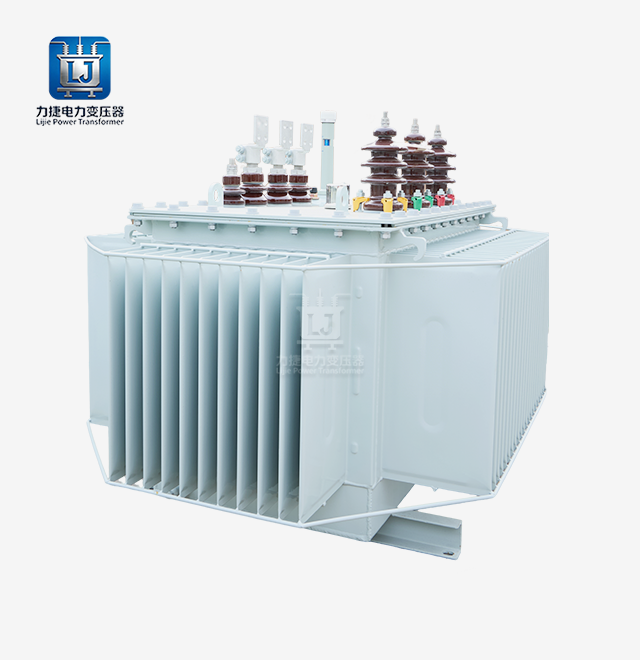
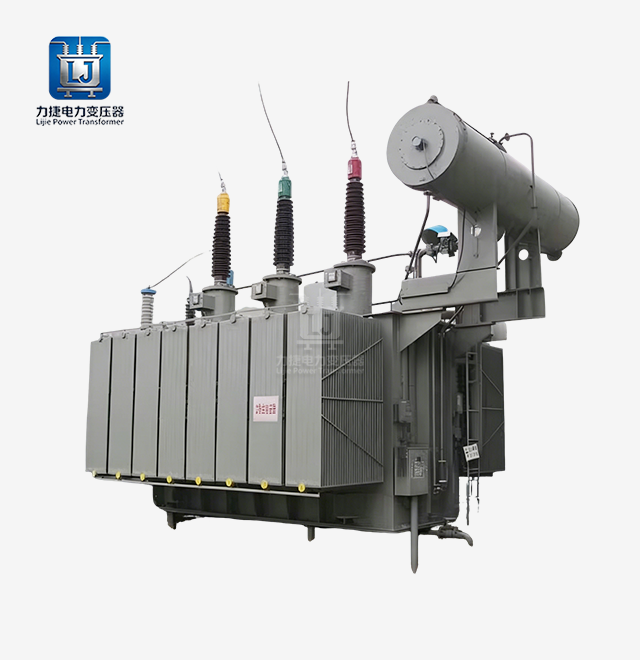
Cast resin dry-type transformers are the best choice for indoor wind turbine nacelle setups and solar inverter rooms because they don't catch fire and don't get wet. Although oil-immersed units are more expensive, they are better at cooling large open spaces. A good supplier will give you engineering advice on which option is best for your site and offer both.
Aluminum cores with grains and metal cores that are not shaped like grains have different loss profiles. Units made by suppliers using vacuum pressure impregnation (VPI) or vacuum casting have higher dielectric strength and last longer for insulation, usually 20 to 30 years in normal use with a Medium Voltage Transformer Supplier.
Leading suppliers now build temperature monitors, tracking of partial discharge, and compatibility with dissolved gas analysis (DGA) into standard product designs. With these features, engineering teams can find early warning signs of insulation degradation and plan repair work before things go wrong.
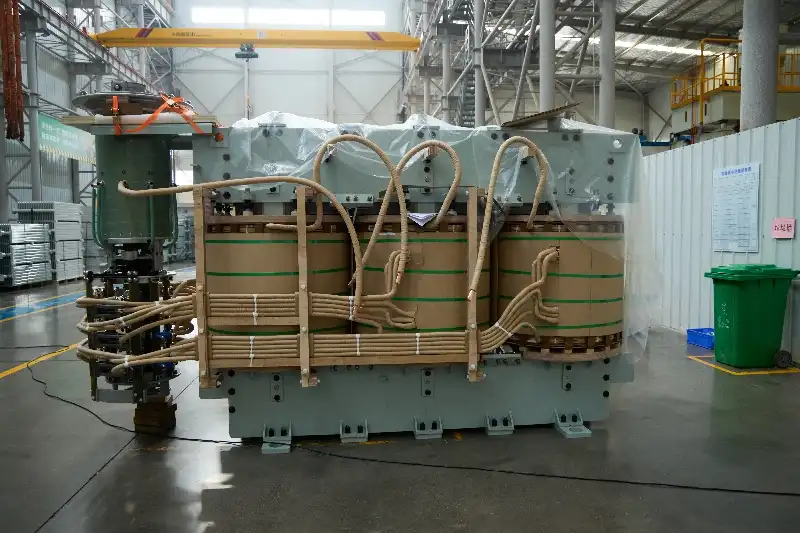
Well-known international names like ABB, Schneider Electric, Siemens, and GE each carry strong reputations in grid infrastructure. However, procurement decisions for large renewable projects increasingly look beyond brand recognition to total cost of ownership, delivery reliability, and customization flexibility.
A supplier's certification portfolio should include ISO 9001:2015, IEC compliance, CE, and UL marks at minimum. Suppliers who have passed type tests and special tests conducted by nationally recognized high-voltage research institutes provide a higher level of assurance than those relying solely on factory self-certification.
Initial unit price is only one factor. Energy savings from low-loss core designs, reduced maintenance intervals, and long warranty periods all affect total lifecycle cost. A transformer with a higher upfront cost but 30% lower no-load losses often delivers better value over a 25-year project lifespan.
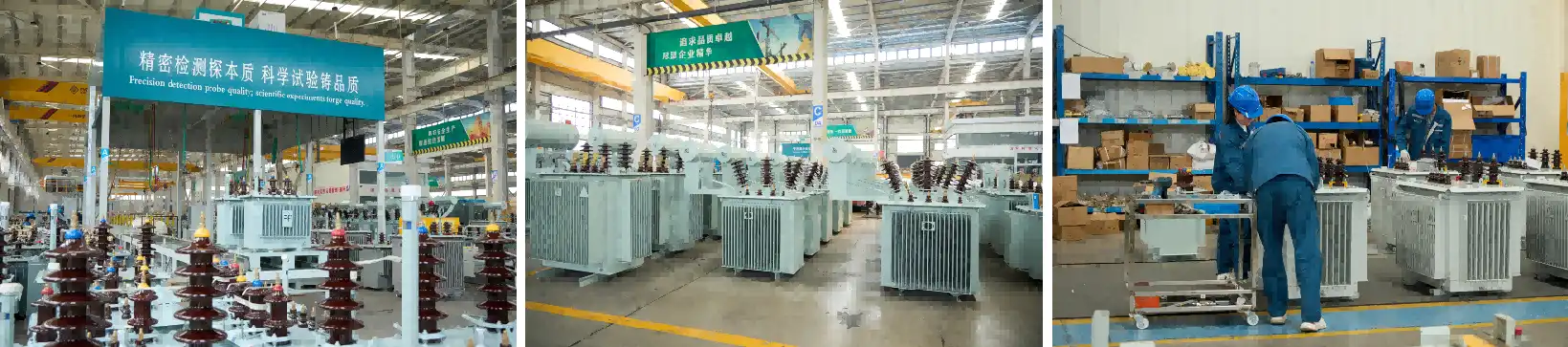
Batch supply capability matters. A supplier with a production facility covering 500,000 square meters and a workforce of over 2,000 employees — including dedicated engineering professionals — can fulfill large-volume orders on schedule without compromising quality consistency across units.
Structured buying lowers the risk. Before you send out an RFQ, be very clear about your technical requirements, such as the power level, efficiency class, insulation type, environmental grade, and certification needs. This narrows down the list of suppliers to only those who can really meet the needs of your project.
Check each possible supplier on five factors: how well their products meet technical requirements, how reliable their delivery schedule is, how much after-sales service they offer, and the price and lifecycle cost of their products. How important these factors are should depend on the risks and practical goals of your project.
Ask for actual test results from testing organizations that are known across the country. For projects in the US, it is necessary to have IEEE and ANSI certification documents from third-party labs that have been approved. It is important to check IEC 60076 compliance documents and CE/UL certificates directly with the issuing body for foreign EPC projects.
A factory audit or virtual quality review lets buying teams see directly how the production process is controlled, where the raw materials come from, and how the quality management system is put into place. Suppliers who are open to audits are more likely to always do what they say they will do on their datasheets.
An honest seller doesn't leave after delivering the goods. Services like pre-installation assessments, logistics coordination, and on-site commissioning support help keep projects on schedule and cut down on the need for expensive rework with a Medium Voltage Transformer Supplier.
Before turning on a medium voltage transformer, it should be checked to make sure that the foundation size, cable entry points, and cooling arrangements are all in line with the manufacturer's instructions. When suppliers offer detailed installation manuals and remote or on-site commissioning support, mistakes that could damage equipment during initial setup are less likely to happen.
MV transformers usually come with warranties that last between 12 and 36 months, but this depends on the seller. It's more important what the guarantee covers than how long it lasts. For oil units, it's winding faults, core stability, and sealing performance. Before you sign any buy deal, make sure you have a clear written warranty policy.
Suppliers who offer ways to upgrade software, options for retrofitting, and regular diagnostic services add measurable value over the life of a project. This kind of long-term involvement directly helps asset performance management goals for green energy projects that are meant to last 20 to 30 years.
Before you choose a provider for your green energy project, you should be honest about what they can really give you in terms of technology, logistics, and the long term. Check for verified certificates, batch production capacity that has been shown to work, low-loss core designs, and a clear structure for help after the sale. Suppliers who meet these standards lower the risk of a project, keep costs down over its lifetime, and help make grid connection more effective. Lijie Electric brings all of these traits to every job. They also have 20 years of experience making things and a product line that is designed to meet the needs of today's energy infrastructure as a Medium Voltage Transformer Supplier.
The voltage range of medium voltage transformers is usually between 1kV and 35kV. They connect high-voltage transmission lines to low-voltage distribution networks in solar, wind, and storage uses.
Ask for the original test certificates that were given by reputable testing organizations like UL, TÜV, or China's National Transformer Quality Supervision and Inspection Center. Check the validity of certificate numbers by cross-referencing them directly with the organization that issued them.
Custom units usually have lead times between 16 and 32 weeks, but this depends on how complicated the design is, how much power it needs, and how quickly the materials can be sourced.
When there is a lot of partial-load operation, no-load losses make up most of the total loss picture. When compared to regular silicon steel, amorphous alloy cores cut no-load losses by up to 70%. This means that over the life of the transformer, a lot less energy will be wasted.
You should require a Voltage Turns Ratio test, an Insulation Resistance (Megger) test, a Partial Discharge measurement (with a goal of less than 10pC for cast resin units), and a Temperature Rise test at the very least. A Dissolved Gas Analysis standard reading is also suggested for units that are filled with oil.
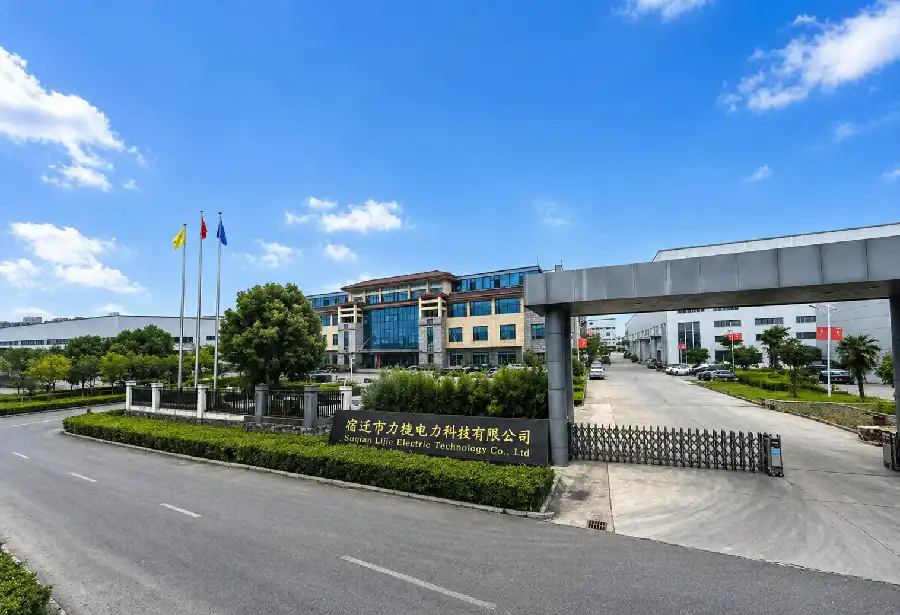
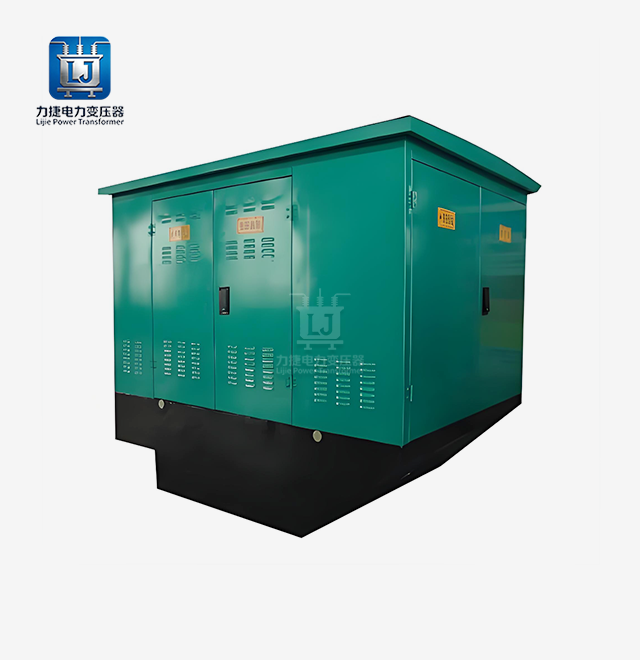
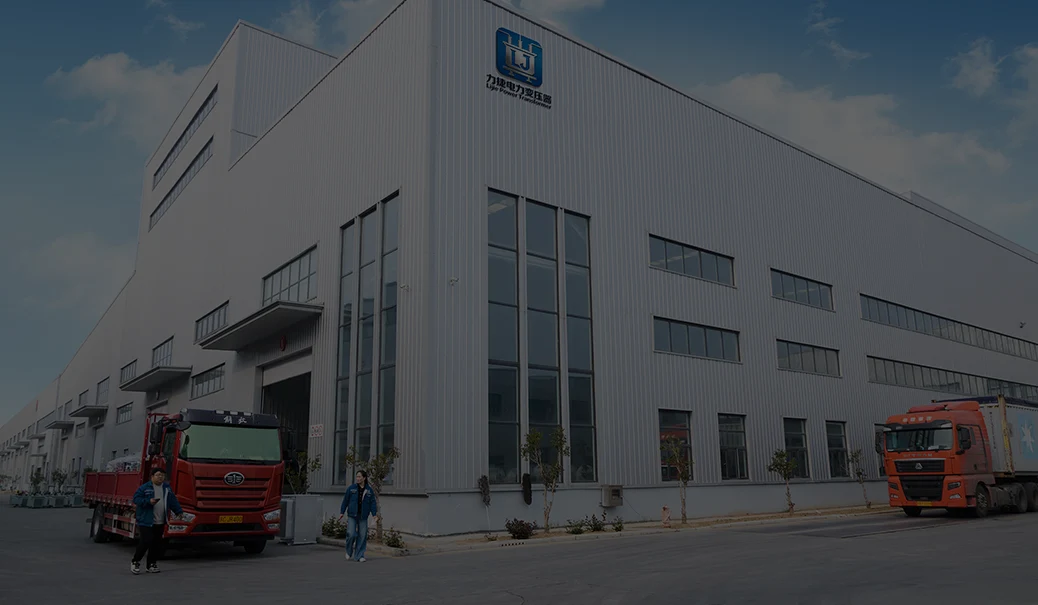
The Lijie Electric Power Technology Group makes all kinds of medium voltage transformers, such as dry-type, oil-immersed, amorphous alloy, and prefabricated substation products. These are all certified to meet the requirements of IEC, CE, UL, and ISO 9001:2015. We serve large-scale green energy projects all over the world. Our production capacity is 800,000 m², and we make more than 9 billion RMB in sales every year as a Medium Voltage Transformer Supplier. To get a technical consultation, email our engineering team at lijieelectrical@gmail.com or go to lijie-electrical.com.
1. International Electrotechnical Commission. IEC 60076: Power Transformers. IEC, 2011.
2. IEEE Power and Energy Society. IEEE C57.12.00: Standard for General Requirements for Liquid-Immersed Distribution, Power, and Regulating Transformers. IEEE, 2021.
3. U.S. Department of Energy. Energy Conservation Standards for Distribution Transformers. DOE, 2016.
4. National Renewable Energy Laboratory (NREL). Transformer Efficiency and Performance in Utility-Scale Solar PV Applications. NREL Technical Report, 2019.
5. European Commission. EcoDesign Regulation (EU) 2019/1783: Energy-Related Products — Transformers. Official Journal of the European Union, 2019.
6. Wood Mackenzie. Global Medium Voltage Equipment Market Outlook: Renewable Integration and Grid Infrastructure Demand. Wood Mackenzie Power & Renewables, 2023.
YOU MAY LIKE
H15%20type%20three-phase%20fully%20sealed%20distribution%20transformer.webp)
11%20Epoxy%20Resin%20Cast%20Dry-Type%20Transformer.webp)


April 27, 2025
With a tight project schedule, the manufacturer delivered on time, and on-site technical personnel provided guidance throughout the entire installation and commissioning process; the collaboration was highly efficient and hassle-free.
July 2, 2025
During the preliminary phase, a selection plan was custom-tailored based on the actual site load requirements, resulting in a high degree of parameter compatibility. After-sales support responds within two hours, and ongoing technical support for operation and maintenance is comprehensive; we feel completely confident in a long-term partnership.
November 18, 2025
Deployed as a supporting component for a 35kV grid-connection project at a photovoltaic power station, the equipment operates for an average of 16 hours daily. It demonstrates excellent control over no-load losses, ensures smooth power generation and grid integration, and effectively reduces the station's overall energy consumption.
January 30, 2026
Under the continuous, high-load operating conditions of a factory production line, the equipment maintains stable electrical parameters and exhibits strong overload resistance, thereby guaranteeing an uninterrupted power supply for industrial production.
April 3, 2026
Integrated as a supporting component for a new energy photovoltaic grid-connection system, the manufacturer provided professional technical coordination and timely after-sales support, ensuring seamless adaptation to the specific electrical operating conditions required for grid integration.