April 27, 2025
With a tight project schedule, the manufacturer delivered on time, and on-site technical personnel provided guidance throughout the entire installation and commissioning process; the collaboration was highly efficient and hassle-free.
Sep 30, 2026
Choosing the right oil-immersed transformer supplier shapes the operational reliability of your power infrastructure for decades. Whether you manage a regional utility grid, run a steel plant, or oversee a large-scale solar integration project, the liquid-filled transformer at the core of your system must deliver consistent voltage regulation, thermal stability, and a service life measured in 25 to 35 years. This guide walks through what separates a dependable manufacturer from a generic reseller, giving procurement engineers and project managers a clear path toward making a defensible, long-term sourcing decision with an Oil-Immersed Transformer Supplier.
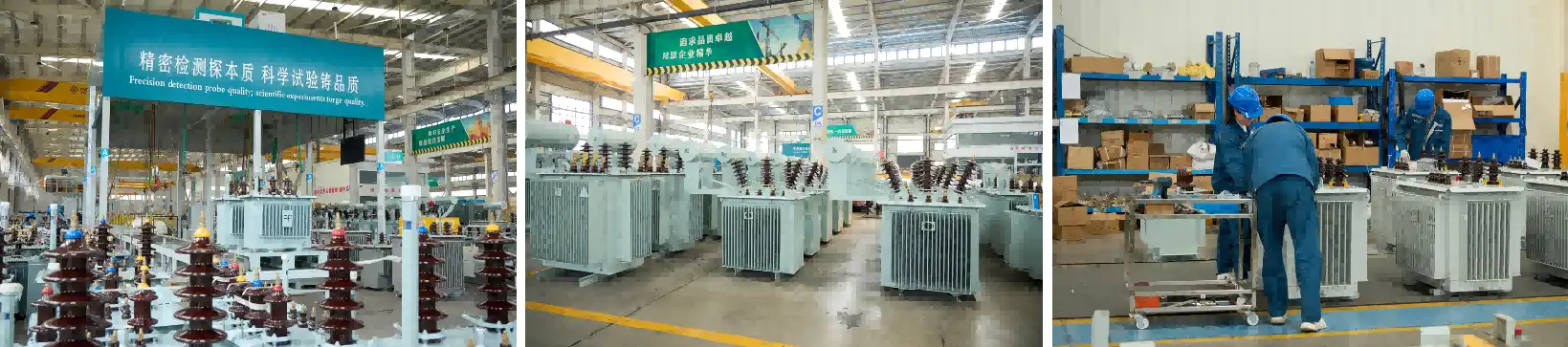
An oil-immersed transformer submerges its core and copper windings in insulating dielectric fluid—typically mineral oil or biodegradable synthetic ester. The fluid transfers heat away from the active parts through natural convection (ONAN) or forced-air cooling (ONAF), while simultaneously providing dielectric isolation between high-voltage conductors. This dual function allows the units to carry far heavier loads than air-cooled alternatives of the same physical footprint.
Dry-type units work well in indoor, low-humidity environments below 35kV. Oil-immersed designs, however, handle voltages from distribution class (10kV–35kV) all the way up to 500kV and beyond. According to IEC 60076, properly maintained oil-filled units sustain breakdown voltages exceeding 30 kV per 2.5 mm gap, making them the standard choice for outdoor substations, heavy industrial complexes, and utility transmission networks where ambient conditions vary widely.
Core materials matter. High-permeability CRGO (Cold Rolled Grain Oriented) silicon steel reduces no-load losses, while high-purity electrolytic copper windings lower load losses and improve short-circuit withstand capability. Together these material choices directly affect lifecycle energy cost—a factor that often exceeds the original purchase price over a 30-year service horizon. Aligning kVA rating, vector group, impedance percentage, and cooling class with your specific application requirements before issuing a purchase order avoids costly retrofits later.
A reliable company that makes liquid-filled transformers has at least ISO 9001:2015 Quality Management System approval and IEC 60076 type-test records from a third-party lab that has been approved by the company. For projects going to the US market or being exported, both UL and CE marks are required. These are not marketing materials; they are proof that the supplier's production method meets safety and efficiency standards that are known around the world. Always ask for the real test results, not just the certificates, and check out the organization that issued the reports on your own.
Different uses call for different transformer configurations. A mine transformer has to be able to handle electrical dust and environments that are bad for metals. A step-up unit for a wind farm needs to be able to handle changing power inputs without getting too hot. Ask possible suppliers directly: Is it possible for them to engineer to your voltage class, vector group, and environmental rating? Do they have their own plant floor, or do they hire other people to do the assembly? Suppliers with their own research and development teams and well-documented engineering processes are more likely to keep their lead times and batch quality promises than trading companies that act as middlemen with an Oil-Immersed Transformer Supplier.
Spot purchases rarely work for big building projects. When purchasing large amounts of distribution transformers, procurement managers need a partner who can stick to framework deals, guarantee delivery windows, and keep extras on hand in case they need to repair something quickly. If you want to make a lot of changes to a 2,500 kVA unit, the wait time is usually between 12 and 20 weeks. Suppliers with large annual revenues and good financial health are better able to handle changes in material costs without adding sudden fees to the buyer in the middle of a contract.
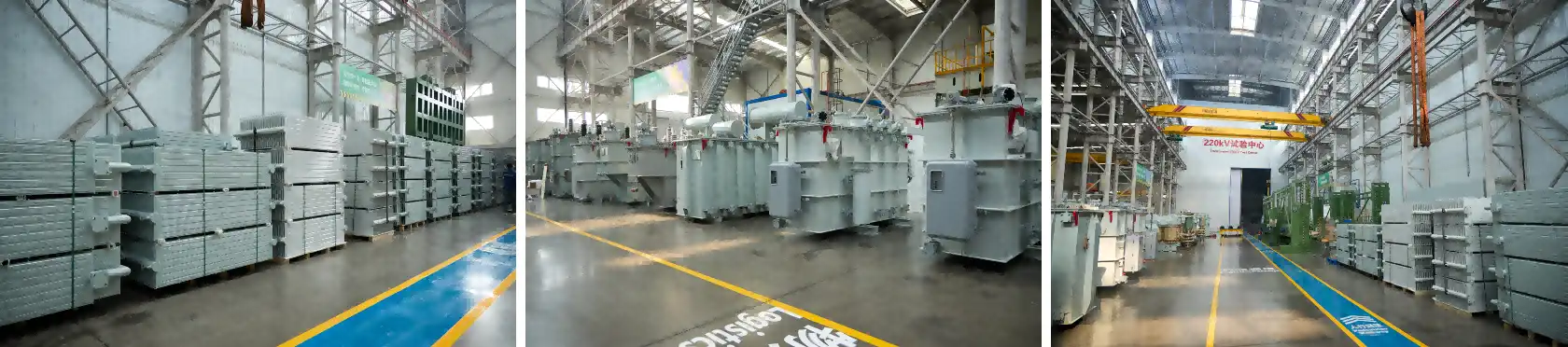
Fortune Business Insights (2023) says that grid modernization and renewable energy integration will drive the global power transformer market to reach USD 52.7 billion by 2030. In 2022, the market was worth about USD 30.7 billion. Manufacturers in this market range from large global companies to specialized mid-sized companies. Each level is used for a different kind of buying. Multinational brands cost more than local brands, but local brands often have better technical performance, shorter lead times, and faster engineering response.
Here are the main cost factors you should look at before choosing a supplier:
If you look at these three factors together, you won't make the common mistake of going with the lowest price while minimizing the costs of doing business later on. Most of the time, the best overall value per unit comes from a provider with low no-load losses and strong service infrastructure.
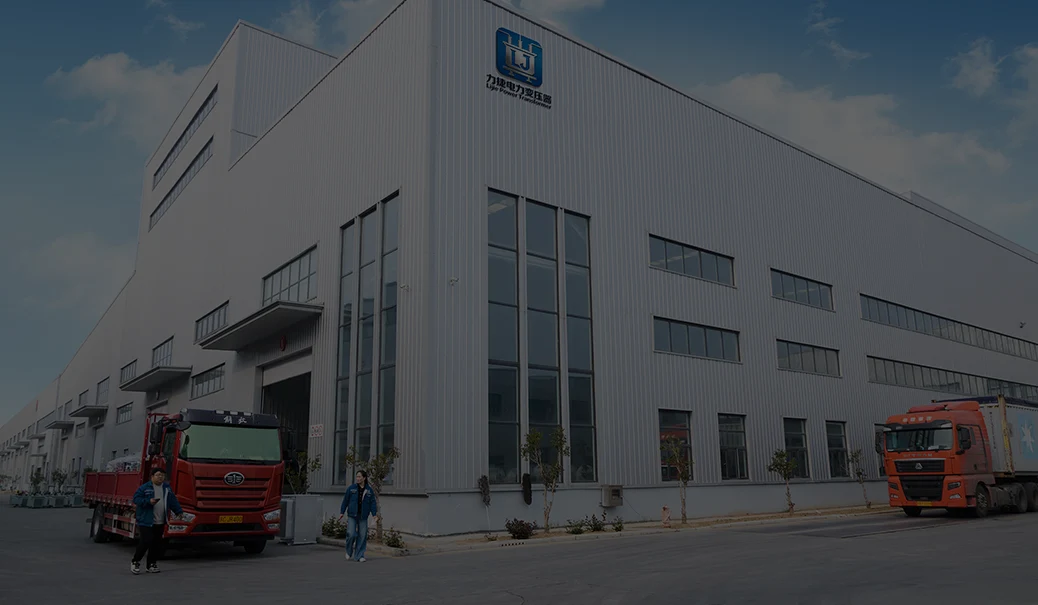
The Lijie Electric Power Technology Group has two factories in Xuzhou and Nantong, China, that are spread out over 500,000 square meters and make more than 5 billion RMB a year. It sells 10kV distribution units to 500kV ultra-high-voltage transformers, such as electric furnace transformers, rectifier transformers, mine transformers, and small substations that are already built. The National Transformer Quality Supervision and Inspection Center did regular, type, and special tests on all of the goods and they all passed. The CE, UL, ISO 9001:2015, and IEC certifications are all up-to-date and can be checked, which makes Lijie a suitable oil-immersed transformer provider for both domestic and international purchases.
The best way to find problems early is to test the insulator oil for dissolved gas analysis (DGA) once a year. High levels of hydrogen or acetylene show that there is activity inside the arc before it breaks. In addition to DGA, you should check the dielectric strength once a year and visually check for oil leaks every three months at the points where gaskets and radiators meet with an Oil-Immersed Transformer Supplier.
Mineral oil is still the standard in the business, but FR3 natural ester fluid, which comes from plants, has a higher fire point (above 300°C vs. about 160°C for mineral oil) and can be broken down completely in nature. Ester-filled units may meet both environmental and insurance standards for placements near water sources or in areas that are prone to fire. Robotically welded tank gaps and NBR/cork-rubber gaskets, which are checked for leaks during final assembly by vacuum leak testing, are used by high-quality makers to stop leaks.
The National Electrical Code (NFPA 70) and ANSI/IEEE C57.12.00 say that transformers sold in the US must meet certain standards. Installations in workplace settings also need ceiling guidelines that are in line with OSHA. Buying from a company that proves they follow these rules instead of just saying they do saves asset owners from risk and speeds up regulatory approval during commissioning.
Before you sign a big deal, ask for an audit of the plant or a report from a third-party inspector. Make sure the seller has quality control steps for core lamination, winding assembly, final oil filling, and high-voltage testing.
Suppliers who welcome factory visits show that they are honest, while those who refuse such requests should be looked at more closely.
When an industrial park project in Southeast Asia switched to a single-source generator partner with dedicated technical account managers, the time it took to buy things dropped by 22%. The supplier sent pre-engineered drawings that worked with the park's existing switchgear. This saved weeks of design changes that had to be made back and forth. This result shows that a responsive supplier and a deep understanding of technology often provide more measurable value than a small price cut.
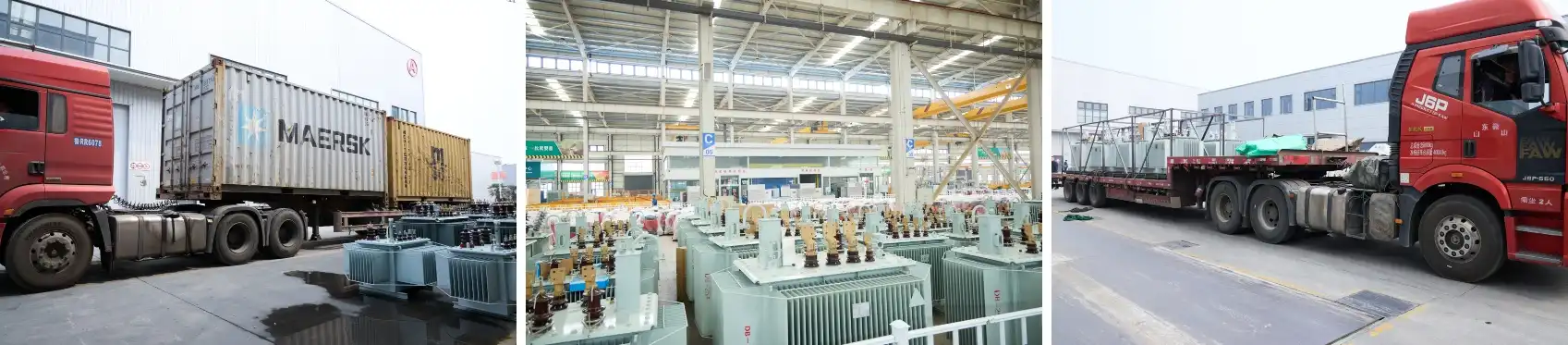
It's not a one-time deal to choose a liquid-filled transformer maker; it's an ongoing engineering relationship. Check certifications on your own, look at lifecycle costs instead of just the purchase price, and give more weight to sellers who have shown they can customize and have clear production methods. It is less risky to buy something when these criteria match the track record of the manufacturer. It is also more reliable to use for the full 25–35-year life of the asset with an Oil-Immersed Transformer Supplier.
Units from a qualified liquid-filled transformer maker can usually last 25 to 35 years with regular upkeep, such as testing the DGA oil once a year and doing visual checks. The two things that have the most impact on actual service life are thermal management and load profile.
Do not ask for a copy of the award; instead, ask for the original test results. Check the granting lab's accreditation number on your own by going to the appropriate national accreditation body (for example, ILAC members for IEC tests or UL's own verification site for UL listings).
For a normal 2,500 kVA distributing unit, it takes between 12 and 20 weeks to get it. For mine or furnace uses, custom-engineered versions may take 20 to 28 weeks. Before signing a project timeline, make sure that production slots are available.
Yes, you can get FR3 natural ester fluid from most well-known companies that make oil-immersed transformers. It has a fire point above 300°C and breaks down completely in nature, so it can be used in areas that are sensitive to the environment or that are limited in terms of fire safety.
MOQ is different for each supplier and unit rating. A lot of medium-sized to large makers are willing to take orders for just one unit for pilot projects, and they offer different prices for framework deals that cover 20 or more units per year.
Engineer-to-order transformer solutions from Lijie Electric Power Technology Group are used in industrial, ultra-high-voltage, and distribution applications. We have over 2,000 professionals working for us and are certified by ISO 9001:2015, CE, UL, and IEC. We support long-term buying partnerships that are based on technical depth and production scale with an Oil-Immersed Transformer Supplier. Talk to our engineering team about your project details right away, get a competitive quote, or visit lijie-electrical.com to see all of our products. You can email us at lijieelectrical@gmail.com, and we'll get back to you within one business day.
1. Fortune Business Insights. Power Transformer Market Size, Share & Industry Analysis. 2023.
2. International Electrotechnical Commission. IEC 60076: Power Transformers — General. 2011.
3. IEEE Standards Association. ANSI/IEEE C57.12.00: Standard for General Requirements for Liquid-Immersed Distribution, Power, and Regulating Transformers. 2021.
4. National Fire Protection Association. NFPA 70: National Electrical Code. 2023.
5. Bartley, W. H. Analysis of Transformer Failures. International Association of Engineering Insurers (IMIA), 2003.
6. ABB Power Grids. Transformer Handbook: Design, Operation, and Maintenance of Power Transformers. 4th ed., 2016.
April 27, 2025
With a tight project schedule, the manufacturer delivered on time, and on-site technical personnel provided guidance throughout the entire installation and commissioning process; the collaboration was highly efficient and hassle-free.
July 2, 2025
During the preliminary phase, a selection plan was custom-tailored based on the actual site load requirements, resulting in a high degree of parameter compatibility. After-sales support responds within two hours, and ongoing technical support for operation and maintenance is comprehensive; we feel completely confident in a long-term partnership.
November 18, 2025
Deployed as a supporting component for a 35kV grid-connection project at a photovoltaic power station, the equipment operates for an average of 16 hours daily. It demonstrates excellent control over no-load losses, ensures smooth power generation and grid integration, and effectively reduces the station's overall energy consumption.
January 30, 2026
Under the continuous, high-load operating conditions of a factory production line, the equipment maintains stable electrical parameters and exhibits strong overload resistance, thereby guaranteeing an uninterrupted power supply for industrial production.
April 3, 2026
Integrated as a supporting component for a new energy photovoltaic grid-connection system, the manufacturer provided professional technical coordination and timely after-sales support, ensuring seamless adaptation to the specific electrical operating conditions required for grid integration.