April 27, 2025
With a tight project schedule, the manufacturer delivered on time, and on-site technical personnel provided guidance throughout the entire installation and commissioning process; the collaboration was highly efficient and hassle-free.
Oct 16, 2026
Yes — a medium voltage transformer can absolutely deliver stable, consistent power to high-demand manufacturing facilities. Operating within the 2.4 kV to 35 kV range, these units bridge the gap between utility transmission lines and plant-level equipment. They handle heavy industrial loads, protect sensitive downstream systems through galvanic isolation, and reduce line losses across local distribution networks. When properly sized and maintained, a medium voltage transformer supports continuous production cycles spanning 25 to 30 years, making it a sound long-term investment for any facility where power interruption carries serious financial consequences.
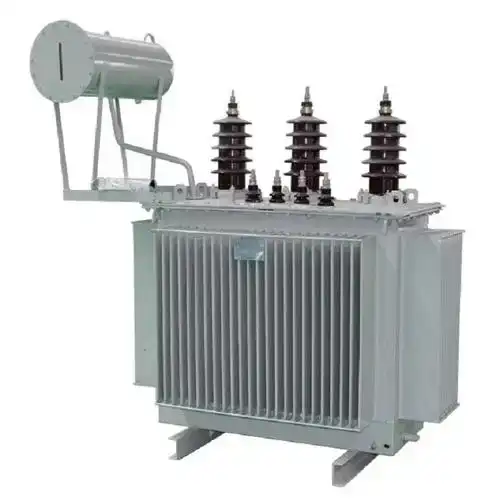
You should know what these units do and why they're important on the plant floor before you choose a power distribution solution.
A medium voltage transformer steps down the voltage from what utilities send to amounts that industrial equipment can easily use. Its range of operation is from 2.4 kV to 35 kV. These transformers are different from low-voltage units because they have grain-oriented silicon steel cores, special winding configurations, and advanced cooling systems that are made to work with heavy loads for a long time. They meet strict IEC 60076 and IEEE C57.12.00 standards, which means they work at a level that low-voltage units just can't match.
One thing that all steel plants, chemical factories, car assembly lines, and mining activities need is power that doesn't go out. A good power distribution transformer changes the voltage from the power source into useful plant-level current and stops electrical spikes that could hurt motors, drives, and control systems. The U.S. Department of Energy says that about 32% of all electricity used in the U.S. comes from industrial facilities. Stable voltage conversion at the distribution level protects that energy investment directly.
Standard distribution transformers can handle loads in homes or small businesses. The short-circuit strength of medium voltage units is much higher, the partial discharge levels are lower (usually below 10 pC), and the Basic Insulation Level (BIL) rates are higher, so they can handle lightning bursts and switching transients. Because of these qualities, they are the best choice in places where load patterns change quickly and where downtime costs thousands of dollars every hour.
Evaluating performance is not something that you do just once. When the procurement and tech teams know the key measures, they can make smart decisions before committing to a unit.
Voltage control (ideally below 4%), load losses at full capacity, and cooling class grade are the main things you should look at in a medium voltage transformer. It doesn't matter if the facility has nonlinear loads like variable frequency drives or rectifier banks; the K-factor grade is still important. If a transformer has the right K-factor and electrostatic shielding between the primary and secondary windings, it can handle harmonic distortion without the insulation wearing out faster.
Most unexpected power outages are caused by three types of failure: overheating from inadequate cooling, insulation breakdown from long-term thermal stress, and load surges from quick motor starts. According to data from the IEEE C57.104 Dissolved Gas Analysis (DGA), temperature problems are the main reason why transformers fail in industrial settings. This risk is greatly lowered by choosing a unit with enough cooling space and thermal safety switches.
When fire safety is important inside, dry-type (cast resin) units work well, which makes them perfect for plant areas that are closed off. Oil-immersed units are better at getting rid of heat and are usually cheaper for bigger outdoor setups. If the load profile is properly matched to either arrangement, it will provide the voltage stability needed for ongoing production.
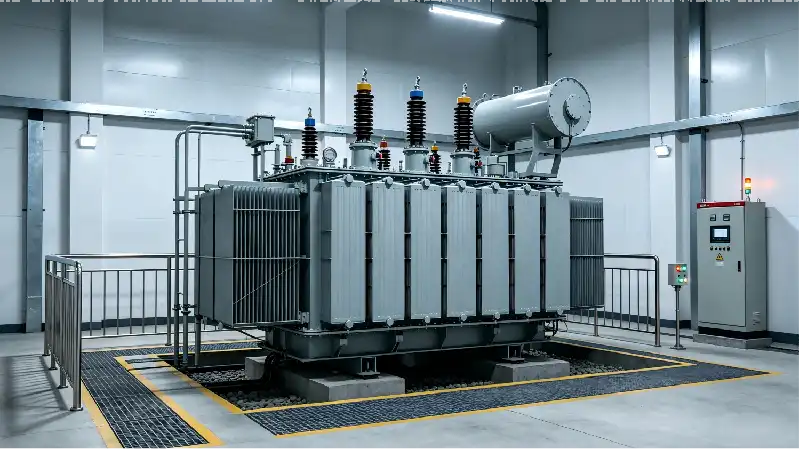
When installation and upkeep aren't done right, even the best-specified transformer won't work as well as it should. The gaps in the following practices are filled.
These are the main operating rules that have a direct effect on long-term stability:
All of these steps lower the total cost of ownership over the life of the transformer by reducing unplanned downtime and increasing the time between major service intervals.
It takes more than meeting the nameplate voltage to choose the right medium voltage transformer. The final choice is based on the load profile, the environment, and the stability of the supply system.
The most expensive mistake a project manager can make is getting a transformer that is too small. With a safety margin of 15% to 20% above the calculated maximum load, the unit must be able to handle peak demand. Units with low resistance and high short-circuit withstand ratings are needed in places where motors start up or arc furnaces work a lot.
When installed outside in humid areas, near the coast, or at elevations above 1,000 meters, BIL ratings and cooling capacity need to be changed in certain ways. It is a normal IEC condition that derating for altitude must be used during specification. It is necessary for all facilities, both in the U.S. and abroad, to meet the requirements of IEEE, IEC, CE, and UL certifications.
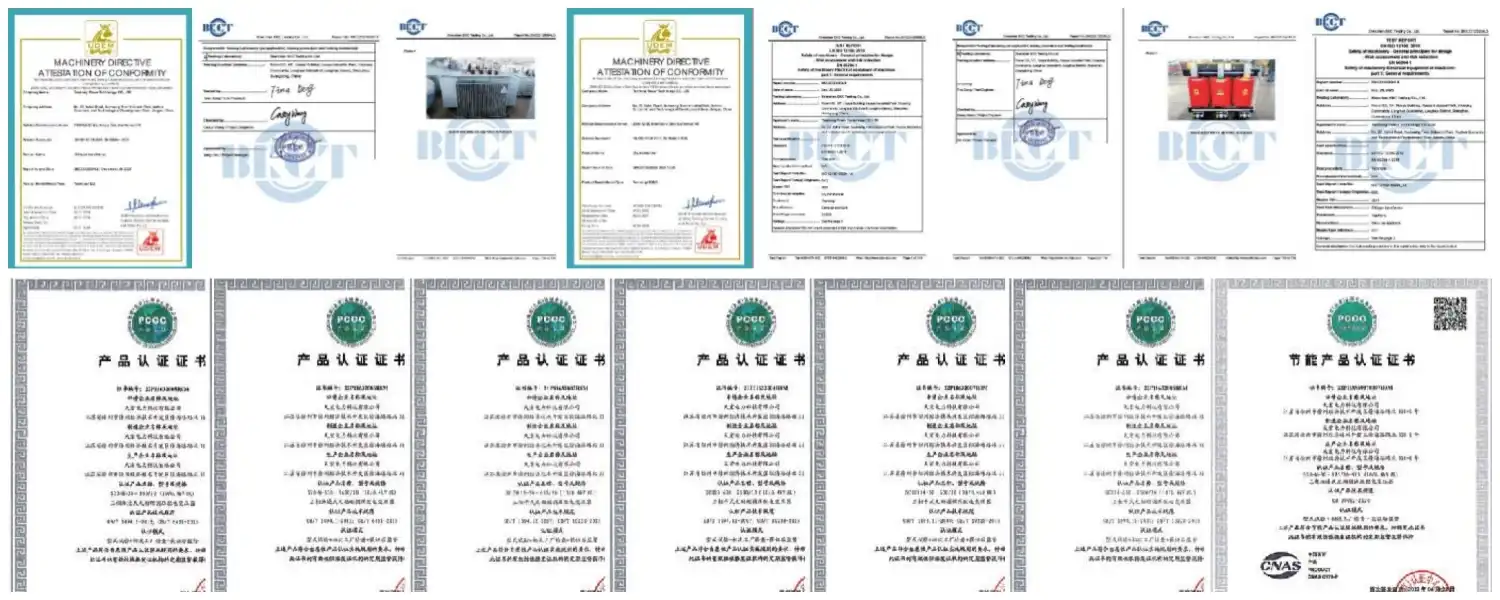
The choice to buy something shouldn't be based on price alone. Consistent lead times, the ability to supply in batches, the ability to respond to customization requests, and technical help after the sale are all very important. For big projects, companies with a proven yearly production capacity and ISO 9001:2015 certification offer a lot less risk in putting the project together.
Specifications are backed up by data from the real world. Transformers that are kept in IP66-rated shelters have been able to keep working in harsh industrial and mining settings with corrosive dust and vibration for longer than normal units would last (18 months).
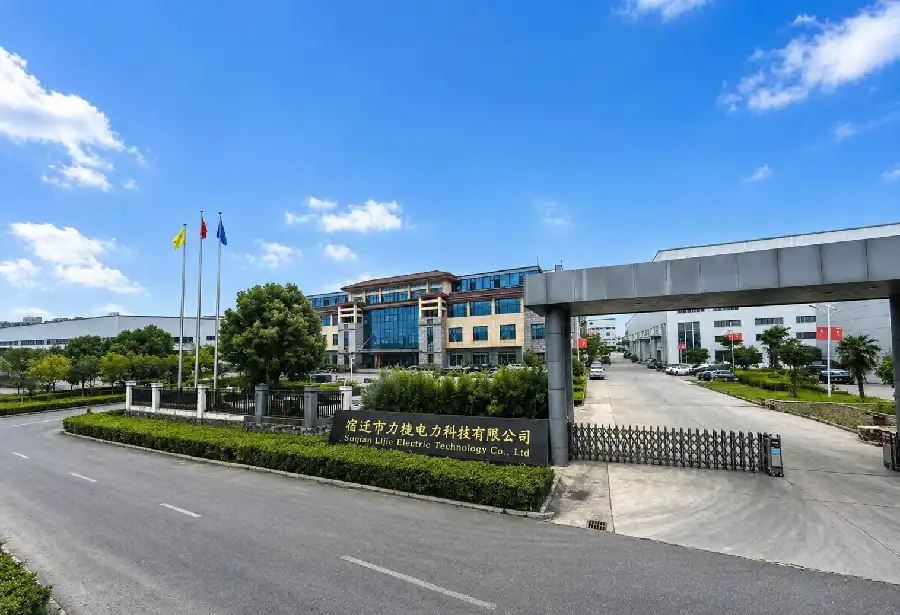
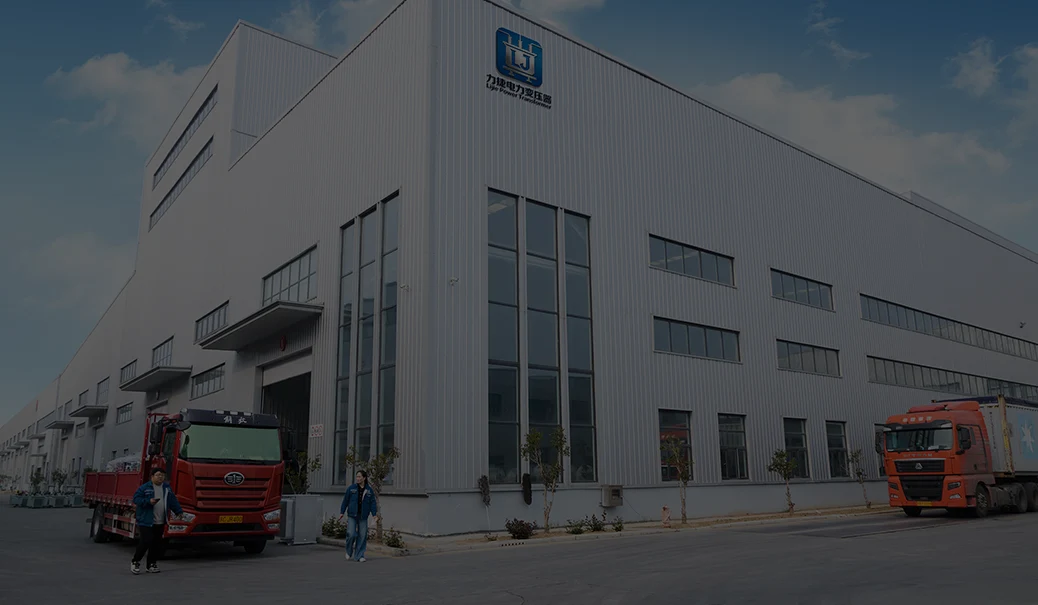
The Lijie Electric Power Technology Group makes all kinds of medium voltage transformers, such as dry-type, oil-immersed, and specialized industrial units. Their goods are certified by ISO 9001:2015, IEC, CE, and UL. With more than 2,000 employees and sales of more than 9 billion RMB a year, we can handle large project orders and keep to our delivery dates.
For oil-filled units, annual oil sampling and DGA are the industry standard, per IEEE C57.104. For dry-type units, annual infrared thermography and surface cleaning are recommended. Both types benefit from a full electrical inspection every three to five years.
Dry-type units suit indoor installations where fire safety codes are strict. Oil-filled units provide better thermal performance and lower cost at higher kVA ratings, making them the preferred choice for outdoor utility-scale or industrial pad-mount applications.
Yes. Derating factors must be applied to BIL ratings and cooling capacity for sites above 1,000 meters. NEMA 3R or IP66 enclosures address dust, moisture, and vibration in mining or heavy industrial settings.
ISO 9001:2015, IEC 60076 compliance, CE, and UL certifications are the baseline. For U.S. projects, IEEE C57.12.00 compliance is equally important.
K-factor rated transformers are wound to handle the additional heat generated by non-linear loads. Higher K-factor values indicate greater tolerance for harmonic currents, reducing insulation aging in facilities with VFDs, rectifiers, or server loads.
IEEE C57.104 says that for oil-filled medium voltage transformer units, oil sampling and DGA should be done once a year. Infrared thermography and surface cleaning should be done on dry-type units once a year. Every three to five years, both types should have a full electrical check. Get in touch with our technical team at lijieelectrical@gmail.com or visit lijie-electrical.com to talk about the needs of your facility with a qualified medium voltage transformer supplier.
1. IEEE Standards Association. IEEE C57.12.00: Standard for General Requirements for Liquid-Immersed Distribution, Power, and Regulating Transformers. 2021.
2. IEEE Standards Association. IEEE C57.104: Guide for the Interpretation of Gases Generated in Mineral Oil-Immersed Transformers. 2019.
3. International Electrotechnical Commission. IEC 60076-1: Power Transformers — Part 1: General. 2011.
4. International Electrotechnical Commission. IEC 60076-7: Power Transformers — Part 7: Loading Guide for Mineral-Oil-Immersed Power Transformers. 2018.
5. U.S. Department of Energy, Office of Energy Efficiency & Renewable Energy. Manufacturing Energy and Carbon Footprints: All Manufacturing. 2018.
6. Electric Power Research Institute (EPRI). Transformer Life Management: Predictive Maintenance and Condition Assessment Practices. 2020.
YOU MAY LIKE




April 27, 2025
With a tight project schedule, the manufacturer delivered on time, and on-site technical personnel provided guidance throughout the entire installation and commissioning process; the collaboration was highly efficient and hassle-free.
July 2, 2025
During the preliminary phase, a selection plan was custom-tailored based on the actual site load requirements, resulting in a high degree of parameter compatibility. After-sales support responds within two hours, and ongoing technical support for operation and maintenance is comprehensive; we feel completely confident in a long-term partnership.
November 18, 2025
Deployed as a supporting component for a 35kV grid-connection project at a photovoltaic power station, the equipment operates for an average of 16 hours daily. It demonstrates excellent control over no-load losses, ensures smooth power generation and grid integration, and effectively reduces the station's overall energy consumption.
January 30, 2026
Under the continuous, high-load operating conditions of a factory production line, the equipment maintains stable electrical parameters and exhibits strong overload resistance, thereby guaranteeing an uninterrupted power supply for industrial production.
April 3, 2026
Integrated as a supporting component for a new energy photovoltaic grid-connection system, the manufacturer provided professional technical coordination and timely after-sales support, ensuring seamless adaptation to the specific electrical operating conditions required for grid integration.