April 27, 2025
With a tight project schedule, the manufacturer delivered on time, and on-site technical personnel provided guidance throughout the entire installation and commissioning process; the collaboration was highly efficient and hassle-free.
Sep 2, 2026
When renewable energy project managers and procurement teams evaluate transformer suppliers, choosing a Natural Ester Transformer Supplier represents a strategic decision that impacts fire safety, environmental compliance, and long-term operational performance. Bio-based dielectric fluids derived from vegetable oils offer renewable energy installations a sustainable alternative to traditional mineral oil transformers, combining enhanced safety with ecological responsibility. As wind farms, solar installations, and energy storage systems expand across the United States, selecting the right natural ester transformer provider becomes essential for meeting regulatory standards while achieving project sustainability goals.

Natural ester oils are insulating fluids that come from plants. They can be made from green sources like sunflower, rapeseed, and soybean seeds. Mineral oils made from petroleum are used in most old power systems. These bio-based insulators, on the other hand, have unique benefits that are perfect for the needs of today's renewable energy infrastructure.
Natural ester oils are made up of triglycerides and long-chain fatty acids. This means that they naturally break down, breaking down more than 97% within 28 days according to OECD testing guidelines. This property of breaking down quickly is very important for offshore wind farms and solar farms that are near rivers or protected areas. When accidental spills happen in areas that are sensitive to the environment, natural ester fluids break down without leaving behind toxic residues that could pollute land or groundwater. This helps buying managers who are worried about environmental risk.
When considering dielectric fluid choices, fire safety may be the most important technical benefit. As per ASTM D92 testing standards, natural ester oils have fire points higher than 360°C. This is a lot higher than the fire point of regular mineral oils, which is about 160°C. Because of this better fire resistance, people who work with green energy can put transformers in underground substations, on rooftops, and in places with lots of people without having to build expensive fire suppression systems. It is easier to get insurance for "less-flammable" fluids that meet UL and FM approval standards. This means that more places can be used to install renewable energy projects.
Natural ester oils provide strong technical advantages for Natural Ester Transformer Supplier applications in green energy systems, where variable loads and harmonic distortion can create challenges for transformer reliability. Their higher thermal class rating allows greater top-oil temperature rise than conventional mineral-oil systems, enabling a Natural Ester Transformer Supplier to support higher power density in compact installations. This feature is especially valuable for energy storage system integrators that need to manage periods of increased demand. Natural ester fluids can also achieve dielectric breakdown strength above 75 kV under suitable test conditions, helping a Natural Ester Transformer Supplier maintain reliable insulation performance during temporary overvoltage events in renewable energy grid connections. In addition, natural esters have excellent moisture absorption properties, reducing the water available to accelerate cellulose insulation aging. For applications requiring long service life and dependable insulation performance, a properly designed Natural Ester Transformer Supplier using natural ester fluid can deliver significant operational benefits. Selecting the right technology can therefore support renewable energy integration while improving thermal management, insulation reliability, and long-term equipment performance.
Manufacturers of natural ester transformers with a good reputation make sure their products meet the standards set by IEC 62770 and ASTM D6871. This makes sure that they can be used in international buying situations. B2B buyers use these guidelines to compare products based on their oxidation stability, acidity levels, and pour point performance. If these standards are met, electrical engineers and design institutes can be sure that natural ester units will be used in utility-scale green energy projects.

Comparing unit prices is only one part of choosing the right transformer supplier. When managing big green energy projects, procurement managers need to look at a lot of different factors that affect the total cost of ownership and the success of the project.
The basic quality standard is ISO 9001:2015 certification, but the best suppliers also show other credentials, such as ISO 14001 certifications for environmental management systems and OHSAS 18001 certifications for occupational safety. It is clear from these quality frameworks that the production processes are consistent and can offer stable performance across big batch orders. Purchasing teams should make sure that sellers have traceability systems in place that keep records of where materials come from, how they are made, and the results of any tests that are done on each transformer unit that is sent to a green energy site.
For renewable energy projects to work, they need sellers with a lot of production capacity who can keep their end of big framework deals without any delivery delays. A company with multiple factories that can produce more than hundreds of megavolt-amperes of electricity each year is an example of the scalability that is needed for large-scale wind and solar installations. Purchasing managers should ask about production lead times and check to see if suppliers keep enough of important parts on hand, like cooling systems, tank assemblies, and winding materials. Problems in the supply chain can push back the entire project's start date, so along with technical specs, supplier reliability is a very important factor in the review process.
Standardized transformer designs might not be able to meet the technical needs of all green energy uses. Offshore wind farms need enclosures that don't rust and can withstand earthquakes. Solar farms in desert areas need better protection against dust getting in and the ability to work in high temperatures. Suppliers with strong technical support can change voltage ratios, impedance values, and cooling setups to fit the needs of a particular project. This ability to work together technically is becoming more useful as green energy projects include energy storage systems and grid-forming inverters that add complicated harmonic patterns that change the thermal performance of transformers.
Transformers used in renewable energy installations typically have service lives of 25 to 30 years, making warranty coverage and after-sales support key factors when selecting a Natural Ester Transformer Supplier. Reliable suppliers can provide comprehensive service agreements for natural ester transformer systems, including preventive maintenance plans, oil-condition monitoring, and emergency response support. Warranty terms for a Natural Ester Transformer Supplier using natural ester fluid should clearly specify fluid performance expectations, such as oxidation stability requirements and regular fluid testing procedures. Suppliers that offer technical training for maintenance teams unfamiliar with natural ester technology can help ensure proper inspection, operation, and fluid sampling practices. Effective training and ongoing maintenance support can enhance the long-term reliability of a Natural Ester Transformer Supplier solution while enabling operators to detect potential issues before they lead to major failures. Selecting a supplier that combines high-quality equipment with professional technical support can maximize the operational value of a Natural Ester Transformer Supplier throughout its service life.

There are both well-known foreign companies that sell transformers for renewable energy and smaller companies that focus on making transformers for sustainable power systems. Buying teams can make better decisions when they know how different companies market their natural ester products.
Most well-known global companies have a wide range of products, from distribution transformers with a rating of 35kV all the way down to specialized units for solar inverter step-up uses. These companies have decades of experience making transformers for mineral oil and have changed their designs to work with natural esters. Their reputation in the market gives international EPC contractors who are in charge of renewable energy projects on multiple continents peace of mind about long-term parts availability and global service networks.
Natural ester makers that specialize in sustainable transformer solutions often have more knowledge about the properties of bio-based fluids and how they affect thermal management and insulator wear and tear. These companies often work together with people who are developing renewable energy in the early stages of the planning process, making sure that the transformer standards are perfect for the wind turbine platforms or solar farm layouts that are being planned. Specialized providers may have a smaller selection of products, but they may be better at customizing performance and providing faster technical support for green energy uses.
Regional manufacturers that serve domestic markets have advantages when it comes to delivery flexibility and meeting the unique needs of each project. When a provider has factories in the target market, it makes foreign shipping and customs clearance faster, which can help projects stay on schedule. Having manufacturing bases close to important renewable energy development areas speeds up the process of making prototypes and makes site-specific customizations more useful during competitive bidding processes.
When purchasing teams look at different warranties, they should not only look at how long the coverage lasts but also what kinds of things aren't covered when it comes to natural ester fluid qualities. Some sellers offer longer guarantees on cellulose insulation systems when they are used with natural ester oils, since these fluids are known to make things last longer. Others might need fluid analysis more often than mineral oil units, which adds to the costs of running and changes the total cost of ownership estimates.
Procurement strategies that work well match the skills of suppliers perfectly with the technical needs and operational situations of the project. As part of this alignment process, both short-term project requirements and long-term business plans need to be looked at.
Utility-scale wind farms with hundreds of turbines need suppliers who can make regular bulk deliveries that work with construction schedules that span several quarters. Framework deals that set fixed prices and guaranteed delivery times for such big installations protect projects from changes in the market prices of raw materials like copper windings and electrical steel. On the other hand, solar installations spread out over several smaller sites may value suppliers who are flexible in handling mixed order sizes and shipping to different parts of the world, choosing manufacturers with flexible logistics over those who can simply make more.
Wind power and solar power installations have different operating requirements, and each application requires a properly engineered Natural Ester Transformer Supplier solution. Offshore wind transformer systems must be fully sealed to prevent moisture penetration and withstand harsh marine conditions. They also require improved vibration resistance to minimize the impact of mechanical stresses caused by tower movement. In these environments, natural ester fluids used in a Natural Ester Transformer Supplier system must maintain stable performance across wide temperature variations in remote offshore locations. Solar farm transformer systems typically face fewer mechanical challenges but still need to manage high temperatures, dust exposure, and cooling requirements through appropriate enclosure designs. Suppliers with renewable energy experience can provide design recommendations that may not be considered in standard Natural Ester Transformer Supplier configurations. Selecting the right Natural Ester Transformer Supplier design for each renewable energy application can help enhance reliability, durability, and long-term operational performance.
In the United States, renewable energy projects have to follow EPA rules about keeping transformer fluid contained and preventing spills. They also have to follow state-level environmental rules that are very different from one state to the next. Natural ester fluids make compliance easier because they are non-toxic and biodegradable. However, buying teams should make sure that sellers back up their environmental promises with proof. In California, where wildfires are common, transformers must meet strict fire safety standards. This is why the high fire point of natural ester units is so useful. In the same way, projects that want to get LEED certification or other green building credentials benefit from suppliers who offer Environmental Product Declarations that list the environmental impacts of a product over its whole life.
As technology for renewable energy changes, transformer makers need to come up with new ideas to keep up with grid modernization trends. Leading manufacturers spend money on research to find new solutions to problems like integrating battery energy storage, which adds DC current and fast load cycling that put stress on transformer insulation systems. Suppliers who are involved in IEC working groups that are making new standards show that they are committed to keeping up with changes in the industry. Also, procurement teams are looking more closely at how sustainable their suppliers are. For example, they are checking to see if manufacturers get their vegetable oils from certified sustainable farms and run their factories using renewable energy. This makes sure that the whole supply chain is in line with the environmental goals of the project.

A successful procurement process includes more than just choosing a supplier. It also includes structured evaluation processes and relationship management methods that lower risks throughout the lifecycle of a project.
Creating thorough RFQ papers makes project needs clear and allows for useful comparisons between suppliers. Specifications for technical items should include voltage ratings, impedance tolerances, temperature rise limits, and cooling configurations that are exactly the same as what will be used in the installation. Giving information about the amount of harmonic distortion coming from solar inverters or the kinds of overload situations that are likely to happen helps providers suggest the right designs instead of basic catalog items. Procurement managers should be clear about what certifications are needed, such as meeting IEC standards, being listed by UL, and any testing methods that are specific to the project. Clear expectations for the delivery schedule and payment terms for each milestone set realistic deadlines and protect project budgets from unexpected cost increases.
Before agreeing to large orders, it's smart to do things like plant acceptance testing and prototype validation. Quality management teams can evaluate production methods, check the quality of raw materials, and look over records of how the testing equipment was calibrated by visiting manufacturing facilities. Watching routine tests like measuring dielectric strength, checking winding resistance, and checking temperature rise makes sure that the supplier's abilities match what they say they can do. For natural ester units, asking for fluid analysis reports that prove oxidation stability, acidity levels, and moisture content gives you a starting point that you can use to compare future tracking results that happen while the unit is in use.
For renewable energy projects that need to buy things from other countries, shipping operations and customs steps need to be carefully thought out. Transformers are big pieces of cargo that need special tools to move and handle them. Suppliers who have worked with export markets before know how INCOTERMS work and can suggest the best shipping plans based on cost and delivery reliability. To avoid misunderstandings that cause delays in commissioning schedules, procurement teams should make it clear who is responsible for marine insurance, customs brokerage, and inland transportation to project sites. Setting up consolidated shipping schedules for projects with more than one part lowers the cost of freight per unit and makes sure that the supply of equipment fits the progress of building.
Stable, long-term ties with suppliers are better for renewable energy assets than short-term purchases. Getting suppliers involved early on in the development of a project allows for collaborative design optimization and value engineering, which lowers total costs in ways other than just negotiating the purchase price. Setting up regular ways for technical feedback and performance monitoring to be shared provides chances for ongoing growth. When there are bid competitions, suppliers who get regular orders from multiple projects can offer better prices and earlier scheduling for production, which gives them an edge over other suppliers. When green energy companies move into new areas, these strategic partnerships are especially helpful because the suppliers' knowledge of the local rules and grid needs speeds up the project development process.

When looking at Natural Ester Transformer Suppliers for green energy projects, you need to weigh their technical performance, commitment to the environment, manufacturing dependability, and the chance of forming a long-term relationship. Bio-based dielectric fluids offer measurable benefits in fire safety, environmental responsibility, and thermal performance that are in line with the sustainability goals that are pushing the growth of renewable energy. Successful buying teams look at more than just the original unit cost. They also look at the total ownership value by checking the quality systems, customizable options, and infrastructure for after-sales support of suppliers. Renewable energy developers get the safe, legal, and long-lasting power infrastructure they need for long-term operations success by matching the skills of suppliers to the needs of particular projects and working together with them.
Natural ester oils have fire points higher than 360°C, while mineral oils only have fire points around 160°C. This makes crowded places and enclosed spaces much less likely to catch fire. Because these fluids are labeled as "less flammable," they don't need expensive fire control systems in many installation situations. This is especially helpful for rooftop solar installations and urban substations where fire safety concerns have limited transformer placement choices in the past.
Natural ester fluids break down in 28 days, which reduces environmental liability concerns in renewable energy sites that are sensitive to the environment, like offshore wind farms, hydroelectric plants, and solar installations close to watersheds. This natural breakdown happens quickly and doesn't leave behind any harmful chemicals. This makes following environmental rules easier and lowers the cost of insurance for possible spills.
The minimum standard is ISO 9001:2015 certification for quality management. Other certifications, like ISO 14001 for environmental management and product-specific certifications like UL rating and FM approval for less-flammable fluids, give extra peace of mind. For global projects, following IEC 62770 makes sure that the natural ester transformer specifications are compatible with global procurement standards.
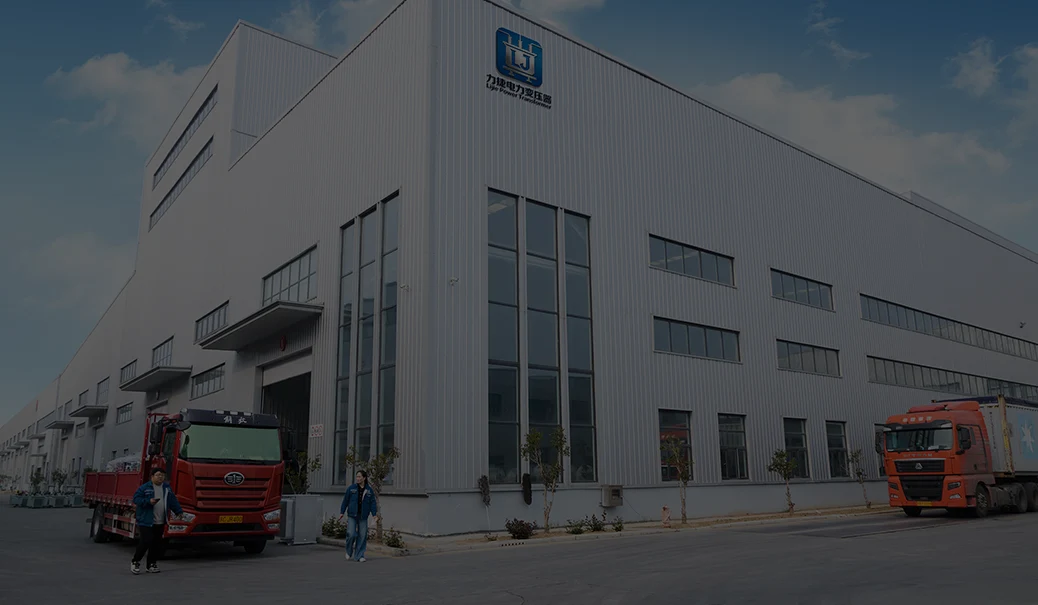
Lijie Electric has been making transformers for more than 20 years, and they know how to make them fit the needs of green energy systems. We keep up the production capacity and supply chain stability needed for utility-scale wind and solar projects across North America by running two advanced production sites that cover 500,000 square meters each in Xuzhou and Nantong. Our engineering team of more than 160 technical experts knows how to customize natural ester transformer specifications for tough uses like desert solar farms, offshore wind farms, and integrating energy storage systems. With ISO 9001:2015, CE, UL, and IEC certifications that support global project compliance, we are a reliable Natural Ester Transformer Supplier and maker for purchasing managers who want quality that has been proven and quick expert support. Email our team at lijieelectrical@gmail.com to talk about your project needs and get full information on natural ester transformers for sale that will work with your renewable energy infrastructure. You can look at our full line of products at lijie-electrical.com and learn more about how our after-sales service helps businesses succeed in the long term.
1. IEEE Standards Association (2019). IEEE C57.147-2018 - IEEE Guide for Acceptance and Maintenance of Natural Ester Fluids in Transformers. Institute of Electrical and Electronics Engineers.
2. Perrier, C., Beroual, A., and Bessede, J.L. (2018). Experimental Investigations on Insulating Liquids for Power Transformers: Mineral, Ester, and Silicone Oils. IEEE Electrical Insulation Magazine, 34(5), 34-41.
3. Tenbohlen, S. and Koch, M. (2020). Aging Performance and Moisture Dynamics of Transformers Using Natural Ester Liquids. CIGRE Science & Engineering Journal, Issue 17, 12-19.
4. American Society for Testing and Materials (2021). ASTM D6871-21 - Standard Specification for Natural (Vegetable Oil) Ester Fluids Used in Electrical Apparatus. ASTM International.
5. Martin, D., Perkasa, C., and Lelekakis, N. (2017). Measuring Paper Water Content of Transformers: A New Approach Using Cellulose Isotherms in Natural Ester Dielectric Liquids. IEEE Transactions on Dielectrics and Electrical Insulation, 24(2), 1148-1156.
6. International Electrotechnical Commission (2019). IEC 62770:2019 - Fluids for Electrotechnical Applications - Unused Natural Esters for Transformers and Similar Electrical Equipment. IEC Standards Publication.
YOU MAY LIKE



%20Dry-type%20Distributing%20Transformer.webp)
10%20type%20dry-type%20distribution%20transformer.webp)
April 27, 2025
With a tight project schedule, the manufacturer delivered on time, and on-site technical personnel provided guidance throughout the entire installation and commissioning process; the collaboration was highly efficient and hassle-free.
July 2, 2025
During the preliminary phase, a selection plan was custom-tailored based on the actual site load requirements, resulting in a high degree of parameter compatibility. After-sales support responds within two hours, and ongoing technical support for operation and maintenance is comprehensive; we feel completely confident in a long-term partnership.
November 18, 2025
Deployed as a supporting component for a 35kV grid-connection project at a photovoltaic power station, the equipment operates for an average of 16 hours daily. It demonstrates excellent control over no-load losses, ensures smooth power generation and grid integration, and effectively reduces the station's overall energy consumption.
January 30, 2026
Under the continuous, high-load operating conditions of a factory production line, the equipment maintains stable electrical parameters and exhibits strong overload resistance, thereby guaranteeing an uninterrupted power supply for industrial production.
April 3, 2026
Integrated as a supporting component for a new energy photovoltaic grid-connection system, the manufacturer provided professional technical coordination and timely after-sales support, ensuring seamless adaptation to the specific electrical operating conditions required for grid integration.