April 27, 2025
With a tight project schedule, the manufacturer delivered on time, and on-site technical personnel provided guidance throughout the entire installation and commissioning process; the collaboration was highly efficient and hassle-free.
Oct 14, 2026
Industrial power systems depend on one critical device to keep everything running safely: the electrical transformer. Whether you're managing a steel plant, commissioning a solar farm, or overseeing an urban substation project, the right transformer determines whether your power distribution is stable, efficient, and code-compliant. This guide walks through everything procurement professionals, electrical engineers, and project managers need to know — from selecting the right unit to sourcing from a dependable manufacturer — so your next project stays on schedule and within budget.
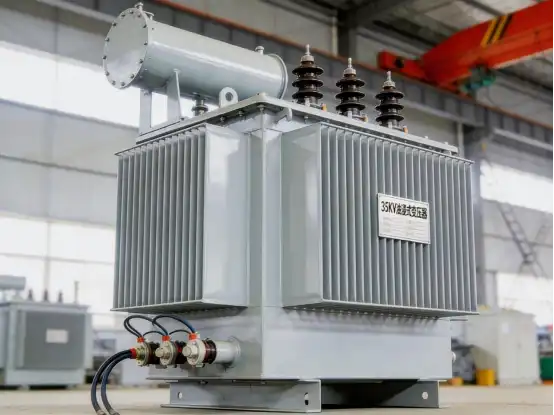
Using electromagnetic induction, a transformer moves electricity between circuits and changes the voltage levels to meet the needs of the transport or end use. In an industrial setting, this means raising the voltage to send it over long distances and lowering it again to keep equipment safe. Without this function, big facilities can't get power to all of their load points efficiently.
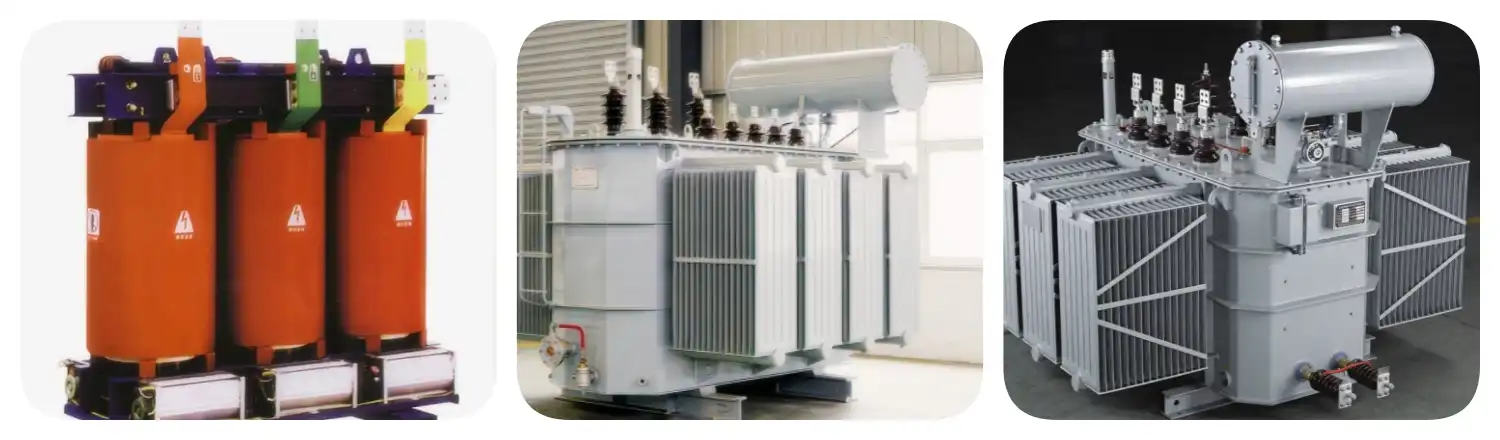
It's important to use the right style for the right project setting. These are the main types of groups you'll see:
Each type does a different job, and picking the wrong one raises the costs and difficulty of maintenance over time.
When you look at the technical specs, you should pay attention to three main things: efficiency (power transformers usually have it above 99.5%), no-load and load losses, and voltage control. The Basic Insulation Level (BIL) is also important because it shows how well the unit can handle lightning strikes and sudden changes in power. For all of these metrics, standards like IEC 60076 and IEEE C57.12.00 set acceptable benchmarks.
Start with the real load profile. When only partially loaded, oversized electrical transformer units don't work as well as small ones, which get too hot and break down quickly. Specialized options like electric furnace transformers and rectifier transformers are made for high-current, changing load situations that normal distribution units can't handle. These are used in steel plants, chemical factories, and mining operations.
A solar farm near the coast needs shelters that don't rust and can handle output that changes. A business tower in the city center needs to have low noise levels and fire-safe protection. Box-type transformers that are prefabricated and rated at 35kV or less work well for urban infrastructure and industrial park distribution because they are small in size and can be set up quickly. Always make sure that the transformer's protection grade (IP class) fits the needs of the place.
The price you pay up front is only one part of the equation. Over the course of 20 to 30 years, energy losses can be more than the cost of the original purchase. The International Energy Agency said in a study from 2022 that distribution transformers are responsible for about 1% to 3% of all the energy that is lost around the world. Choosing an energy-efficient unit, especially one made of an amorphous alloy, lowers running costs and helps companies meet their green goals.
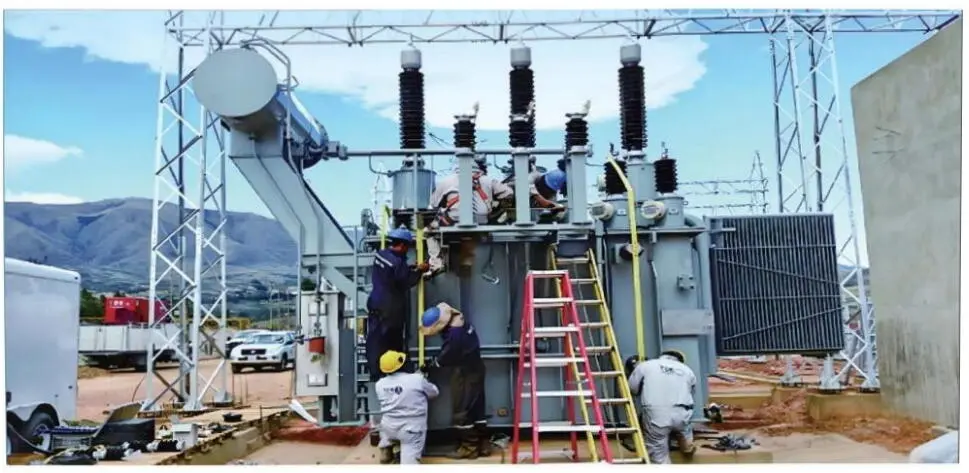
The right way to install something starts before it even gets to the site. Load-bearing requirements must be met by the foundations, clearance distances must be in line with local electrical codes, and all connections between high-voltage terminals must use flexible conductors that match and have the right current ratings. When tightening terminal nuts, always keep the terminal body stable to avoid stress at the root. This is a safety measure that is recommended by the maker for units like the SPS2-10/0.22 power transformer.
Regular inspections greatly increase the life of a product. For oil-immersed units, you should check the quality, amount of wetness, and dissolved gas levels of the insulation oil once a year. For dry-type and cast plastic designs, check for surface contamination, vibrations that don't make sense, and changes in turning temperature. Most industrial transformers are built to last between 10 and 30 years of steady use, but only if they are regularly maintained.
Problems with voltage regulation are often caused by wear on the tap changer or windings that are breaking down. Unusual noise is often a sign of loose core laminations or vibration from loads that are high in harmonics, which is common in industrial settings. Overheating could mean that airflow is blocked or that the system is constantly overloaded. By keeping an eye on the temperature and checking the insulation's resistance on a regular basis, these problems can be fixed early on, before they become costly unexpected outages.
In sensitive indoor areas, cast resin technology has mostly replaced oil-filled electrical transformer units because it doesn't pose the risk of fire or spills that come with insulating oil. If you compare amorphous alloy cores made from rapidly cooling metallic glass to regular grain-oriented silicon steel cores, they can cut no-load losses by up to 70%. These materials are now required by all buying rules around the world that focus on the energy economy.
More and more, companies that make transformers use reusable materials and low-emission ways to make their products. Amorphous metal transformers directly help goals to reduce carbon emissions by using less energy when they are not in use. EPC contractors and developers who have to follow ESG guidelines should choose high-efficiency units because they are better for the environment and will save them money in the long run.
These days, distribution transformers come with temperature sensors, monitors for partial discharge, and transmission units that send data to SCADA systems in real time. This lets facility managers keep an eye on performance, spot problems early, and plan maintenance without having to physically check the building. This makes operating risk a lot lower for big industrial companies with dozens of transformer installations.
When buying in bulk, verifying suppliers is more than just comparing prices. Check to see if the company has ISO 9001:2015 quality management approval, IEC-compliant product registrations, and marks like CE or UL that are known around the world. These certifications show that the product has passed type tests, routine tests, and special tests done by accredited laboratories, not just what the factory says it has passed.
There are 8 to 26 weeks of lead time for transformers in 2024, based on the voltage class, the level of customization needed, and the production plan. Since 2022, the prices of copper and silicon steel raw materials have stayed high, which has an effect on unit prices at all capacity levels. Long-term framework deals that lock in prices protect project budgets from cost rises in the middle of the project cycle.
When you buy a transformer, you make a long-term investment. Check to see what the warranty covers—usually 12 to 24 months for problems with the way the product was made—and if the seller provides field service, spare parts, and expert help during commissioning. Before signing the contract, make sure you know if the maker can customize the product for projects that need non-standard voltage ratios, special enclosure ratings, or seismic standards.
The long-term success of your whole power distribution system depends on how well you buy electrical transformer units. Every choice you make has practical and financial effects. For example, you need to know the difference between dry-type and oil-immersed designs and look at the total lifecycle costs. You should also only buy from approved sources. Engineers' needs, suppliers' skills, and the buying strategy all need to be in sync from the start for a project to go easily. Make sure you clearly define what you want, check the credentials of your supplier, and form a relationship with them that will support your project long after it's finished.
Dry-type transformers are safer for use indoors where fire safety is a worry because they are insulated with air or cast resin. Mineral oil is used to cool and insulate oil-filled transformers. This lets them handle higher powers more cost-effectively in outdoor or base settings. Which one to choose relies on where the work will be done, fire safety rules, and the amount of space you need.
First, make sure that your transformer is working at between 40 and 80% of its maximum load. This is the most efficient range for most designs. No-load losses can be cut by 60–70% by replacing older units with high-efficiency silicon steel core transformers or amorphous metal transformers. Adding tools that track the load also helps find errors before they get worse.
Ask for at least ISO 9001:2015 and IEC 60076 test results, as well as any country-specific approvals that are needed at the installation site (CE for Europe and UL for the US). For projects that will be exported, make sure the products are IEC-certified and ask the seller if they have experience sending goods to the area you want to reach.
Check the history of the manufacturer, ask for examples of projects that used similar voltages, and make sure the unit meets IEC standards for temperature rise and dielectric withstand. Long-term relationships with suppliers also make it easier to get spare parts and professional help as the equipment ages.
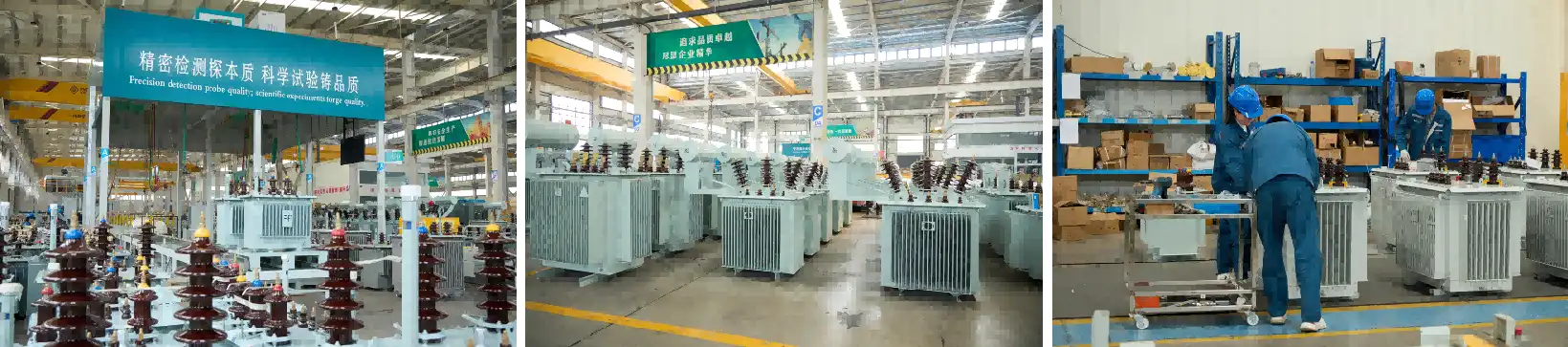
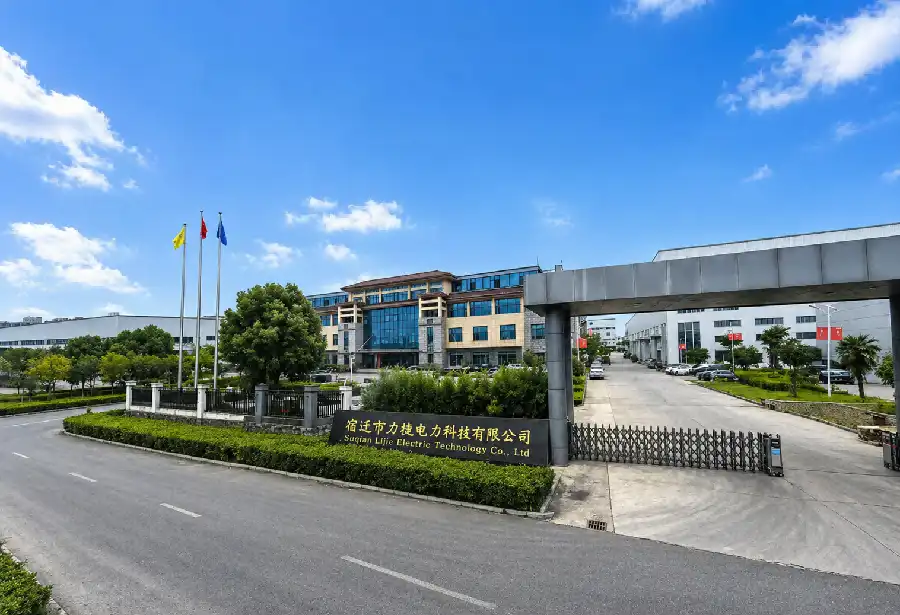
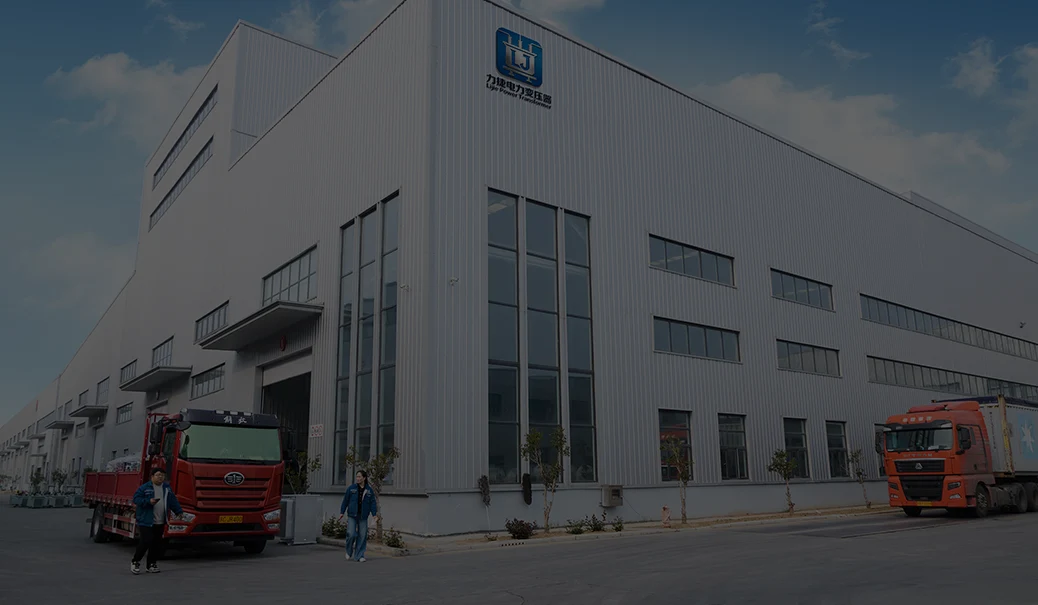
The Lijie Electric Power Technology Group makes all kinds of transformers, from 35kV small substations to 500kV ultra-high-voltage units. All of their transformers are approved by ISO 9001:2015, IEC, CE, and UL. We are a verified manufacturer of electrical transformers with over 160 engineering professionals on staff and annual sales of more than 5 billion RMB. We can handle large-scale project orders with consistent quality and on-time delivery. You can email us at lijieelectrical@gmail.com or go to lijie-electrical.com to get a catalog of our products or a technical consultation.
1. International Electrotechnical Commission. IEC 60076: Power Transformers. IEC, 2024.
2. IEEE Standards Association. IEEE C57.12.00: Standard for General Requirements for Liquid-Immersed Distribution, Power, and Regulating Transformers. IEEE, 2021.
3. International Energy Agency. Electricity Grids and Secure Energy Transitions. IEA, 2023.
4. U.S. Department of Energy. Energy Conservation Standards for Distribution Transformers: Final Rule. DOE, 2023.
5. Electric Power Research Institute. Transformer Life Management: Condition Assessment and Remaining Life Evaluation. EPRI, 2022.
6. International Energy Agency. Tracking Energy Integration: Distribution Transformers Efficiency Report. IEA, 2022.
YOU MAY LIKE



12%20type%2035KV%20dry-immersed%20transformer_1778136610496.webp)
April 27, 2025
With a tight project schedule, the manufacturer delivered on time, and on-site technical personnel provided guidance throughout the entire installation and commissioning process; the collaboration was highly efficient and hassle-free.
July 2, 2025
During the preliminary phase, a selection plan was custom-tailored based on the actual site load requirements, resulting in a high degree of parameter compatibility. After-sales support responds within two hours, and ongoing technical support for operation and maintenance is comprehensive; we feel completely confident in a long-term partnership.
November 18, 2025
Deployed as a supporting component for a 35kV grid-connection project at a photovoltaic power station, the equipment operates for an average of 16 hours daily. It demonstrates excellent control over no-load losses, ensures smooth power generation and grid integration, and effectively reduces the station's overall energy consumption.
January 30, 2026
Under the continuous, high-load operating conditions of a factory production line, the equipment maintains stable electrical parameters and exhibits strong overload resistance, thereby guaranteeing an uninterrupted power supply for industrial production.
April 3, 2026
Integrated as a supporting component for a new energy photovoltaic grid-connection system, the manufacturer provided professional technical coordination and timely after-sales support, ensuring seamless adaptation to the specific electrical operating conditions required for grid integration.