April 27, 2025
With a tight project schedule, the manufacturer delivered on time, and on-site technical personnel provided guidance throughout the entire installation and commissioning process; the collaboration was highly efficient and hassle-free.
Sep 26, 2026
Every time you flip a switch, power travels hundreds of miles through a system that depends on one unsung workhorse: the high voltage transformer. These electromagnetic devices step voltage up or down across the transmission chain, making safe, efficient electricity delivery possible at scale. Without them, the energy generated at a power plant could never reach a steel mill, a solar farm's output would stay isolated from the grid, and urban substations would fail to serve millions of people. Simply put, they are the backbone of every reliable energy network operating today.
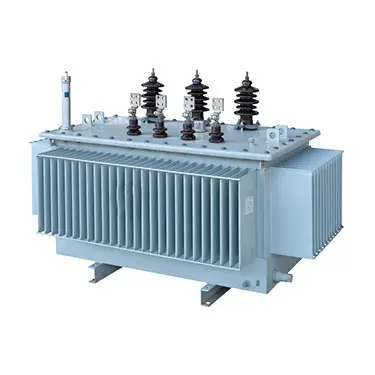
A High Voltage Transformer is an electromagnetic device designed to move electricity between circuits through inductive coupling. It can usually handle voltage levels above 33kV, and ultrahigh voltage (UHV) units can handle levels up to 1100kV. When it comes to insulation design, thermal management, and dielectric stability standards, they are very different from low-voltage units.
Cold-rolled grain-oriented silicon steel (CRGO) is used in the magnetic core. This reduces hysteresis and eddy current losses, which directly increases the operational lifetime. To get a high electrical strength, windings use vacuum-impregnated cellulose or synthetic ester insulation. Depending on the load, ONAN (Oil Natural Air Natural) or ONAF (Oil Natural Air Forced) methods are used to control the cooling. Integrated safety devices, such as Buchholz relays and Dissolved Gas Analysis (DGA) monitors, find small problems before they get worse and cause catastrophic breakdowns.
Procurement experts who work in a variety of fields need to know how each version works in different settings. These are the main groups:
These choices show the range of real-world needs, and picking the wrong type can directly lead to higher lifetime costs and failure before its time.
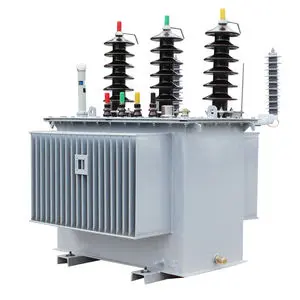
Across the whole energy chain, voltage conversion must be reliable for power companies, renewable energy operators, and manufacturers. The U.S. Department of Energy says that transmission and distribution losses account for about 5% of all energy produced. The right choice of High Voltage Transformer can have a direct effect on these losses by improving voltage conversion efficiency across the grid. Selecting an efficient High Voltage Transformer is therefore important for reducing energy waste, controlling operating costs, and maintaining reliable power transmission. For large-scale power systems, the performance of each High Voltage Transformer can contribute to the overall efficiency and stability of the energy network.
Step-up transformers raise generator output, which is usually 15kV, to transmission levels of 230kV or 500kV at power production substations. This greatly lowers I²R resistance losses over long distances. Step-down machines lower the voltage to a safe level for homes or businesses at the delivery end.
Adding renewable energy makes things more complicated. To work, offshore wind farms need transformers that don't rust and can handle load flows going both ways. To connect variable DC/AC output to the grid consistently, large solar panels need dry-type units and substations that are already built. These clean energy assets can't help the country reach its energy goals if they don't have custom-built solutions.
IEC 60076 and IEEE C57.12.00 say that transformers used in critical infrastructure must follow strict rules about short-circuit impedance, no-load losses, and partial discharge (usually less than 10pC). As part of quality standards that must be followed, lightning impulse dielectric tests, sweep frequency response analysis (SFRA) to check the stability of the windings after shipping, and temperature rise tests with full load are all required. These steps are required and cannot be skipped; they are the difference between an asset that will last 30 years and one that will need to be replaced too soon.
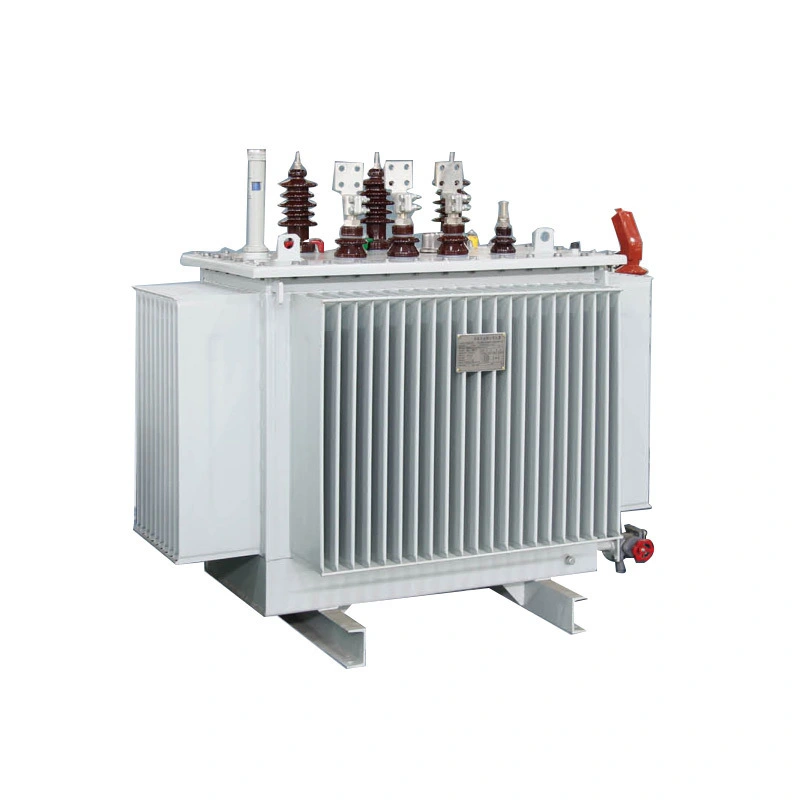
When deciding which transformer configuration to use, you need to be honest about three things: the application setting, the total lifetime cost, and the need to follow regulations.
Oil-immersed units have better thermal capacity and lower unit costs at high MVA ratings, but they need infrastructure for containment and oil sampling on a regular basis. Dry-type units cost more up front, but they almost never need to be serviced, which is great for sensitive environments. While amorphous metal designs cost more to buy, they save money on energy costs over the course of 20 years, which is a figure that procurement managers who are interested in total cost of ownership like.
When looking at suppliers, certifications are a must-have filter for any High Voltage Transformer procurement project. Certifications like ISO 9001:2015, IEC, CE, and UL show that the quality of High Voltage Transformer products is consistent and that manufacturers follow international rules. This is very important for EPC contractors working on projects that span borders, as choosing a certified High Voltage Transformer supplier can help ensure reliable quality, regulatory compliance, and consistent project execution.
In this area, choices about procurement are rarely based on transactions. Large-scale infrastructure and energy projects need a provider that can handle unique customization across voltage classes, a steady bulk supply, and predictable lead times.
Here are the main things that skilled project managers always put first when it comes to procurement:
All of these priorities work together to lower the risk of procurement and protect the project's return on investment over the life of the asset.
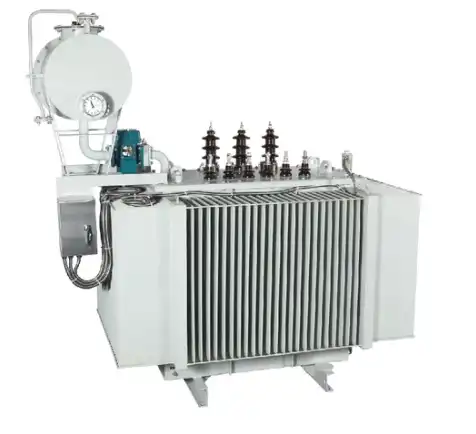
Digital infrastructure and the next generation of power transformers are coming together. Online monitoring systems that are connected to the internet of things (IoT) now let you see the temperature of the oil, the activity of partial discharge, and changes in the load in real time. This lets you plan preventative maintenance that can make transformers last longer than 30 years.
Bio-based ester fluids and solid insulation materials are two examples of advances in insulation chemistry that are making things safer and better for the environment at the same time. New cooling technologies, like combined ONAN/ONAF systems, change based on load conditions, which uses less energy when demand is low.
Amorphous alloy core technology and low-loss grain-oriented steel are already making a real difference in meeting national carbon reduction goals, which is good for the environment. As grid decarbonization speeds up, embodied carbon will be taken into account along with standard electricity parameters more and more during the design process.
are not extra pieces of tools; they are essential parts of every energy network that works. They are very important because they increase the output of power plants, use renewable energy sources, and power heavy industry. To choose the right unit, you need to make sure that the technical specs match the needs of the application, check the certifications, and work with a seller that can consistently deliver large amounts of goods. Buying the right transformer now will protect the grid's stability, keep costs down over its lifetime, and help the energy shift for many years to come.
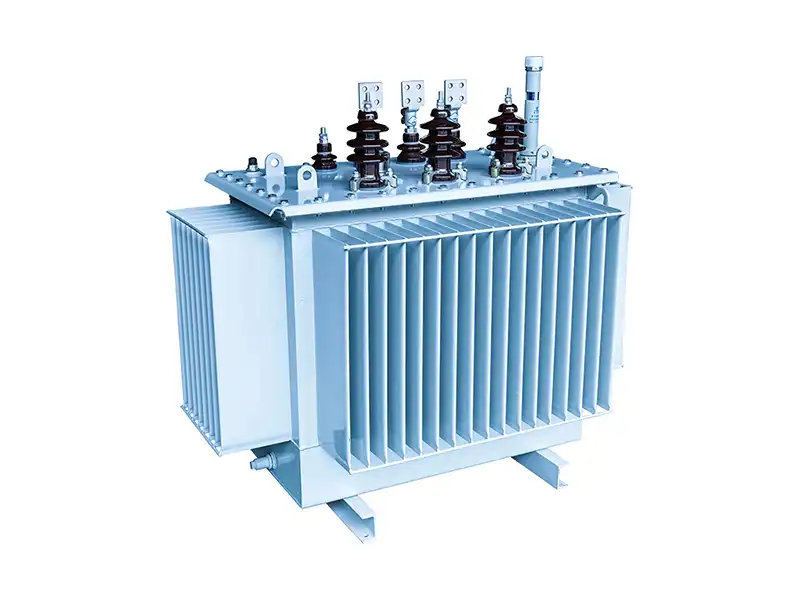
Continuously used oil-immersed units usually need oil sampling and DGA tests once a year, and full checks every three to five years. A visible and thermal check should be done on dry-type units every two years, which is less often than other types. The actual frequency is based on the load rate, the environment, and what the maker suggests.
Installing something must follow IEC 60076 and any local electricity rules that apply. Some important steps are checking the resistance of the insulation before turning it on, making sure the vector groups are lined up correctly, trying the protective switches, and making sure that oil-filled units have enough containment. The right people must be hired, and the launching process should include a phased energization order.
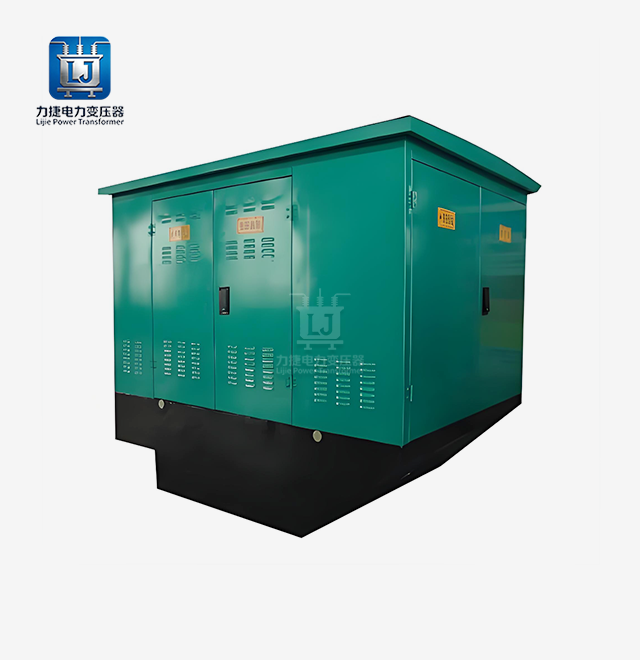
For high-capacity outdoor uses where cost-effectiveness at high MVA levels is important, oil-immersed transformers are the best choice. Dry-type units work best indoors or in environmentally sensitive areas where fire safety and ease of maintenance are important. The final choice should be based on the budget, the work setting, and the rules and regulations.
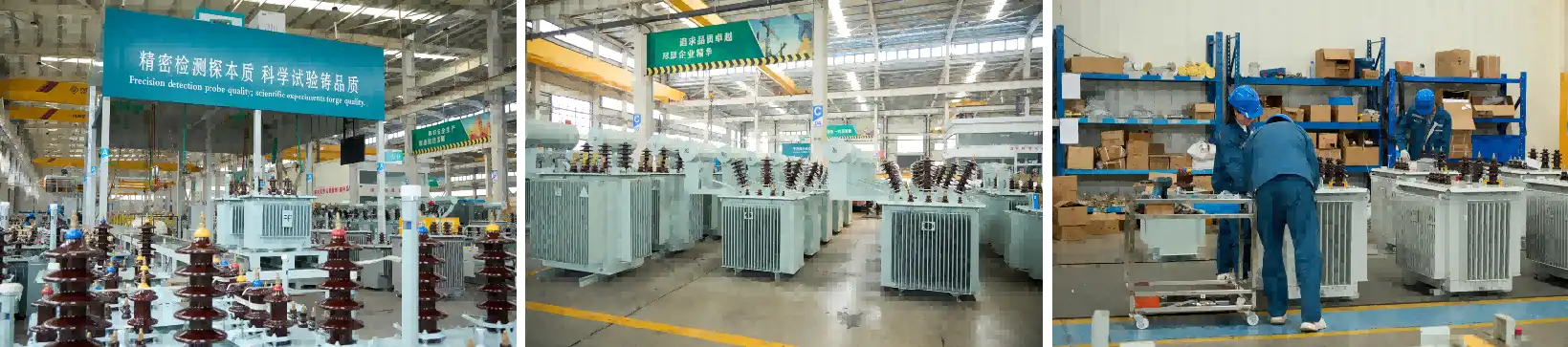
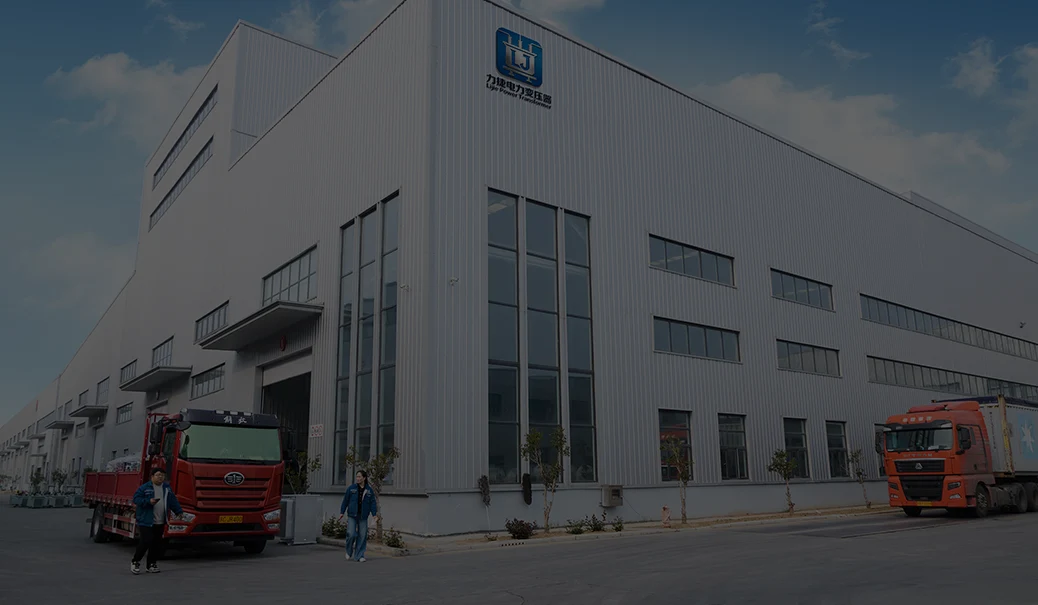
The Lijie Electric Power Technology Group makes a wide range of power transformers, from ultrahigh voltage units with 500kV to 35kV distribution equipment. These transformers are certified by ISO 9001:2015, IEC, CE, and UL. As a well-known company that makes High Voltage Transformers and has over 160 experienced engineers, we offer bulk supply, special engineering, and quick after-sales support to customers all over the world, including in the United States. To get prices and specifications, email our technical team at lijieelectrical@gmail.com or go to lijie-electrical.com.
1. IEEE Standards Association. IEEE C57.12.00: General Requirements for Liquid-Immersed Distribution, Power, and Regulating Transformers. 2021.
2. International Electrotechnical Commission. IEC 60076: Power Transformers. 2018.
3. U.S. Department of Energy. Quadrennial Energy Review: Transforming the Nation's Electricity System. 2017.
4. Kulkarni, S.V. & Khaparde, S.A. Transformer Engineering: Design, Technology, and Diagnostics. CRC Press. 2012.
5. Harlow, J.H. Electric Power Transformer Engineering. CRC Press. 2012.
6. CIGRE Working Group A2.49. Condition Assessment of Power Transformers. CIGRE Technical Brochure. 2019.
YOU MAY LIKE
12%20Series%20Dry%20Type%20Transformer.webp)



April 27, 2025
With a tight project schedule, the manufacturer delivered on time, and on-site technical personnel provided guidance throughout the entire installation and commissioning process; the collaboration was highly efficient and hassle-free.
July 2, 2025
During the preliminary phase, a selection plan was custom-tailored based on the actual site load requirements, resulting in a high degree of parameter compatibility. After-sales support responds within two hours, and ongoing technical support for operation and maintenance is comprehensive; we feel completely confident in a long-term partnership.
November 18, 2025
Deployed as a supporting component for a 35kV grid-connection project at a photovoltaic power station, the equipment operates for an average of 16 hours daily. It demonstrates excellent control over no-load losses, ensures smooth power generation and grid integration, and effectively reduces the station's overall energy consumption.
January 30, 2026
Under the continuous, high-load operating conditions of a factory production line, the equipment maintains stable electrical parameters and exhibits strong overload resistance, thereby guaranteeing an uninterrupted power supply for industrial production.
April 3, 2026
Integrated as a supporting component for a new energy photovoltaic grid-connection system, the manufacturer provided professional technical coordination and timely after-sales support, ensuring seamless adaptation to the specific electrical operating conditions required for grid integration.