April 27, 2025
With a tight project schedule, the manufacturer delivered on time, and on-site technical personnel provided guidance throughout the entire installation and commissioning process; the collaboration was highly efficient and hassle-free.
Sep 25, 2026
When industrial facilities lose power—even briefly—the financial and operational consequences can be severe. An HV transformer sits at the center of every reliable industrial power network, stepping voltage up or down to keep energy flowing safely across substations, manufacturing plants, renewable energy installations, and transmission corridors. Operating at voltage levels from 36kV up to 800kV or beyond, these units prevent I²R transmission losses, protect downstream equipment from transient surges, and maintain grid stability under continuous high-stress conditions. Understanding how they work, how to maintain them, and how to procure them wisely is essential for any serious industrial operator.
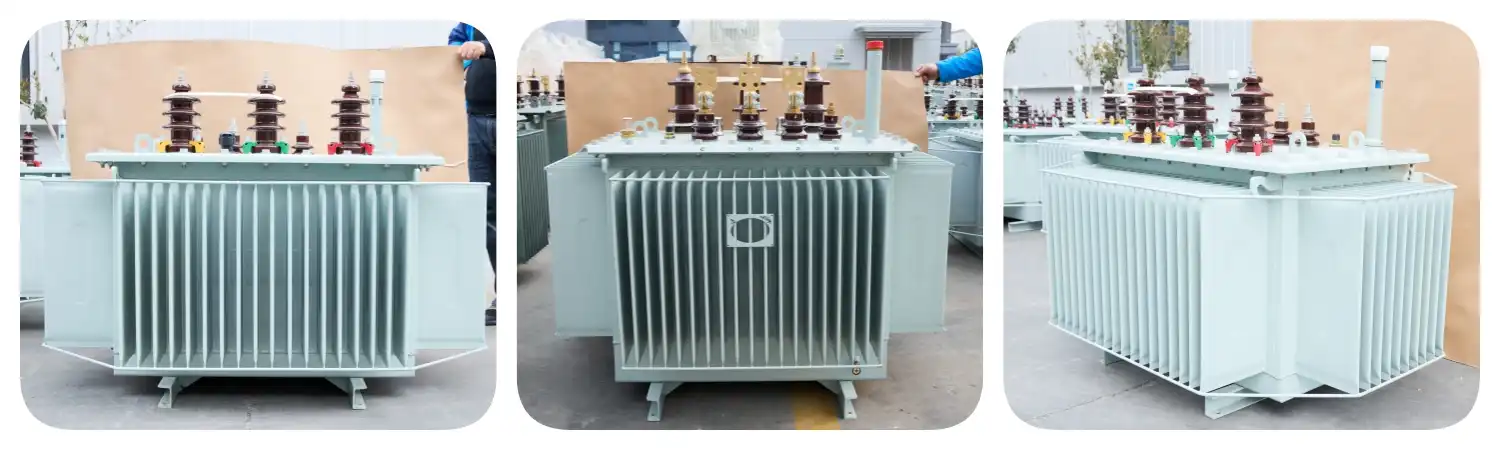
Through electromagnetic induction, a high voltage transformer moves electricity from one circuit to another. It is different from regular distribution equipment because it works with voltages above 36kV and has a more complicated design. Units need to be able to handle Basic Impulse Level (BIL) surges, keep partial discharge levels below 100 pC at 1.58 Um, and provide accurate impedance voltage for managing short-circuit current. Grain-oriented silicon steel is used in the core to keep hysteresis losses as low as possible. High-purity cellulose or synthetic materials that can withstand decades of temperature cycles are used in the insulation system.
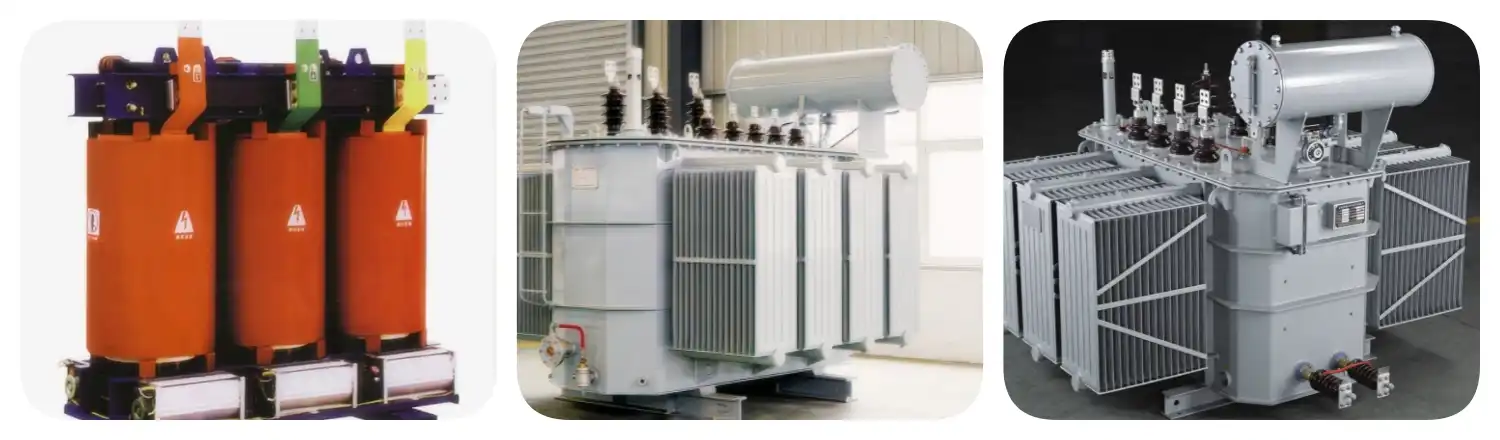
Industrial networks can be set up in two main ways. Oil-immersed transformers are great for outdoor substations, utility transmission yards, and heavy industry settings like steel mills and chemical plants because they use natural or manufactured insulating oil to cool and protect the dielectric. The ONAF (Oil Natural Air Forced) and OFAF (Oil Forced Air Forced) cooling modes make them much better at keeping heat in. Dry-type units, on the other hand, use air cooling and cast resin insulation. This makes them perfect for indoor sites like business buildings, industrial parks, and renewable energy substations that need to meet fire safety and environmental standards.
The choice between these two technologies has a direct effect on the long-term cost, the amount of maintenance required, and the overall installation footprint of an HV transformer. Procurement engineers and project managers must carefully evaluate these factors when selecting an HV transformer, taking into account the specific operating conditions and requirements at the site. Choosing the right HV transformer can help optimize installation space, maintenance requirements, and total lifecycle costs.
Thorough testing before and after commissioning are the first steps to long-term operating stability. According to IEC 60076 and IEEE C57.12.00, the following methods are the best way for businesses to do things:
Not only are these tests necessary, but they are also the diagnostic backbone that keeps transformers working longer than the 30 years that most industrial operators require.
What testing starts is strengthened by regular care. Maintenance teams can fix small problems before they become expensive outages by checking the cooling system, taking samples of the oil, and using thermal imaging on a regular basis.
Industrial owners who are trying to cut costs can't ignore the losses that happen when the transformers are not in use or when they are. Modern high-efficiency designs with amorphous metal cores cut no-load losses by as much as 70% compared to traditional silicon steel cores. This is a clear benefit for systems that are used all the time. Online DGA sensors, fiber-optic thermal probes, and remote SCADA connections are now all part of smart tracking systems. This makes it possible for predictive maintenance strategies that change asset management from reactive to proactive.
When there are heavy, changing loads, such as in an electric arc furnace used to make steel, an oil-immersed HV transformer works best because its high thermal mass can absorb sudden current spikes. In urban distribution networks and renewable energy collection systems, a dry-type HV transformer can provide a safer and lower-maintenance solution. Selecting the appropriate HV transformer design based on load characteristics, installation conditions, and maintenance requirements can help improve overall system reliability and operational efficiency.
When put together, these improvements in design and tracking lead to lower total lifetime costs and more stable operating budgets.
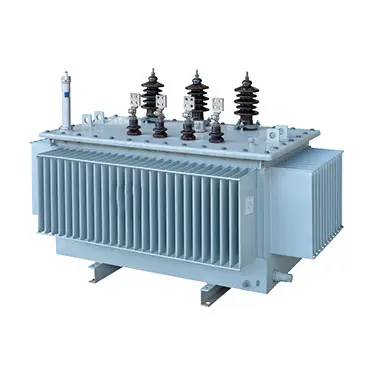
Getting a high-voltage generator is not a simple deal. It is an investment in cash that will last for 20 to 30 years of continued use. Electrical engineers and procurement managers need to look at more than just the unit price.
The technical standard has to match the voltage levels, load profiles, short-circuit capacities, and local grid code needs of the place. When choosing a cooling technology, mounting area, extra power use, and repair times are all affected. Compliance with certifications like ISO 9001, IEC 60076, CE, and UL is a must for projects that need to follow international rules or meet financing requirements.
Stability in the supply chain is just as important as technical details. For projects that need to be delivered in batches over long periods of time, they need a manufacturer that has proven they can make a lot of units, not just one. Customization responsiveness—for example, for changing voltage ratios, tap changer setups, or special insulation needs—is what sets capable makers apart from commodity providers.
Here are the main factors that experienced project managers use to judge the quality of a procurement:
When these factors are used in a planned way, they help buying teams make decisions about where to buy things that they can back up with evidence.
When there are heavy, changing loads, such as in an electric arc furnace used to make steel, an oil-immersed HV transformer works best because its high thermal mass can absorb sudden current spikes. In urban distribution networks and renewable energy collection systems, a dry-type HV transformer can provide a safer and lower-maintenance solution. Selecting the appropriate HV transformer design based on load characteristics, installation conditions, and maintenance requirements can help improve overall system reliability and operational efficiency.
In heavy industrial settings, steel plant workers who use electric arc furnace transformers have reported measurable drops in production downtime after switching to units with better short-circuit resistance and continuous online tracking. The extra money spent on better equipment paid off because it needed less upkeep and was serviced more often.
In the future, being able to connect to a smart grid and using digital tracking will not be seen as extra benefits, but as basic requirements. Grid workers can now handle their assets with a level of accuracy that wasn't possible ten years ago thanks to transformer units that have IEC 61850-compatible communication protocols and live status tracking.
The engineering quality of each HV transformer in the network is what makes industrial electricity transmission stable. Choosing the right HV transformer for the voltage requirements, load conditions, installation environment, and long-term cost-effectiveness is a decision that can have effects for decades. That choice is supported by thorough testing, preventive maintenance, and smart procurement practices. As renewable energy is used more widely and industrial power networks become more complex, the reliability and efficiency of HV transformer technology can provide a real competitive advantage.
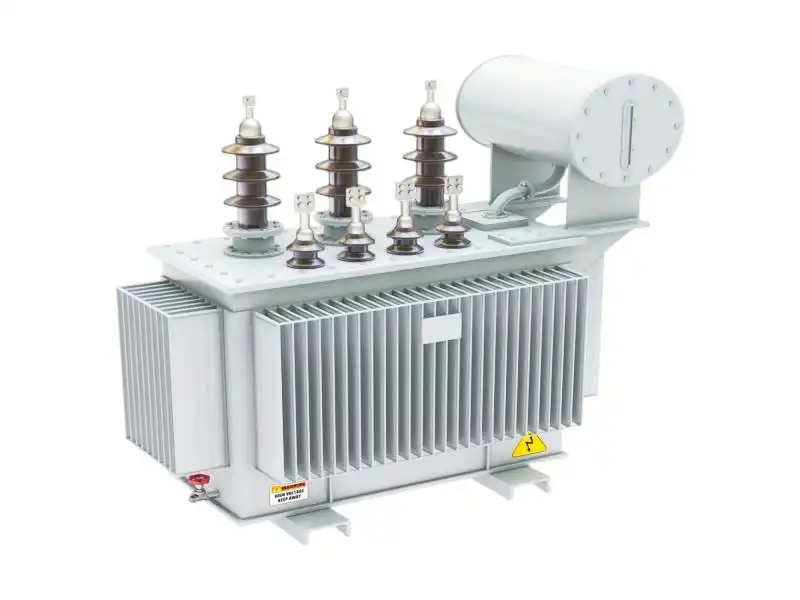
Most industrial high voltage transformers last between 25 and 35 years if they are installed correctly, maintained regularly, and have their oil checked every so often. Units that are part of proactive maintenance and constant tracking systems often go above and beyond this range.
Oil-immersed units work best in outdoor substations, industrial settings with a lot of load, and other places where better thermal capacity is needed. Dry-type units work best indoors, in places that are prone to fire, and in places where there is a low risk of environmental spills, like commercial buildings and places where renewable energy is collected.
Check for at least ISO 9001:2015 compliance, IEC 60076 compliance, and CE or UL certification, depending on the market you want to reach. Some projects that involve foreign funding or government control may need extra certifications.
Dissolved Gas Analysis that is done regularly gives the best diagnostic information. It finds growing problems months before they stop working, so planned repairs can be done instead of having to be done quickly.
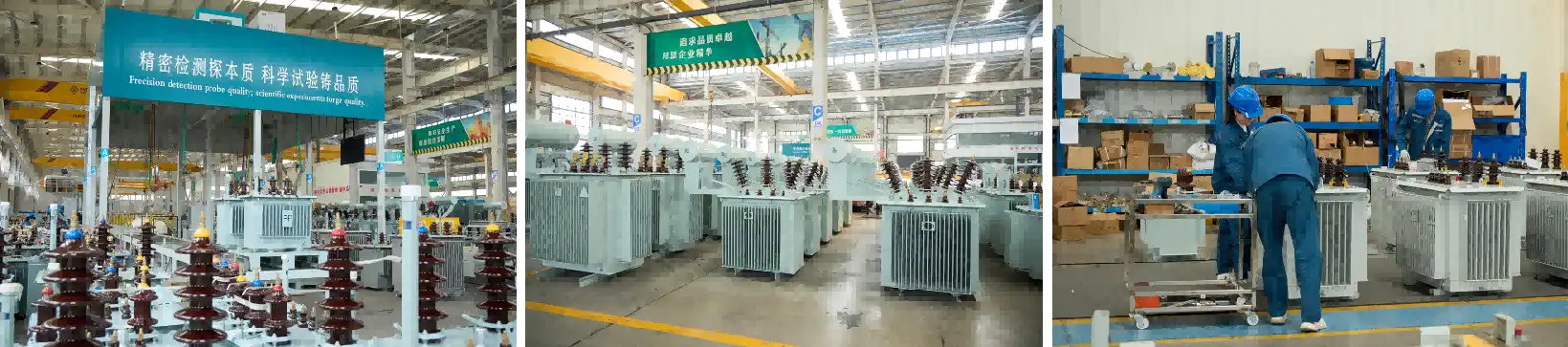
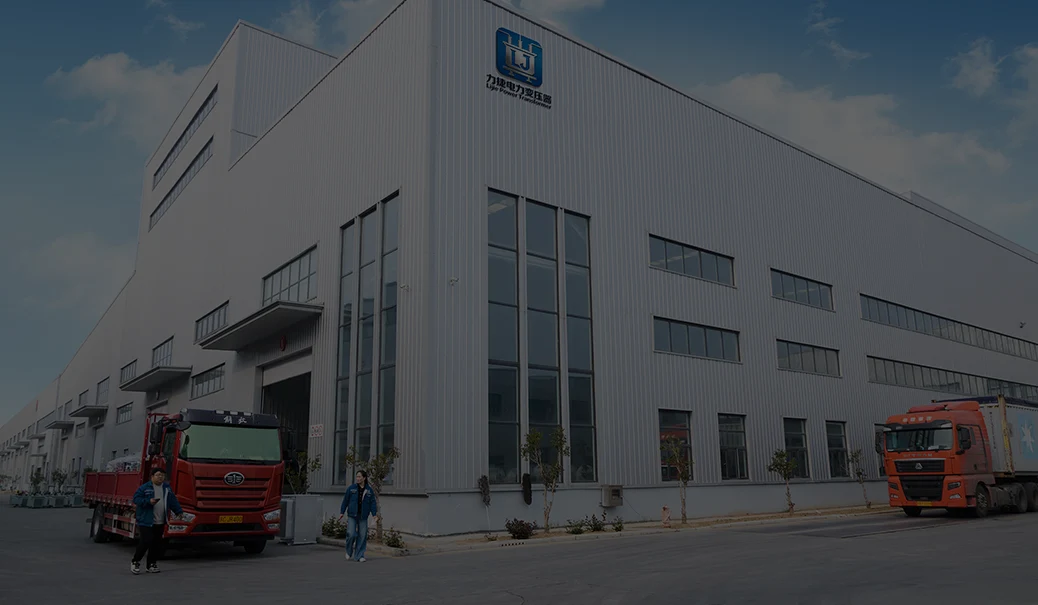
The HV Transformers that Lijie Electric Power Technology Group makes range from 35kV to 500kV and more. They are fully certified by ISO 9001:2015, IEC, CE, and UL. Our 500,000-square-meter production bases in Xuzhou and Nantong allow us to perform large amounts of work at once. As a reliable HV Transformer manufacturer, we offer custom designs, strict quality checks, and quick customer service after the sale. Get a price from us today by emailing lijieelectrical@gmail.com or going to lijie-electrical.com.
1. International Electrotechnical Commission. IEC 60076: Power Transformers. IEC, 2011.
2. IEEE Standards Association. IEEE C57.12.00: Standard for General Requirements for Liquid-Immersed Distribution, Power, and Regulating Transformers. IEEE, 2021.
3. Kulkarni, S.V. & Khaparde, S.A. Transformer Engineering: Design, Technology, and Diagnostics. CRC Press, 2012.
4. Cigré Working Group A2.49. Condition Assessment of Power Transformers. Cigré Technical Brochure, 2019.
5. Baehr, R. Transformer Technology: State-of-the-Art and Trends of Future Development. Electra, Cigré, 2001.
6. U.S. Department of Energy. Replacing an Aging Transformer Fleet: Challenges and Opportunities for the U.S. Electric Grid. DOE Office of Electricity, 2020.
YOU MAY LIKE


18%20type%20epoxy%20resin%20cast%20transformer.webp)
10%20type%20dry-type%20distribution%20transformer.webp)


April 27, 2025
With a tight project schedule, the manufacturer delivered on time, and on-site technical personnel provided guidance throughout the entire installation and commissioning process; the collaboration was highly efficient and hassle-free.
July 2, 2025
During the preliminary phase, a selection plan was custom-tailored based on the actual site load requirements, resulting in a high degree of parameter compatibility. After-sales support responds within two hours, and ongoing technical support for operation and maintenance is comprehensive; we feel completely confident in a long-term partnership.
November 18, 2025
Deployed as a supporting component for a 35kV grid-connection project at a photovoltaic power station, the equipment operates for an average of 16 hours daily. It demonstrates excellent control over no-load losses, ensures smooth power generation and grid integration, and effectively reduces the station's overall energy consumption.
January 30, 2026
Under the continuous, high-load operating conditions of a factory production line, the equipment maintains stable electrical parameters and exhibits strong overload resistance, thereby guaranteeing an uninterrupted power supply for industrial production.
April 3, 2026
Integrated as a supporting component for a new energy photovoltaic grid-connection system, the manufacturer provided professional technical coordination and timely after-sales support, ensuring seamless adaptation to the specific electrical operating conditions required for grid integration.