April 27, 2025
With a tight project schedule, the manufacturer delivered on time, and on-site technical personnel provided guidance throughout the entire installation and commissioning process; the collaboration was highly efficient and hassle-free.
Sep 25, 2026
If you work in power distribution, renewable energy, heavy manufacturing, or large-scale infrastructure, you already know how critical the right transformer selection is. A medium voltage transformer — engineered to operate within the 2.4 kV to 35 kV range — serves as the essential bridge between high-voltage transmission networks and the practical voltage levels that industrial equipment and commercial facilities actually consume. From solar farms stepping up inverter output to steel plants powering electric arc furnaces, the application scope is remarkably broad, and selecting the wrong unit creates compounding costs across a 25–30 year operational lifespan.
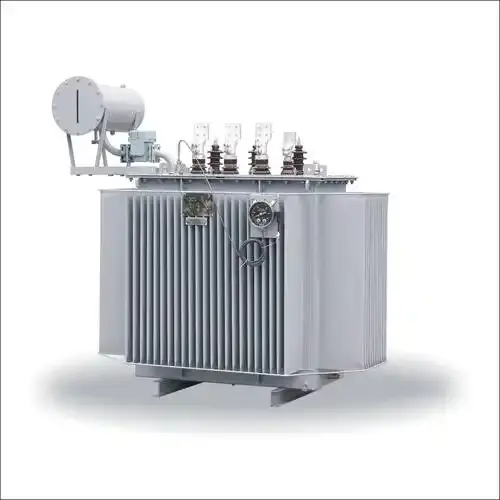
A Medium Voltage Transformer is a part of a power distribution system that changes voltages between 2.4 kV and 35 kV. It fixes long-standing problems with the grid, like line losses that are too high during localized distribution, unstable voltage in decentralized microgrids, and the need for galvanic isolation to protect sensitive electronics further down the line. By converting energy more efficiently at this voltage level, these units lower their total cost of ownership by a large amount. This is because they have less thermal stress and higher efficiency ratios, usually reaching or beating the DOE 2016 efficiency standards of 98.5% or better at full load.
Grain-oriented silicon steel laminations, which keep hysteresis and eddy current losses to a minimum, make up the core of the construction. Copper or aluminum is used for the windings depending on how well they conduct electricity and how much money is available. Insulation systems need to achieve low partial discharge levels, usually below 10 pC, to make sure the dielectric stays intact over time.
Medium voltage distribution equipment is used in a huge variety of fields. The five industries in the U.S. market that buy the most are:
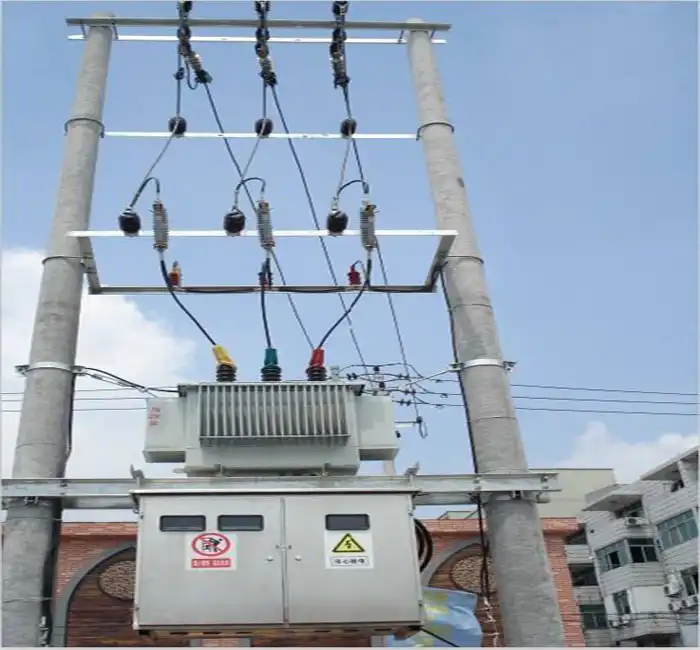
One of the most important decisions in the procurement process is which configuration to use: dry-type (cast resin) or liquid-immersed (mineral oil or natural ester FR3) units.
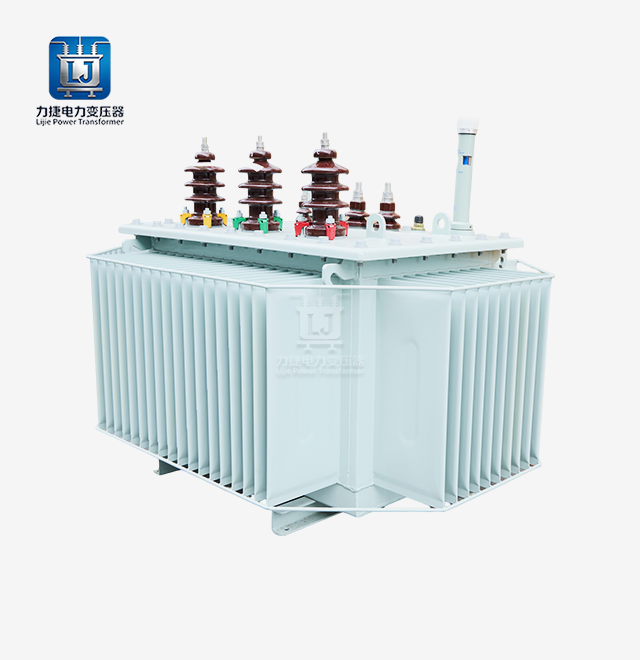
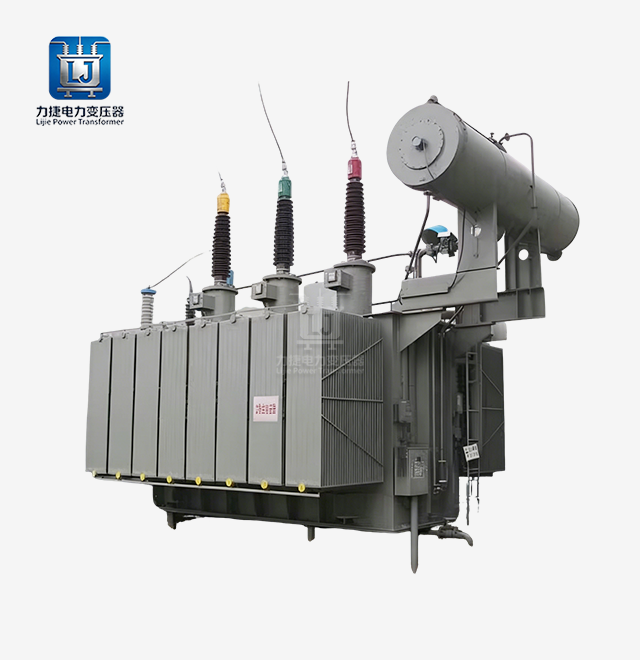
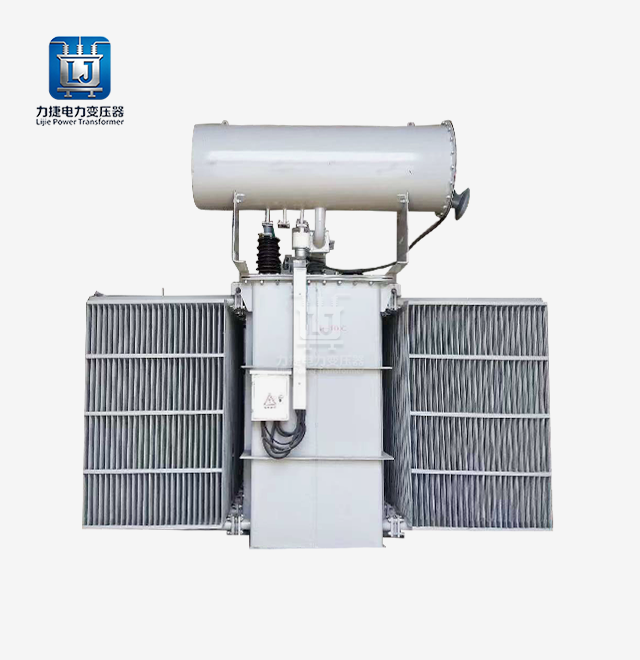
Dry-type Medium Voltage Transformer units work well indoors in places like data centers, business buildings, and urban substations because they don't catch fire and require relatively little upkeep. Infrared thermography and annual cleaning cycles are usually enough to keep a Medium Voltage Transformer operating reliably. On the other hand, oil-immersed Medium Voltage Transformer units are much better at getting rid of heat and are more cost-effective to deploy at utility scale and outdoors. They require annual dissolved gas analysis (DGA) and oil sampling to monitor insulation condition, but a Medium Voltage Transformer with an oil-immersed design can provide better short-circuit strength and longer cooling intervals when heavy loads are applied.
Derating factors should also be taken into account by procurement teams that work in tough outdoor settings, like wind farms on the coast or mines at high elevations. Basic Insulation Level (BIL) and cooling capacity must be recalculated above 1,000 meters elevation to account for less dense air.
When deciding which suppliers to work with to get MV distribution equipment, the people in charge of procurement always look at five factors. These factors aren't just technical boxes to be checked; they're risk management choices that will have long-term financial effects.
Here are the main criteria that B2B procurement teams in this sector use to judge bids:
When these criteria are used consistently, they narrow down the list of suppliers by a large amount and make sure that product specifications match up with actual operational needs. Procurement managers who skip the lifecycle cost estimate frequently face budget overruns within the first decade of service.
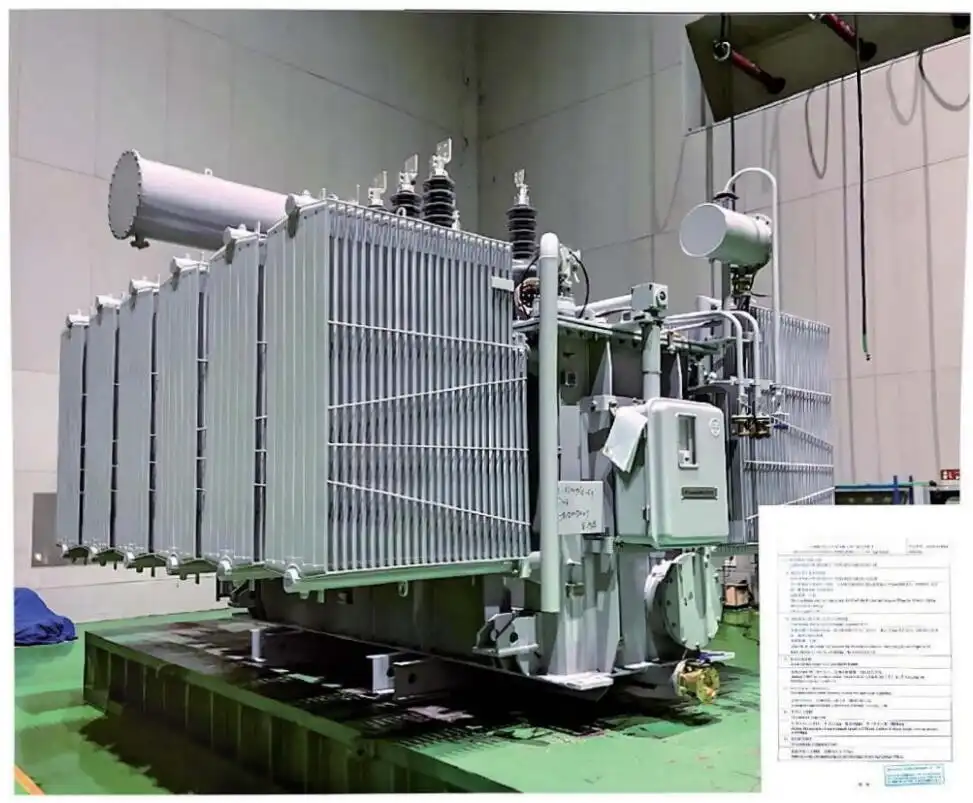
A steel plant in the Midwest of the United States that uses electric arc furnace technology needs transformer units that can handle big changes in voltage and harmonic loads without wearing out the insulation. In this case, rectifier transformers with improved short-circuit strength—rated for 10,000 or more processes per year—keep high-capacity motors running smoothly, which cuts down on unplanned downtime.
A 200 MW solar farm with various inverter strings needs a Medium Voltage Transformer that can handle daily load changes from zero to full capacity. According to a study released by the National Renewable Energy Laboratory (NREL), harmonic distortion from utility-scale inverters can accelerate insulation aging in standard transformers by up to 40% compared with K-rated designs, making the correct selection of a Medium Voltage Transformer especially important for large solar projects. This risk can be significantly reduced when the appropriate K-factor is specified during the planning phase, helping ensure that each Medium Voltage Transformer can withstand the harmonic loads and operating conditions associated with utility-scale solar generation.
A large data center operator in Virginia chose cast-resin dry-type units with VPI insulation technology because they wanted to meet both fire code requirements and uptime goals. Because of this, the repair schedule was 30% longer than with the old equipment, and there were no fires during the five years it was in use.
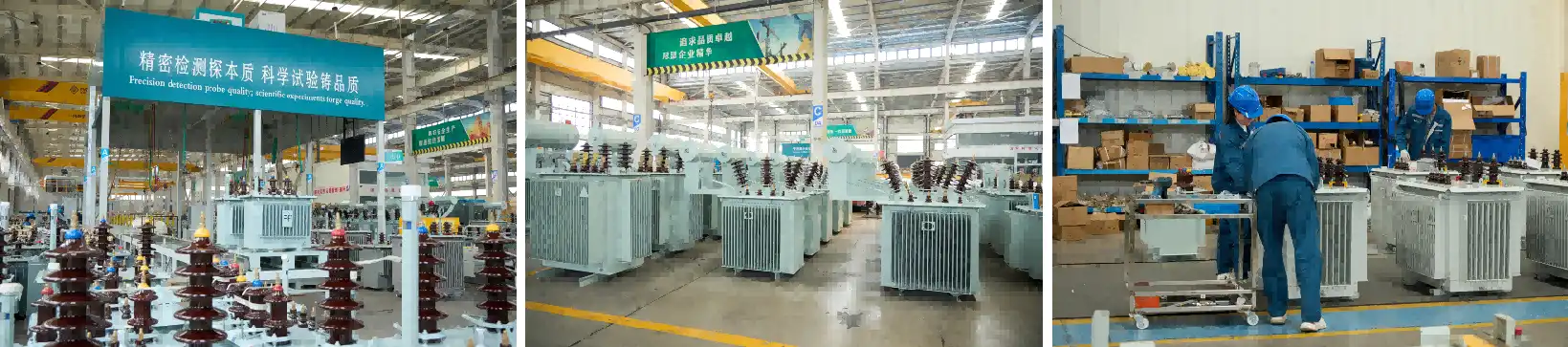
Strategic buying is more than just placing an order. The first and most important thing is to find a supplier who can actually make large quantities of something, not just act as a trading middleman. Supply chain risk is cut down a lot by checking the production base scale, in-house testing protocols, and reference project history.
For buyers who will buy again, long-term framework deals with volume price tiers are the best way to arrange their total costs. Suppliers with focused after-sales tech teams can find problems faster and fix them in less time, which directly saves production uptime. As part of qualifying a supplier, you should always ask for certified test reports from national laboratories that have been approved.
Medium Voltage Transformer solutions are used in a lot of different areas, from grid infrastructure and industrial manufacturing to data centers and integrating renewable energy. To choose the right unit, you need to make sure that the technical specs meet the needs of the application, look at the total cost of ownership, and work with a company that has real production depth and certifications that can be checked. The decision made today about what to buy will affect operational reliability for the next twenty to thirty years. This means that supplier credibility and technical alignment are the most important factors in the process.
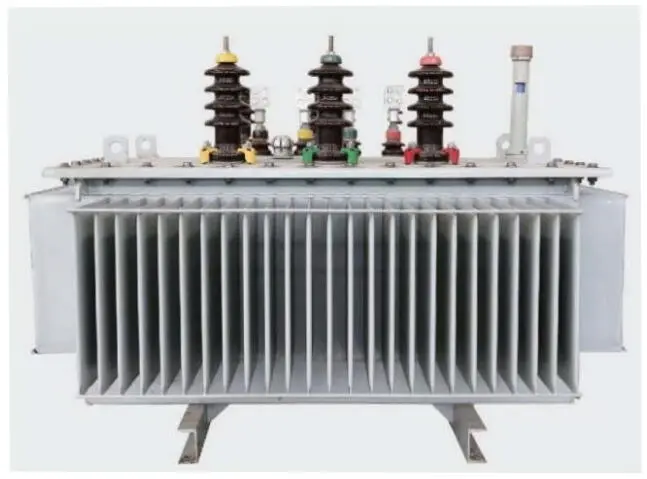
When units are well-built and well-maintained, they can usually last 25 to 30 years. The upper end of this range is always reached by oil-immersed transformers that get yearly DGA tests and dry-type units that get regular infrared inspections.
Harmonic currents can cause thermal stress, but K-factor rated designs and electrostatic protection between the main and secondary windings can help lower that stress. For data centers and green energy uses, making sure the right K-factor is specified when buying stops insulation from breaking down too quickly.
ISO 9001, IEC 60076, IEEE C57.12.00, and CE or UL marks are some of the basic requirements, depending on where the product will be used. DOE 2016 efficiency standards must be met for all energy projects in the United States.
Yes, changes are made to the BIL and cooling capacity when the elevation is above 1,000 meters. Mining-grade versions have NEMA 3R or IP66 housings that keep out dust and vibrations that can damage them.
Most good makers aim for 98.5% or higher at full load, which meets or beats DOE 2016 and NEMA TP-1 standards. This lowers energy loss costs by a large amount over a 30-year lifespan.
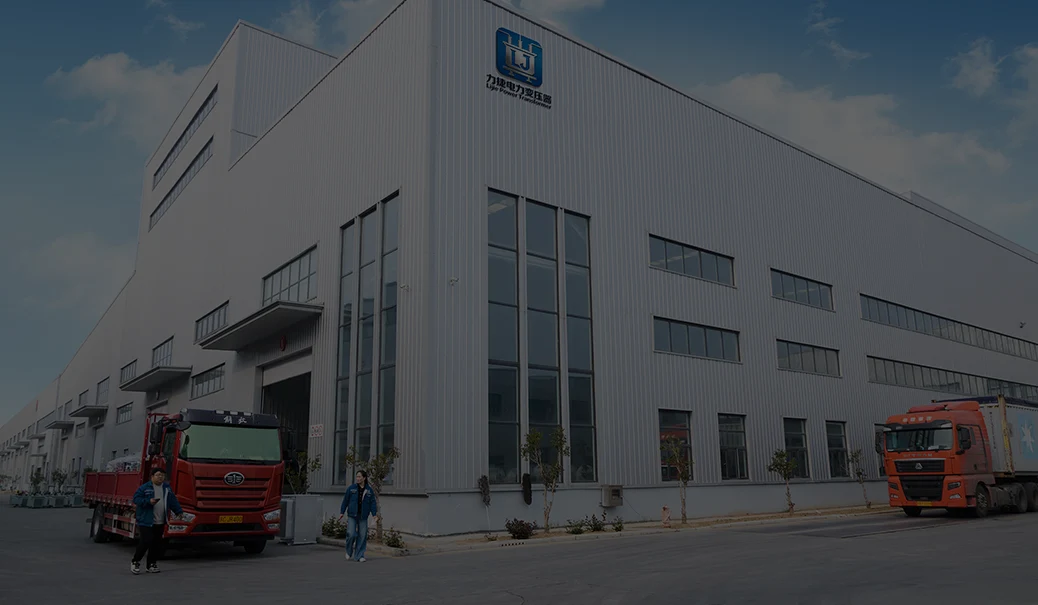
The Lijie Electric Power Technology Group makes a full range of Medium Voltage Transformers, including dry-type and oil-immersed distribution units, as well as electric furnace, rectifier, and mine transformers. All of their products are approved to meet IEC, CE, UL, and ISO 9001:2015 standards. We provide dependable bulk supplies for complicated projects thanks to our two factories that cover an area of 500,000 square meters and our yearly sales that exceed 5 billion RMB. We are a reliable provider of Medium Voltage Transformers. You can email us at lijieelectrical@gmail.com or go to lijie-electrical.com to see all of our products.
1. IEEE Standard C57.12.00 – General Requirements for Liquid-Immersed Distribution, Power, and Regulating Transformers, IEEE, 2021.
2. IEC 60076-1 – Power Transformers: General Requirements, International Electrotechnical Commission, 2011.
3. U.S. Department of Energy – Energy Conservation Standards for Distribution Transformers, Federal Register, 2016.
4. National Renewable Energy Laboratory (NREL) – Harmonic Distortion Impacts on Transformer Aging in Utility-Scale PV Systems, NREL Technical Report, 2020.
5. NEMA TP-1 – Guide for Determining Energy Efficiency for Distribution Transformers, National Electrical Manufacturers Association, 2002.
6. IEEE Transactions on Power Delivery – Lifecycle Cost Analysis of Medium Voltage Transformer Selection in Industrial Applications, IEEE, 2019.
YOU MAY LIKE
10%20type%20dry-type%20distribution%20transformer.webp)

12%20Series%20Dry%20Type%20Transformer.webp)
18%20type%20epoxy%20resin%20cast%20transformer.webp)

April 27, 2025
With a tight project schedule, the manufacturer delivered on time, and on-site technical personnel provided guidance throughout the entire installation and commissioning process; the collaboration was highly efficient and hassle-free.
July 2, 2025
During the preliminary phase, a selection plan was custom-tailored based on the actual site load requirements, resulting in a high degree of parameter compatibility. After-sales support responds within two hours, and ongoing technical support for operation and maintenance is comprehensive; we feel completely confident in a long-term partnership.
November 18, 2025
Deployed as a supporting component for a 35kV grid-connection project at a photovoltaic power station, the equipment operates for an average of 16 hours daily. It demonstrates excellent control over no-load losses, ensures smooth power generation and grid integration, and effectively reduces the station's overall energy consumption.
January 30, 2026
Under the continuous, high-load operating conditions of a factory production line, the equipment maintains stable electrical parameters and exhibits strong overload resistance, thereby guaranteeing an uninterrupted power supply for industrial production.
April 3, 2026
Integrated as a supporting component for a new energy photovoltaic grid-connection system, the manufacturer provided professional technical coordination and timely after-sales support, ensuring seamless adaptation to the specific electrical operating conditions required for grid integration.