April 27, 2025
With a tight project schedule, the manufacturer delivered on time, and on-site technical personnel provided guidance throughout the entire installation and commissioning process; the collaboration was highly efficient and hassle-free.
Sep 28, 2026
When making a long-term energy infrastructure investment, choosing the right power transformer supplier is one of the most consequential decisions a procurement team will face. The supplier you select affects not just the equipment you receive today, but your operational costs, grid reliability, and compliance standing for the next 10 to 30 years. A capable supplier combines technical depth, certified manufacturing, bulk delivery capability, and responsive after-sales support — giving your project a solid foundation from day one.
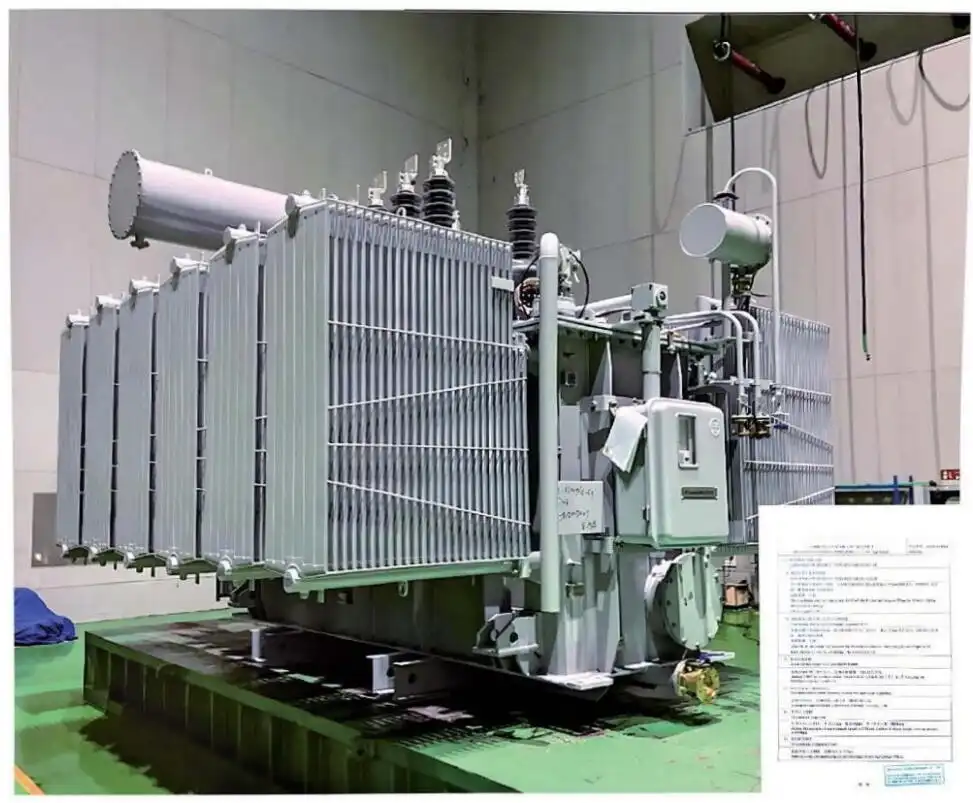
A power transformer supplier is not the same thing as every company that sells transformers. For accurate buying, you need to know the difference.
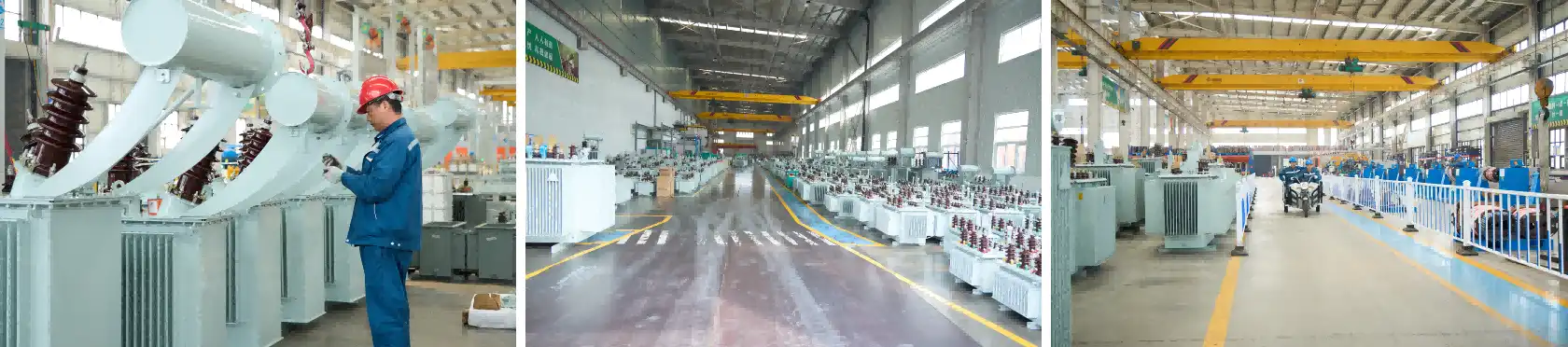
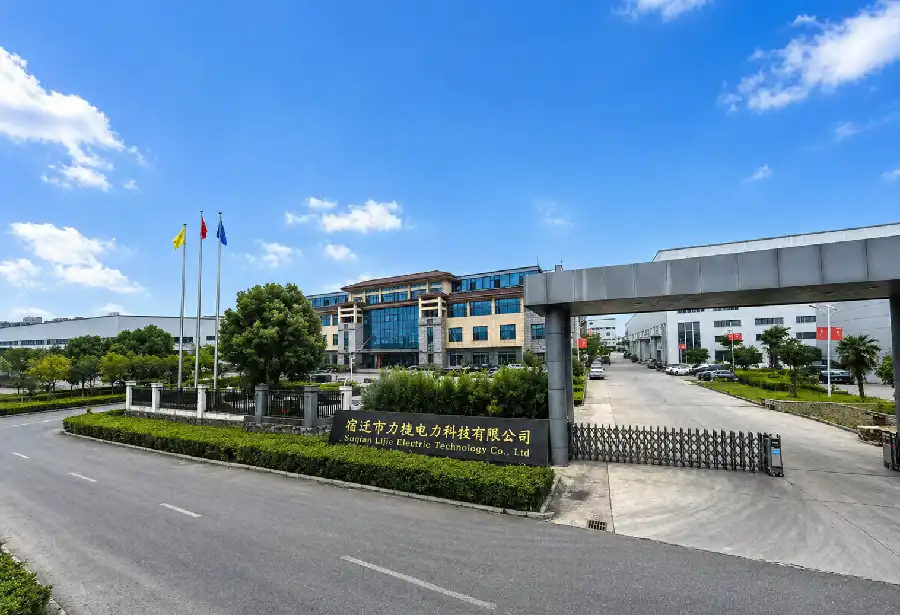
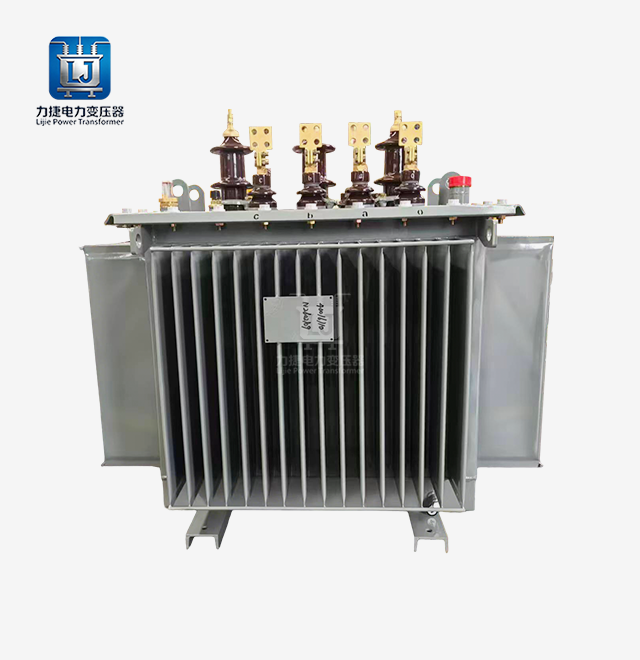
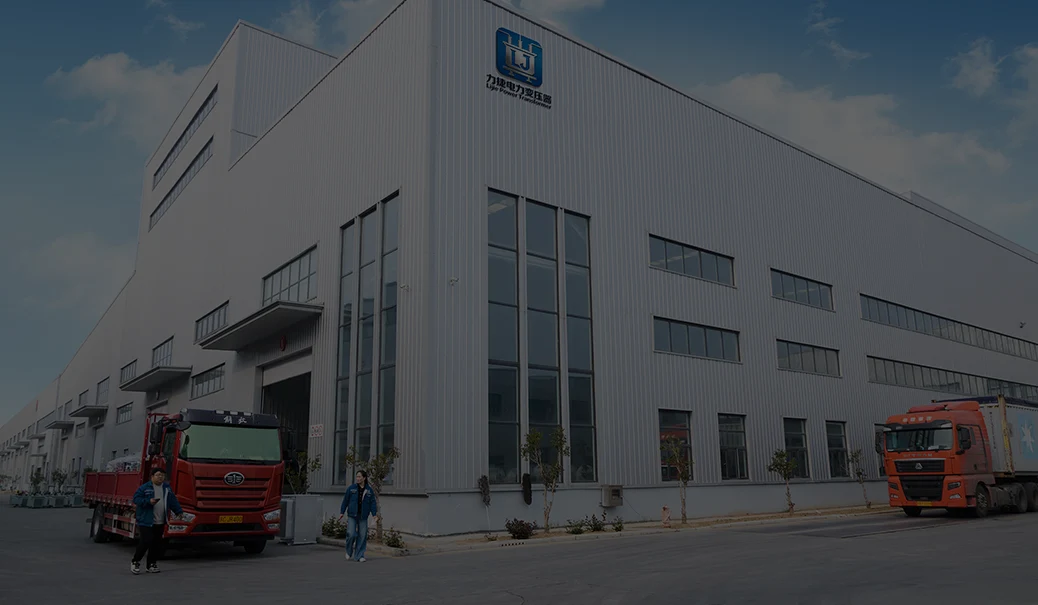
Transformers are made from raw materials like electrolytic copper windings, grain-oriented silicon steel, and insulating systems. Third-party equipment can be bought, sold, or integrated by a supplier. When you work directly with a manufacturer-supplier on long-term infrastructure projects, you have more control over the specs, wait times, and quality of the work. For example, Lijie Electric has two large production bases that cover 500,000 square meters each in Xuzhou and Nantong. This gives the company full control over the whole production process.
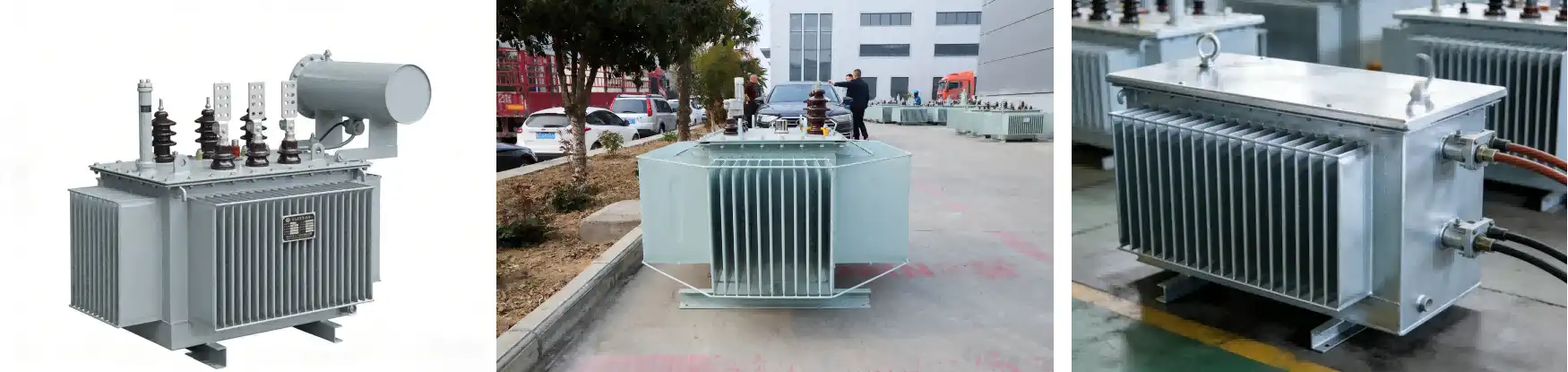
Different types of projects need different types of transformers. Here are the main types that matter for investing in infrastructure:
The following are examples of prefabricated and small substations used to connect solar or wind farms, industrial parks, and transportation networks in cities.
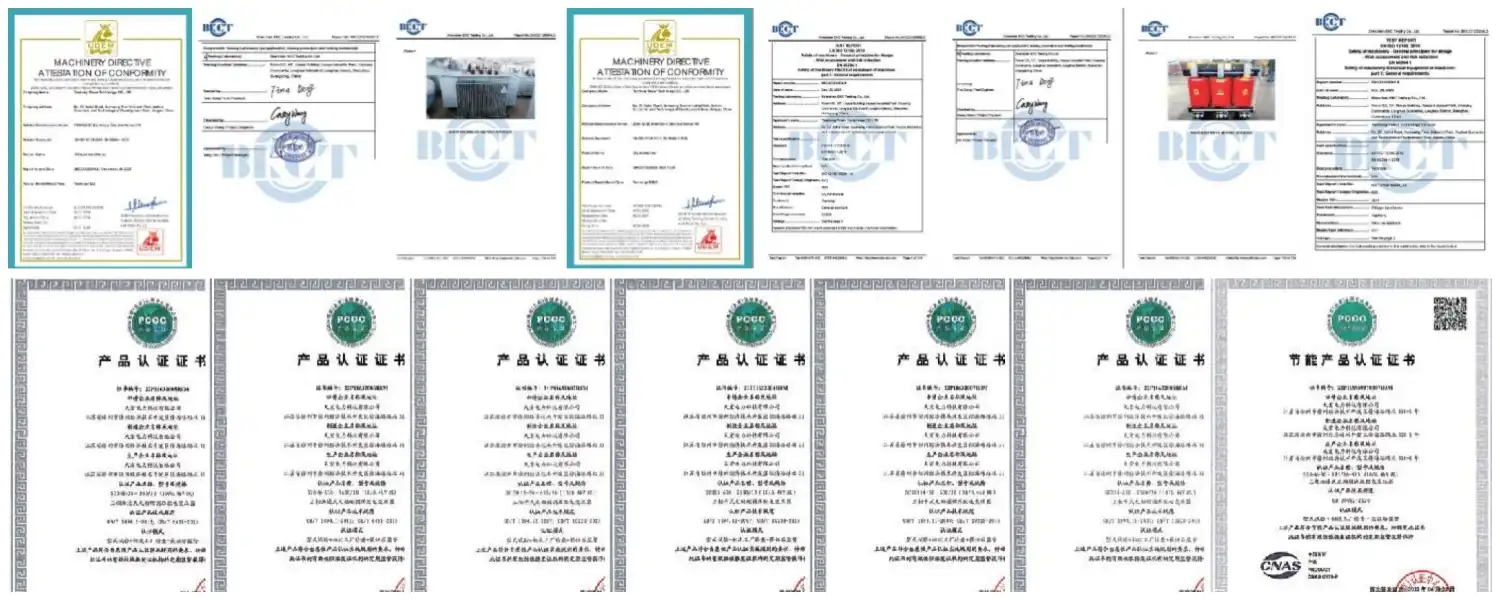
Certifications are more than just forms. They make sure that the equipment meets performance and safety standards that can be measured. Look for certificates from IEC 60076, IEEE C57.12.00, ANSI, ISO 9001:2015, CE, and UL if you are a buyer in the U.S. or another country. ISO 9001:2015, CE, UL, and IEC are all certifications that Lijie Electric has. The National Transformer Quality Supervision and Inspection Center and the Wuhan High Voltage Research Institute have also tested their products on their own with Power Transformer Supplier.
When buying transformers, you should never base your choice on price alone. Your investment will be safe for decades if you do an organized review that looks at a number of factors.
Operational dependability is the most important measure. Transformers with ratings from 5MVA to over 1000MVA must keep working well even when the temperature changes, there is a short circuit, or the load changes. One standard that you should ask any potential supplier to meet is short-circuit withstand testing according to IEC 60076-5. A supplier's belief in their product is shown by a warranty that lasts at least two years and includes clear instructions for service after the sale.
A low buying price can hide high costs over the product's lifetime. Every year, a transformer with low no-load losses wastes less energy, and over its 25-year service life, that difference grows by a large amount. The U.S. Department of Energy says that transformer energy losses in the U.S. grid are responsible for about 2% to 3% of all the electricity that is made. Choosing equipment that is designed to have low core losses will directly lower that number and your running costs.
Consistent batch deliveries, not piecemeal packages, are needed for big building projects. Ask providers how much they can produce each year and how much experience they have with orders for more than one unit. Lead times for custom-engineered units range from 24 to 52 weeks, depending on the MVA rating and where the materials are sourced. Resellers can't predict this timeline as well as suppliers who have dedicated supply chain teams and integrated manufacturing teams.
The transformer supply market is shifting in response to renewable energy growth, grid modernization, and increased geopolitical pressure on supply chains.
Utilities and renewable energy operators increasingly require transformers equipped with online Dissolved Gas Analysis (DGA) sensors and fiber-optic winding temperature monitors. These tools support condition-based maintenance, reducing unplanned downtime. Suppliers that offer integrated monitoring capability — rather than retrofitted third-party systems — provide a more coherent solution for modern grid management.
Global silicon steel and copper supply constraints have pushed transformer lead times to historic highs in recent years. The BloombergNEF 2023 Energy Transition report noted that transformer shortages are becoming a bottleneck for grid expansion projects in North America and Europe. Suppliers with vertically integrated production and diversified material sourcing — like Lijie Electric, which has over 2,000 employees and dedicated engineering teams — carry significantly less supply risk than smaller distributors with Power Transformer Supplier.
Long-term procurement relationships are moving away from transactional purchasing toward framework agreements. Suppliers offering technical consultation, customization collaboration, and post-installation support create greater value than those who simply ship equipment. This model aligns with the needs of EPC contractors and utility operators who need a partner, not just a vendor.
Global providers like Siemens, ABB, GE, Schneider Electric, and Mitsubishi are all very strong in certain types of markets.
Siemens and ABB are the leaders in ultrahigh voltage and digital grid uses. They have a lot of engineers working for them, but their prices are high, which can make it hard for projects with limited funds. Both GE and Schneider Electric have large product lines for the utility and industrial markets, and their service networks are well-established in North America. Mitsubishi is great at making large units with a lot of power.
Manufacturers like Lijie Electric make a strong case for projects that need to be cost-effective, meet approval requirements, and be able to deliver in large quantities. Lijie Electric competes directly on quality and delivery, with annual sales of more than 5 billion RMB and products sent to markets such as Australia, New Zealand, India, Vietnam, Malaysia, Kazakhstan, Egypt, and Kenya. They also have full IEC, CE, and UL certification, so they can make changes to fit the needs of any project.
The main thing that sets suppliers apart is their ability to deal with both large-scale logistics and technical complexity at the same time.
Three main reasons why transformer projects fail to go through the procurement process are unclear technical specs, poor seller screening, and weak contract terms.
In your RFQ papers, you should list the vector group needs (for example, Dyn11, Ynd11), ONAN/ONAF/OFAF cooling requirements, main voltage levels, and insulation class. It takes longer to finish a project when the specifications aren't clear. The answers you get from suppliers will be more accurate and similar if you are very clear in your technical brief.
Ask for plant audit records, third-party test certificates, and client references from projects that are about the same size. Reading test results that have been signed off by reputable organizations like the National Transformer Quality Supervision and Inspection Center tells you a lot more than a product brochure.
Contracts should have delivery milestone dates, the right to check for quality, performance guarantees, and ways to handle problems that get out of hand. When suppliers agree to these terms, they show that they have faith in the business. One-time purchase orders don't always work out as well as long-term framework deals with regular performance reviews, especially for infrastructure projects with more than one step.
Choosing the right generator partner can have long-lasting effects on the performance of the grid, the costs of running the business, and the results of projects. The most important features are certified manufacturing quality, the ability to make technical changes, a track record of on-time delivery, and dedicated support after the sale. Not only does price matter, but so do lifetime value, compliance trust, and supply reliability. All of these skills are available at Lijie Electric, along with verified certifications, a lot of experience exporting, and a production platform designed to meet the needs of large-scale projects with Power Transformer Supplier.
A manufacturer produces transformers directly from raw materials and controls the full production process. A supplier may distribute or resell products from multiple manufacturers. For infrastructure projects where consistency and quality traceability matter, working with a manufacturer that also supplies directly gives you clearer accountability.
At minimum, require IEC 60076 compliance, ISO 9001:2015 quality management certification, and relevant market certifications such as CE for European projects or UL for U.S. applications. For energy efficiency compliance, CQC energy efficiency certification is also worth requesting.
Include your rated capacity (MVA), voltage levels, cooling method, installation environment, applicable standards, and required delivery timeline. The more specific your request, the faster and more accurate the supplier's response.
Yes. Dry-type transformers and prefabricated substations can be configured specifically for solar farm collection systems and wind turbine step-up applications, with vector groups and insulation ratings matched to inverter output characteristics.
Leading suppliers offer integrated online DGA sensors and fiber-optic winding temperature systems that enable real-time condition monitoring and predictive maintenance — reducing the risk of unplanned outages over a 20–30 year operational life.
Lijie Electric is a qualified company that makes and sells power transformers. It has more than 2,000 workers, a production area of 500,000 square meters, and more than 5 billion RMB in yearly sales. Our products have been certified by ISO 9001:2015, CE, UL, and IEC, and they have been used in building projects on four countries. We can customize solutions for you and deliver them in batches that you can count on, whether you need ultrahigh voltage units, dry-type transformers, or specialized industrial equipment with Power Transformer Supplier. Please email us at lijieelectrical@gmail.com or visit our website at lijie-electrical.com to talk about the needs of your project.
1. International Electrotechnical Commission. IEC 60076: Power Transformers Standard Series. IEC, 2011.
2. U.S. Department of Energy. Efficiency Standards for Distribution Transformers. DOE, 2023.
3. BloombergNEF. Energy Transition Investment Trends Report. BloombergNEF, 2023.
4. IEEE. IEEE C57.12.00: General Requirements for Liquid-Immersed Distribution, Power, and Regulating Transformers. IEEE, 2021.
5. International Energy Agency. Electricity Grids and Secure Energy Transitions. IEA, 2023.
6. National Electrical Manufacturers Association. Transformer Industry Overview and Supply Chain Analysis. NEMA, 2022.
YOU MAY LIKE

10%20type%20epoxy%20resin%20cast%20transformer.webp)


April 27, 2025
With a tight project schedule, the manufacturer delivered on time, and on-site technical personnel provided guidance throughout the entire installation and commissioning process; the collaboration was highly efficient and hassle-free.
July 2, 2025
During the preliminary phase, a selection plan was custom-tailored based on the actual site load requirements, resulting in a high degree of parameter compatibility. After-sales support responds within two hours, and ongoing technical support for operation and maintenance is comprehensive; we feel completely confident in a long-term partnership.
November 18, 2025
Deployed as a supporting component for a 35kV grid-connection project at a photovoltaic power station, the equipment operates for an average of 16 hours daily. It demonstrates excellent control over no-load losses, ensures smooth power generation and grid integration, and effectively reduces the station's overall energy consumption.
January 30, 2026
Under the continuous, high-load operating conditions of a factory production line, the equipment maintains stable electrical parameters and exhibits strong overload resistance, thereby guaranteeing an uninterrupted power supply for industrial production.
April 3, 2026
Integrated as a supporting component for a new energy photovoltaic grid-connection system, the manufacturer provided professional technical coordination and timely after-sales support, ensuring seamless adaptation to the specific electrical operating conditions required for grid integration.