April 27, 2025
With a tight project schedule, the manufacturer delivered on time, and on-site technical personnel provided guidance throughout the entire installation and commissioning process; the collaboration was highly efficient and hassle-free.
Oct 21, 2026
It is one of the most important choices that a procurement team will make to choose the correct distribution transformer supplier. Whether you’re fuelling a burgeoning city grid, a commercial high-rise or a far-flung rural hamlet, the incorrect choice costs you time, money and operational stability. This book takes you through the process of defining suppliers, selecting the best ones, current market trends, how to price and who to work with so you can make your next buying choice with confidence and knowledge.
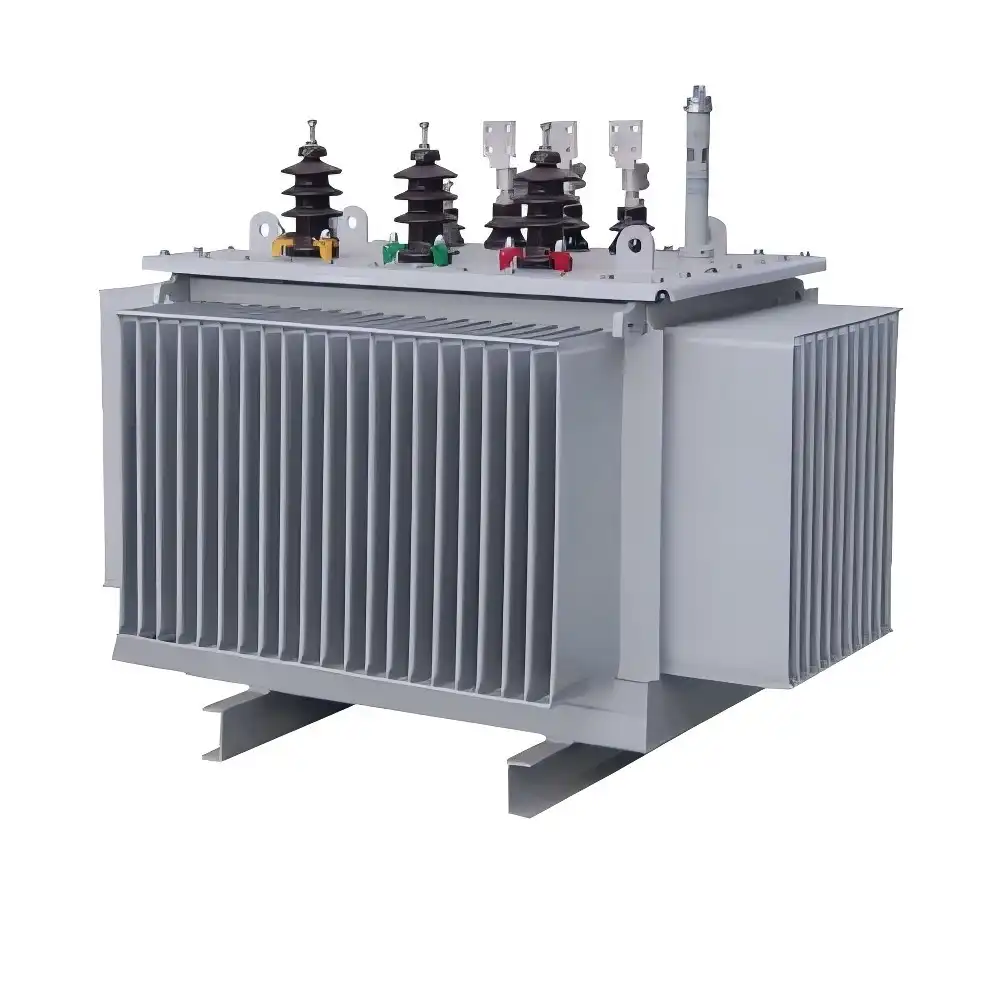
As the name suggests, a Distribution Transformer Supplier is a company that develops, produces and provides transformers that scale down voltages in a power network, usually from 11kV to 33kV to 230V to 400V. A certified supplier however, does one step farther than a regular distributor, who is just reselling stuff, providing engineering support, customising of products, documentation for compliance and maintenance after delivery. This is particularly important in major building projects when the technical responsibility cannot be assigned to a third party.
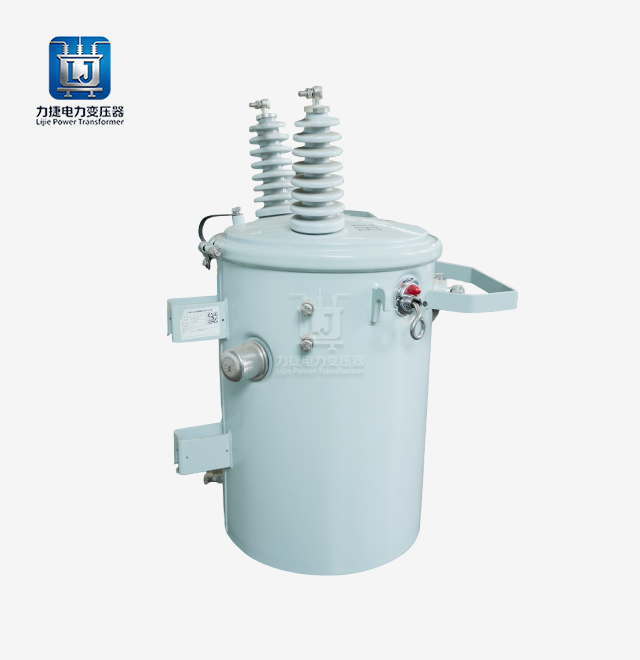
Transformers installed on poles are used for rural electrification and in suburban regions with low population density. They are mounted directly on utility poles and effectively service scattered home loads.
When a project needs 50 or 500 similar units, it's important to have a manufacturer-supplier who directly oversees production so that batches are more consistent, designs can be changed more quickly, and quality data can be tracked. The U.S. Department of Energy's 2023 grid modernization reports say that project delays in the green energy sector were caused by problems in the supply chain that happened because of relying too much on wholesalers who don't make the products.
To choose a supplier, you need to know the specifics of your project, such as voltage level, kVA range (10kVA–2500kVA is typical), vector group demands (Dyn11 is most common for three-phase distribution), installation environment, and estimated service life. In urban networks fire ratings and compact sizes might be significant, while projects in rural regions frequently require corrosion resistant shelters which can be left outdoors.
Product-level approvals under IEC 60076, IEEE C57.12, or DOE 2016 efficiency standards should be held by any reliable supplier with a Distribution Transformer Supplier. So should ISO 9001:2015 quality management certification. If you want to ship something, you need to have CE and UL marks. To make sure that compliance is real, procurement teams should ask for full test results from accredited national labs instead of just certificates.
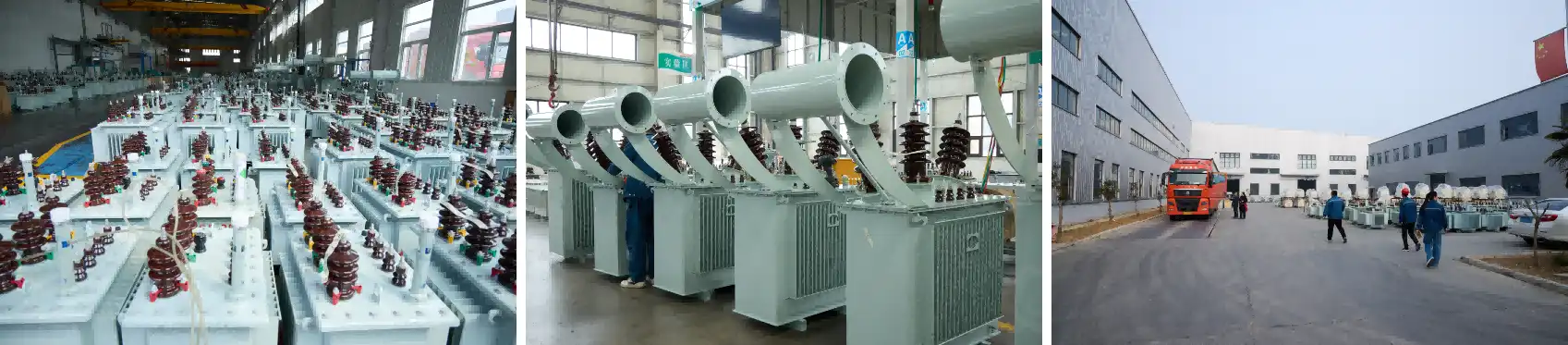
A supplier that can produce more than 5,000 transformer units a year and has a track record of delivering them is considerably different from a local manufacturer. Before putting major project orders or long-term framework agreements, confirm the supplier’s manufacturing capability, consistency of raw material procurement and on-time delivery record. Utility size operations seldom can manage longer lead times, while smaller projects may.
The 2016 minimum efficiency rule from the U.S. DOE cut no-load losses by about 20% compared to earlier benchmarks. Manufacturers are moving toward amorphous metal cores because of the EU's EcoDesign Tier 2 rule. These cores reduce no-load losses by up to 70% compared to silicon steel. When looking for transformers today, buyers should directly ask sellers if their goods meet or exceed these new standards, not just older ones.
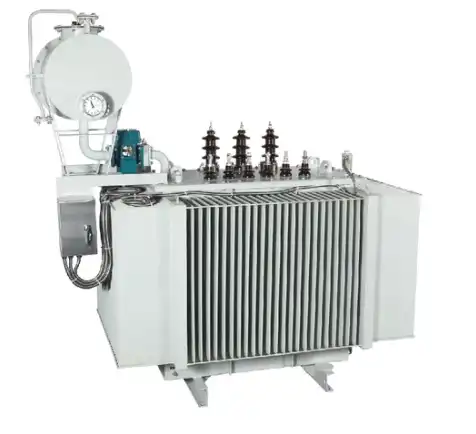
More and more, IoT-enabled monitoring systems are being built into distribution transformers. In real time, sensors record events like oil temperature, load current, and partial discharge and send the information to SCADA systems. When buying new tools for the urban grid, procurement teams should make sure that the seller supports smart-ready terminal blocks or sensors that are already built in. If they don't, it will cost a lot to add these features later.
Buyers can now use B2B buying platforms to ask for technical datasheets, compare approved performance data, and start RFQ processes directly with transformer makers. Because of this change, prices are more clear, and buyers and sellers no longer have different amounts of information. Buyers say they get better price comparison results when they use these sites along with direct communication with manufacturers.
The main things that determine the price of a transformer are the prices of copper and silicon steel, the complexity of the core design, and the level of customization that can be done with a Distribution Transformer Supplier. A normal 100kVA oil-immersed unit may have a very different price than a K-factor transformer made for industrial loads with a lot of harmonics. Ask for detailed quotes so you can see where the costs fall and where it is possible to negotiate.
Here are some useful ways that buying teams keep prices down without lowering quality:
These strategies work best when buyers see sellers as long-term partners instead of just vendors they buy from. If your supplier knows what projects you want to work on, they will allocate production capacity ahead of time.
Well-known companies like ABB, Eaton, Siemens Energy, and Schneider Electric are all in the global market. They all serve big utility and commercial groups in North America and Europe. Regional Asian manufacturers have grown their international reach by a large amount, especially for EPC contractors who work in Africa, Southeast Asia, and Central Asia.
Before you place an order, make sure you get certified test results from reputable labs like the Wuhan High Voltage Research Institute or nationally known testing labs in your country. Make sure the supplier has the most up-to-date ISO 9001, CE, and UL certifications. Use the formal databases of certification bodies to double-check permission.
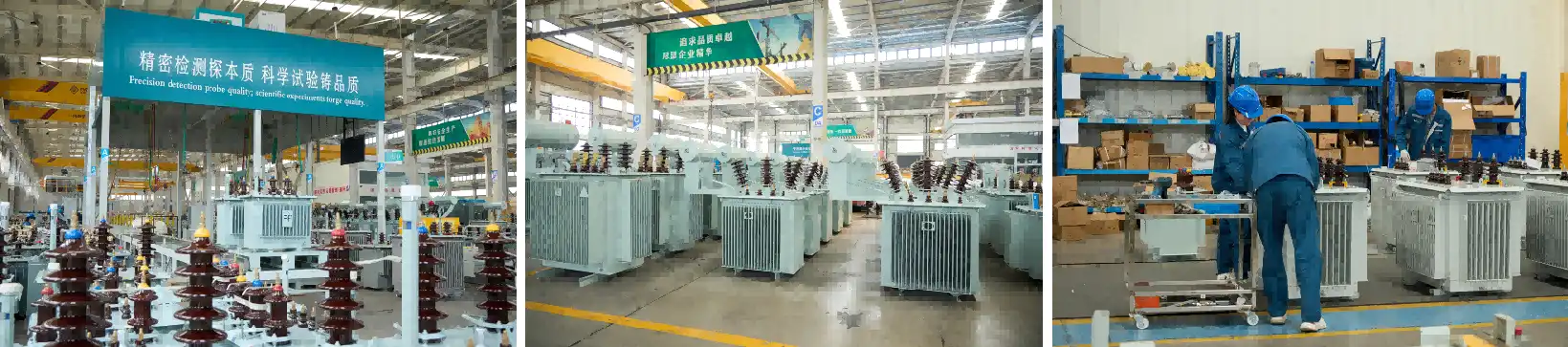
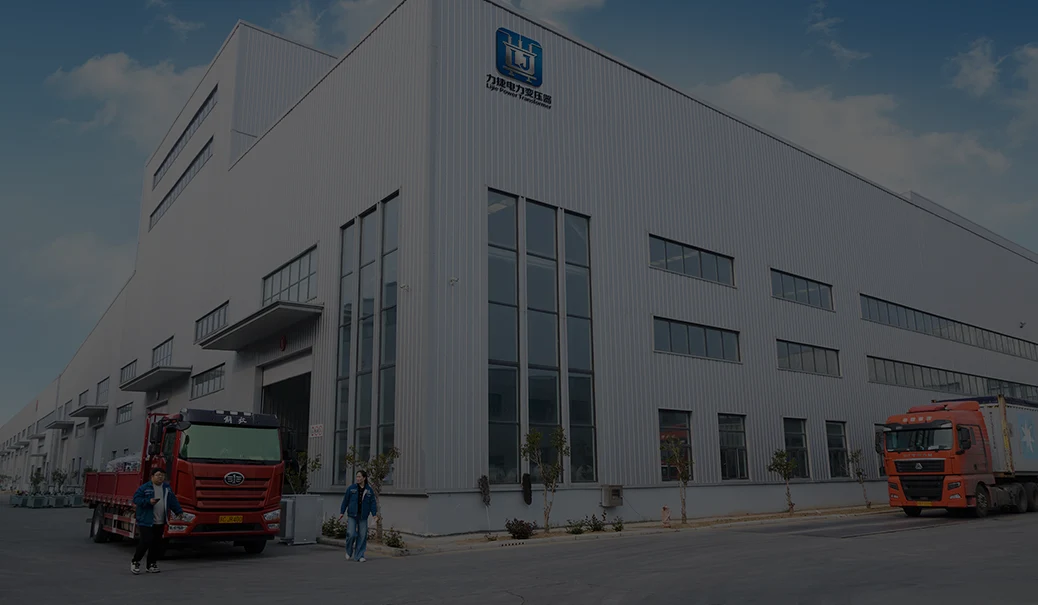
Lijie Electric Power Technology Group makes high-tech transformers and has two factories in China, one in Xuzhou and one in Nantong. Together, they cover 800,000 square meters of room and have over 3,500 workers. The business has ISO 9001:2015, CE, UL, IEC, CQC, and PCCC certifications and makes more than 9 billion RMB in sales every year. It sells amorphous alloy transformers, dry-type transformers, oil-immersed transformers, premade substations, and specialty units like electric furnace and rectifier transformers. Products are sent to more than 14 countries, such as the US, Australia, and many countries in Central Asia and Africa. Lijie Electric is a good choice for buying teams that need a reliable Distribution Transformer Supplier with proven batch stability and technical depth. To start a technical conversation, go to lijie-electrical.com or email lijieelectrical@gmail.com.
For decades, picking the right power transformer partner affects how long projects take, how much they cost to run, and how reliable the grid is with a Distribution Transformer Supplier. If you're working on a project that involves urban distribution networks, business buildings, or bringing electricity to rural areas, the steps you need to take to evaluate suppliers are the same: check their certifications, make sure their capacity matches your volume, and put technical compatibility ahead of price alone. When suppliers like Lijie Electric offer certified manufacturing, a wide range of products, and export experience, they give procurement teams a solid base for both short-term projects and long-term supply agreements.
At minimum, look for ISO 9001:2015, IEC 60076 compliance, and country-specific approvals such as UL (USA) or CE (Europe). For energy efficiency, DOE 2016 or EcoDesign Tier 2 documentation matters. Product-level test reports from accredited labs are more reliable than certificates alone.
Standard units generally ship within 8–12 weeks of order confirmation. Custom configurations—such as special vector groups, tap changers, or corrosion-resistant enclosures—typically require 16–24 weeks, depending on material availability and production scheduling.
Yes. Professional suppliers offer C5-M anti-corrosion coating systems, stainless steel tanks for high-salinity coastal environments, and seismic-rated mounting for earthquake-prone zones. Always specify environmental conditions during the RFQ stage to receive accurate engineering proposals.
Amorphous metal cores reduce no-load losses by up to 70% compared to traditional CRGO silicon steel cores. Over a 25-year lifespan, this translates into significant operational cost savings, making amorphous core units preferable for high-utilization applications like urban grids and commercial facilities.
Lijie Electric ships high-efficiency transformers that are approved and made for business installations, urban grids, and projects to bring electricity to rural areas in the US and other countries. As a distribution transformer manufacturer with a lot of experience, we can handle large project orders with on-time delivery records, full certification packages, and committed expert support with a Distribution Transformer Supplier. To get a quote for your project, email our team at lijieelectrical@gmail.com or go to lijie-electrical.com right now.
1. U.S. Department of Energy — Distribution Transformer Energy Efficiency Rulemaking, 2016.
2. International Electrotechnical Commission — IEC 60076: Power Transformers Standard Series, 2011–2018.
3. IEEE Power & Energy Society — IEEE C57.12.00: Standard for General Requirements for Liquid-Immersed Distribution, Power, and Regulating Transformers, 2021.
4. European Commission — EcoDesign Regulation (EU) 2019/1783: Transformers Tier 2 Requirements, 2019.
5. U.S. Energy Information Administration — Electric Power Annual: Distribution Infrastructure and Grid Modernization Report, 2023.
6. Rocky Mountain Institute — Grid Modernization and Distribution Transformer Efficiency: Pathways to a Cleaner Grid, 2022.
YOU MAY LIKE




April 27, 2025
With a tight project schedule, the manufacturer delivered on time, and on-site technical personnel provided guidance throughout the entire installation and commissioning process; the collaboration was highly efficient and hassle-free.
July 2, 2025
During the preliminary phase, a selection plan was custom-tailored based on the actual site load requirements, resulting in a high degree of parameter compatibility. After-sales support responds within two hours, and ongoing technical support for operation and maintenance is comprehensive; we feel completely confident in a long-term partnership.
November 18, 2025
Deployed as a supporting component for a 35kV grid-connection project at a photovoltaic power station, the equipment operates for an average of 16 hours daily. It demonstrates excellent control over no-load losses, ensures smooth power generation and grid integration, and effectively reduces the station's overall energy consumption.
January 30, 2026
Under the continuous, high-load operating conditions of a factory production line, the equipment maintains stable electrical parameters and exhibits strong overload resistance, thereby guaranteeing an uninterrupted power supply for industrial production.
April 3, 2026
Integrated as a supporting component for a new energy photovoltaic grid-connection system, the manufacturer provided professional technical coordination and timely after-sales support, ensuring seamless adaptation to the specific electrical operating conditions required for grid integration.